Side-by-Side Cognitive Profile
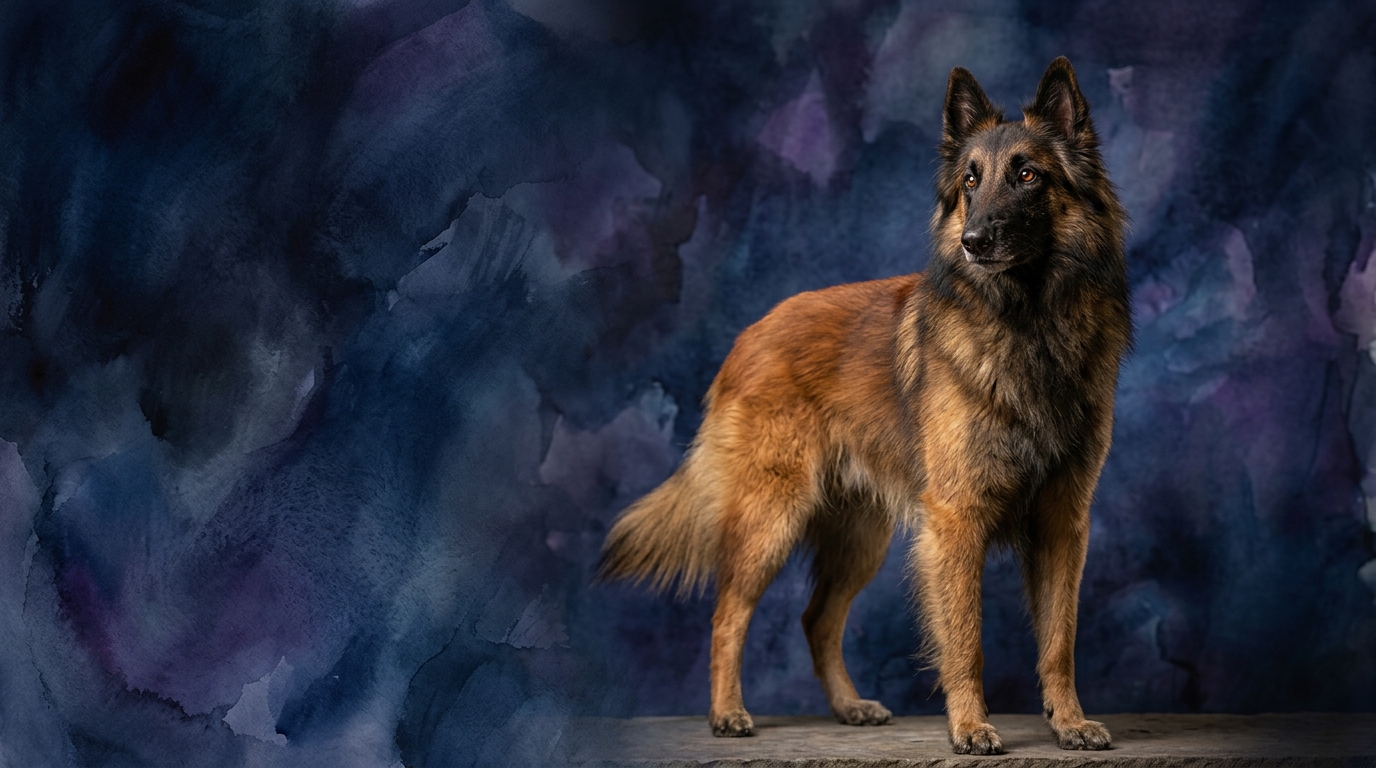
At The Cosmic Pet Pet IQ Lab, we evaluate canine intelligence across five key dimensions. The Belgian Tervuren, a member of the Herding group and ranked #14 by Coren, presents a profile geared towards complex, dynamic work. Its Problem Solving is rated 5/5, indicating an exceptional capacity for independent thought and strategic decision-making in varied scenarios. Training Speed also scores 5/5, reflecting a remarkable ability to grasp new commands and routines with minimal repetition. Social Intelligence stands at 3/5, suggesting a capacity to understand human cues but potentially a reserved demeanor with strangers. Instinctive Drive is 3/5, representing a strong but controlled working impetus, particularly for herding. Finally, Memory is 5/5, showcasing a robust ability to retain learned behaviors and experiences over extended periods, crucial for consistent performance in intricate roles.
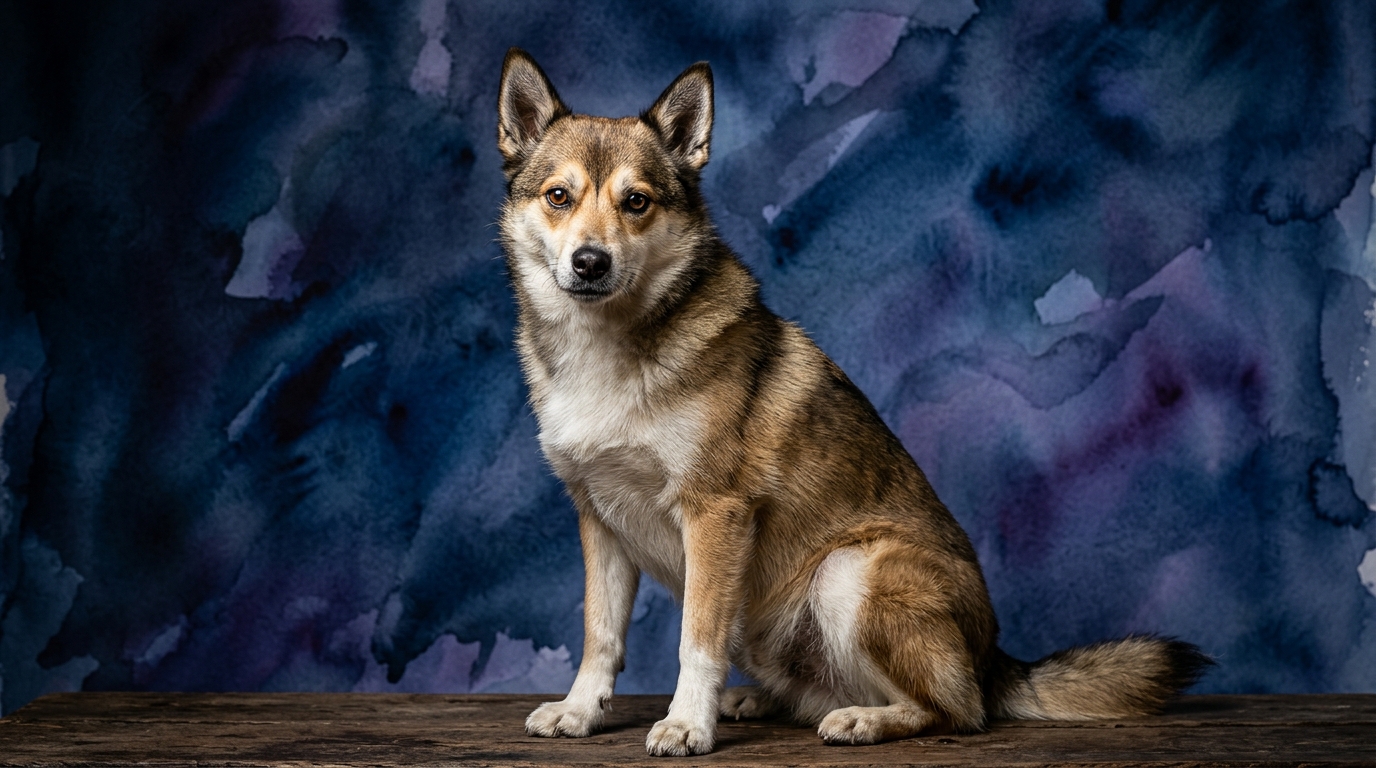
In contrast, the Norwegian Lundehund, categorized in the Non-Sporting group and not Coren-ranked, exhibits a cognitive profile shaped by its highly specialized historical role. Its Problem Solving is rated 3/5, indicating competence in specific, niche challenges, especially those related to its unique anatomical capabilities for navigating tight spaces. Training Speed is 3/5, meaning it learns at a moderate pace, often requiring more patience and consistent methods. Social Intelligence is 3/5, similar to the Tervuren, implying a bond with its immediate family but potential wariness towards unfamiliar individuals. Instinctive Drive is also 3/5, reflecting a unique drive for exploration and climbing, historically linked to puffin hunting, rather than a broad working drive. Memory is 3/5, suggesting a reliable recall for routines and commands, though perhaps not for the extensive, complex sequences a Tervuren might master.
Where the Belgian Tervuren Excels Cognitively
The Belgian Tervuren demonstrates superior cognitive agility across several domains, making it a standout performer in demanding tasks. Its 5/5 Problem Solving score means it can quickly analyze and adapt to novel situations, a critical skill for a herding dog that must make split-second decisions to control livestock. This breed doesn't merely follow commands; it interprets the environment and acts strategically, predicting outcomes and adjusting its approach.
Furthermore, the Tervuren's 5/5 Training Speed allows it to absorb complex command sequences with remarkable efficiency. An owner can introduce new concepts and behaviors, and the Tervuren integrates them into its repertoire swiftly, often with just a few repetitions. This rapid learning curve, coupled with its 5/5 Memory, means that once a Tervuren masters a skill or command, it retains that knowledge reliably, enabling consistent, high-level performance in advanced obedience, agility, or protection sports over many years. This combination of quick learning and enduring recall makes the Tervuren exceptionally versatile and reliable in structured environments.
Where the Norwegian Lundehund Shows Unique Strengths
While the Norwegian Lundehund's general cognitive scores are moderate, its true brilliance lies in a highly specialized form of intelligence, honed by centuries of adaptation to a unique ecological niche. Its 3/5 Problem Solving score, though lower than the Tervuren's, is deeply connected to its ancestral role of hunting puffins in confined, rocky environments. This breed possesses an unparalleled spatial awareness and problem-solving capacity specifically for navigating narrow crevices, tunnels, and vertical rock faces, a skill set that few other breeds can match.
The Lundehund's extraordinary physical adaptations, such as its six toes, flexible neck, and ability to fold its ears shut, are not merely anatomical quirks; they are extensions of its specialized cognitive approach to its environment. This breed's instinctive drive, while rated 3/5, is singularly focused on exploration and climbing, reflecting a deep-seated behavioral pattern for exploiting its unique physical traits. The Lundehund's cognition is less about broad, generalized problem-solving and more about an exquisite, precise intelligence for its specific, challenging world, demonstrating a profound evolutionary attunement rather than a generalist's adaptability.
Training Dynamics: Tervuren's Eagerness vs. Lundehund's Independence
When it comes to ease of training, the Belgian Tervuren holds a distinct advantage due to its 5/5 Training Speed and inherent desire to work collaboratively. Tervurens are typically eager to please their handlers and thrive on mental engagement, making them highly responsive to clear commands and consistent reinforcement. Their quick uptake of new information means they learn complex tasks with fewer repetitions, and their strong memory ensures that once a behavior is learned, it is retained reliably. This breed actively seeks direction and finds satisfaction in mastering new skills alongside its human companion, making training a highly rewarding and efficient process for both.
The Norwegian Lundehund, with its 3/5 Training Speed and ancestral independence, presents a different training experience. Lundehunds can be more self-reliant and less inherently driven by human direction, reflecting their history as solo hunters where individual initiative was paramount. They require an owner who understands their need for patience, consistency, and positive reinforcement, as harsh methods are ineffective and can damage their trust. While they are capable of learning, they may take longer to grasp new concepts and might require more creative motivation. Their unique instinctive drive means they might be more interested in exploring their environment or engaging their specialized physical abilities than in strictly following commands, necessitating a nuanced and understanding approach to training.
Lifestyle Match: Active Engagement vs. Unique Companionship
The Belgian Tervuren is ideally suited for active owners who are prepared to provide significant mental and physical engagement. With its high problem-solving abilities, exceptional training speed, and robust memory, a Tervuren thrives when given a 'job' to do. This could involve participation in dog sports like agility, obedience, protection work, or actual herding. Owners who enjoy structured activities, consistent training, and long, stimulating outings will find a Tervuren to be an incredibly rewarding and capable partner. Without sufficient mental and physical outlets, a Tervuren can become bored, potentially leading to undesirable behaviors, making them unsuitable for relaxed or sedentary households.
The Norwegian Lundehund, while needing regular exercise, generally suits owners with a more moderate activity level who appreciate a unique and independent companion. They enjoy exploring and sniffing, and their specialized physical traits mean they might enjoy climbing or navigating varied terrain. While they aren't typically suited for high-octane competitive sports in the same way a Tervuren is, they thrive on companionship and mental stimulation through puzzle toys and consistent, gentle training. An owner who values a dog with a distinct personality, appreciates their quirky physical abilities, and can provide regular, but not necessarily intense, daily activity will find the Lundehund a fascinating and affectionate member of the family.
The Verdict
Choose the Belgian Tervuren if you seek a highly trainable, versatile working partner eager for complex tasks and consistent engagement, excelling in structured sports and demanding roles.
Opt for the Norwegian Lundehund if you value a unique, independent companion with specialized physical and cognitive traits, suited to owners who appreciate a moderate activity level and a less conventional, more self-reliant canine personality.
🧠 Find Your Pet's IQ Score
Our Pet IQ Lab assessment covers 25+ tests across 5 cognitive dimensions — personalized to your breed.
Take the Full IQ Test →Frequently Asked Questions
Is the Belgian Tervuren good with children?
With a social intelligence score of 3/5, Belgian Tervurens can integrate well into families with children, especially when raised with them. However, their herding instincts might lead to nipping at heels, so proper socialization, training, and supervision are crucial to ensure harmonious interactions.
Do Norwegian Lundehunds have any unique health concerns related to their specialized anatomy?
Yes, their unique flexible spine and extra toes are linked to specific health issues, most notably Lundehund Syndrome, an intestinal disorder that affects nutrient absorption. Owners must be diligent with their diet, monitor for symptoms, and ensure regular veterinary check-ups to manage this breed's particular health needs.
How much mental stimulation does a Belgian Tervuren need daily?
A Belgian Tervuren, with its 5/5 problem-solving and memory, requires substantial daily mental engagement, ideally through structured training sessions, challenging puzzle toys, or participation in dog sports. This mental workout, in addition to physical exercise, is essential to prevent boredom and channel their pronounced working drive constructively.