Side-by-side IQ profile
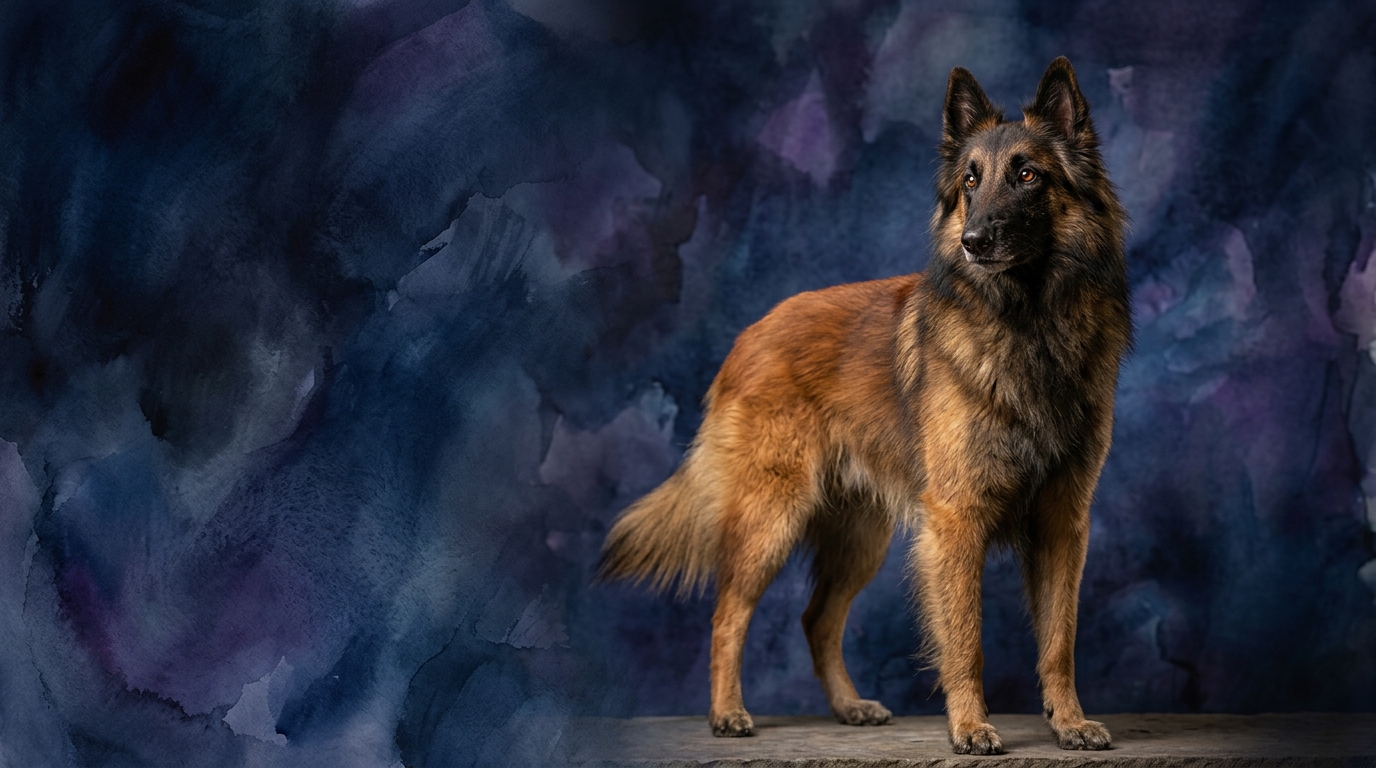
The Cosmic Pet Pet IQ Lab employs five key dimensions to map a breed's cognitive architecture, offering a precise understanding of their mental capabilities. For the Belgian Tervuren, a Herding breed, we observe a Coren rank of #14, signifying a strong operational intelligence. Their Problem Solving is rated 5/5, indicating an exceptional capacity for navigating complex scenarios and devising effective strategies. Training Speed also scores 5/5, meaning they grasp new commands and routines with remarkable rapidity, often requiring minimal repetition. Social Intelligence stands at 3/5, suggesting they form clear bonds and understand social cues adequately, though perhaps without the effusive outward display of some companion breeds. Instinctive Drive is 3/5, reflecting a moderate but present herding impulse and general working ethic. Finally, Memory is a robust 5/5, enabling them to retain vast amounts of information, from complex command sequences to past experiences.
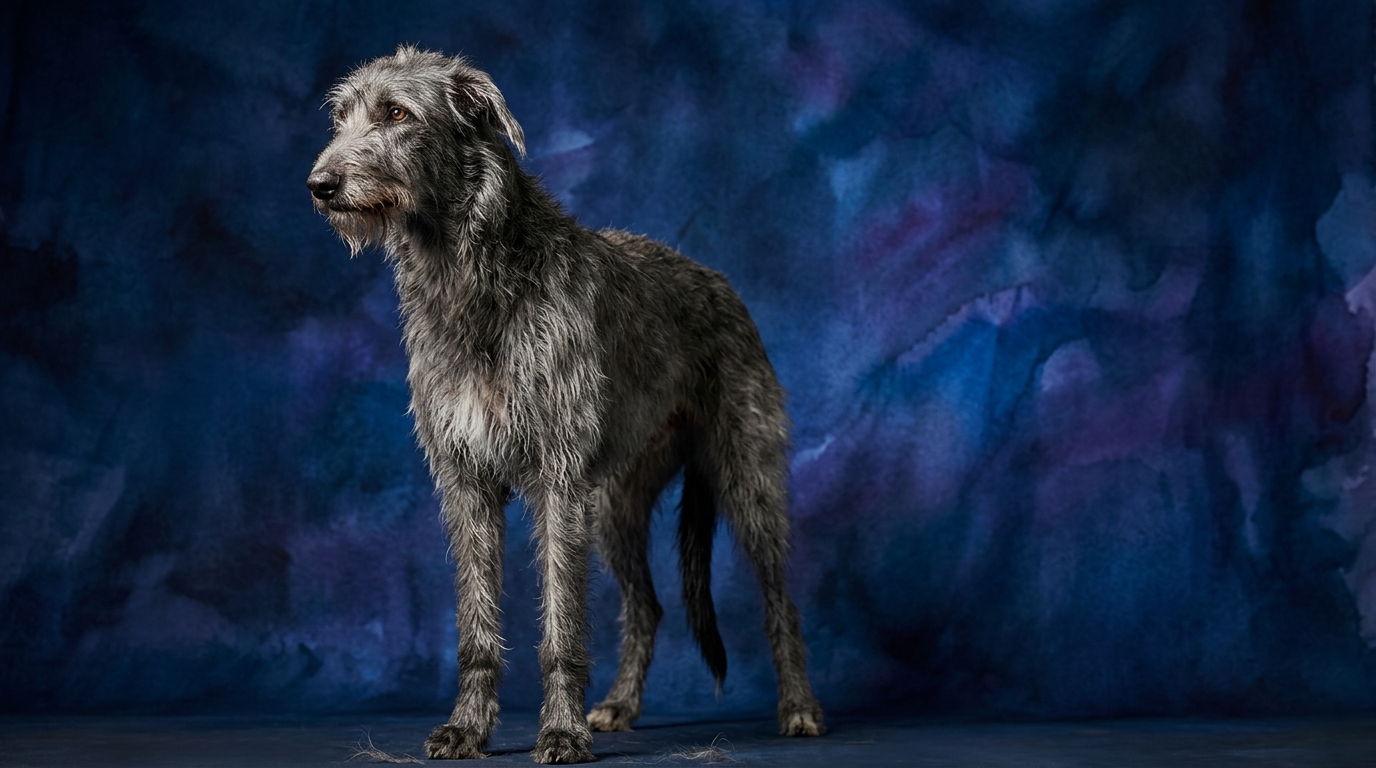
In contrast, the Scottish Deerhound, a Hound breed not Coren-ranked, presents a different cognitive blueprint. Their Problem Solving is 3/5, indicating a practical, situation-specific approach rather than abstract strategizing. Training Speed is likewise 3/5, meaning they learn at a steady pace but require more consistent motivation and patience compared to the Tervuren. Social Intelligence also registers 3/5, characterizing them as deeply loyal to their chosen few, albeit often reserved with strangers. Instinctive Drive is 3/5, but this is highly specialized towards their sighthound purpose – a powerful visual prey drive rather than a general working ethic. Memory scores 3/5, suggesting they retain established routines and familiar environments well, but may not excel at recalling intricate, multi-step sequences with the same precision as the Tervuren.
Where Belgian Tervuren wins cognitively
The Belgian Tervuren’s cognitive strengths shine particularly bright in areas demanding adaptability, rapid learning, and sustained mental engagement. With a perfect 5/5 in Problem Solving, the Tervuren demonstrates an unparalleled ability to analyze novel situations, strategize solutions, and execute multi-step plans. This makes them adept at tasks requiring independent thought and creative approaches, such as complex agility courses or intricate scent work where they must decipher puzzles. Their 5/5 Training Speed reinforces this, as they absorb new commands and behaviors with astonishing alacrity, often anticipating their handler's next cue. This rapid acquisition means less repetition is needed, allowing for the quick progression to advanced training levels and the mastery of a broad repertoire of skills. Furthermore, the Tervuren's 5/5 Memory score ensures that these learned behaviors, once ingrained, are retained with exceptional fidelity over long periods. They can recall vast sequences of commands, remember specific solutions to past problems, and learn from experience with remarkable precision. This combination of superior problem-solving, rapid learning, and excellent recall positions the Tervuren as a true cognitive powerhouse, excelling in dynamic environments where mental agility is paramount.
Where Scottish Deerhound wins cognitively
While the Scottish Deerhound's IQ scores may appear lower on a generalized scale, their cognitive wins are rooted in the specialized intelligence honed by centuries of sighthound work, emphasizing different strengths. Their Problem Solving at 3/5, while not geared towards abstract puzzles, is exceptionally practical and focused on their primary function: detecting and pursuing prey over vast distances. This involves rapid, independent decision-making in the field, assessing terrain, and predicting prey movement, a highly specialized form of intelligence. Their Instinctive Drive, also 3/5, is a testament to this unique focus; it’s a deeply ingrained visual prey drive that fuels their pursuit with unwavering determination, requiring immense concentration and stamina. Furthermore, their Social Intelligence at 3/5, though not broadly demonstrative, manifests as a profound, discerning loyalty to their family. This isn't a deficiency but a preference for deep, quiet bonds over boisterous engagement, indicating a nuanced understanding of their inner circle. Their Memory, at 3/5, is perfectly adequate for retaining routines, recognizing familiar faces, and navigating their known territories, which are crucial for a breed that values consistency and comfort within its established environment. The Deerhound's cognitive strengths lie in their focused independence, keen visual acuity for their purpose, and a dignified, reserved social connection.
Which is easier to train and why
When assessing ease of training, the difference between the Belgian Tervuren and the Scottish Deerhound is quite pronounced, primarily due to their respective Training Speed scores of 5/5 and 3/5. The Belgian Tervuren is unequivocally easier to train for a wide array of tasks. Their exceptional eagerness to please, coupled with their rapid cognitive processing and high motivation for mental work, means they absorb new commands and complex sequences with minimal effort. A Tervuren often requires only a few repetitions to understand a new behavior and will strive for precision, viewing training as an engaging partnership. They thrive on consistency and clear communication, making them highly responsive to positive reinforcement methods and capable of excelling in advanced obedience, competitive dog sports, and even specialized working roles.
Conversely, the Scottish Deerhound presents a more significant training challenge. Their 3/5 Training Speed indicates they learn at a more deliberate pace, and their independent sighthound nature means they often need compelling motivation to engage. They are not inherently driven by a desire to please in the same way a Tervuren is; instead, their compliance often stems from a deep bond or strong incentive. Training a Deerhound requires immense patience, creativity, and understanding of their motivations, which are often tied to their prey drive or comfort. They may find repetitive drills tedious and are prone to ignoring commands if they deem them uninteresting or if a more stimulating distraction (like a distant movement) captures their attention. While capable of learning, their training journey is typically slower, more nuanced, and less about rote obedience and more about building a respectful, understanding relationship.
Which suits active owners vs relaxed owners
The distinction between these two breeds regarding owner lifestyle preferences is quite clear, stemming from their differing energy levels and cognitive needs. The Belgian Tervuren is an ideal companion for active owners who are prepared to provide consistent, high-level mental and physical engagement. Their high Problem Solving and Training Speed scores mean they require a 'job' to do, whether it's advanced obedience, agility, tracking, or simply complex daily training sessions. An owner who enjoys dog sports, long hikes, or structured activities that challenge their dog's mind and body will find the Tervuren to be an eager, tireless partner. Without sufficient mental stimulation and physical exercise, a Tervuren can become bored, leading to undesirable behaviors. They thrive on purpose and partnership.
The Scottish Deerhound, on the other hand, is generally better suited for owners who might be described as 'relaxed' for much of the day, but crucially, can provide specific outlets for their unique energy. While they are not high-strung and are often calm and dignified indoors, they require regular opportunities for intense, unrestrained running in a large, securely fenced area. Their sighthound heritage demands bursts of speed and the ability to stretch their long legs. They are not suited for endurance running like a Tervuren might be, but rather short, exhilarating sprints. Owners who appreciate a quiet, undemanding companion indoors but have access to safe, expansive open spaces for their dog to gallop will find a Deerhound a perfect fit. They do not demand constant mental challenges in the same way a Tervuren does, valuing comfort and companionship above intricate tasks.
The Verdict
Choose the Belgian Tervuren if you seek a versatile, highly trainable partner for advanced dog sports, complex tasks, and consistent mental engagement, thriving on a shared purpose. They excel with owners dedicated to providing extensive training and daily cognitive challenges.
Opt for the Scottish Deerhound if you appreciate a calm, independent companion who values deep, quiet bonds, and you can provide secure, expansive areas for their essential bursts of unrestrained running. They suit owners who enjoy a relaxed home life but understand their unique exercise needs.
🧠 Find Your Pet's IQ Score
Our Pet IQ Lab assessment covers 25+ tests across 5 cognitive dimensions — personalized to your breed.
Take the Full IQ Test →Frequently Asked Questions
Is the Belgian Tervuren a good choice for first-time dog owners?
Generally, the Belgian Tervuren is not recommended for first-time dog owners due to their exceptional cognitive needs and high drive. They require consistent, experienced handling and extensive mental stimulation to thrive, which can be overwhelming for novices.
What kind of exercise does a Scottish Deerhound need?
Scottish Deerhounds need specific exercise: regular opportunities for intense, unrestrained running in a large, securely fenced area. While calm indoors, they require bursts of speed to satisfy their sighthound instincts, rather than prolonged endurance activities.
How do their social intelligence scores of 3/5 manifest in their personalities?
For both breeds, a 3/5 social intelligence score suggests they are neither overly effusive nor aloof. Tervurens are typically engaged with their family and aware of cues, while Deerhounds, though reserved with strangers, form deep, discerning bonds with their chosen humans, valuing quiet companionship.