Side-by-Side IQ Profile: Deconstructing Canine Cognition
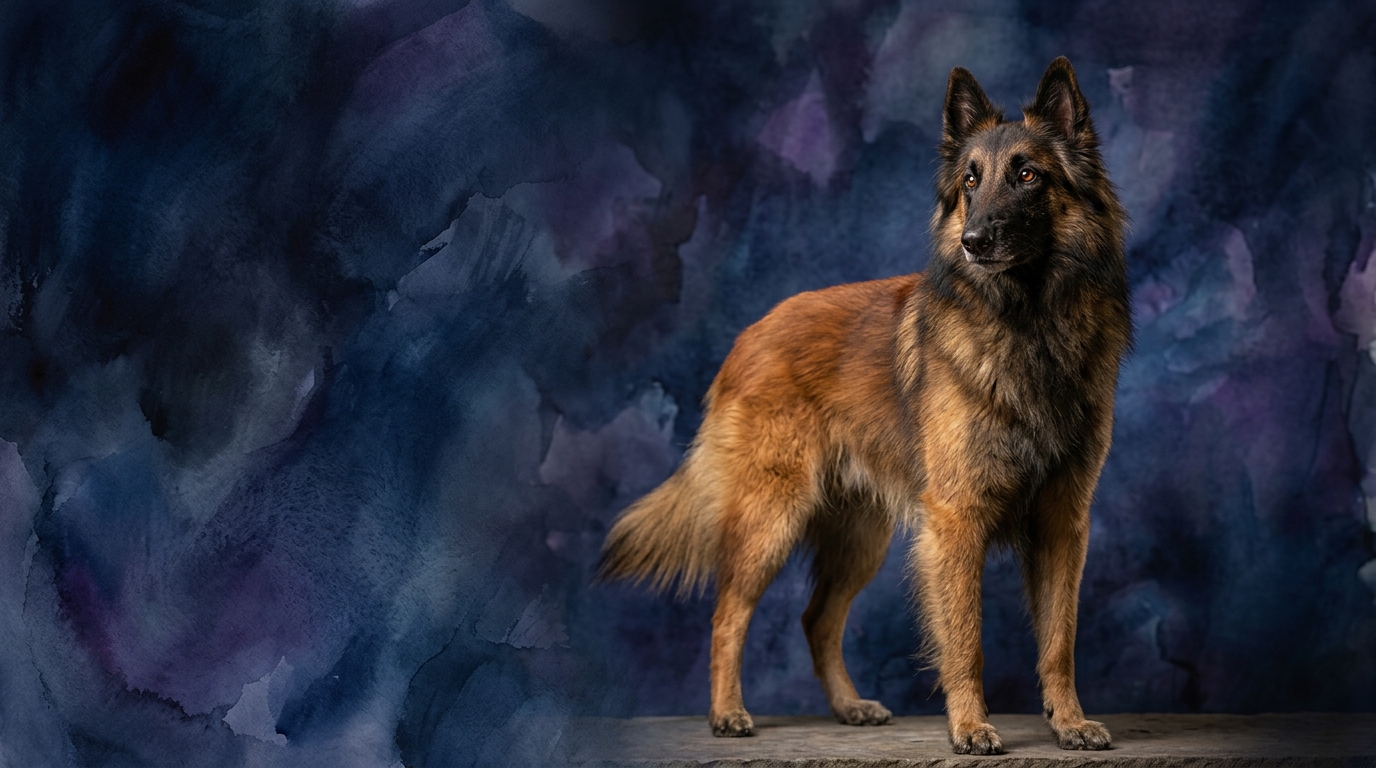
The Cosmic Pet Pet IQ Lab assesses canine intelligence across five critical dimensions, offering a nuanced view of how breeds process information and interact with their world. For the Belgian Tervuren, classified as a Herding dog and ranked #14 by Coren, its profile highlights a dog built for dynamic engagement and quick learning. Its Problem Solving is rated 5/5, indicating a remarkable capacity to quickly analyze novel scenarios, devise efficient solutions, and adapt strategies on the fly; in complex tasks like agility courses or scent work, they rapidly interpret obstacles or trails, demonstrating a fluid and proactive approach to overcoming challenges. Training Speed also scores 5/5, meaning Tervurens absorb new commands and multi-step sequences with exceptional speed, often requiring only a few repetitions to solidify a behavior, with their eagerness to engage and inherent drive to work contributing significantly to their swift learning curve. Social Intelligence is 3/5; while adept at reading their core family's emotional states and intentions, Tervurens typically display reservation towards strangers, with their social acumen primarily focused on their inner circle, requiring thoughtful, early socialization for broader interactions. Instinctive Drive is 3/5, possessing a strong, inherent herding instinct, driven to manage and control movement, which can be effectively channeled into productive activities. Memory is 5/5, allowing them to recall intricate routines, specific cues, and learned associations over extended periods, underpinning their ability to excel in advanced disciplines.
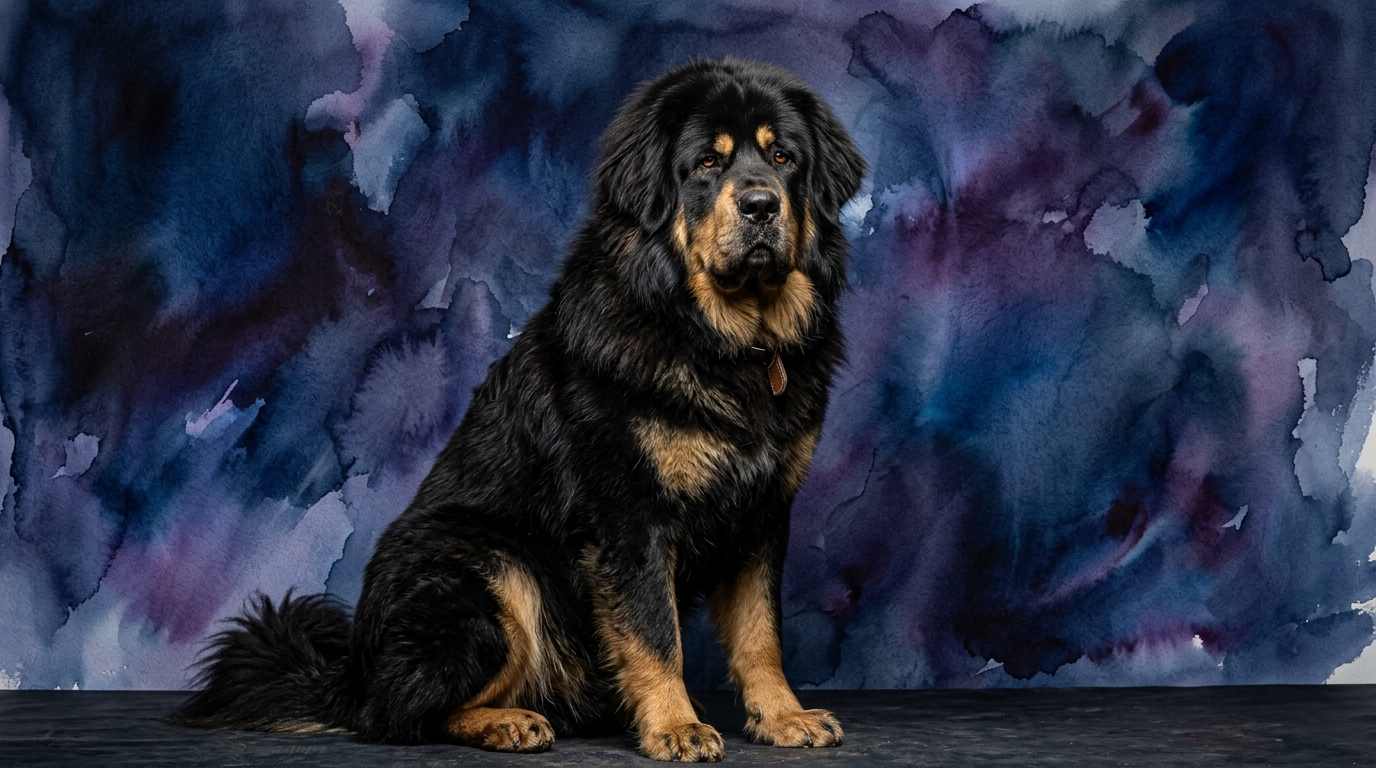
In contrast, the Tibetan Mastiff, a Working dog not ranked by Coren, presents a profile optimized for independent guardianship. Its Problem Solving is 3/5, approaching challenges with a more deliberate and often independent thought process, with their prowess typically geared towards assessing threats, securing territory, or navigating familiar environments, rather than quickly deciphering human-designed puzzles. Training Speed is 3/5, meaning learning new commands occurs at a moderate pace, often necessitating more repetition and a clear demonstration of the command's value or logic, as their independent nature makes them less inclined to comply simply for the sake of pleasing. Social Intelligence is 3/5; like the Tervuren, they form profound, protective bonds with their immediate family while maintaining a reserved or wary stance towards outsiders, reading familiar human emotions well but with social compliance secondary to their guarding instincts. Instinctive Drive is 3/5, with territorial protection and guarding as their primary drive, manifesting as natural vigilance and an acute awareness of their surroundings. Memory is 3/5, possessing a good memory for routines, territorial boundaries, and the identities of family and trusted individuals, though recall of arbitrary commands may require ongoing reinforcement, as their memory prioritizes information critical to their guarding role.
Where the Belgian Tervuren Wins Cognitively
The Tervuren's cognitive advantages are evident in its rapid processing and execution, making it a standout in disciplines requiring quick mental agility. Their 5/5 Problem Solving score means they are quicker to grasp novel concepts, adapt to changing rules, and strategize efficiently in dynamic environments, such as an agility course where split-second decisions are paramount. This contrasts with the Mastiff's more ponderous, independent approach, which, while effective for its purpose, lacks the Tervuren's speed of adaptation to human-initiated challenges.
Their superior Training Speed (5/5 vs. 3/5) allows them to master complex sequences and a vast vocabulary of commands in significantly less time. This translates into a dog that can quickly learn to perform intricate routines, respond to subtle cues, and engage in advanced obedience or working trials with impressive proficiency. Furthermore, the Tervuren's 5/5 Memory ensures that these learned behaviors are retained with exceptional durability; they can recall obscure commands or intricate patterns even after long breaks, making them highly reliable partners for sustained performance in demanding disciplines.
Where the Tibetan Mastiff's Cognitive Profile Excels
While the Tibetan Mastiff's scores might appear lower in direct comparison to the Tervuren's high-octane performance metrics, their cognitive strengths are optimized for a different, yet equally valuable, purpose: independent, judicious guardianship. Their 3/5 Problem Solving, though not rapid in the context of human-designed puzzles, is deeply rooted in assessing and responding to threats within their domain. This manifests as a nuanced ability to discern genuine dangers from innocent occurrences, a critical skill for a protective breed that often operates without direct human command, relying on its own judgment.
Their 3/5 Instinctive Drive for territorial protection is a profound cognitive strength, demanding constant, low-level environmental monitoring and the capacity for independent decision-making regarding perceived intruders. This isn't about following orders but about self-initiated, appropriate defensive action, showcasing a different kind of operational intelligence focused on security. The Tibetan Mastiff's Social Intelligence (3/5), while reserved with strangers, enables a very deep, protective bond with their family, allowing them to read their core human's specific needs and intentions for security, acting as a vigilant, discerning protector rather than a universally compliant companion. Their memory, at 3/5, is particularly strong for recognizing familiar faces and routines critical to their guarding duties, ensuring they remember who belongs and who doesn't.
Training Ease: Compliance vs. Conviction
Training a Belgian Tervuren is generally a more straightforward and rewarding experience for most owners due to their exceptional cognitive attributes. Their 5/5 Training Speed means they are eager to learn and quick to understand new instructions, often appearing to anticipate their handler's next move. This breed thrives on collaborative work and positive reinforcement, quickly forming associations between commands and actions. Their strong desire to engage and their willingness to work with their handler make them highly responsive and compliant, readily adopting new behaviors and refining existing ones with enthusiasm and precision.
In contrast, training a Tibetan Mastiff requires a different approach, often demanding more patience, consistency, and an understanding of their independent motivations. Their 3/5 Training Speed means they will take longer to grasp concepts, often needing more repetitions and a clear demonstration of the command's relevance. Tibetan Mastiffs are not inherently driven by the desire to please in the same way; instead, they operate on a basis of respect and their own assessment of a situation. They often need to be convinced that a command is logical or beneficial, rather than simply obeying. This independent streak can manifest as stubbornness if an owner tries to force compliance, making training a journey of mutual understanding and respect, rather than rapid, unquestioning instruction.
Suiting Active vs. Relaxed Owners
The Belgian Tervuren is undeniably suited for active owners who can provide ample mental and physical stimulation. Their high scores in Problem Solving, Training Speed, and Memory indicate a dog that thrives on engagement. They require consistent training, participation in dog sports like agility, obedience, or protection work, and daily opportunities to channel their inherent herding drive. An owner who enjoys an active lifestyle, has experience with working breeds, and is prepared to dedicate significant time to training and enrichment will find the Tervuren an unparalleled partner. Without sufficient outlets, their sharp minds and energetic bodies can lead to boredom and the development of undesirable behaviors.
The Tibetan Mastiff, conversely, is better suited for owners who appreciate an independent, watchful presence and are prepared for a different kind of commitment. While they require regular exercise, their primary needs are a secure, spacious environment to patrol and an owner who understands their guardian instincts. They are not dogs that demand constant interaction or intricate tasks; rather, they excel at observing and protecting. Owners must be calm, consistent leaders who respect the Mastiff's self-sufficient nature and territoriality. They are not ideal for those seeking a highly compliant, 'always-on' companion, but rather for those who value a formidable, discerning protector who makes independent judgments about their domain and requires a more hands-off, yet deeply committed, approach to companionship.
The Verdict
Choose a Belgian Tervuren if you are an experienced, active owner seeking a highly trainable, engaged partner for dog sports, advanced obedience, or a demanding working role, and are prepared to provide consistent mental and physical challenges.
Choose a Tibetan Mastiff if you are an experienced owner who values an independent, discerning, and protective guardian, understands their unique motivations and territorial instincts, and can provide a secure environment and patient, consistent leadership.
🧠 Find Your Pet's IQ Score
Our Pet IQ Lab assessment covers 25+ tests across 5 cognitive dimensions — personalized to your breed.
Take the Full IQ Test →Frequently Asked Questions
Do Belgian Tervurens make good family pets?
Yes, with proper socialization and training, Tervurens can be devoted family members, forming strong bonds with their immediate household. Their herding instincts mean they might try to 'manage' children, so supervision and teaching gentle interactions are key to harmonious living.
Are Tibetan Mastiffs good with children?
Tibetan Mastiffs can be good with children in their own family, often being very protective of them. However, their immense size, strong guarding instincts, and reservation towards strangers mean they require careful supervision around unfamiliar children and consistent training from an early age to ensure safe interactions.
Which breed requires more grooming?
Both breeds have dense double coats that require regular grooming, especially during seasonal shedding. The Tibetan Mastiff's coat is typically thicker and longer, often requiring more extensive brushing to prevent mats, particularly its prominent mane and tail, while the Tervuren's coat is generally less prone to heavy matting but still needs consistent attention.