Side-by-Side IQ Profile: Bernese Mountain Dog
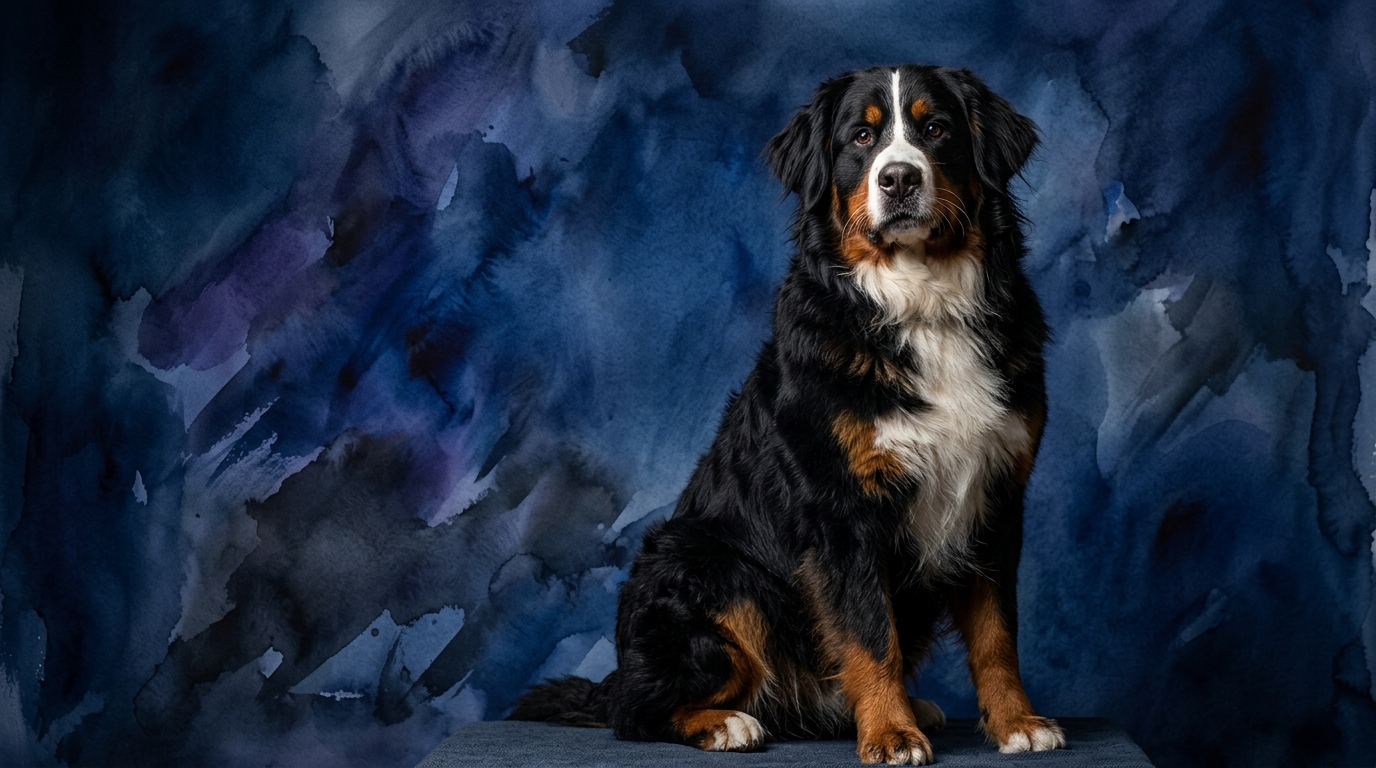
The Bernese Mountain Dog, ranked #27 by Coren, presents a balanced cognitive profile geared towards companionship and cooperation. Their Problem Solving ability is rated 3/5, indicating they can navigate moderate challenges but often look to their human for guidance. Training Speed shines at 4/5, reflecting their eagerness and capacity to quickly grasp new commands and routines. Social Intelligence is a remarkable 5/5, making them exceptionally attuned to human emotions and social cues, fostering deep bonds. Their Instinctive Drive sits at 4/5, a strong inherent working impulse that is readily channeled, while Memory at 3/5 suggests they retain learned information reliably, though perhaps not with the same recall precision for complex, multi-step sequences as some other breeds.
Side-by-Side IQ Profile: Alaskan Malamute
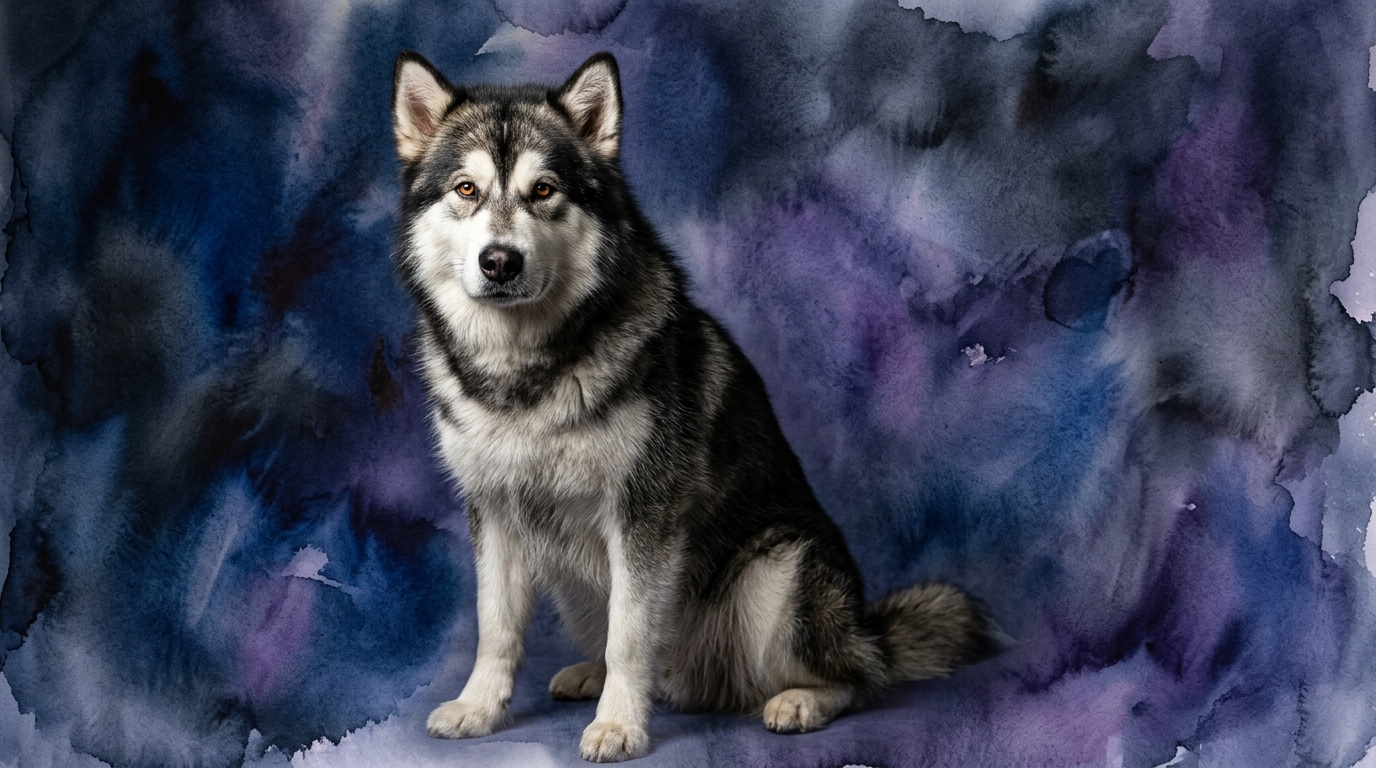
The Alaskan Malamute, holding a Coren rank of #50, demonstrates a cognitive makeup rooted in independence and endurance. Their Problem Solving ability is a robust 4/5; these dogs are adept at figuring things out for themselves, often devising creative solutions to perceived obstacles. Training Speed is rated lower at 2/5, indicating a strong-willed nature that requires patience and consistent motivation, as they are less inclined to offer immediate compliance. Social Intelligence is 3/5, meaning they are friendly and enjoy companionship but are less focused on intricate human social nuances than the Bernese. Their Instinctive Drive is a powerful 5/5, reflecting an inherent, intense desire for demanding physical work and exploration. Memory is strong at 4/5, allowing them to recall complex routes, tasks, and past experiences with impressive detail, crucial for their historical roles.
Where the Bernese Mountain Dog Excels Cognitively
The Bernese Mountain Dog's cognitive strengths distinctly lie in its exceptional Social Intelligence and commendable Training Speed. A 5/5 in Social Intelligence means these dogs are masters of understanding human intent, mood, and subtle communication. They excel at forming profound, empathetic connections, often anticipating their owner's needs and responding with gentle affection or playful engagement. This high social acumen makes them particularly well-suited as therapy dogs or loyal family companions, as they thrive on being an integrated, understanding member of a human pack. Their ability to read and react appropriately to complex social dynamics is a hallmark of their cognitive superiority in this domain.
Complementing their social prowess is a 4/5 Training Speed, which places them among the quicker learners. This aptitude means Bernese Mountain Dogs absorb new commands, house rules, and socialization lessons with relative ease. They are generally eager to please, finding intrinsic reward in cooperation and positive reinforcement. This combination of social understanding and rapid learning makes them highly biddable and responsive, a desirable trait for owners seeking a dog that integrates smoothly into a structured home environment. Their higher Coren rank of #27 is a direct reflection of this impressive trainability and cooperative nature.
Where the Alaskan Malamute Excels Cognitively
The Alaskan Malamute's cognitive advantages are rooted in its independent problem-solving capabilities, formidable instinctive drive, and reliable memory. With a 4/5 rating in Problem Solving, Malamutes are natural strategists, often devising ingenious ways to achieve their goals, whether it's opening a gate, reaching a treat, or navigating a complex terrain. This isn't always about pleasing their owner; rather, it’s about their own self-directed ingenuity. This strong problem-solving skill, honed over generations of survival in challenging environments, requires owners who appreciate and can channel this independent thought process, rather than expecting blind obedience.
Their 5/5 Instinctive Drive is a paramount cognitive strength, reflecting an unparalleled innate desire for endurance, pulling, and exploration. This isn't just a physical trait; it's a deep-seated mental imperative that fuels their existence. Malamutes possess an inherent understanding and enjoyment of sustained effort, making them exceptional in activities like sledding, canicross, or long-distance hiking. Furthermore, their 4/5 Memory is crucial for these tasks, allowing them to recall intricate trails, learned routes, and complex sequences of actions with precision. This combination of drive, problem-solving, and memory paints a picture of a dog built for navigating and thriving in demanding, self-directed environments, a testament to their working heritage.
Training Dynamics: Bernese Mountain Dog vs. Alaskan Malamute
When it comes to ease of training, the Bernese Mountain Dog holds a distinct advantage. Their 4/5 Training Speed combined with their 5/5 Social Intelligence means they are inherently motivated to cooperate and understand human expectations. Berners thrive on positive reinforcement, praise, and the close bond they share with their owners, making them generally responsive and quick to pick up new commands. They are less likely to question the purpose of a task and more inclined to comply simply to please their human companions, making early socialization and obedience training a relatively smooth and rewarding process for consistent owners.
Conversely, the Alaskan Malamute, with its 2/5 Training Speed and strong independent streak, presents a greater training challenge. While certainly capable of learning, their problem-solving skills and powerful instinctive drive mean they often prefer to think for themselves and may not see the immediate benefit in complying with a command that doesn't align with their own agenda. Training a Malamute requires immense patience, creativity, and consistency, often leveraging their natural drives (like pulling or scent work) to make training engaging. Owners must understand that a Malamute's 'stubbornness' isn't a lack of intelligence, but rather a strong will and an independent cognitive framework that values self-direction over simple obedience.
Lifestyle Compatibility: Active Owners vs. Relaxed Owners
For owners with a moderately active lifestyle, the Bernese Mountain Dog is often a better fit. While they possess a 4/5 Instinctive Drive, it is typically expressed through playful engagement with family, enjoyable walks, and participation in moderate activities rather than relentless, high-intensity work. Their high Social Intelligence means they are content to be part of the family's daily routine, thriving on companionship and interaction. They appreciate regular exercise but are equally happy to relax indoors with their loved ones, making them adaptable to various household dynamics where human connection is prioritized over constant exertion.
The Alaskan Malamute, however, is unequivocally suited for highly active and experienced owners. Their commanding 5/5 Instinctive Drive demands significant physical and mental outlets. These are dogs built for endurance and purpose-driven activity; without consistent opportunities to run, pull, hike, or engage in challenging problem-solving tasks, they can become bored, frustrated, and potentially destructive. Their independent nature and strong drive require owners committed to providing extensive daily exercise, often involving outdoor adventures, and a structured environment that channels their powerful cognitive and physical energies effectively. A Malamute thrives when given a 'job' that satisfies its profound natural instincts.
The Verdict: When to Choose Each Breed
The Verdict
Choose a Bernese Mountain Dog if you seek a highly social, cooperative, and emotionally attuned companion who learns quickly and thrives on deep family connection within a moderately active household.
Opt for an Alaskan Malamute if you are an experienced, highly active owner eager for an independent, adventurous partner who excels in endurance activities and demands extensive physical and mental challenges.
🧠 Find Your Pet's IQ Score
Our Pet IQ Lab assessment covers 25+ tests across 5 cognitive dimensions — personalized to your breed.
Take the Full IQ Test →Frequently Asked Questions
Are Bernese Mountain Dogs easy to train for first-time owners?
Yes, their high Training Speed and exceptional Social Intelligence make Bernese Mountain Dogs generally responsive and eager to please, making them a suitable choice for dedicated first-time owners who are consistent with positive reinforcement training.
Do Alaskan Malamutes need a lot of exercise?
Absolutely. With a 5/5 Instinctive Drive, Alaskan Malamutes require extensive daily exercise and mental stimulation, ideally involving activities that allow them to run, pull, or explore. Insufficient activity can lead to boredom and behavioral issues.
Which breed is more independent, the Bernese Mountain Dog or the Alaskan Malamute?
The Alaskan Malamute is significantly more independent, reflected in its 4/5 Problem Solving and lower Social Intelligence. Bernese Mountain Dogs, with their 5/5 Social Intelligence, are far more focused on human interaction and cooperation.