Side-by-side IQ profile
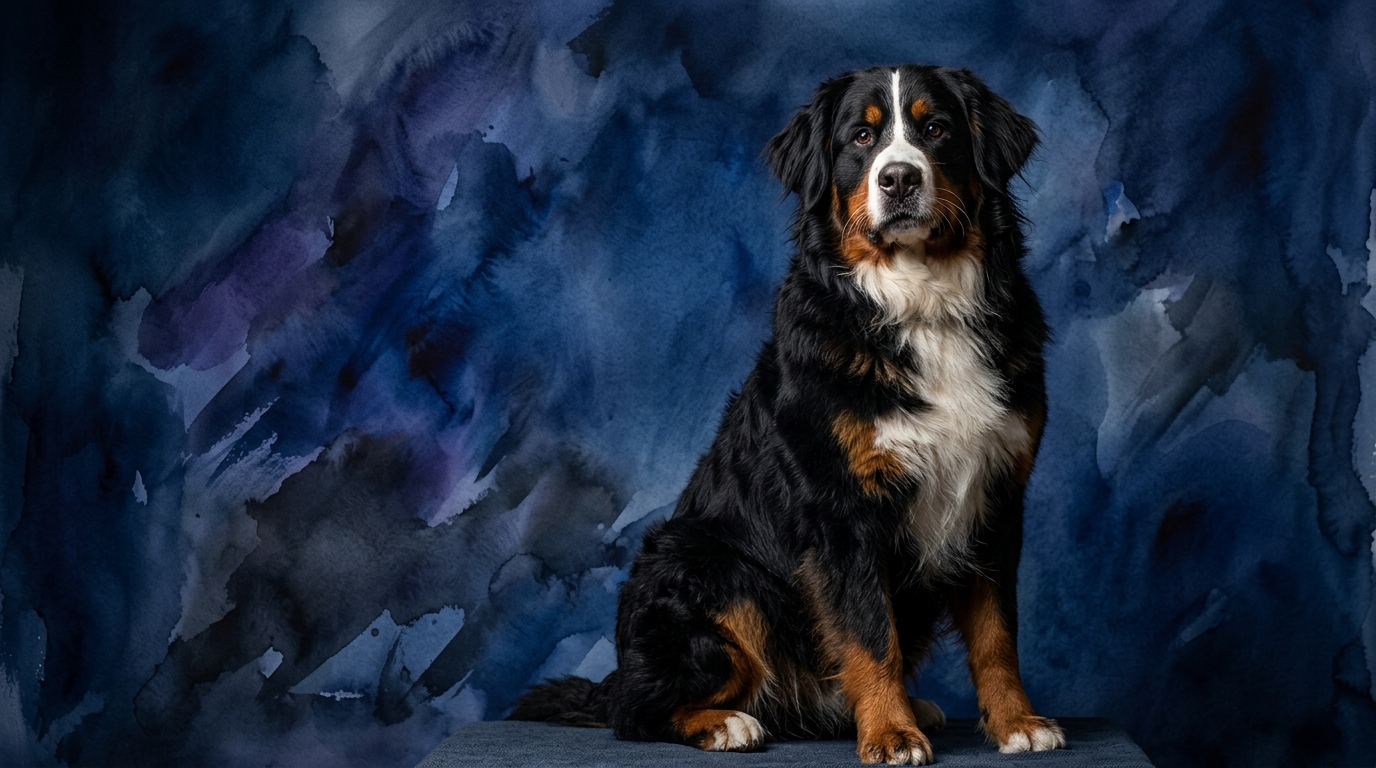
At The Cosmic Pet Pet IQ Lab, we evaluate canine intelligence across five key dimensions: problem-solving, training speed, social intelligence, instinctive drive, and memory. The Bernese Mountain Dog, with a Coren ranking of #27, demonstrates a balanced yet strong cognitive profile. Its problem-solving ability scores 3 out of 5, indicating a capacity for navigating new situations and figuring out solutions to moderate challenges. The breed truly shines in training speed, earning a 4 out of 5, suggesting a quick grasp of commands and a willingness to learn. Perhaps its most defining cognitive trait is its social intelligence, rated a perfect 5 out of 5, which speaks volumes about its profound connection with humans and its ability to interpret subtle cues. Its instinctive drive, at 4 out of 5, reflects a strong inherent motivation for purpose-driven activities, while its memory stands at a solid 3 out of 5, allowing it to retain learned behaviors and routines effectively.
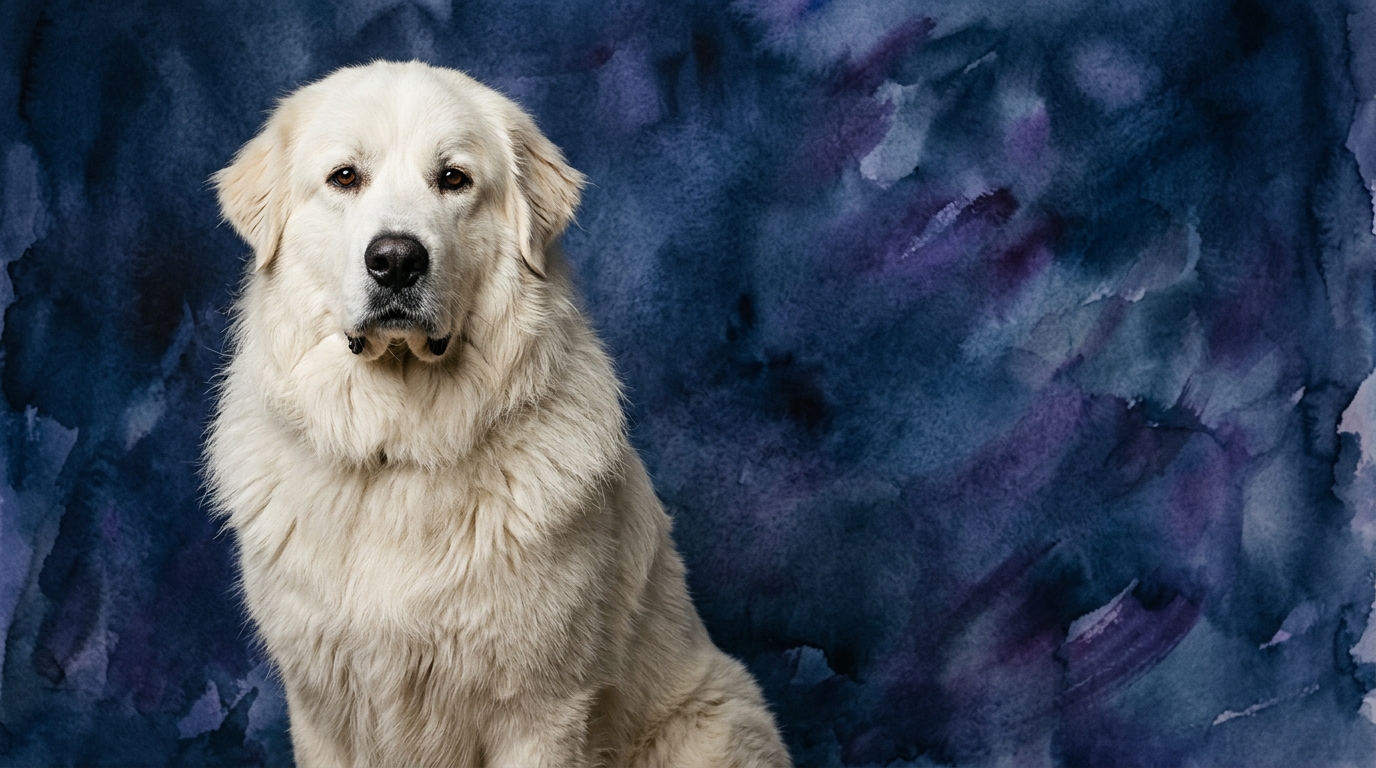
In contrast, the Great Pyrenees, ranked #64 by Coren, presents a cognitive makeup tailored to its ancient role as a solitary guardian. Across the board, its scores are consistently 3 out of 5 for problem-solving, training speed, social intelligence, instinctive drive, and memory. This uniform scoring suggests a steady, deliberate approach to cognitive tasks rather than quick bursts of brilliance. Its problem-solving capacity, while present, may manifest more in independent decision-making within its territory rather than collaborative puzzle-solving. The 3/5 training speed implies a more independent learning style, requiring patience and consistent reinforcement. Its social intelligence at 3/5 suggests affection and loyalty, but without the intense desire for constant human interaction seen in the Bernese. Similarly, its instinctive drive at 3/5 is focused primarily on protection and vigilance, and its memory at 3/5 supports the retention of territorial boundaries and threat recognition.
Where Bernese Mountain Dog wins cognitively
The Bernese Mountain Dog's cognitive strengths distinctly position it for roles requiring close partnership and cooperative learning. Its superior social intelligence, rated 5/5, means a Bernese is exceptionally attuned to human emotions and intentions, often anticipating desires or responding empathetically to moods. This deep connection fosters an environment where training becomes a shared activity, not merely a command-and-response exercise. This breed excels in understanding complex social cues, making it a natural fit for family life and even therapeutic roles where sensitivity to human states is paramount. Their strong desire for companionship is a direct reflection of this high social intelligence.
Coupled with its 4/5 training speed, the Bernese Mountain Dog typically learns new commands and routines with impressive efficiency. This isn't just about rote memorization; it's about connecting actions with outcomes and understanding the human's desire for a particular behavior. Their instinctive drive, also 4/5, often translates into a keen interest in having a "job" alongside their human companions, whether it's fetching, participating in dog sports, or simply being an attentive presence. This combination of social attunement, quick learning, and an innate desire to engage makes the Bernese remarkably adaptable to various structured activities and human-centric environments.
Where Great Pyrenees wins cognitively
While the Great Pyrenees scores uniformly at 3/5 across cognitive dimensions, its "wins" are profound when viewed through the lens of its original purpose: independent livestock guardianship. Its problem-solving ability, though rated 3/5, is geared towards autonomous decision-making in complex, unpredictable outdoor environments. A Pyrenees isn't waiting for a human command to assess a potential threat or determine the safest course of action for its flock; it processes environmental stimuli and acts on its own initiative, a critical cognitive strength for its historical role. This self-reliance means they excel in situations where constant human direction is impractical or impossible.
The Great Pyrenees' instinctive drive, also 3/5, is singularly focused on protection and vigilance, making it highly effective at its core duty. This drive isn't about fetching a ball but about patrolling a perimeter, assessing unfamiliar sounds, and maintaining a watchful presence. Its memory (3/5) is robust enough to recall territorial boundaries, identify familiar creatures, and distinguish between regular visitors and potential threats over long periods. Even its social intelligence at 3/5, while lower than the Bernese, allows for deep, albeit less demonstrative, bonds with its family and charges, combined with a discerning wariness towards strangers, which is precisely what a guardian breed requires. These traits collectively contribute to a steadfast, self-sufficient protector whose cognitive strengths lie in independent judgment and unwavering dedication to its perceived duty.
Which is easier to train and why
When considering ease of training, the Bernese Mountain Dog generally presents a more straightforward path for the average owner. Their 4/5 training speed means they absorb new commands and routines relatively quickly, often showing eagerness to please. This is significantly bolstered by their 5/5 social intelligence; a Bernese thrives on positive human interaction and feedback, viewing training as a collaborative engagement. They are motivated by praise, affection, and the opportunity to spend time with their people, which makes them highly responsive to reward-based methods. Their willingness to cooperate and their desire to be an integrated part of the family unit translate directly into a more pliable and responsive training subject.
The Great Pyrenees, on the other hand, often requires a different approach to training due to its 3/5 training speed and 3/5 social intelligence. These scores reflect a breed that is inherently more independent and less driven by the immediate desire to please a human. A Pyrenees was bred to think for itself and make decisions without human input, which can be interpreted as stubbornness in a traditional obedience setting. Their instinctive drive (3/5) is geared towards guarding, not necessarily performing tricks or intricate obedience sequences. Training a Great Pyrenees demands immense patience, consistency, and an understanding of their independent nature. While they are certainly capable of learning, their motivation often stems from understanding the *purpose* of a command, rather than simply obeying for the sake of it, making the process slower and requiring more creative engagement from the trainer.
Which suits active owners vs relaxed owners
For active owners who envision their dog as a constant companion in various endeavors, the Bernese Mountain Dog is often a better fit. Its high social intelligence (5/5) means it craves involvement in family activities, whether it's hiking, daily walks, or just lounging nearby. While not requiring extreme endurance, they thrive on consistent engagement and moderate exercise that allows them to be part of the action. Owners who enjoy teaching new skills or participating in dog sports like carting or obedience will find a willing and capable partner in the Bernese, whose cognitive profile supports these cooperative efforts. They are generally adaptable to different environments as long as they are with their people.
The Great Pyrenees, due to its independent nature and lower social intelligence (3/5), aligns more with owners who appreciate a dog with a strong sense of self and a more relaxed, self-sufficient demeanor. While they need regular exercise and mental stimulation, their preference might be patrolling a secure yard or overseeing their domain rather than intense, human-directed activities. They can be content observing their surroundings from a comfortable spot, requiring less constant human interaction than a Bernese. Owners who lead a more relaxed lifestyle, have a securely fenced property, and value a watchful, calm presence will likely find the Great Pyrenees to be a compatible companion, understanding that their "activity" often involves quiet vigilance.
The Verdict
Choose the Bernese Mountain Dog if you seek a highly cooperative, socially attuned companion eager to learn and integrate deeply into family life, thriving on shared activities and consistent interaction.
Opt for the Great Pyrenees if you value an independent, self-reliant guardian with a calm demeanor, a strong protective instinct, and a preference for autonomous decision-making within its domain.
🧠 Find Your Pet's IQ Score
Our Pet IQ Lab assessment covers 25+ tests across 5 cognitive dimensions — personalized to your breed.
Take the Full IQ Test →Frequently Asked Questions
Do Bernese Mountain Dogs get along with other pets easily?
Yes, their high social intelligence (5/5) often translates to good compatibility with other animals when properly socialized. They tend to be gentle and adaptable, making them suitable for multi-pet households.
Are Great Pyrenees difficult to live with due to their independence?
Their independence (reflected in 3/5 social intelligence and training speed) means they require consistent, patient training and a secure environment. They are not difficult, but they demand an owner who understands and respects their self-reliant nature.
Which breed is better for first-time dog owners?
The Bernese Mountain Dog, with its higher training speed and social intelligence, is generally more forgiving and easier for first-time owners to train and integrate. The Great Pyrenees' independence can be challenging without prior experience.