Side-by-Side Cognitive Profiles
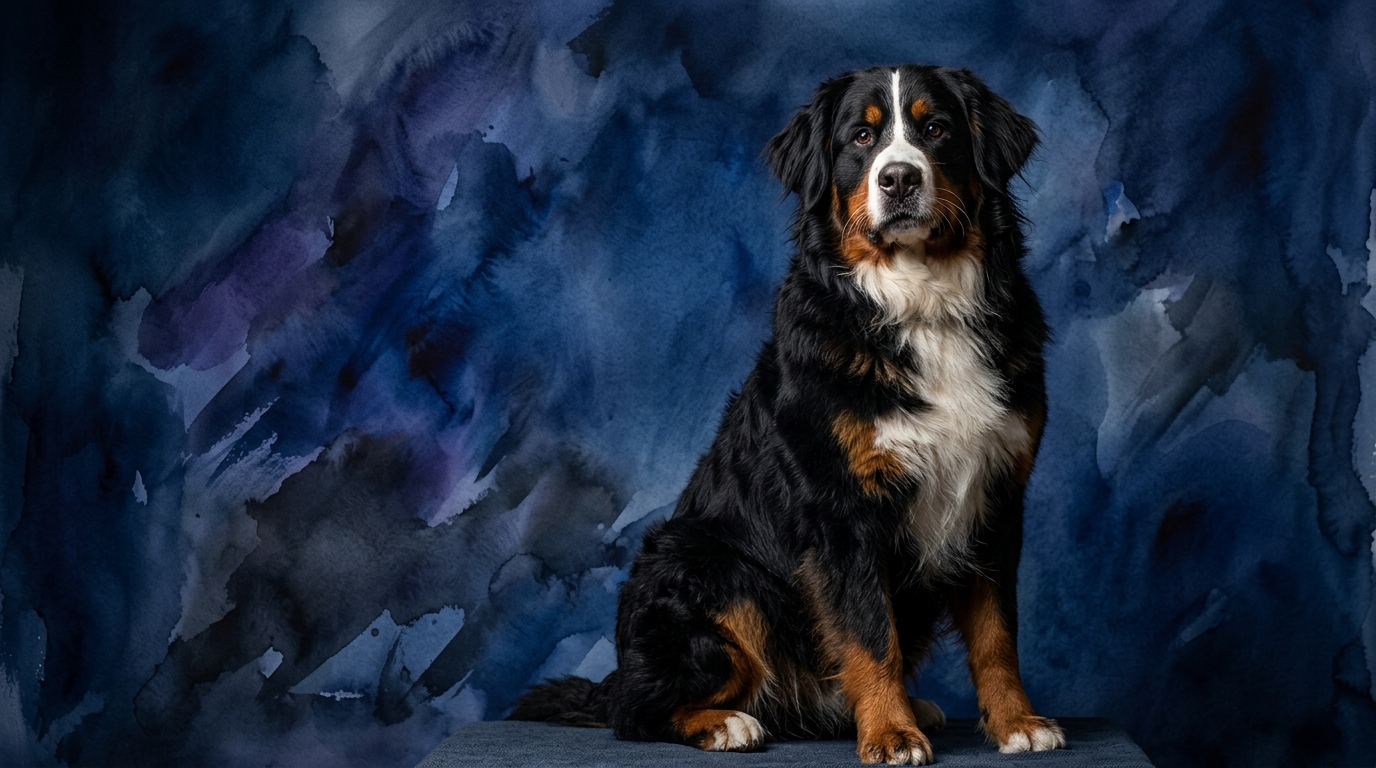
The Cosmic Pet Pet IQ Lab provides a nuanced framework for understanding canine cognition across five key dimensions. For the Bernese Mountain Dog, a Working breed ranked #27 by Coren, its profile is distinct: Problem Solving 3/5, Training Speed 4/5, Social Intelligence 5/5, Instinctive Drive 4/5, and Memory 3/5. This suggests a dog capable of moderate challenges, quick to learn, exceptionally attuned to human emotions, possessing strong working instincts, and with adequate recall.
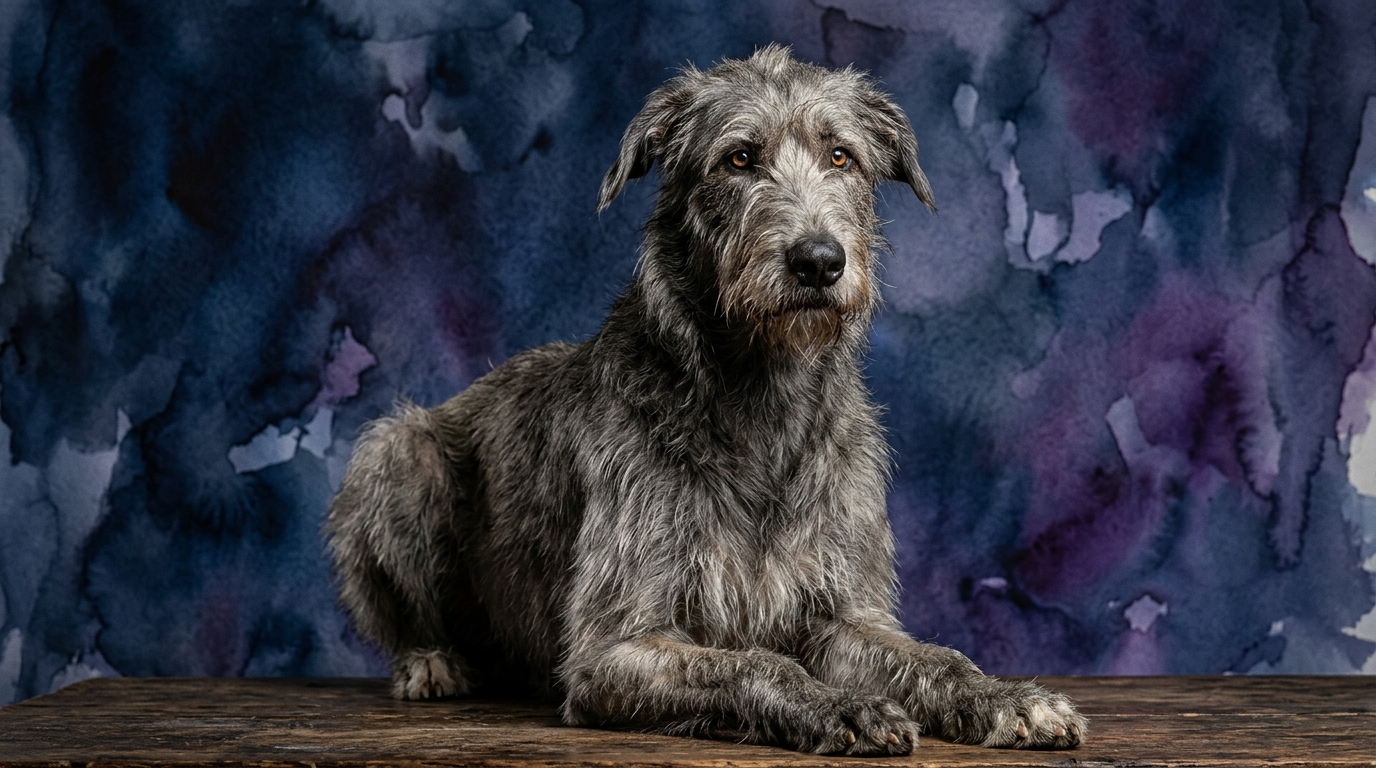
In contrast, the Irish Wolfhound, a Hound breed not Coren-ranked, presents a different cognitive landscape: Problem Solving 3/5, Training Speed 3/5, Social Intelligence 3/5, Instinctive Drive 3/5, and Memory 3/5. This profile indicates a breed that approaches problems methodically, learns at a moderate pace, forms strong but perhaps less universally expressive social bonds, and possesses a moderate sighthound drive, all supported by a sufficient memory for routines.
Where the Bernese Mountain Dog Excels Cognitively
The Bernese Mountain Dog's cognitive strengths are particularly evident in its exceptional social intelligence, scoring a perfect 5/5. This dimension signifies a profound capacity to understand and respond to human emotions, social cues, and family dynamics, fostering deep empathetic connections. This high social acumen translates into a strong desire to please and participate, often leading them to anticipate their human companions' needs or moods, making them highly integrated family members.
Furthermore, their training speed (4/5) is notably quicker than many breeds, indicating a rapid grasp of new commands and routines. This efficiency in learning is likely bolstered by their high social intelligence, which drives a cooperative spirit, coupled with a solid capacity for associative learning. Their instinctive drive, rated 4/5, points to a cognitive framework that thrives on purpose-driven tasks, such as hauling, guarding, or simply being a steadfast companion, indicating a breed that finds fulfillment in having a role within its human 'pack'.
Where the Irish Wolfhound's Cognitive Style Shines
While the Irish Wolfhound doesn't numerically surpass the Bernese Mountain Dog in any given cognitive dimension, its unique blend of problem-solving (3/5), training speed (3/5), and instinctive drive (3/5) paints a picture of a thoughtful, independent mind. Their cognitive strengths lie in a calm, observational approach to their environment, often processing information with a quiet dignity rather than a boisterous eagerness. This can manifest as a self-assured problem-solving style, where they may take their time to assess a situation without immediate human intervention, preferring to deliberate.
Their moderate training speed indicates that while they learn, they do so with a steady, sometimes slower, pace that integrates lessons deeply once understood, rather than through rapid-fire repetitions. This requires a patient trainer who appreciates a dog that thinks through tasks. The Irish Wolfhound's moderate instinctive drive (3/5) for a sighthound means they can exhibit a calm focus when not actively engaged in a chase, allowing for a different kind of cognitive engagement that values tranquility and contemplation within the home environment, making them less prone to constant, demanding energy output compared to some working breeds.
Ease of Training: Bernese Mountain Dog vs. Irish Wolfhound
Based on their cognitive profiles, the Bernese Mountain Dog generally presents as the easier breed to train. With a training speed rated 4/5 and exceptional social intelligence at 5/5, Berners are inherently motivated to cooperate and please their human companions. They possess a keen understanding of social cues and a strong desire to be integrated into family activities, which translates into a willingness to learn and respond to commands. Their higher instinctive drive (4/5) also means they often thrive when given a purpose, making task-oriented training highly effective and rewarding for both dog and owner. They respond well to positive reinforcement and consistency, quickly forming strong associations between commands and actions.
Conversely, the Irish Wolfhound, with a training speed of 3/5 and social intelligence of 3/5, typically requires a more patient, consistent, and understanding approach. While perfectly capable of learning, their sighthound heritage lends itself to a more independent and sometimes deliberate nature; they may not possess the same inherent eagerness to please, often appearing to process commands on their own terms. This isn't a lack of capacity, but rather a different learning style. Training must be engaging and understanding of their moderate instinctive drive (3/5) which, while not as high as a Berner's, still requires outlets, particularly their natural inclination to chase. Successful training hinges on building a strong, respectful bond and making sessions rewarding and clear, rather than relying solely on an innate desire for constant human validation.
Matching Canine Cognition to Owner Lifestyles
When considering lifestyle compatibility, the Bernese Mountain Dog, with its 4/5 instinctive drive and working background, generally aligns well with active owners who enjoy including their dog in daily life. They thrive on having a role, whether it's accompanying family on hikes, participating in dog sports like carting, or simply being a constant, engaged presence during chores. While they appreciate downtime with their family, their cognitive makeup suggests they are happiest when their strong social intelligence and moderate problem-solving skills are regularly engaged through interaction and purposeful activity. They are less suited for owners who cannot provide consistent mental and physical stimulation, as their unfulfilled drives can lead to less desirable behaviors.
The Irish Wolfhound, despite its immense size, often surprises owners with its relaxed demeanor indoors. Their 3/5 instinctive drive, while still present and requiring outlets for bursts of intense running or chasing, means they can be content to lounge quietly for much of the day. This makes them suitable for owners who appreciate a calm, dignified presence in the home. However, 'relaxed' does not mean 'inactive'; they still require opportunities for vigorous exercise, ideally in a secure, expansive area, to satisfy their sighthound instincts. They might appeal to owners who prefer less constant, high-intensity interaction throughout the day, valuing a companion that is more self-possessed and tranquil, yet capable of impressive athleticism when given the chance for appropriate outlets.
The Verdict
The Bernese Mountain Dog is an ideal choice for individuals or families seeking an exceptionally socially intelligent and cooperative companion, eager to engage in purposeful activities and form deep, empathetic bonds. They thrive with owners who can provide consistent interaction, structured training, and opportunities to utilize their working drives.
Conversely, the Irish Wolfhound suits owners who value a dignified, independent, and tranquil giant, prepared to commit to patient, consistent training and provide dedicated, vigorous exercise sessions to satisfy their sighthound instincts. They are best for those who appreciate a calm presence indoors but understand the need for powerful bursts of activity.
🧠 Find Your Pet's IQ Score
Our Pet IQ Lab assessment covers 25+ tests across 5 cognitive dimensions — personalized to your breed.
Take the Full IQ Test →Frequently Asked Questions
Is the Bernese Mountain Dog a good choice for first-time dog owners?
With their high social intelligence and training speed, Bernese Mountain Dogs can be a good fit for first-time owners who are committed to consistent training and socialization. Their eager-to-please nature makes them responsive learners, though their size and need for engagement require dedication.
Do Irish Wolfhounds require a lot of space due to their size?
While Irish Wolfhounds are indeed very large, they are surprisingly calm indoors and can adapt to smaller homes if they receive sufficient outdoor exercise. They need space to stretch out comfortably and a secure, large yard for their vigorous play sessions.
How do their grooming needs compare?
Bernese Mountain Dogs have a thick double coat that requires regular brushing, typically several times a week, to manage shedding and prevent mats. Irish Wolfhounds have a wiry, rough coat that needs weekly brushing and occasional hand-stripping to maintain its texture and health.