Side-by-Side Cognitive Profile
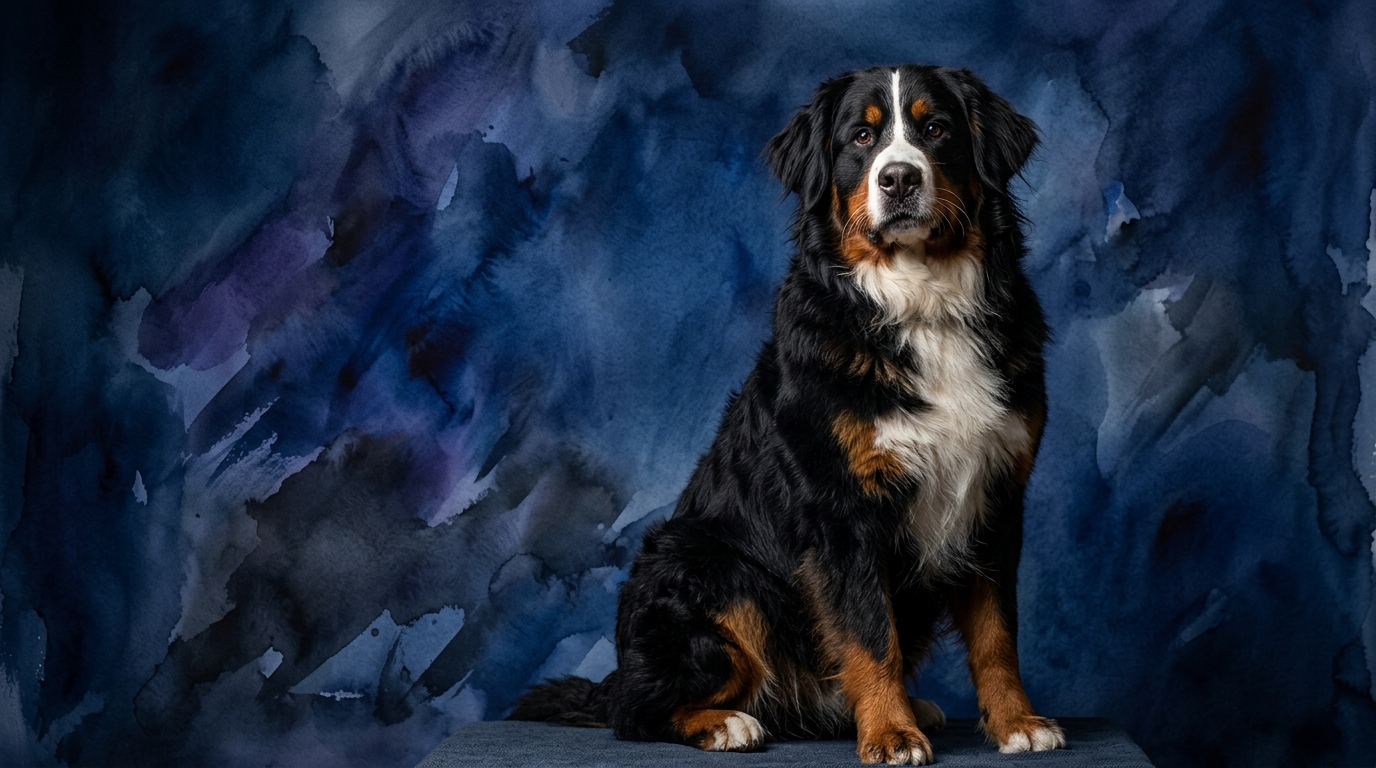
The Bernese Mountain Dog, a robust working breed, presents a cognitive profile shaped by its history as a farm dog. Our Pet IQ Lab data assigns them a Problem Solving score of 3/5, indicating an ability to navigate moderately complex challenges, though they may not always be the first to innovate. Their Training Speed is rated 4/5, reflecting a readiness to learn and acquire commands with consistency. Where they truly stand out is in Social Intelligence, scoring an impressive 5/5, showcasing an exceptional attunement to human emotions and intentions, fostering deep, cooperative bonds. Their Instinctive Drive is 4/5, manifesting as a strong desire to participate in tasks and exhibit protective behaviors, while Memory is 3/5, suggesting a reliable retention of learned information over time.
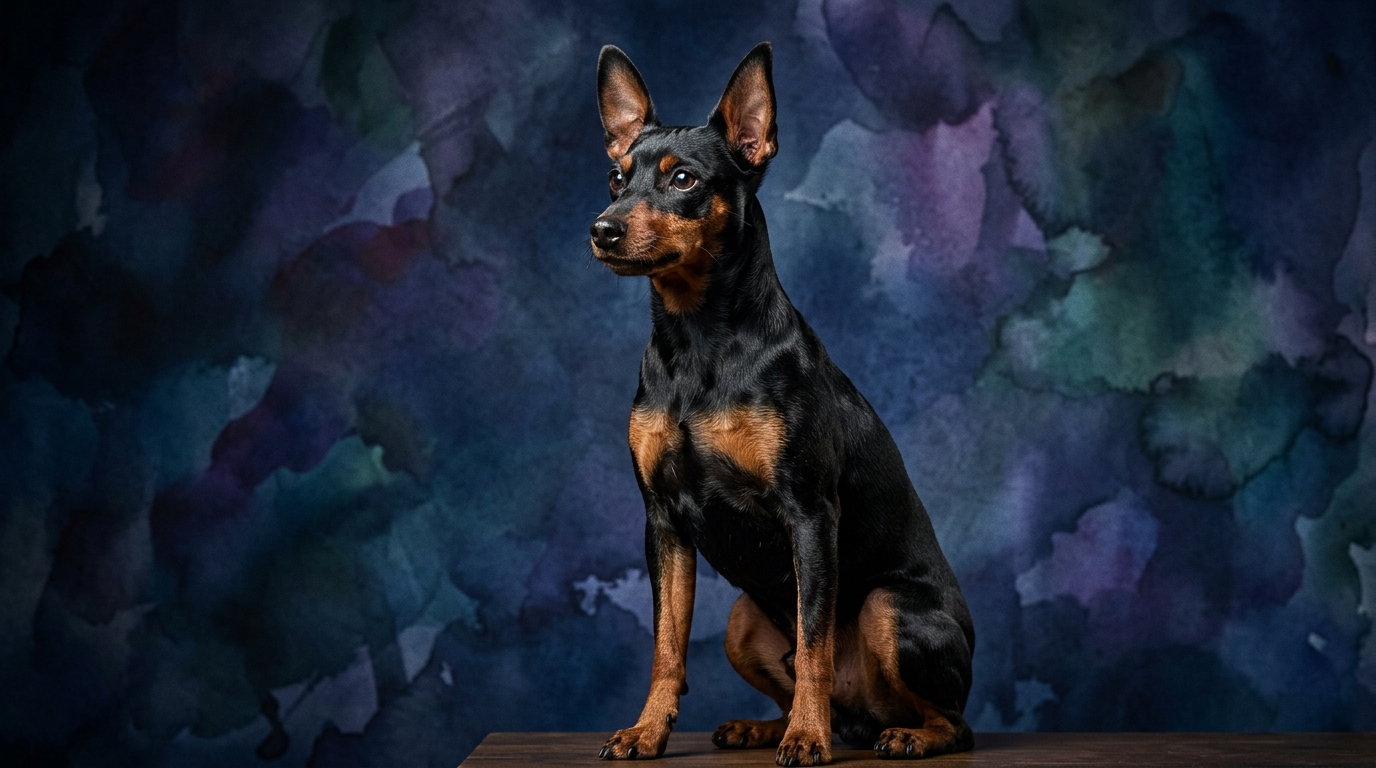
In contrast, the Miniature Pinscher, a compact toy breed, displays a distinct set of cognitive strengths. Their Problem Solving ability matches the Bernese at 3/5, indicating an independent capacity to figure out situations, albeit perhaps with less inclination towards collaborative solutions. Training Speed for the Min Pin is 3/5, meaning they learn at a moderate pace, often requiring consistent, engaging motivation. Their Social Intelligence is rated 3/5, indicating they engage with humans but often maintain a degree of independence, acting more as watchful companions than deeply empathetic partners. The Min Pin's Instinctive Drive is also 3/5, rooted in a strong prey drive and territoriality from its historical role as a ratter. Memory for the Miniature Pinscher is 3/5, signifying they remember commands and experiences, but their independent spirit might sometimes lead them to prioritize new stimuli.
Where the Bernese Mountain Dog Excels Cognitively
The Bernese Mountain Dog’s cognitive strengths are most apparent in their exceptional social intelligence and cooperative learning aptitude. Their 5/5 Social Intelligence means they possess an innate capacity for empathy and connection, making them remarkably responsive to human direction and subtle cues. This allows for nuanced communication and cultivates a highly cooperative learning environment where they actively seek to understand and please their human companions. This deep social awareness translates into a dog that not only learns commands but often anticipates needs and reacts appropriately to emotional shifts within their family unit.
Furthermore, their 4/5 Training Speed, combined with their instinctive drive to work, positions them as eager and capable students. This natural inclination to participate in tasks, a remnant of their heritage as farm dogs, translates into a higher readiness to engage in training sessions. They often find purpose in learning complex sequential commands and enjoy the mental stimulation that structured training provides, making them adept at mastering various canine disciplines and integrating smoothly into family routines.
Where the Miniature Pinscher Shines Cognitively
While the Miniature Pinscher’s scores might appear lower in some areas, their cognitive profile shines in its independent spirit and keen vigilance. Their 3/5 Problem Solving ability suggests a capacity for autonomous thought and ingenuity, valuable for navigating their environment and devising solutions without constant human input. This self-reliance means they are often quick to assess situations and can be quite resourceful in their decision-making, a trait that contributes to their confident and sometimes feisty demeanor.
Moreover, their 3/5 Instinctive Drive, rooted deeply in their ratting heritage, manifests as keen alertness and a highly vigilant nature. This makes them excellent, self-appointed guardians who are quick to perceive changes in their surroundings and react appropriately with a sharp bark or a determined chase. This specific drive, while different from a working dog's cooperative instinct, is a significant cognitive asset for their role as a watchful companion, demonstrating a focused awareness of their territory and its security.
Training Ease: Bernese Mountain Dog vs. Miniature Pinscher
When it comes to training, the Bernese Mountain Dog generally presents a more straightforward experience for most owners. Their 4/5 Training Speed, coupled with their outstanding 5/5 Social Intelligence, means they are eager to please and actively seek to understand human cues. They respond exceptionally well to positive reinforcement, often picking up new commands quickly and reliably. Their inherent working dog instincts also mean they often find purpose and satisfaction in learning tasks, leading to a cooperative and engaged training partner. This combination makes them relatively easy to guide through obedience, house-training, and more advanced skills.
The Miniature Pinscher, with a 3/5 Training Speed and 3/5 Social Intelligence, along with an Instinctive Drive that leans towards independence, can present more of a challenge. Their tendency to be self-sufficient and sometimes exhibit a stubborn streak means training requires significant patience, consistency, and creativity. Owners need to make training engaging and fun, recognizing that the Min Pin’s inherent drive to explore, assert their territory, and chase small prey might sometimes override a desire to comply with commands. While capable of learning, their independent nature means owners must be prepared for a more persistent and nuanced approach to achieve desired behaviors, often needing to reinforce lessons more frequently.
Lifestyle Match: Active vs. Relaxed Owners
The Bernese Mountain Dog is an ideal match for owners who desire a deeply social, cooperative companion eager to be involved in virtually every aspect of family life and mentally stimulating activities. Their strong social intelligence means they thrive on constant interaction and can become distressed if isolated, making them perfect for active families or individuals who enjoy regular engagement, outdoor adventures, and even canine sports. They excel when given a 'job,' whether it's carrying a pack on a hike or participating in obedience trials, and require owners who can provide consistent mental and social stimulation to keep their curious minds engaged.
The Miniature Pinscher, on the other hand, suits owners who appreciate a confident, spirited companion with a watchful nature. While they enjoy interaction and affection, their independent streak and territorial instincts mean they can be content with a balance of closeness and personal space. They thrive with owners who provide consistent structure, engage them in mentally stimulating games that tap into their prey drive, and appreciate a dog that is alert and discerning about its surroundings. They are well-suited for owners who might prefer a more self-reliant but still affectionate presence, and who can provide outlets for their energetic, inquisitive nature, even in smaller living environments.
The Verdict
Choose the Bernese Mountain Dog for a deeply empathetic, highly trainable companion eager to share in family activities and engage in cooperative tasks, thriving on strong social bonds.
Opt for the Miniature Pinscher if you seek a spirited, vigilant companion offering independent charm and alertness, well-suited to owners who appreciate a confident personality and consistent, engaging training.
🧠 Find Your Pet's IQ Score
Our Pet IQ Lab assessment covers 25+ tests across 5 cognitive dimensions — personalized to your breed.
Take the Full IQ Test →Frequently Asked Questions
Are Bernese Mountain Dogs hard to train?
No, Bernese Mountain Dogs are generally considered eager learners with a training speed of 4/5 and exceptional social intelligence (5/5). They respond well to positive reinforcement and typically enjoy engaging in training sessions, making them relatively straightforward to teach.
Do Miniature Pinschers have good memory?
Miniature Pinschers exhibit a memory rating of 3/5, meaning they retain learned commands and experiences adequately. While they can remember tasks, their independent nature might sometimes lead them to prioritize new stimuli over previously learned behaviors if not consistently reinforced.
Which breed is better with children from an intelligence perspective?
The Bernese Mountain Dog, with its 5/5 social intelligence, often displays a more intuitive understanding of human cues and a patient disposition, making them naturally attuned to family dynamics and gentle interactions with children. The Miniature Pinscher's 3/5 social intelligence means they can be good with children, but their independent and sometimes watchful nature requires careful socialization and supervision to ensure positive interactions.