Side-by-Side IQ Profile: Bernese Mountain Dog vs. Norwegian Elkhound
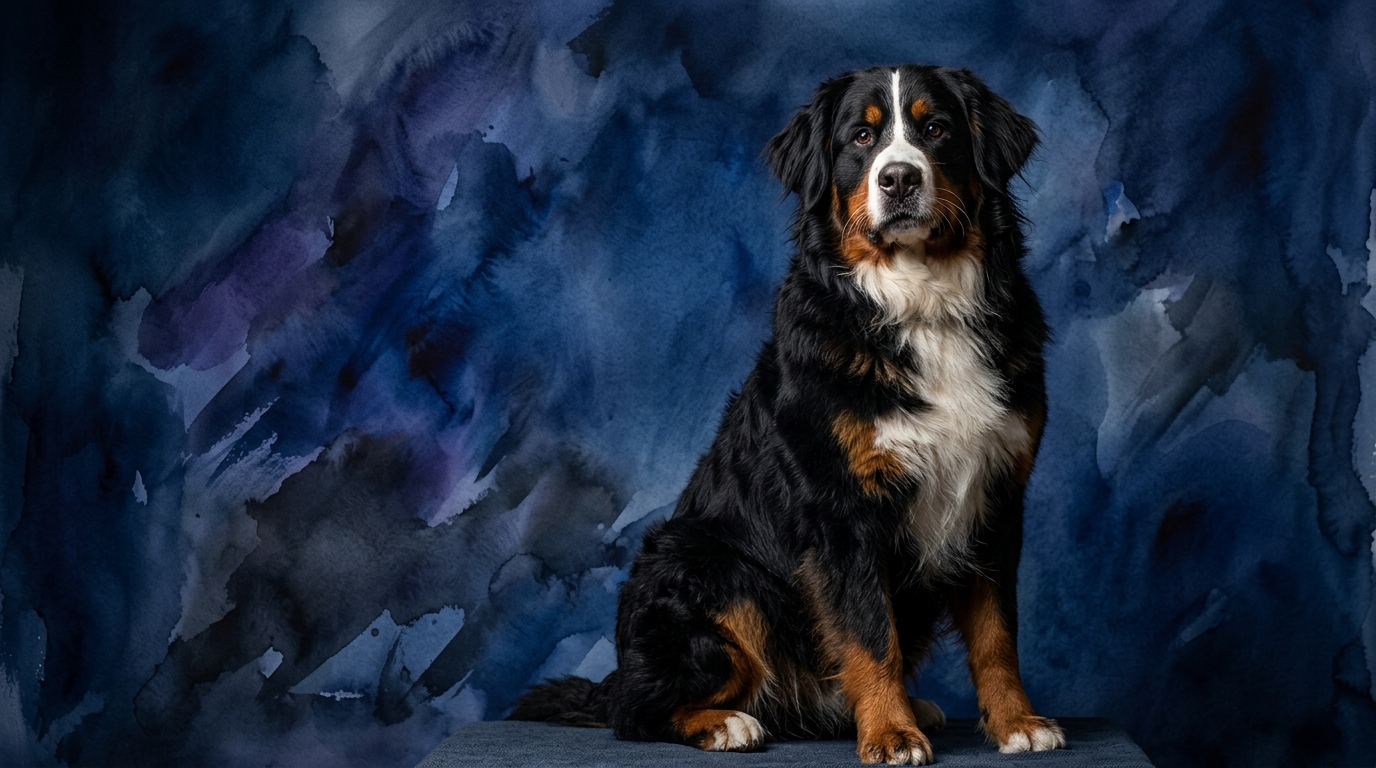
The Bernese Mountain Dog holds a Coren rank of #27, placing them solidly within the 'working dog' category regarding their capacity for understanding and obedience, demonstrating a reliable aptitude for learning. Their problem-solving ability, rated at 3/5, indicates a steady approach to novel situations; they often rely on learned cues or seek direction from their handlers rather than extensive independent experimentation. Training speed is a strong suit for the Bernese, at 4/5, reflecting their impressive ability to absorb new commands and routines, driven by a keen desire for cooperative engagement. Social intelligence is where the Bernese truly shines with a perfect 5/5, showcasing exceptional emotional attunement to human moods and an intricate understanding of social dynamics within their family unit. An instinctive drive of 4/5 highlights their historical role in working alongside humans, motivated by purpose and cooperation in tasks like carting or guarding, rather than solitary pursuits. Their memory, at 3/5, is sufficient for retaining essential commands and daily routines, though their recall for complex, isolated events might not be as pronounced as some other breeds.
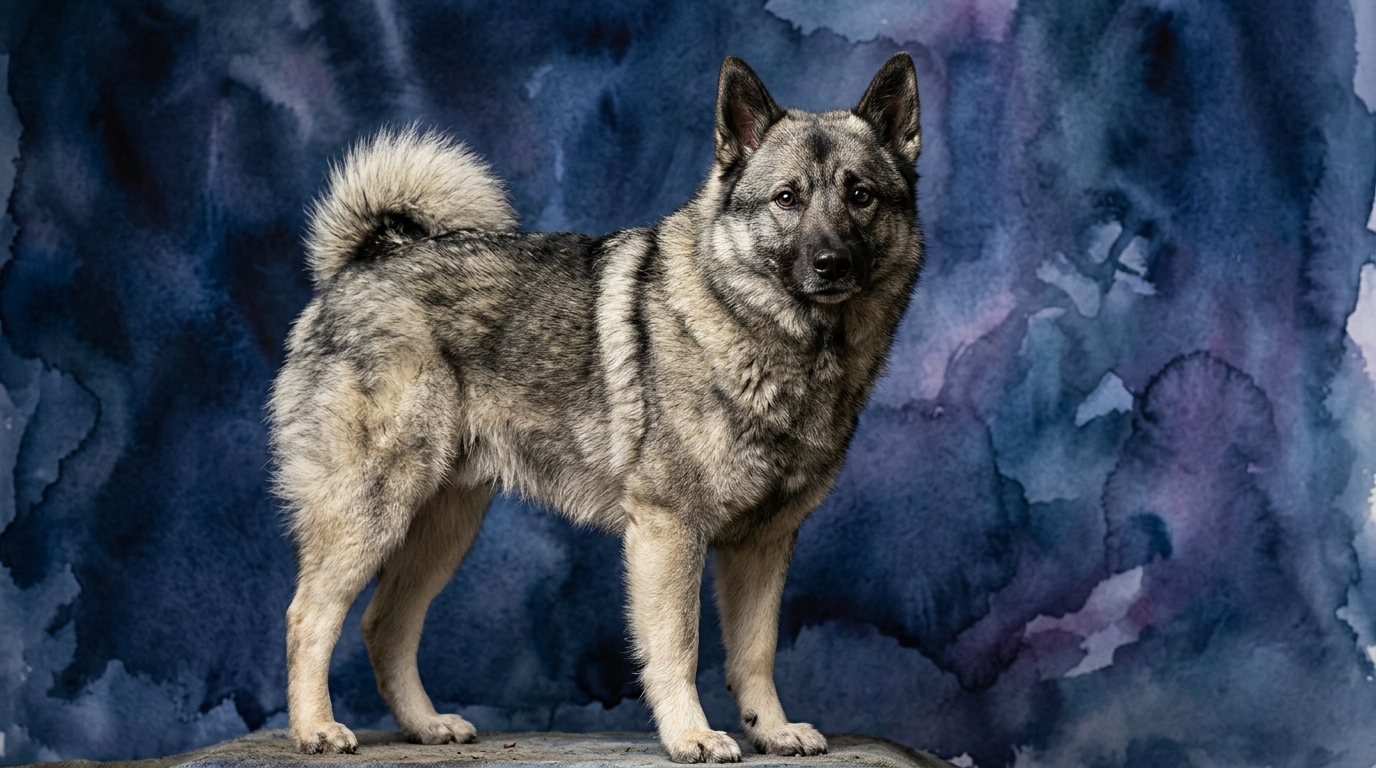
The Norwegian Elkhound, with a Coren rank of #36, is a capable breed, though their learning style often requires consistent motivation and clear communication to solidify new concepts effectively. Problem-solving is a strong point for the Elkhound, rated 4/5, demonstrating a keen aptitude for independent thought and resourcefulness in figuring out solutions to environmental challenges, a trait honed by their hunting heritage. Their training speed also stands at 4/5, indicating they learn quickly when engaged, though their independent nature means training success hinges on consistent motivation and clear, persuasive instruction. Social intelligence for the Elkhound is 3/5; while affectionate with their families, their social awareness leans more towards practical communication rather than deep emotional mirroring, reflecting their historical role as self-reliant hunters. An instinctive drive of 3/5 suggests their primary motivation is often self-directed, rooted in scenting, tracking, and independent pursuit, rather than an inherent need for constant human partnership in tasks. Their memory, rated 4/5, is robust, particularly for locations, scents, and successful strategies, which was crucial for their historical role in tracking and navigating vast hunting grounds.
Where the Bernese Mountain Dog Wins Cognitively
The Bernese Mountain Dog's unparalleled social intelligence, rated 5/5, stands out as a significant cognitive advantage. This breed possesses an exceptional ability to read and respond to human emotions and social cues, often anticipating a handler's needs or offering comfort without explicit commands. Their empathetic nature allows them to integrate deeply into the human family structure, making them profoundly responsive to the nuances of social interaction and connection.
Coupled with a strong training speed of 4/5, this high social intelligence makes Bernese Mountain Dogs particularly adept at cooperative learning. They thrive on working *with* their people, finding motivation in shared tasks and positive reinforcement, rather than simply completing an action for a reward. This makes them exceptionally receptive to guidance, eager to engage in structured activities, and less prone to independent decision-making during collaborative efforts, valuing the partnership above all.
Where the Norwegian Elkhound Wins Cognitively
The Norwegian Elkhound excels with a problem-solving rating of 4/5, a trait deeply rooted in their history as independent hunters. This breed demonstrates a significant capacity for figuring out novel solutions to environmental puzzles, whether it's opening a complex gate, accessing a cleverly hidden treat, or devising unique ways to entertain themselves. Their resourceful, self-reliant intellect means they are adept at navigating challenges and adapting strategies on their own initiative.
Furthermore, the Elkhound's robust memory, rated 4/5, provides a distinct cognitive edge, especially concerning spatial and procedural recall. This isn't merely about remembering commands but encompasses a strong capacity for recalling routes, scent trails, and successful past strategies, which was essential for tracking quarry over vast and varied landscapes. Their ability to retain detailed environmental information allows them to navigate familiar territories with precision and learn from past experiences effectively.
Which is Easier to Train and Why
When comparing ease of training, the Bernese Mountain Dog generally presents a more straightforward experience due to their superior social intelligence (5/5) and inherent desire to please and cooperate. While both breeds share a training speed of 4/5, the Bernese's strong inclination to work *with* their human companions makes them more compliant and less likely to challenge directives. They are highly motivated by positive interaction and the strengthening of their bond, readily absorbing new commands and routines because they value the shared activity and human connection above all else. A Bernese often perceives training as a joint venture, fostering an eager receptiveness to instruction.
Conversely, the Norwegian Elkhound, despite their 4/5 training speed, can pose more nuanced training challenges due to their independent nature and a lower social intelligence rating (3/5). Elkhounds learn quickly, but their problem-solving prowess means they often require more compelling motivation and a clear understanding of the benefit to themselves. They might attempt to find loopholes or alternative solutions if a command isn't presented with unwavering consistency or doesn't align with their own perceived best interest. Training an Elkhound demands significant patience, unwavering consistency, and a deep appreciation for their independent, often self-directed, thought processes. They are not inherently disobedient but are more inclined to make their own choices if the human directive isn't sufficiently persuasive or engaging.
Which Suits Active Owners vs. Relaxed Owners
For owners who lean towards a more relaxed pace with opportunities for moderate activity, the Bernese Mountain Dog is often an ideal fit. While they possess an instinctive drive of 4/5, this drive is typically satisfied through companionship, structured obedience, or activities like carting, rather than continuous high-intensity exertion. Bernese Mountain Dogs genuinely enjoy leisurely walks, engaging in outdoor family time, and participating in shared activities, but are equally content to lounge calmly beside their people. Their exceptional social intelligence means they thrive on human presence and interaction, finding contentment in connection rather than a constant need for strenuous physical output. An owner who values consistent, gentle engagement and moderate outdoor adventures will find a Bernese a devoted and harmonious companion.
In contrast, the Norwegian Elkhound is better suited for active owners who can provide consistent mental and physical stimulation. Despite an instinctive drive of 3/5, this manifests as a persistent need for engagement, often self-directed, stemming from their history as independent hunters. Elkhounds require regular, vigorous exercise that actively engages their keen senses and allows them to explore their environment. Activities such as long hikes, scent work, agility training, or other challenges that tap into their intellect and physical stamina are highly beneficial. An owner who embraces an active outdoor lifestyle, is prepared to provide consistent mental enrichment, and understands a dog with a strong prey drive will discover a spirited, capable, and rewarding partnership with an Elkhound.
The Verdict
If you seek an emotionally attuned, cooperative companion eager to work alongside you and integrate deeply into family life, the Bernese Mountain Dog's social intelligence and agreeable nature will be a perfect match.
For owners who appreciate an independent, resourceful thinker with a robust memory and a need for engaging physical and mental challenges, the Norwegian Elkhound offers a spirited and capable partnership.
🧠 Find Your Pet's IQ Score
Our Pet IQ Lab assessment covers 25+ tests across 5 cognitive dimensions — personalized to your breed.
Take the Full IQ Test →Frequently Asked Questions
Are Bernese Mountain Dogs good at adapting to new environments?
With their high social intelligence, Bernese Mountain Dogs generally adapt well to new environments when accompanied by their trusted humans. Their comfort is often tied to the presence and reassurance of their family, making transitions smoother and less stressful for the dog.
Do Norwegian Elkhounds tend to wander off due to their instinctive drive?
Norwegian Elkhounds possess a strong prey drive and problem-solving skills, meaning they are quite prone to following interesting scents if not securely contained or supervised. Consistent recall training and robust, secure fencing are absolutely essential for this independent and scent-driven breed to prevent wandering.
Which breed is more likely to learn complex tricks or routines?
Both breeds have a 4/5 training speed, but the Bernese Mountain Dog's superior social intelligence and desire to please might make them more enthusiastic and consistent in learning complex routines involving cooperation. The Norwegian Elkhound, while certainly capable, might require more creative motivation to engage in tasks that don't immediately align with their independent drives or perceived benefit.