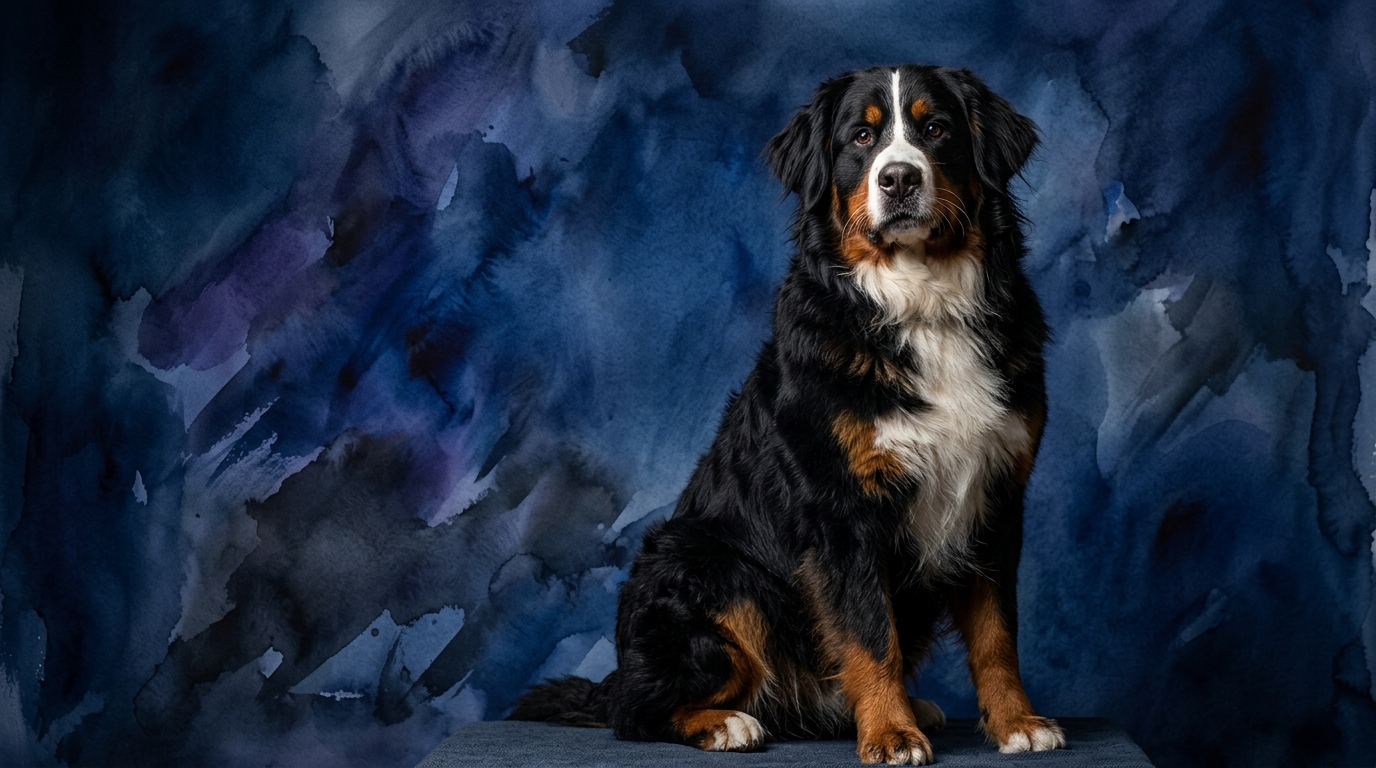
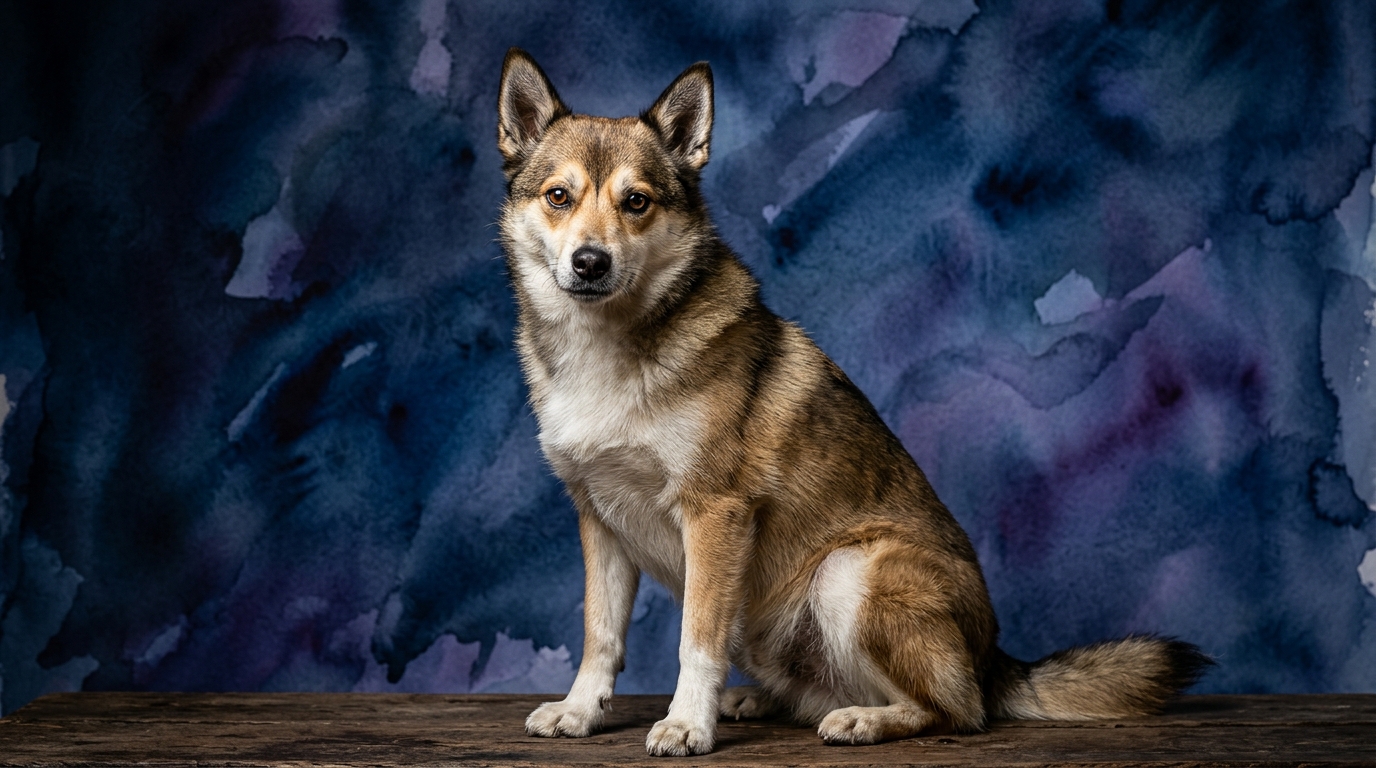
Side-by-side IQ Profile
The Bernese Mountain Dog, a Working breed from the Swiss Alps, is recognized by Coren at rank #27 for command understanding. Our IQ assessment places their Problem Solving at 3/5, indicating they handle moderately complex challenges but might not independently devise intricate solutions. Training Speed is a commendable 4/5, meaning they grasp new commands relatively quickly, often eager to please. Social Intelligence shines at 5/5, reflecting their strong bond with humans and ability to interpret social cues, essential for their historical role as farm dogs and companions. Instinctive Drive is 4/5, tied to their herding and drafting heritage, showing a natural inclination towards purpose-driven tasks. Memory stands at 3/5, indicating decent retention of learned behaviors.
The Norwegian Lundehund, a Non-Sporting breed from Norway's Lofoten Islands, uniquely adapted for puffin hunting, lacks a Coren ranking. Their Problem Solving is rated 3/5, suggesting they tackle practical issues but might rely more on innate behaviors than abstract reasoning. Training Speed is 3/5; they learn at a steady pace but may require more repetition and motivation. Social Intelligence is 3/5, indicating they form bonds but might be more independent or reserved, a trait fostered by their solitary hunting methods. Instinctive Drive is 3/5, primarily focused on their unique hunting instincts. Memory is 3/5, providing functional recall for daily routines.
Where Bernese Mountain Dog Wins Cognitively
The Bernese Mountain Dog demonstrates clear cognitive advantages, particularly in areas benefiting from human-canine partnership. Their Social Intelligence score of 5/5 is a standout, indicating an exceptional ability to read and respond to human emotions and intentions. This deep social understanding translates into intuitive companionship, making them highly attuned to their family's moods and capable of offering comfort. Coupled with a Training Speed of 4/5, this breed excels in cooperative learning, readily picking up complex routines and responding to nuanced cues. Their instinctive drive, rated 4/5, is geared towards working alongside humans, whether pulling carts or being a vigilant presence. This drive, combined with their social acumen, means they are often more compliant and eager to engage in structured activities, making them adept at various dog sports and service roles where consistent human interaction is key.
Where Norwegian Lundehund Wins Cognitively
While the Norwegian Lundehund may not boast the same social reciprocity or rapid command acquisition, their cognitive strengths lie in specialized, independent problem-solving rooted in their unique heritage. Their Problem Solving score of 3/5, while numerically similar to the Bernese, manifests differently. Lundehunds historically navigated treacherous cliffs and tight crevices to hunt puffins, requiring exceptional agility, body awareness, and the ability to independently assess and overcome physical obstacles. This isn't about solving human-devised puzzles but about navigating a complex, dynamic environment with little human guidance. Their instinctive drive (3/5) is highly specialized, driving them to explore, climb, and burrow, reflecting their historical hunting methods. Their independent nature, reflected in their 3/5 social intelligence, means they are self-sufficient explorers less reliant on constant human direction.
Which is Easier to Train and Why
Based on The Cosmic Pet Pet IQ Lab metrics, the Bernese Mountain Dog is generally easier to train. The Bernese boasts a Training Speed of 4/5 and Social Intelligence of 5/5, critical factors for successful training. Their strong desire to please and deep connection with human partners means they are highly motivated by praise and positive reinforcement, quickly forming associations. Their cooperative nature, stemming from their working background, makes them receptive to instruction and consistent. In contrast, the Norwegian Lundehund has a Training Speed of 3/5 and Social Intelligence of 3/5. While not untrainable, they can be more independent and less outwardly eager to comply. Their historical role required self-reliance, leading to a personality that might require more patience, creativity, and a consistent, reward-based approach.
Which Suits Active Owners vs. Relaxed Owners
The choice for active versus relaxed owners depends on the type of activity. The Bernese Mountain Dog, with a 4/5 instinctive drive, thrives with moderately active owners who enjoy structured outdoor adventures. They benefit from daily walks, hiking, and activities engaging both body and mind, like obedience or drafting. Their strong social intelligence means they enjoy being included in family activities and are content to relax after exercise. They are excellent companions for active families appreciating a loyal, cooperative partner. The Norwegian Lundehund requires a different kind of activity due to its unique heritage. Their 3/5 instinctive drive is geared towards exploration, climbing, and burrowing. They suit active owners who enjoy unique outdoor pursuits like agility or dog parkour, where their physical dexterity and problem-solving can shine. They need mental stimulation and opportunities to satisfy innate curiosity.
The Verdict
Choose the Bernese Mountain Dog for a highly social, cooperative companion eager to learn and participate in family life, excelling in structured training and offering intuitive emotional support.
Opt for the Norwegian Lundehund if you appreciate an independent, curious explorer with unique physical abilities, thriving on varied outdoor adventures and specialized mental challenges.
🧠 Find Your Pet's IQ Score
Our Pet IQ Lab assessment covers 25+ tests across 5 cognitive dimensions — personalized to your breed.
Take the Full IQ Test →Frequently Asked Questions
Are Bernese Mountain Dogs good with children?
Yes, Bernese Mountain Dogs typically exhibit a high social intelligence (5/5) and a gentle temperament, making them generally excellent companions for children when properly socialized and trained. Their patient and loyal nature helps them integrate well into family dynamics, often forming strong, protective bonds.
Do Norwegian Lundehunds bark a lot?
Norwegian Lundehunds are known for being quite vocal, often using a variety of barks, yips, and howls to communicate, a trait possibly linked to their independent hunting background. While not excessive for all individuals, their inclination to vocalize can be managed with consistent training and sufficient mental and physical stimulation.
What kind of mental stimulation do these breeds need?
The Bernese Mountain Dog benefits from cooperative tasks like obedience, trick training, and puzzle toys that engage their desire to work with humans. The Norwegian Lundehund thrives on activities that allow independent exploration, climbing, and scent work, such as structured agility courses or foraging games, to satisfy their specific hunting instincts.