Side-by-Side Cognitive Profiles
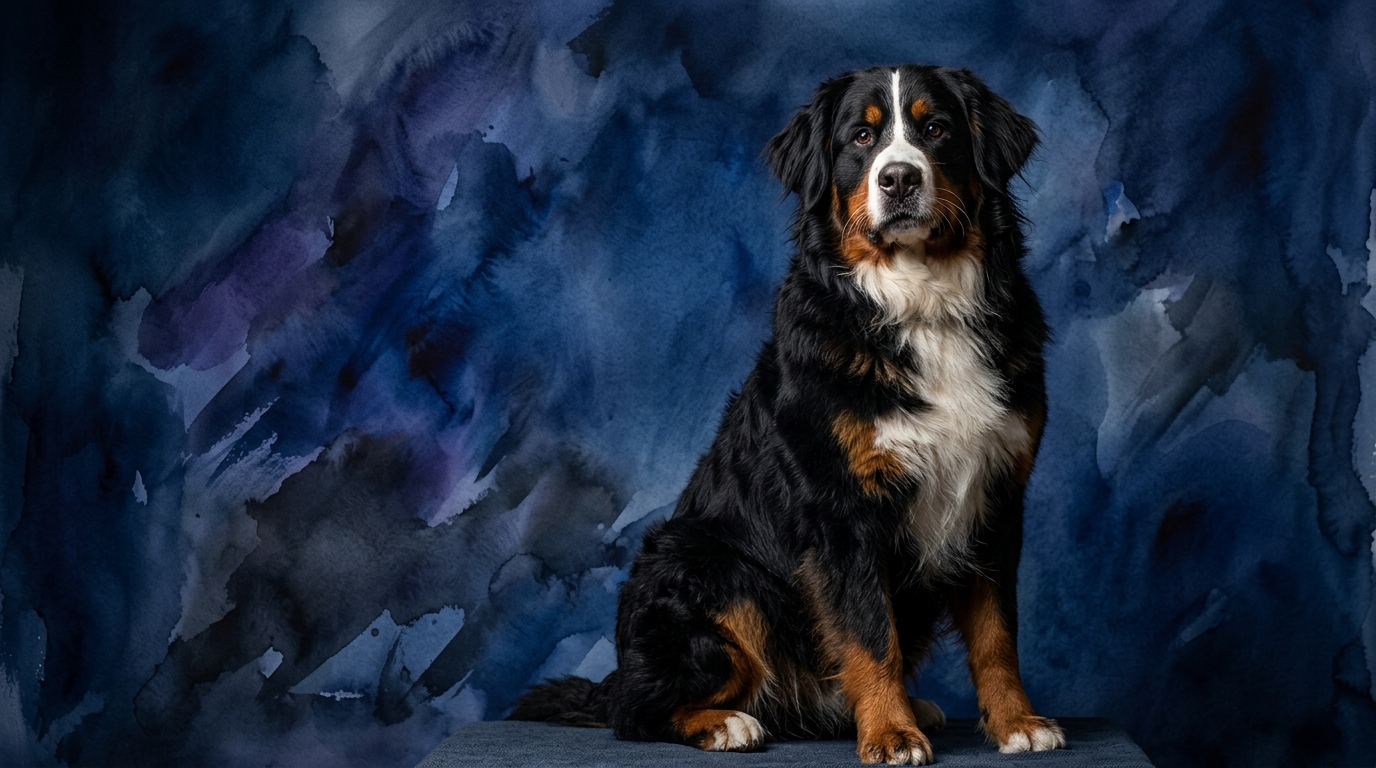
The Bernese Mountain Dog, a robust member of the Working group, presents a distinctive cognitive blueprint. Our Pet IQ Lab assessment rates their Problem Solving at 3/5, indicating a practical and situationally aware approach to challenges. Their Training Speed is an impressive 4/5, suggesting a readiness to learn and respond to guidance. Where the Bernese truly shines is in Social Intelligence, scoring a remarkable 5/5, reflecting a strong desire for companionship and cooperation. Their Instinctive Drive is rated 4/5, pointing to a breed with a clear purpose and motivation, while their Memory stands at 3/5, offering reliable recall for practical tasks.
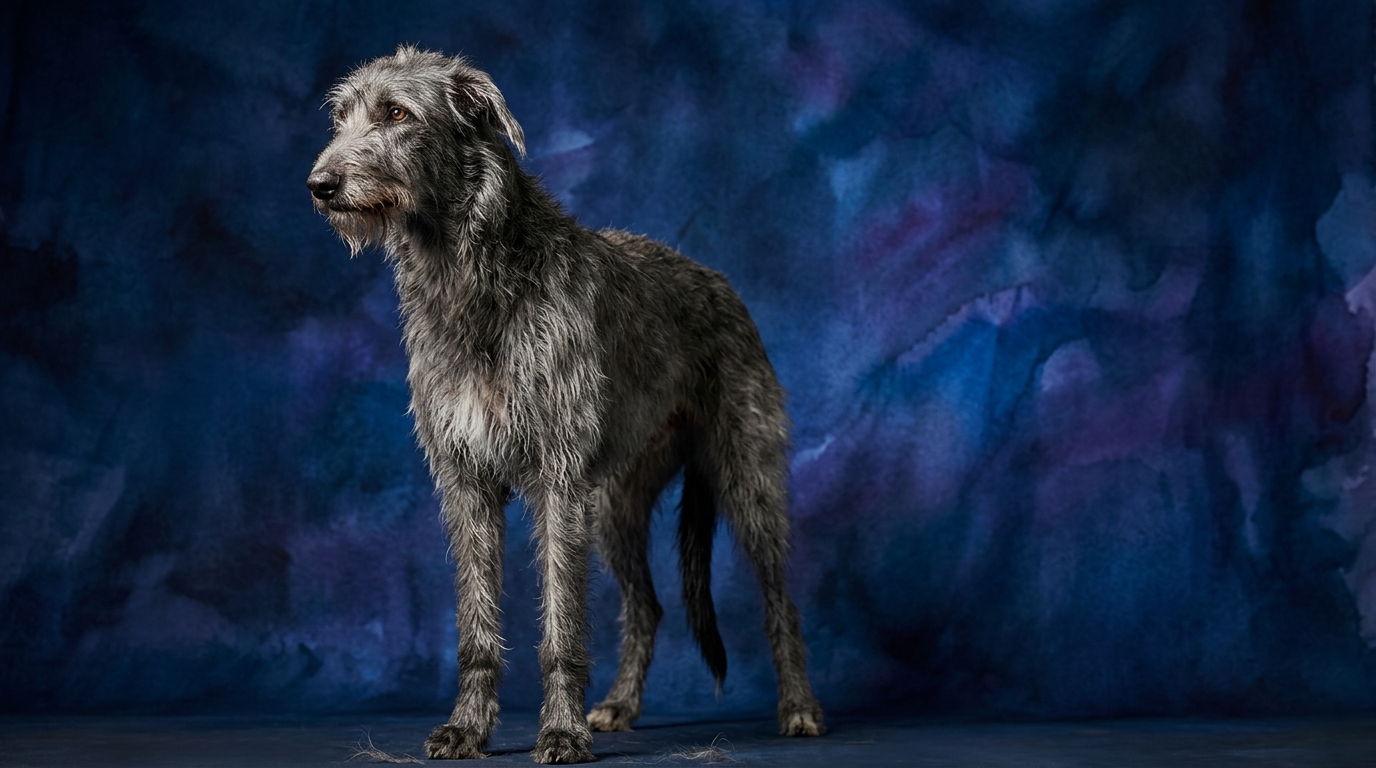
In contrast, the Scottish Deerhound, a majestic Hound, exhibits a different set of mental strengths. Their Problem Solving capability is also rated 3/5, but this often manifests as independent decision-making, particularly when pursuing a distant target. Their Training Speed is 3/5, indicating that while capable of learning, they often require more patient, consistent methods tailored to their nature. Social Intelligence for the Deerhound is 3/5, suggesting a more reserved and discerning approach to interactions. Their Instinctive Drive is 3/5, primarily focused on the chase, and their Memory is 3/5, reliable for their sighthound pursuits but perhaps less focused on intricate command sequences.
Where the Bernese Mountain Dog Excels Cognitively
The Bernese Mountain Dog's cognitive strengths are deeply rooted in their history as farm dogs, requiring close partnership with humans. Their exceptional Social Intelligence (5/5) means they are highly attuned to human emotions and intentions, making them natural companions and eager participants in family life. This strong social drive translates into a greater willingness to collaborate, understanding nuanced cues and seeking to please their people. This cooperative spirit is a significant cognitive advantage in environments where partnership is key.
Furthermore, their higher Training Speed (4/5) compared to the Deerhound's 3/5 signifies a greater receptiveness to formal instruction and a faster acquisition of new behaviors. This isn't just about obedience; it reflects a mind that processes and applies learned information efficiently, especially when motivated by social interaction and positive reinforcement. Their robust Instinctive Drive (4/5) is often channeled into tasks that benefit their human companions, such as drafting or carrying, demonstrating a purposeful application of their cognitive energy rather than solely independent pursuits.
Where the Scottish Deerhound's Mind Shines
While the Scottish Deerhound's scores might appear lower in some metrics, their cognitive profile is perfectly adapted for their ancestral role as a sighthound. Their Problem Solving (3/5) is not geared towards complex puzzles but rather towards independent strategic thinking in open, expansive environments. This involves quickly assessing distances, terrain, and the movements of a distant object, making split-second decisions without human direction. This form of practical, independent problem-solving is a hallmark of their intelligence.
The Deerhound's moderate Instinctive Drive (3/5) is precisely calibrated for the chase: intense when a target is sighted, but allowing for periods of calm and observation. This specialized drive, combined with their keen visual acuity, represents a unique cognitive strength in pattern recognition and rapid response over vast distances. Their Social Intelligence (3/5), while not as effusive as a Bernese, allows for a dignified and discerning companionship. They form deep bonds but often express affection with a quiet grace, preferring observation over constant engagement, which can be a preferred trait for owners seeking a more independent companion.
Ease of Training: A Tale of Two Temperaments
Training a Bernese Mountain Dog generally presents a more straightforward and rewarding experience for most owners. Their high Social Intelligence (5/5) means they are inherently motivated to engage with and please their human partners. This, combined with their 4/5 Training Speed, allows them to pick up commands and routines with relative ease, responding well to positive reinforcement and consistent methods. They thrive on having a 'job' and interacting cooperatively, making them highly trainable for various disciplines from obedience to therapy work.
The Scottish Deerhound, with a Training Speed of 3/5 and Social Intelligence of 3/5, requires a different approach. Their independent nature, a characteristic of many sighthounds, means they aren't always driven by the same desire to please as a Bernese. Training a Deerhound demands patience, creativity, and a deep understanding of their prey drive and often reserved demeanor. Motivation often needs to be high-value, and sessions should be engaging and short to hold their attention. While capable of learning, their responsiveness can be more selective, especially if they perceive a more interesting scent or sight in the distance.
Matching Canine Minds to Lifestyles
For owners with an active yet balanced lifestyle, the Bernese Mountain Dog often makes an excellent fit. They require consistent daily exercise, enjoying walks and outdoor adventures, but also deeply value time spent relaxing with their family indoors. Their strong social intelligence means they thrive on inclusion and active participation in family activities, whether it's a stroll in the park or simply being present during household chores. They suit owners who appreciate a constant, devoted presence and are prepared for the mental engagement that comes with a cooperative breed.
The Scottish Deerhound, while appearing relaxed indoors, has specific needs that cater to a different kind of active owner. They require opportunities for vigorous, high-speed running in a secure, expansive area, allowing them to fully express their sighthound instincts. After these bursts of energy, they are content to be serene, often reserved companions, making them suitable for owners who appreciate a quiet, independent presence in the home. They are ideal for individuals who understand and can provide for their unique exercise requirements, rather than expecting a dog constantly seeking interaction or instruction.
The Verdict
Choose a Bernese Mountain Dog if you seek a highly cooperative, socially engaged companion eager to learn and integrate deeply into family life, thriving on partnership and purposeful interaction.
Opt for a Scottish Deerhound if you appreciate a dignified, independent companion with specialized exercise needs, whose intelligence shines in keen observation and swift, autonomous action.
🧠 Find Your Pet's IQ Score
Our Pet IQ Lab assessment covers 25+ tests across 5 cognitive dimensions — personalized to your breed.
Take the Full IQ Test →Frequently Asked Questions
Are Bernese Mountain Dogs good with children?
Yes, Bernese Mountain Dogs typically exhibit high social intelligence and a gentle disposition, making them generally patient and tolerant companions for children. Their robust build means they can withstand enthusiastic play, but supervision is always recommended with any dog and child.
Do Scottish Deerhounds require a lot of grooming?
Scottish Deerhounds have a shaggy, wiry coat that requires weekly brushing to remove loose hair and prevent matting. Occasional stripping or hand-plucking of dead hair is also beneficial to maintain coat texture and health, but they are not considered high-maintenance in terms of professional grooming.
What kind of environment is best for a Scottish Deerhound?
A Scottish Deerhound thrives in an environment where they have access to a large, securely fenced area for running and can then enjoy a comfortable, quiet indoor life. They are not ideal for small apartments unless their exercise needs are met daily with dedicated, safe off-leash running opportunities.