Side-by-Side Pet IQ Profile
The Cosmic Pet Pet IQ Lab employs a five-dimensional framework to assess canine intelligence, offering a nuanced look beyond simple obedience. Let's explore how the Bernese Mountain Dog and the Tibetan Mastiff stack up across these critical cognitive areas.
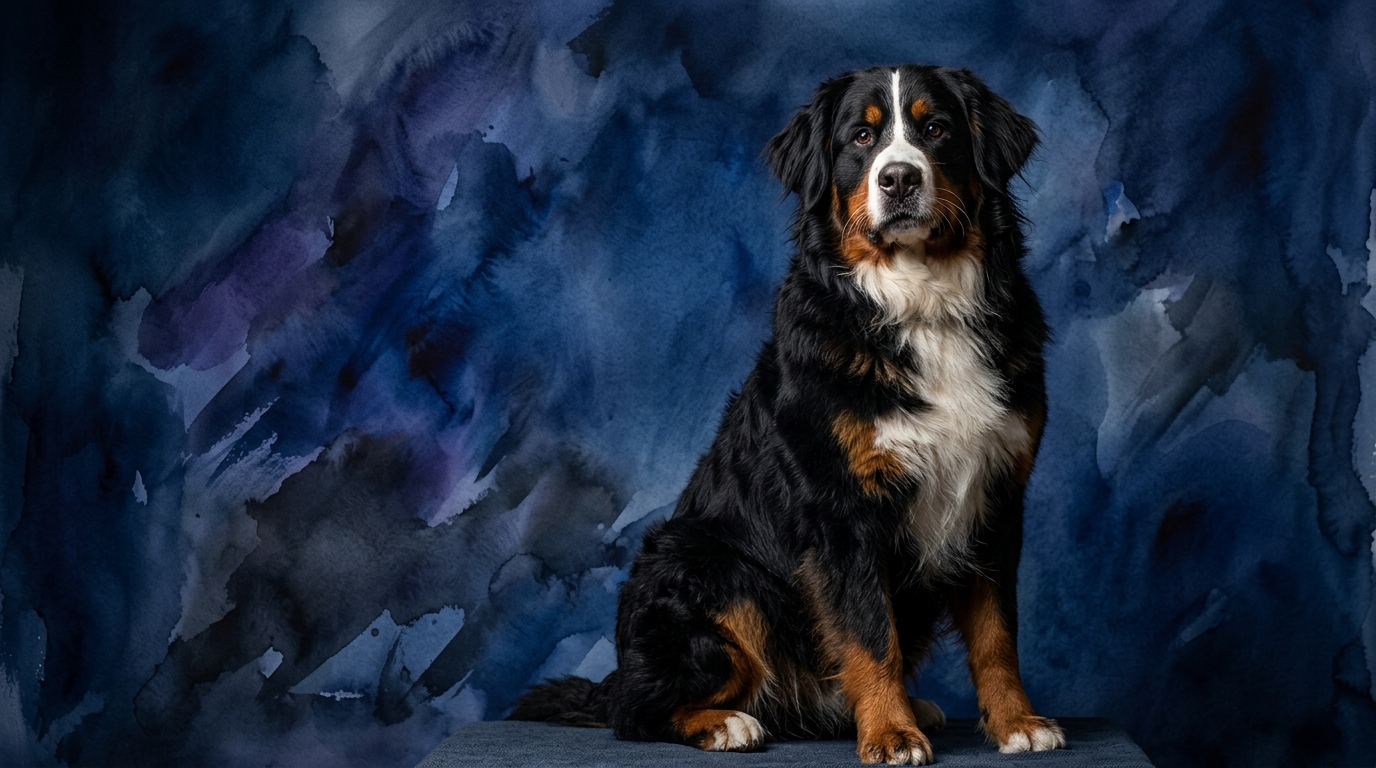
For the Bernese Mountain Dog, Coren-ranked #27, their profile reveals a balanced and cooperative intellect. Their problem-solving ability stands at 3/5, indicating a moderate capacity for independent thought when faced with novel situations. While they can navigate puzzles, complex issues often benefit from human guidance. Their training speed is notably high at 4/5; these dogs grasp new commands and routines with impressive efficiency, driven by their eagerness to please. Social intelligence is where the Bernese truly shines, scoring a perfect 5/5. They exhibit an exceptional understanding of human emotions, intentions, and subtle cues, making them incredibly empathetic and responsive companions. Their instinctive drive is strong at 4/5, reflecting their heritage in drafting and farm work, demonstrating a purposeful drive to engage in tasks alongside their human partners. Finally, their memory is rated 3/5, allowing for good retention of learned behaviors and past interactions, though intricate sequences might require consistent reinforcement.
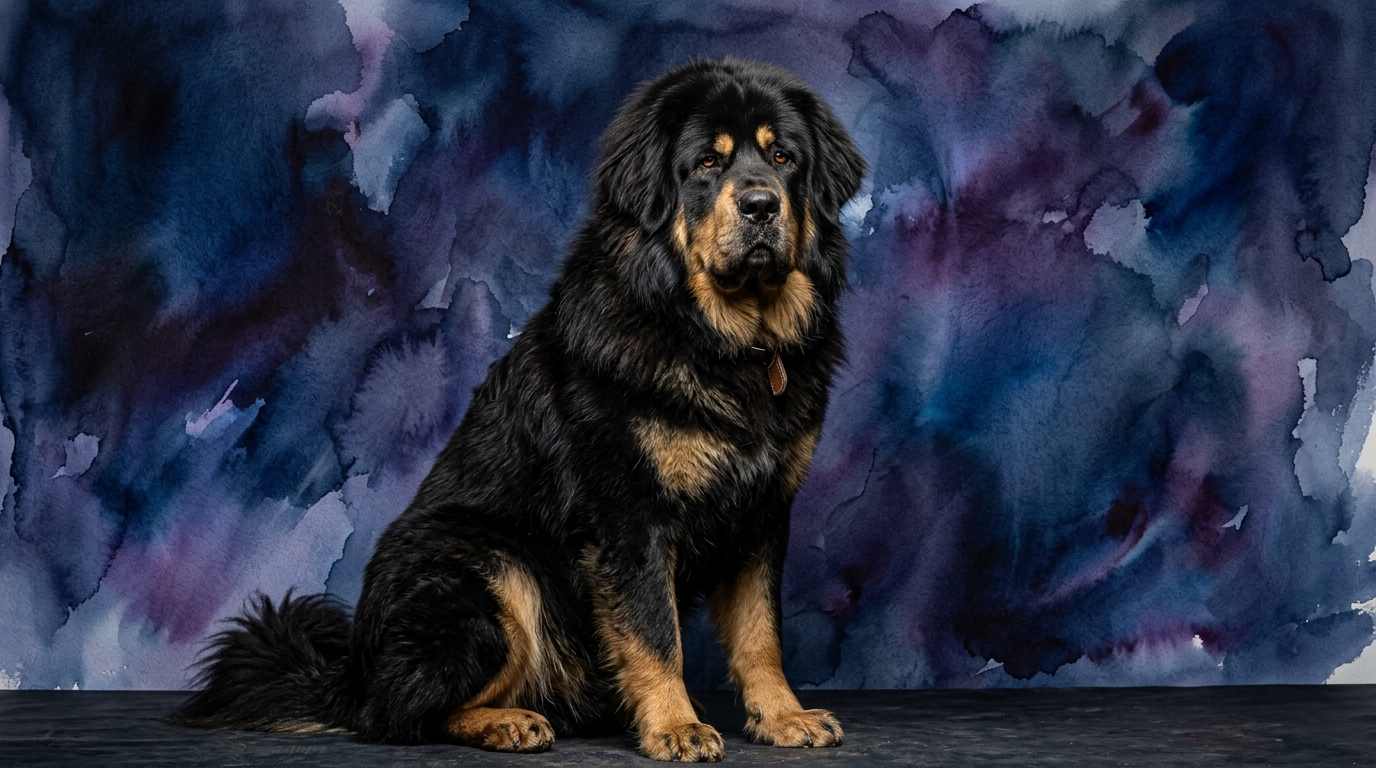
In contrast, the Tibetan Mastiff, while not Coren-ranked, presents a distinct cognitive blueprint shaped by centuries of independent guardianship. Their problem-solving capacity mirrors the Bernese at 3/5. This breed can assess situations and make independent decisions, particularly concerning their guardian duties, but may not show the same enthusiasm for abstract puzzles. Their training speed is rated 3/5, indicating a more deliberate learning pace. Tibetan Mastiffs are independent thinkers, meaning they process commands and expectations on their own terms, requiring patience and consistent, positive reinforcement. Their social intelligence is 3/5, a more reserved form of understanding primarily focused on their immediate family and territory. They are observant of their human pack but less overtly expressive or eager to please strangers, often displaying a stoic demeanor. The instinctive drive for the Tibetan Mastiff is 3/5, profoundly specialized around vigilance and protection. This deep-seated instinct translates into an innate protectiveness of their home and family, often overriding other motivations and making them highly effective, self-reliant sentinels. Their memory is also 3/5, robust for people, places, and established routines within their territory, especially pertaining to duties or perceived threats.
Where the Bernese Mountain Dog Wins Cognitively
The Bernese Mountain Dog demonstrates a clear cognitive advantage in areas demanding close partnership and emotional attunement. Their perfect 5/5 score in social intelligence means they possess an exceptional ability to read human emotions, intentions, and subtle cues, making them incredibly empathetic and responsive family members. This sophisticated understanding allows them to anticipate needs, offer comfort, and engage in deeply reciprocal interactions, fostering a profound bond that few breeds can match.
Furthermore, their superior training speed (4/5) is a significant cognitive asset. Bernese are quick studies, absorbing new commands and complex routines with relative ease. This responsiveness stems directly from their cooperative nature and a genuine desire to engage with their human companions. Their willingness to learn makes training sessions highly productive and enjoyable, enabling them to excel in activities requiring precise instruction and close partnership, such as obedience or rally.
Where the Tibetan Mastiff Wins Cognitively
The Tibetan Mastiff's cognitive strengths are profoundly rooted in its ancient purpose as a formidable, independent guardian. While their problem-solving score is 3/5, similar to the Bernese, their application of this skill is distinct and highly specialized. This breed excels at independently assessing their environment for potential threats, making autonomous decisions regarding their territory and family's safety without constant human direction. Their intelligence manifests not in eagerness to please, but in shrewd, self-reliant judgment crucial for their protective role.
Their instinctive drive (3/5) is also uniquely advantageous for their specific function. Unlike the Bernese's cooperative working drive, the Tibetan Mastiff's drive is almost entirely focused on vigilance and protection. This deep-seated instinct means they are constantly processing their surroundings for anomalies, acting as highly effective, self-reliant sentinels. Their memory, while rated 3/5, is particularly robust when it comes to remembering perceived threats, safe boundaries, and the individuals within their perceived 'flock,' reinforcing their guardian capabilities with long-term retention of critical information.
Which is Easier to Train and Why
Based on our Pet IQ Lab metrics, the Bernese Mountain Dog is distinctly easier to train. Their training speed of 4/5, coupled with a 5/5 social intelligence score, means they are not only quick to grasp new commands but are also deeply motivated by human interaction and approval. Bernese actively seek to understand and comply, making training sessions productive and enjoyable. Their cooperative nature means they often anticipate what's expected and are eager to perform, responding well to positive reinforcement and clear guidance.
The Tibetan Mastiff, with a training speed of 3/5 and social intelligence of 3/5, presents a greater training challenge. Their inherent independence and strong guardian instincts mean they are less inclined to blindly follow commands and more likely to question their necessity. Training requires immense patience, consistent positive reinforcement, and a deep understanding of their unique motivations. They learn, but at their own pace, often requiring a 'what's in it for me?' approach rather than simple compliance. Their formidable size and self-assured temperament necessitate experienced handling to channel their strong will effectively.
Which Suits Active Owners vs. Relaxed Owners
The distinction here isn't solely about physical activity levels but also about the type of engagement and management required from an owner.
The Bernese Mountain Dog generally suits owners who are active in terms of engagement and interaction. While they don't require marathon runs, they thrive with owners who enjoy consistent training, regular walks, and activities like obedience or hiking. Their need for social interaction and mental stimulation means they flourish with owners who are present, involved, and willing to incorporate them into daily life. This breed is a partner in activities, not a passive observer.
The Tibetan Mastiff might appear to suit 'relaxed' owners in terms of direct daily physical activity, as they are often content to patrol their property and observe. However, this breed demands an owner who is 'active' in terms of management, experience, and commitment to lifelong socialization. Their strong protective instincts and independence mean they require confident, consistent leadership and extensive early exposure to diverse people and situations. They are not a dog for casual ownership; their 'relaxed' physical demeanor belies the intense cognitive and behavioral management needs for a secure, well-adjusted companion.
The Verdict
Choose the Bernese Mountain Dog if you seek a highly cooperative, emotionally perceptive companion eager to participate in family activities and training. They thrive in environments where consistent interaction, partnership, and a strong emotional bond are valued.
Opt for the Tibetan Mastiff if you are an experienced, patient owner prepared to manage a strong-willed, independent guardian. This breed suits those who appreciate a formidable protector and can provide early, consistent socialization and clear, firm leadership.
🧠 Find Your Pet's IQ Score
Our Pet IQ Lab assessment covers 25+ tests across 5 cognitive dimensions — personalized to your breed.
Take the Full IQ Test →Frequently Asked Questions
Are Bernese Mountain Dogs good with other pets?
With their high social intelligence (5/5) and generally amiable nature, Bernese Mountain Dogs usually integrate well with other pets, especially if introduced properly. Early socialization is key to fostering harmonious multi-pet households.
How much exercise does a Tibetan Mastiff need?
Tibetan Mastiffs require moderate exercise, often satisfied by patrolling their territory and a daily walk. Their cognitive needs lean more towards mental stimulation through guardian duties rather than intense physical exertion.
Do Bernese Mountain Dogs bark a lot?
Bernese Mountain Dogs are not typically excessive barkers, often using their voice for communication or alerting to visitors. Their social intelligence means they usually respond well to training aimed at managing vocalizations.