Side-by-Side IQ Profile: Bernese Mountain Dog vs. Tibetan Spaniel
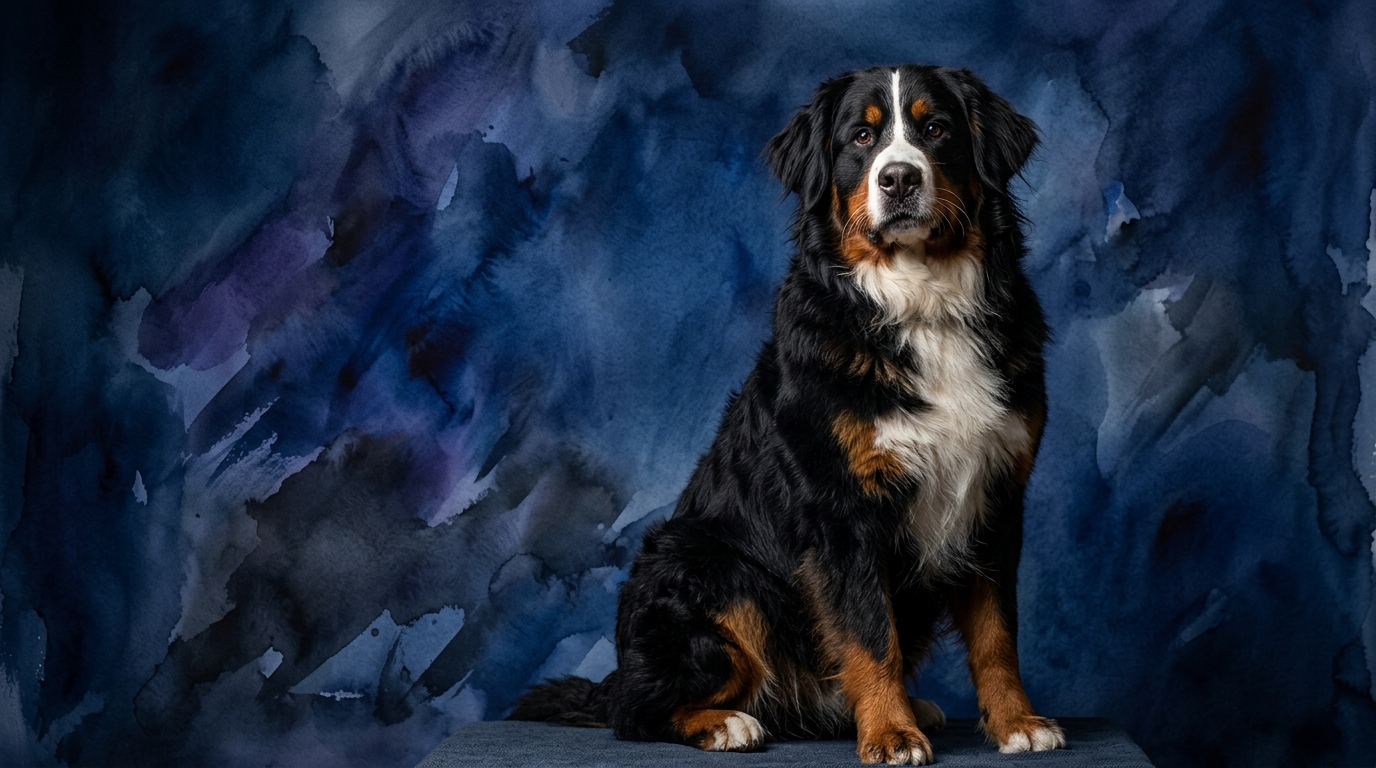
The Bernese Mountain Dog, a dignified member of the Working Group and ranked #27 by Coren, presents a cognitive profile tailored for collaboration and purpose. Its problem-solving ability is rated 3/5, indicating a capacity for navigating practical challenges, while its training speed stands out at 4/5, reflecting a keen responsiveness to instruction. Social intelligence is a remarkable 5/5, showcasing a profound understanding of human cues and emotional states, complemented by an instinctive drive of 4/5, fueling its desire for tasks. Memory is a solid 3/5, allowing for retention of learned behaviors and routines.
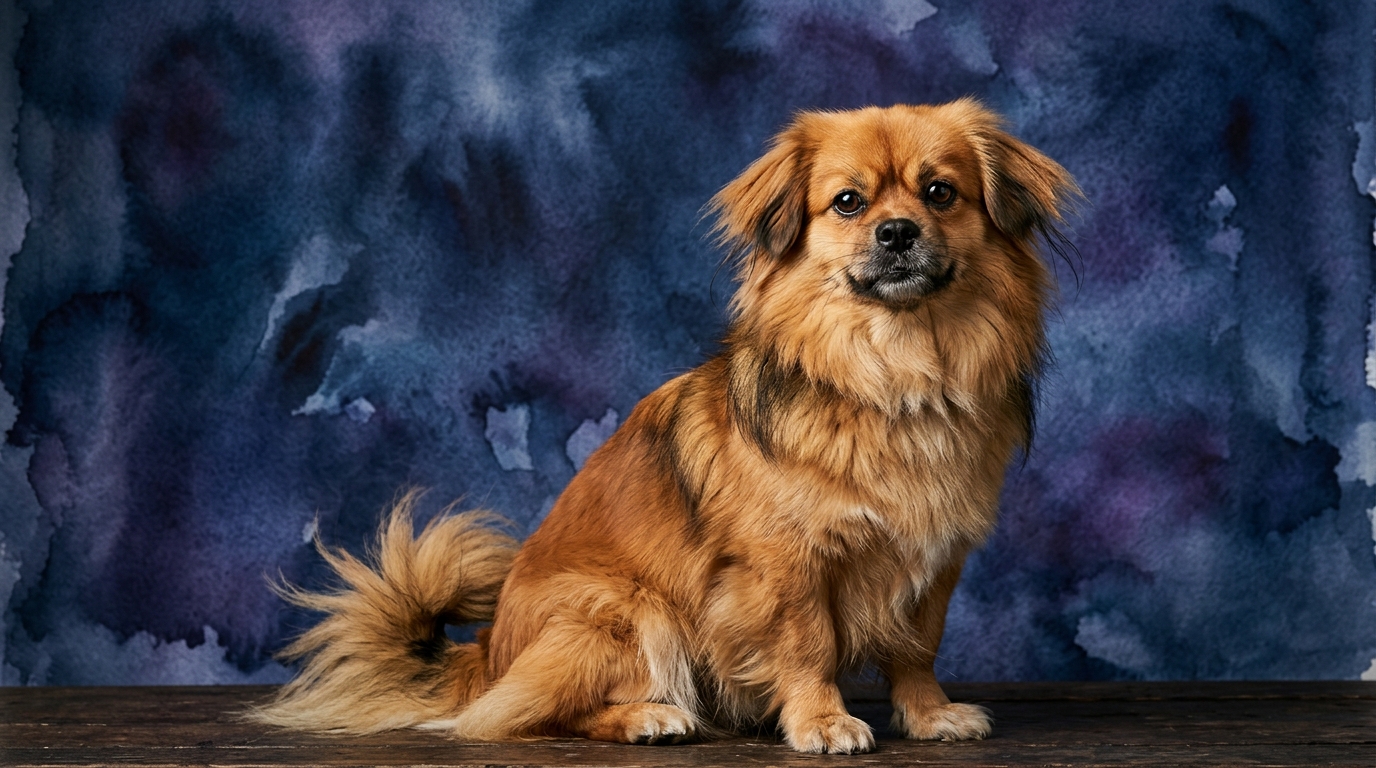
In contrast, the Tibetan Spaniel, a delightful companion from the Non-Sporting Group and not Coren-ranked, exhibits a consistently balanced cognitive makeup. Its problem-solving, training speed, social intelligence, instinctive drive, and memory are all rated 3/5. This uniform profile suggests a dog that is adaptable and capable across various cognitive domains, without extreme peaks or valleys. Its intelligence is more geared towards nuanced companionship and navigating a domestic environment with a degree of charming independence rather than complex working roles.
Where the Bernese Mountain Dog Excels Cognitively
The Bernese Mountain Dog's cognitive strengths are rooted in its historical role as a versatile farm dog, requiring close partnership with humans. Its exceptional social intelligence (5/5) means it is acutely attuned to human emotions, intentions, and communication, making it highly perceptive in understanding what is expected of it. This profound connection is a cornerstone of its cooperative nature, allowing it to interpret subtle cues and respond appropriately in complex social situations, whether with family members or during interactions with strangers.
Coupled with its superior training speed (4/5), this social acumen translates into a dog that is remarkably receptive to learning and eager to engage in structured activities. Commands are often grasped quickly, and the breed tends to find satisfaction in performing tasks alongside its human companions. Its instinctive drive (4/5) further enhances this, providing the motivation to apply its problem-solving (3/5) skills to practical endeavors like carting, herding, or obedience, demonstrating a consistent willingness to work and contribute.
Where the Tibetan Spaniel Shines Cognitively
The Tibetan Spaniel's cognitive profile, marked by consistent 3/5 scores across all dimensions, shines in its balanced adaptability and self-sufficiency. This isn't a breed that excels in one specific area to the detriment of others; instead, it possesses a well-rounded set of capabilities. Its problem-solving (3/5) is sufficient for navigating household challenges and figuring out how to get what it wants within its environment, such as finding a comfortable sunbeam or cleverly obtaining a dropped treat.
Its social intelligence (3/5) allows for a deep, affectionate bond with its family, while retaining a charming independence. This means it appreciates companionship but isn't overly reliant on constant human direction for its contentment. The Tibetan Spaniel's instinctive drive (3/5) is moderate, translating into a dog that is neither overly driven for rigorous tasks nor entirely passive, perfectly suiting its role as a companion that enjoys both quiet cuddle time and playful bursts of activity without demanding intense mental or physical exertion.
Training Dynamics: Bernese Mountain Dog vs. Tibetan Spaniel
When it comes to training, the Bernese Mountain Dog generally presents a more straightforward experience due to its higher training speed (4/5) and unparalleled social intelligence (5/5). These dogs possess an innate desire to please and a deep understanding of human expectations, leading to rapid acquisition of commands and consistent performance. Their strong bond with their owners means they are highly motivated by positive reinforcement and respond well to clear, consistent direction, making complex obedience routines or specialized tasks achievable with dedicated effort. They thrive on collaborative learning.
The Tibetan Spaniel, with a training speed of 3/5, requires a different approach. While capable of learning, they can display a more independent streak. Their problem-solving (3/5) is often applied to their own interests, and they may not always perceive the immediate 'point' of a command, especially if it doesn't align with their current agenda. Training them often involves more patience, consistency, and making lessons feel like a fun game to capture their attention and leverage their moderate instinctive drive (3/5). They respond best to positive reinforcement and a lighthearted approach, as harsh methods can cause them to shut down or become stubborn.
Matching Cognitive Profiles to Lifestyles
For active owners who relish engaging their dog in structured activities and collaborative tasks, the Bernese Mountain Dog is often an ideal match. Their high social intelligence and strong instinctive drive mean they thrive on having a 'job,' whether it's participating in obedience trials, carting, or simply being a reliable hiking companion. They enjoy mental stimulation that involves working alongside their human, making them suitable for individuals or families who can dedicate time to training, consistent interaction, and providing a sense of purpose to their canine partner.
Conversely, the Tibetan Spaniel's balanced and moderate cognitive profile makes it perfectly suited for more relaxed owners. While they enjoy play and walks, their problem-solving and instinctive drive scores indicate they don't demand constant, rigorous mental or physical challenges. They are content with a comfortable home environment, regular companionship, and moderate daily exercise. Owners who appreciate a dog with an independent spirit that is affectionate without being overly demanding of constant engagement will find the Tibetan Spaniel's cognitive make-up aligns well with a less structured, more spontaneous lifestyle.
The Verdict
Opt for the Bernese Mountain Dog if you seek a highly trainable, socially perceptive companion eager for structured activities and collaborative work. Their strong drive and affinity for human direction make them rewarding for active, engaged owners.
Select the Tibetan Spaniel if you desire a balanced, adaptable companion whose cognitive profile aligns with a more relaxed lifestyle, valuing companionship and independent exploration over rigorous training demands.
🧠 Find Your Pet's IQ Score
Our Pet IQ Lab assessment covers 25+ tests across 5 cognitive dimensions — personalized to your breed.
Take the Full IQ Test →Frequently Asked Questions
Is the Bernese Mountain Dog good with children?
Yes, their high social intelligence and gentle nature often make them excellent family dogs, provided they are well-socialized and trained from an early age. They typically form strong bonds and are patient companions for children.
Do Tibetan Spaniels need a lot of exercise?
Tibetan Spaniels have moderate exercise needs, sufficient with daily walks and playtime. Their problem-solving and instinctive drive scores suggest they don't require intense physical or mental exertion, preferring companionship and exploring their immediate environment.
How do the memory capabilities compare?
Both breeds are rated 3/5 for memory, indicating they are capable of retaining commands and routines. However, the Bernese Mountain Dog's higher training speed and social intelligence mean they might apply their memory more readily in structured training contexts, while the Tibetan Spaniel's memory serves its more independent learning style.