Side-by-Side Cognitive Profiles
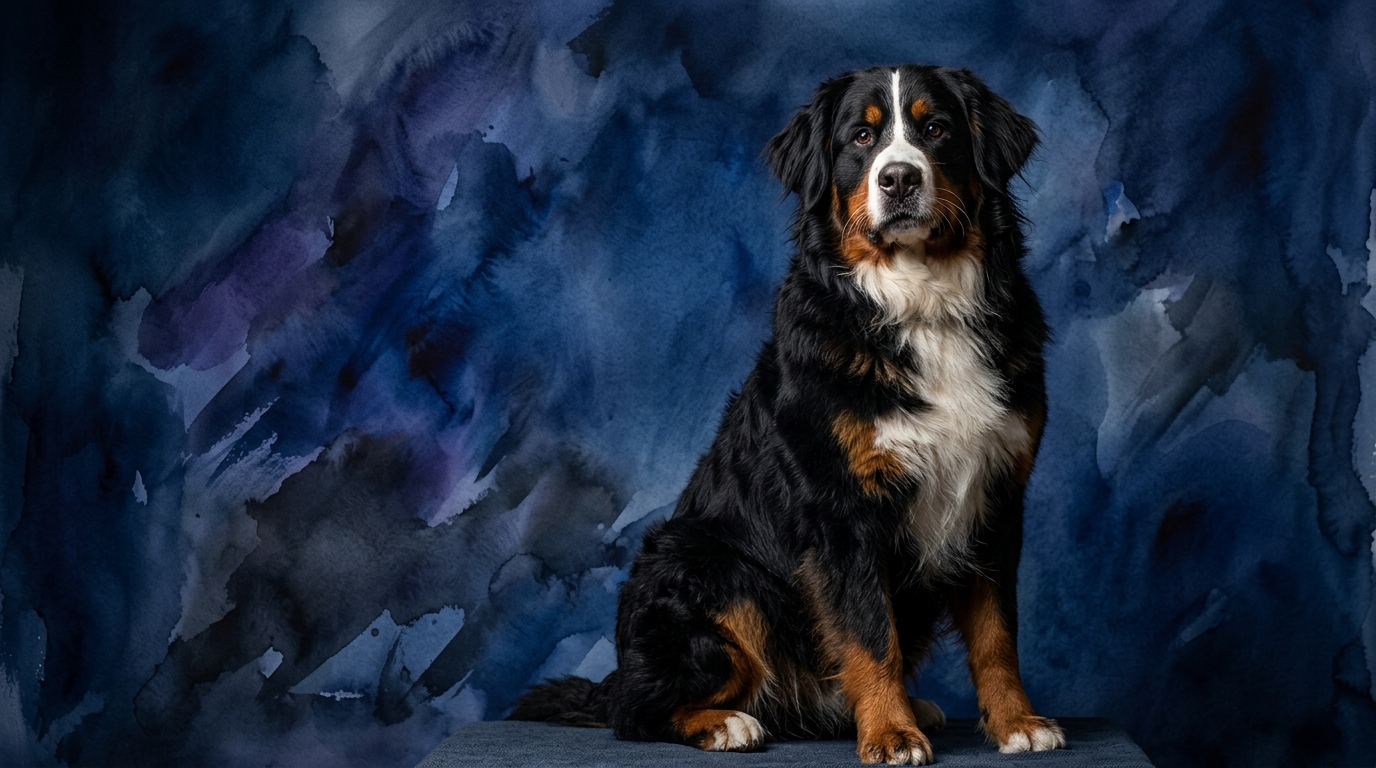
The Cosmic Pet Pet IQ Lab employs a five-dimensional framework to assess canine intelligence, providing a nuanced view beyond simplistic labels. For the Bernese Mountain Dog, a Working breed ranked #27 by Coren, its profile paints a picture of a capable and highly relational animal. Their Problem Solving is rated 3/5, indicating an ability to navigate familiar challenges and learn sequential tasks, though perhaps not groundbreaking innovation. Training Speed shines at 4/5, suggesting a quick grasp of new commands and routines, often driven by a desire to cooperate. Social Intelligence is an exceptional 5/5, reflecting a profound capacity to read human cues and integrate into family dynamics. Instinctive Drive stands at 4/5, indicative of a strong, purposeful work ethic, historically geared towards tasks like carting or herding. Finally, Memory is rated 3/5, demonstrating adequate retention of learned behaviors and experiences.
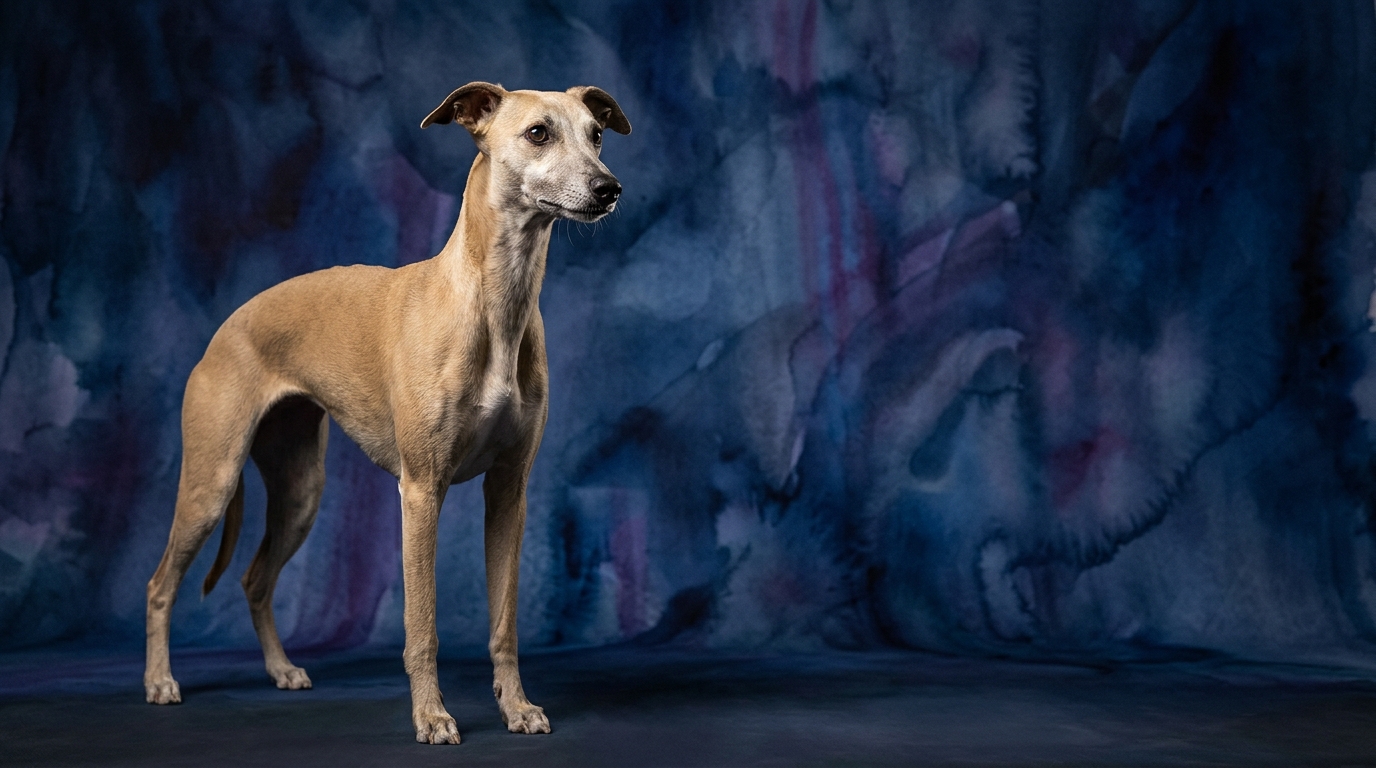
In contrast, the Whippet, a Hound breed ranked #51 by Coren, presents a different set of cognitive strengths. Their Problem Solving, also 3/5, is often applied to environmental navigation and efficient movement, particularly during pursuit, rather than complex abstract tasks. Training Speed is 2/5, suggesting a more independent learning style that may require greater patience and motivation from trainers. Their Social Intelligence is a robust 4/5, signifying deep, sensitive bonds with their chosen people, though perhaps less overtly 'people-pleasing' than some working breeds. The Whippet’s standout feature is its Instinctive Drive, a perfect 5/5, emphasizing their powerful, inherent urge to chase and react to visual stimuli. Memory, like the Bernese, is 3/5, allowing them to recall routines and past events, especially those tied to their primary drives.
Where the Bernese Mountain Dog Excels Cognitively
The Bernese Mountain Dog's cognitive strengths are profoundly rooted in its cooperative nature and deep social awareness. Their unparalleled Social Intelligence (5/5) means they are exceptionally attuned to human emotions and family dynamics, often anticipating needs and reacting with empathy. This makes them intuitive companions, capable of forming incredibly strong, reciprocal bonds and excelling in roles where understanding human subtle cues is paramount, such as therapy work.
Furthermore, their high Training Speed (4/5), combined with a Coren rank of #27, underscores a remarkable capacity for structured learning and consistent task performance. A Bernese can quickly grasp and reliably execute complex command sequences, making them highly adaptable to various training disciplines, from advanced obedience to specific service tasks. This cognitive trait means they are generally eager to engage in collaborative activities, finding satisfaction in working alongside their human partners and applying learned behaviors with precision.
Their Instinctive Drive (4/5), while not solely focused on chase, is geared towards purposeful interaction and contribution. This manifests as a desire for mental engagement through tasks that involve problem-solving within a cooperative framework, such as navigating agility courses or participating in scent detection, where their memory and social intelligence can be effectively leveraged.
Where the Whippet Excels Cognitively
The Whippet's cognitive prowess is overwhelmingly defined by its extraordinary Instinctive Drive (5/5), a hallmark of its sighthound heritage. This translates into unparalleled visual acuity and the ability to make instantaneous decisions during high-speed pursuit. Their intelligence in this domain is less about abstract problem-solving and more about highly efficient, immediate reaction to environmental stimuli, coupled with exceptional proprioception and spatial awareness to navigate complex terrain at speed.
While their Training Speed (2/5) might suggest a slower learner in conventional obedience, this does not diminish their specific cognitive strengths. Whippets demonstrate a unique kind of problem-solving (3/5) when engaged in activities that tap into their natural chase drive. They can independently assess and adapt to changing conditions during a sprint, demonstrating an innate, self-reliant intelligence focused on efficiency and success in their primary domain. This cognitive agility allows them to excel in lure coursing and similar activities, where their ability to react and adapt in real-time is crucial.
Their Social Intelligence (4/5), though not as outwardly expressive as the Bernese, is characterized by a deep, sensitive connection with their immediate family. Whippets are known for their quiet companionship and subtle communication, forming profound bonds that are often expressed through gentle affection and a calm presence. This focused social connection means they are acutely aware of their preferred human's mood and presence, thriving in an environment of mutual respect and understanding rather than constant direction.
Which is Easier to Train and Why
When it comes to ease of training, the Bernese Mountain Dog generally presents a more straightforward experience for most owners. Their high Training Speed (4/5) means they are quick to understand and respond to new commands, often requiring fewer repetitions to solidify a behavior. This is significantly bolstered by their exceptional Social Intelligence (5/5), which cultivates a strong desire to please and a natural inclination to cooperate with their human companions. Bernese Mountain Dogs thrive on positive reinforcement and clear communication, readily integrating into structured routines and finding satisfaction in collaborative tasks, making them highly receptive students.
The Whippet, with its lower Training Speed (2/5), can be more challenging to train, particularly for novice owners. While they are certainly capable of learning, their powerful Instinctive Drive (5/5) means they can be easily distracted by environmental stimuli, such as a scurrying squirrel or a blowing leaf, often prioritizing their innate chase impulse over human commands. Whippets are independent thinkers; they may not always see the immediate value in performing a command if it doesn't align with their natural inclinations. Training a Whippet requires significant patience, creative motivation, and a deep understanding of their sighthound nature to maintain engagement and achieve consistent results.
Which Suits Active Owners vs. Relaxed Owners
The Bernese Mountain Dog is an excellent match for owners who enjoy a balance of moderate activity and consistent, engaging companionship. Their Instinctive Drive (4/5) is geared towards purposeful work and interaction, meaning they appreciate daily walks, interactive play sessions, and mental challenges like puzzle toys or scent work. Owners who can provide consistent, structured activities and integrate their Bernese into family life will find a deeply satisfied companion. While not extreme athletes, Bernese Mountain Dogs require owners committed to providing regular physical exercise and, crucially, ample mental stimulation and social interaction to channel their working heritage and high social intelligence.
The Whippet, conversely, suits owners who are comfortable with intense bursts of activity followed by long periods of relaxation. Their exceptional Instinctive Drive (5/5) demands outlets for high-speed running in secure, enclosed spaces, allowing them to stretch their legs at full gallop. However, after these necessary sprints, Whippets are famously quiet and relaxed indoors, often preferring to curl up on a soft couch. They are not suited for prolonged endurance activities but require owners who can safely satisfy their potent chase drive while appreciating their calm, often independent, demeanor within the home environment. This makes them ideal for owners who can provide dedicated sprint time but otherwise enjoy a tranquil companion.
The Verdict
Choose the Bernese Mountain Dog if you seek a deeply bonded, highly cooperative companion who excels in family integration and structured learning environments, offering intuitive emotional connection and a desire to participate in your daily life.
Opt for the Whippet if you appreciate an independent, sensitive companion who thrives on explosive bursts of speed and finds contentment in quiet companionship, requiring an owner who respects their keen instincts and graceful athleticism.
🧠 Find Your Pet's IQ Score
Our Pet IQ Lab assessment covers 25+ tests across 5 cognitive dimensions — personalized to your breed.
Take the Full IQ Test →Frequently Asked Questions
Are Bernese Mountain Dogs good with children?
Yes, their high social intelligence (5/5) and patient nature generally make them excellent family dogs. They are typically gentle and tolerant, forming strong bonds with all family members, including children, when properly socialized and raised in a stable home.
Do Whippets need a lot of exercise?
Whippets need intense, short bursts of exercise daily, like a good sprint in a securely fenced area, to satisfy their strong instinctive drive (5/5). They are not endurance runners but require opportunities to stretch their legs at full speed, after which they are content to relax indoors.
Can Whippets live in apartments?
Yes, Whippets can adapt well to apartment living due to their relatively low indoor energy and preference for lounging. However, it's crucial that apartment owners provide daily opportunities for them to express their powerful instinctive drive through safe, off-leash running sessions.