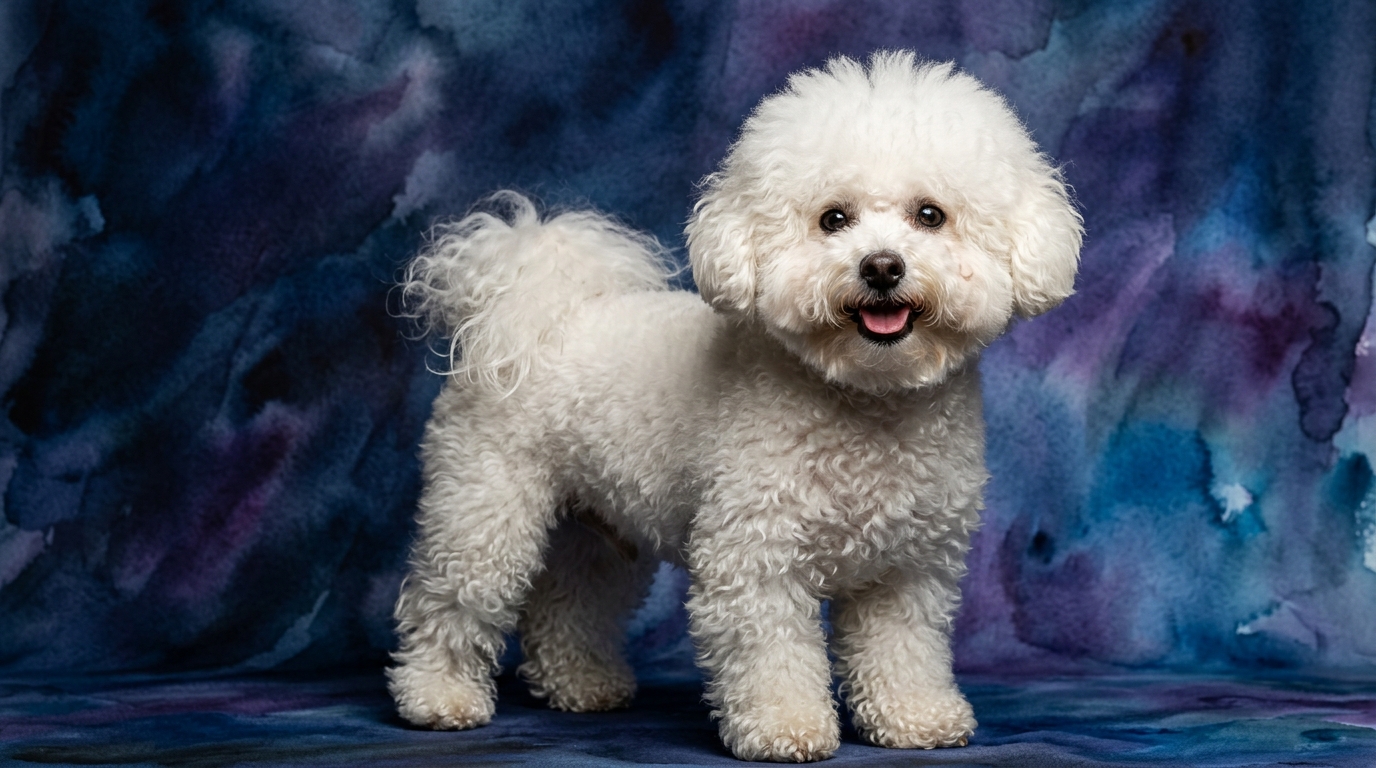
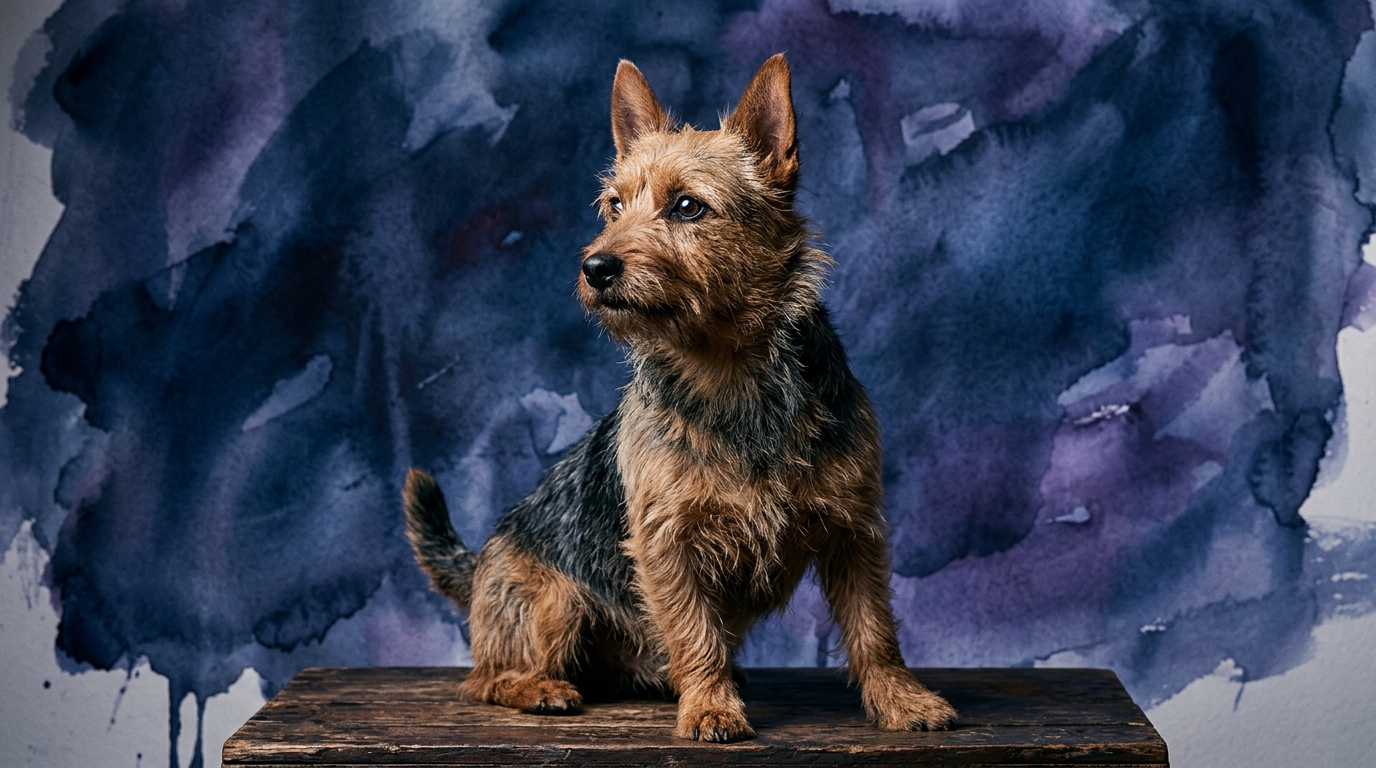
Side-by-Side Cognitive Profile
The Cosmic Pet Pet IQ Lab employs a five-dimensional framework to assess canine cognition, providing a nuanced view beyond simple labels. Let's examine how the Bichon Frisé (Coren rank #45) and the Australian Terrier (not Coren-ranked) stack up.
For the Bichon Frisé:
Problem Solving (3/5): This breed demonstrates a solid, moderate capacity for problem-solving. They can effectively learn to navigate their environment, figure out how to access desired objects, or master the mechanics of interactive toys after a few trials. Their approach to challenges is generally methodical, relying on learned associations and persistence to achieve goals in everyday scenarios.
Training Speed (3/5): When it comes to learning new commands and routines, the Bichon Frisé typically progresses at an average pace. They are receptive to instruction and capable of absorbing complex sequences, thriving on clear, consistent communication and positive reinforcement. Owners can expect a steady progression in obedience over a reasonable number of dedicated training sessions.
Social Intelligence (5/5): This is where the Bichon Frisé truly excels, showcasing an exceptional 5/5 score. They possess a profound ability to read and interpret human emotions, body language, and vocal nuances, often anticipating their owner's needs or moods with remarkable accuracy. This heightened social awareness allows them to forge incredibly strong, empathetic bonds, making them highly responsive companions who adapt their behavior to fit social contexts seamlessly.
Instinctive Drive (2/5): The Bichon Frisé operates with a notably low instinctive drive, scoring 2/5. Their cognitive framework is not primarily geared towards traditional canine instincts such as hunting, herding, or guarding. Instead, their actions are predominantly motivated by social interaction, comfort, and companionship, resulting in a generally placid disposition less prone to independent pursuits or strong prey drive.
Memory (3/5): A reliable memory score of 3/5 ensures the Bichon Frisé retains learned commands, routines, and associations effectively. They remember familiar faces, places, and past experiences, which supports their ability to consistently execute behaviors and maintain their role as a well-integrated family member. This memory contributes significantly to their trainability and adaptability within a stable environment.
For the Australian Terrier:
Problem Solving (3/5): The Australian Terrier demonstrates a practical and persistent approach to problem-solving, also scoring 3/5. They are adept at figuring out how to overcome obstacles, manipulate objects to their advantage, or solve puzzle toys that require a degree of strategic thinking. Their terrier grit often translates into a tenacious effort to achieve objectives, making them capable of navigating various environmental challenges.
Training Speed (3/5): Similar to the Bichon Frisé, the Australian Terrier learns new commands and behaviors at an average speed, also earning a 3/5. They are certainly capable of mastering a wide repertoire of tricks and obedience cues, provided training is engaging, consistent, and utilizes positive reinforcement. Their willingness to learn is present, but it often benefits from methods that acknowledge their spirited nature.
Social Intelligence (3/5): The Australian Terrier possesses a solid, yet more moderate, social intelligence score of 3/5. They form strong, affectionate bonds with their family members and are responsive to human cues, but their interpretation of social signals might be less nuanced or immediate than that of the Bichon. They enjoy interaction and companionship but also maintain a degree of independent thought in their social responses.
Instinctive Drive (3/5): With an instinctive drive score of 3/5, the Australian Terrier exhibits a more pronounced inclination towards natural canine behaviors, characteristic of its terrier heritage. This includes a keen interest in exploring scents, digging, and maintaining a watchful alertness to their surroundings. This cognitive drive fuels their curiosity and provides a strong internal motivation for engaging with the environment, reflecting their historical role as a working dog.
Memory (3/5): The Australian Terrier's memory also scores 3/5, indicating a good capacity for remembering learned behaviors, routines, and spatial layouts. This robust memory allows them to consistently recall commands, understand household rules, and navigate familiar territories with ease. It supports their ability to be reliable and predictable within their established environment.
Where the Bichon Frisé Wins Cognitively
The Bichon Frisé truly shines in the realm of social intelligence, where its score of 5/5 notably outpaces the Australian Terrier's 3/5. This superior social acumen means a Bichon is exceptionally adept at interpreting human emotions, subtle body language, and vocal inflections, often anticipating their owner's moods or desires. They leverage this cognitive strength to build profound, empathetic connections, making them remarkably intuitive companions who can adjust their behavior to suit the social atmosphere of a room or the emotional state of a person. This isn't merely about being friendly; it's a deep cognitive processing of social cues that allows for sophisticated interaction and bonding.
Where the Australian Terrier Wins Cognitively
The Australian Terrier gains a distinct cognitive edge in instinctive drive, scoring 3/5 compared to the Bichon Frisé's 2/5. This higher drive manifests as a more pronounced inclination towards natural canine behaviors rooted in their terrier heritage. For instance, an Australian Terrier is more likely to engage with persistent curiosity in exploring scents, digging for imaginary prey, or exhibiting a watchful alertness to new sounds and movements in their environment. This isn't just a physical trait; it reflects a cognitive framework that prioritizes environmental investigation and a readiness to act on natural impulses, providing them with a keen sense of purpose in activities that tap into these drives, such as scent work or agility.
Which is Easier to Train and Why
When considering ease of training, both the Bichon Frisé and the Australian Terrier share a Training Speed score of 3/5, suggesting they grasp new commands at an average pace. However, real-world training experiences can differ due to their other cognitive dimensions. The Bichon Frisé's exceptional social intelligence (5/5) means they are highly motivated by human interaction and approval, often making them eager to please and more responsive to their owner's guidance. Their lower instinctive drive (2/5) also means fewer competing internal motivations, reducing distractions from prey drive or independent exploration during training sessions. Conversely, while the Australian Terrier also learns effectively, its moderate instinctive drive (3/5) means it might occasionally be more distracted by interesting smells, sounds, or the urge to investigate. This terrier tenacity can sometimes translate into a need for more engaging and varied training methods to maintain focus, as their independent spirit might occasionally override the desire for immediate human approval. Therefore, while both are capable learners, the Bichon Frisé often presents as 'easier' for owners seeking a highly cooperative and human-focused training partner.
Which Suits Active Owners vs. Relaxed Owners
Matching a dog's cognitive profile to an owner's lifestyle is key to a harmonious relationship. The Bichon Frisé, with its low instinctive drive (2/5) and supreme social intelligence (5/5), generally aligns well with more relaxed owners who prioritize companionship and indoor activities. While they enjoy walks and playtime, their primary cognitive motivation is interaction with their human family, not pursuing independent adventures or engaging in high-intensity tasks. They thrive on shared moments on the couch, gentle play, and being an integral part of daily routines. For owners who are active, the Australian Terrier's moderate instinctive drive (3/5) and balanced social intelligence (3/5) make it a more suitable match. This breed possesses a greater cognitive inclination for exploration, investigation, and engaging in activities that tap into their natural curiosity and energy. They benefit from consistent mental stimulation through training, puzzle toys, and outdoor adventures, making them excellent companions for hiking, agility, or sustained playtime. They appreciate companionship but also possess a robust independent streak that enjoys engaging with the world around them.
The Verdict
Choose the Bichon Frisé if your priority is an exceptionally empathetic and socially attuned companion who thrives on deep human connection and intuitive understanding. Their cognitive strengths make them ideal for those seeking a devoted, adaptable family member who mirrors emotional states and is less driven by independent instincts.
Opt for the Australian Terrier if you're an active individual or family seeking a curious, spirited companion ready for adventure and mental engagement, appreciating a dog with a moderate independent streak and a keen interest in exploring the world around them.
🧠 Find Your Pet's IQ Score
Our Pet IQ Lab assessment covers 25+ tests across 5 cognitive dimensions — personalized to your breed.
Take the Full IQ Test →Frequently Asked Questions
Are Bichon Frisé good family dogs?
Yes, their high social intelligence (5/5) makes Bichon Frisé exceptionally adaptable family members. They enjoy interacting with people of all ages and form strong, empathetic bonds, thriving in environments where they are central to family life.
Do Australian Terriers bark a lot?
With a moderate instinctive drive (3/5) that includes alertness, Australian Terriers can be prone to barking at perceived threats or new stimuli. This makes them good watchdogs, but also means they may require training to manage their vocalizations effectively.
Which breed is better for apartment living?
Both breeds can adapt to apartment living, but the Bichon Frisé's lower instinctive drive (2/5) and strong focus on companionship make it slightly more suited. Provided they receive sufficient daily walks and indoor play, their cognitive needs align well with a more contained living space.