Side-by-Side IQ Profile: Bichon Frisé vs. Basset Hound
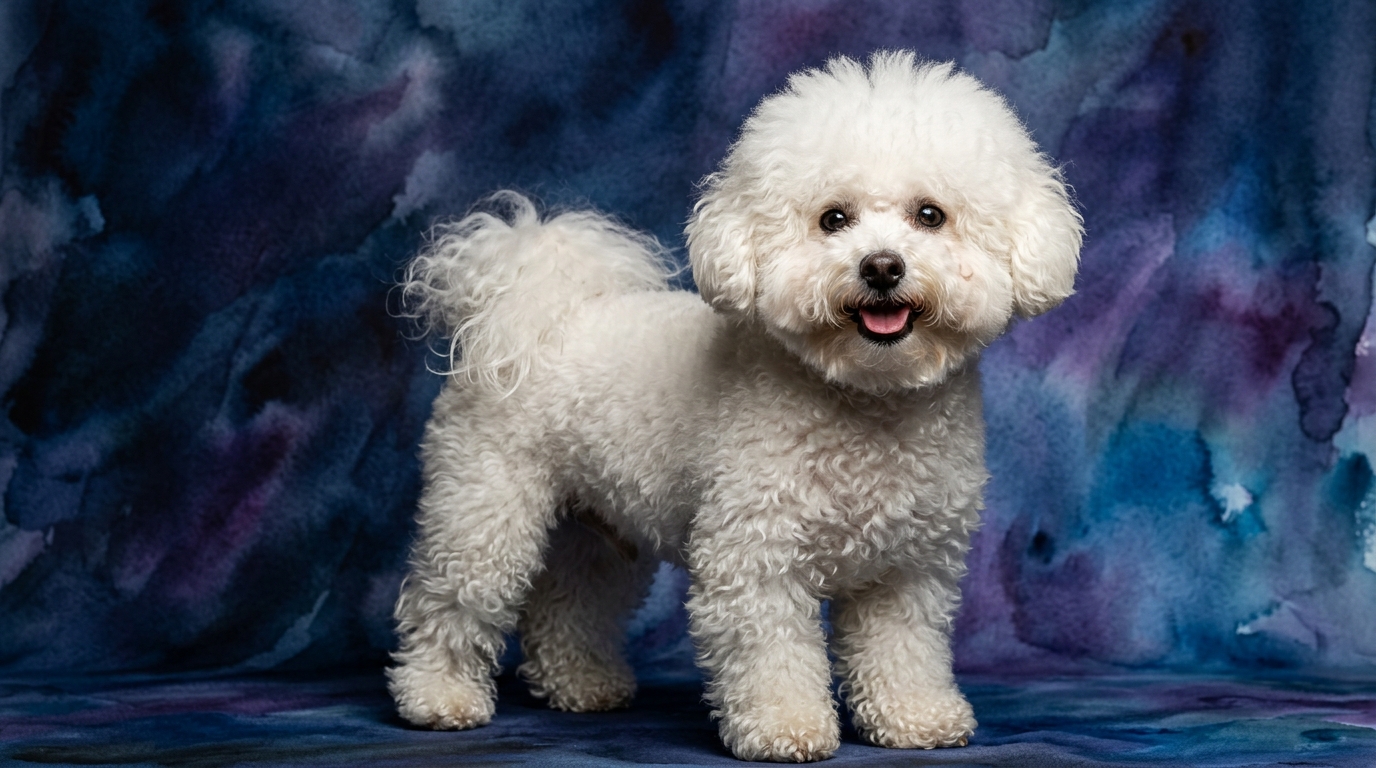
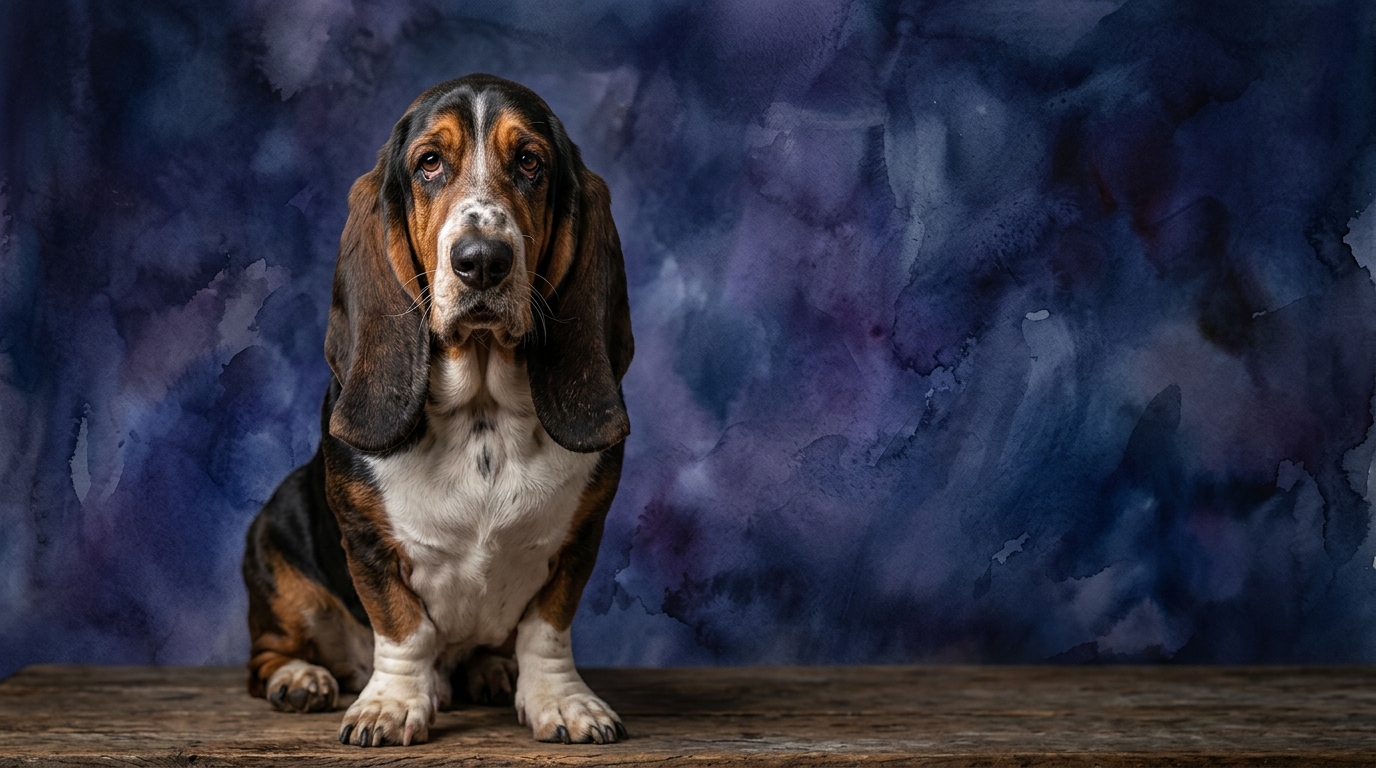
In the Cosmic Pet Pet IQ Lab, we evaluate canine cognition across five distinct dimensions, offering a nuanced view beyond a simple 'smart' label. The Bichon Frisé holds a Coren rank of #45, indicating a respectable capacity for obedience and working intelligence, while the Basset Hound, at #71, suggests a different set of priorities in their cognitive processing.
The Bichon Frisé exhibits a Problem Solving score of 3/5, indicating a moderate ability to navigate novel situations and figure out simple puzzles. Their Training Speed is also 3/5, suggesting they grasp new commands at a steady pace with consistent positive reinforcement. A standout trait is their Social Intelligence, rated 5/5, reflecting an exceptional attunement to human emotions and social cues. Their Instinctive Drive is low at 2/5, meaning they are not heavily influenced by primal hunting or herding urges, and their Memory stands at 3/5, allowing them to recall routines and learned behaviors effectively.
Conversely, the Basset Hound shares a Problem Solving score of 3/5, often applying this skill to deciphering scent trails. Their Training Speed is also 3/5, but this can be influenced by their independent streak. Their Social Intelligence is rated 3/5, indicating a capacity for companionship, though perhaps less overt emotional mirroring than the Bichon. A key aspect of their profile is their Instinctive Drive, at 3/5, primarily focused on scent work and trailing. Finally, their Memory is 3/5, particularly robust for retaining complex olfactory information and routes.
Where the Bichon Frisé Excels Cognitively
The Bichon Frisé's cognitive strength unequivocally lies in its exceptional Social Intelligence, scoring a perfect 5/5. This isn't merely about friendliness; it signifies a deep capacity to perceive, interpret, and respond to human emotions and intentions. A Bichon will often anticipate a mood change, offer comfort, or adjust its behavior based on subtle shifts in its owner's demeanor, making them profoundly empathetic companions. This high social attunement means they are often eager to please and highly motivated by human interaction and praise, which significantly impacts their trainability and integration into family life.
Furthermore, their low Instinctive Drive (2/5) complements their social prowess. Without strong urges to hunt or herd, the Bichon's cognitive focus remains primarily on its human companions. This allows for sustained attention during social interactions and training sessions, making them less prone to distraction by environmental stimuli that might captivate other breeds. Their moderate problem-solving abilities (3/5), when channeled through their desire for social engagement, make them adept at learning complex social routines and understanding household dynamics, often figuring out how to get attention or initiate play through observation and mild manipulation.
Where the Basset Hound's Cognitive Strengths Lie
The Basset Hound's cognitive landscape is dominated by its powerful Instinctive Drive (3/5), specifically its unparalleled olfactory abilities. Their problem-solving (3/5) and memory (3/5) are intimately tied to their nose; they are masters of scent discrimination, tracking, and environmental navigation based on odors. A Basset can meticulously follow a complex scent trail, ignoring visual distractions, demonstrating a specialized form of cognitive processing that is highly focused and persistent. Their world is rich with olfactory information, and they are incredibly adept at interpreting this data to achieve a goal, whether it's finding a hidden treat or following an interesting outdoor smell.
While their Social Intelligence is a moderate 3/5, it manifests as a deep, loyal, and often understated affection. They may not mirror human emotions with the same intensity as a Bichon, but they form strong bonds and appreciate companionship on their own terms. Their moderate training speed (3/5) is often influenced by their independent nature and their drive to follow a scent. When a compelling odor presents itself, a Basset's cognitive resources are almost entirely dedicated to it, making them appear single-minded. This isn't a lack of capacity to learn, but rather a strong internal directive that can override external commands, reflecting a distinct cognitive priority.
Training Dynamics: Who Learns More Readily?
Both the Bichon Frisé and the Basset Hound share a Training Speed rating of 3/5, suggesting they both possess a moderate capacity for learning new commands. However, the *application* of this capacity differs significantly due to their other cognitive traits. The Bichon Frisé, with its exceptional Social Intelligence (5/5) and desire to please, tends to be a more willing and responsive student. They thrive on positive reinforcement, praise, and the attention they receive during training. Their moderate memory (3/5) ensures they retain what they learn, and their lower instinctive drive means they are less likely to be sidetracked by external distractions, making training sessions generally more focused and productive from a human perspective.
The Basset Hound, despite the same Training Speed rating, often presents a different training experience. Their powerful Instinctive Drive (3/5) for scent exploration means that a compelling odor can easily divert their attention from human directives. While they are capable of learning, their adherence to commands can be highly dependent on the absence of olfactory distractions. This often leads to them being perceived as stubborn, when in reality, their cognitive focus has simply shifted to a more primal, internal priority. Successful training with a Basset requires immense patience, consistency, and an understanding of their scent-driven nature, often incorporating nose work or scent games to make learning more engaging for them.
Matching Cognitive Profiles to Lifestyles: Active vs. Relaxed Owners
For owners seeking an emotionally responsive and deeply interactive companion, the Bichon Frisé is often an ideal match. Their high Social Intelligence means they flourish in environments where they receive consistent human attention and are integrated into daily family activities. They thrive on connection, participating in games, learning new tricks, and simply being present with their people. While not requiring extensive physical exertion, their moderate problem-solving and training speed mean they benefit from regular mental stimulation through interactive play and training exercises. They are well-suited for owners who appreciate an affectionate, adaptable dog that makes social interaction a central part of its life.
The Basset Hound, on the other hand, suits owners who appreciate a more independent spirit and a generally relaxed household pace, yet are prepared to accommodate their unique cognitive drives. While calm indoors, their potent instinctive drive for scent exploration means they require opportunities for engaging their nose, ideally through leisurely, sniff-filled walks or structured nose work activities. They are not dogs for high-impact physical activity but rather for thoughtful, sensory exploration. Owners who enjoy a slower pace, understand the pull of a good scent trail, and appreciate a loyal companion whose affection is expressed less effusively but deeply felt, will find a Basset Hound a rewarding addition.
The Verdict
Choose the Bichon Frisé if you seek a highly socially attuned companion who thrives on emotional connection and readily integrates into family routines with a desire to please.
Opt for the Basset Hound if you appreciate an independent, scent-driven companion who enjoys leisurely exploration and offers deep, loyal affection in their own unique, less effusive way.
🧠 Find Your Pet's IQ Score
Our Pet IQ Lab assessment covers 25+ tests across 5 cognitive dimensions — personalized to your breed.
Take the Full IQ Test →Frequently Asked Questions
Are Bichon Frisés good at learning tricks?
Yes, with their moderate problem-solving and training speed, combined with a strong desire to please, Bichon Frisés can learn a wide array of tricks. They respond well to positive reinforcement and enjoy the mental engagement that trick training provides.
Why do Basset Hounds seem stubborn during training?
Basset Hounds often appear stubborn because their strong instinctive drive for scent can easily distract them from human commands. They are not unintelligent, but their cognitive focus shifts to compelling odors, requiring patient, consistent training that accounts for their natural inclinations and incorporates their love for sniffing.
Which breed is better for first-time dog owners?
The Bichon Frisé's high social intelligence and eagerness to please often make them a more straightforward choice for first-time owners, as they are generally very responsive to guidance. Basset Hounds, while affectionate, require an owner who understands and can manage their independent, scent-driven nature, which can be a greater challenge for those new to dog ownership.