Side-by-Side IQ Profile: A Cognitive Snapshot
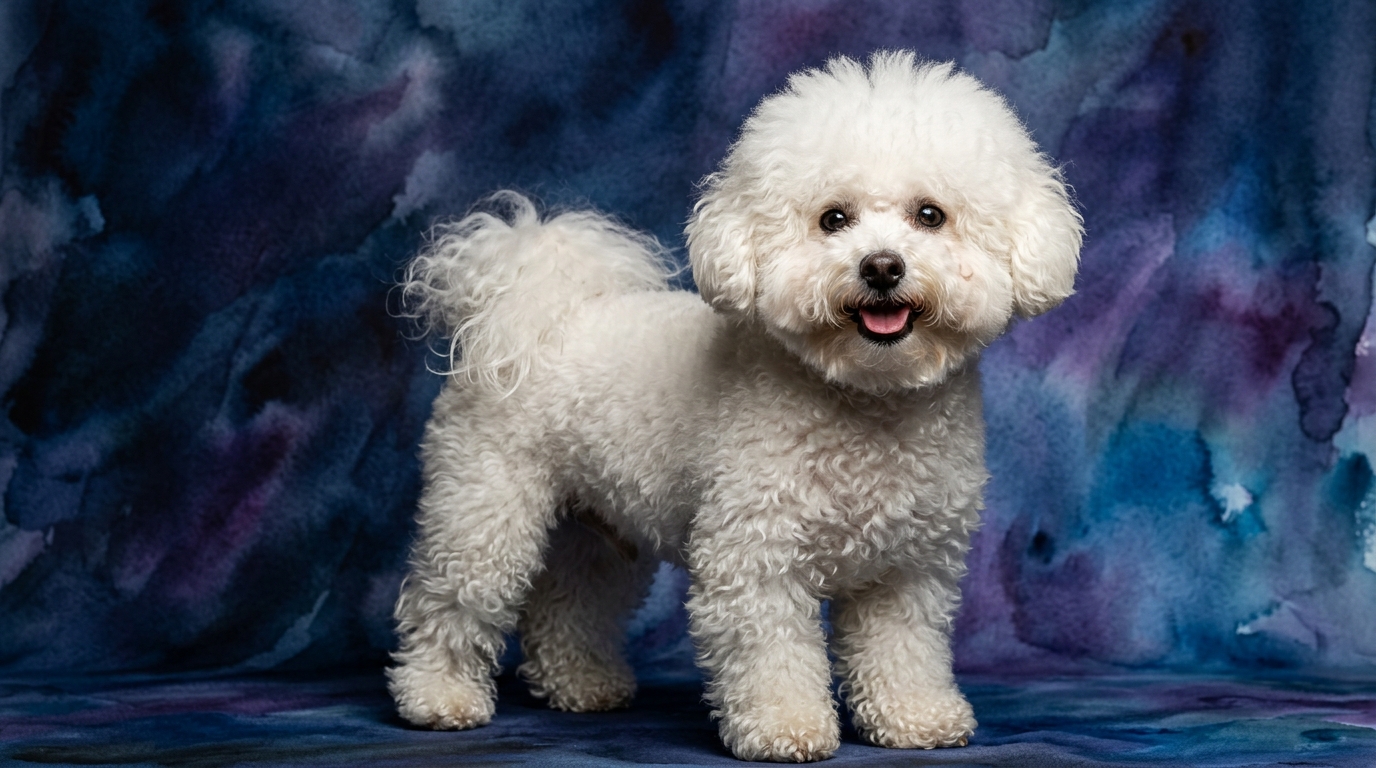
Delving into The Cosmic Pet Pet IQ Lab's metrics reveals distinct cognitive landscapes for both breeds. The Bichon Frisé, a Non-Sporting breed ranked #45 by Coren, presents a profile emphasizing social connection. Their Problem Solving (3/5) indicates a moderate ability to navigate practical challenges, while Training Speed (3/5) suggests they grasp new concepts with consistent, positive reinforcement. Where they truly excel is Social Intelligence (5/5), demonstrating an exceptional capacity to interpret and respond to human emotions, fostering deep empathetic bonds. Their Instinctive Drive (2/5) is relatively low, meaning less inclination for intense hunting or guarding. Memory (3/5) ensures they retain learned information and recall routines reliably.
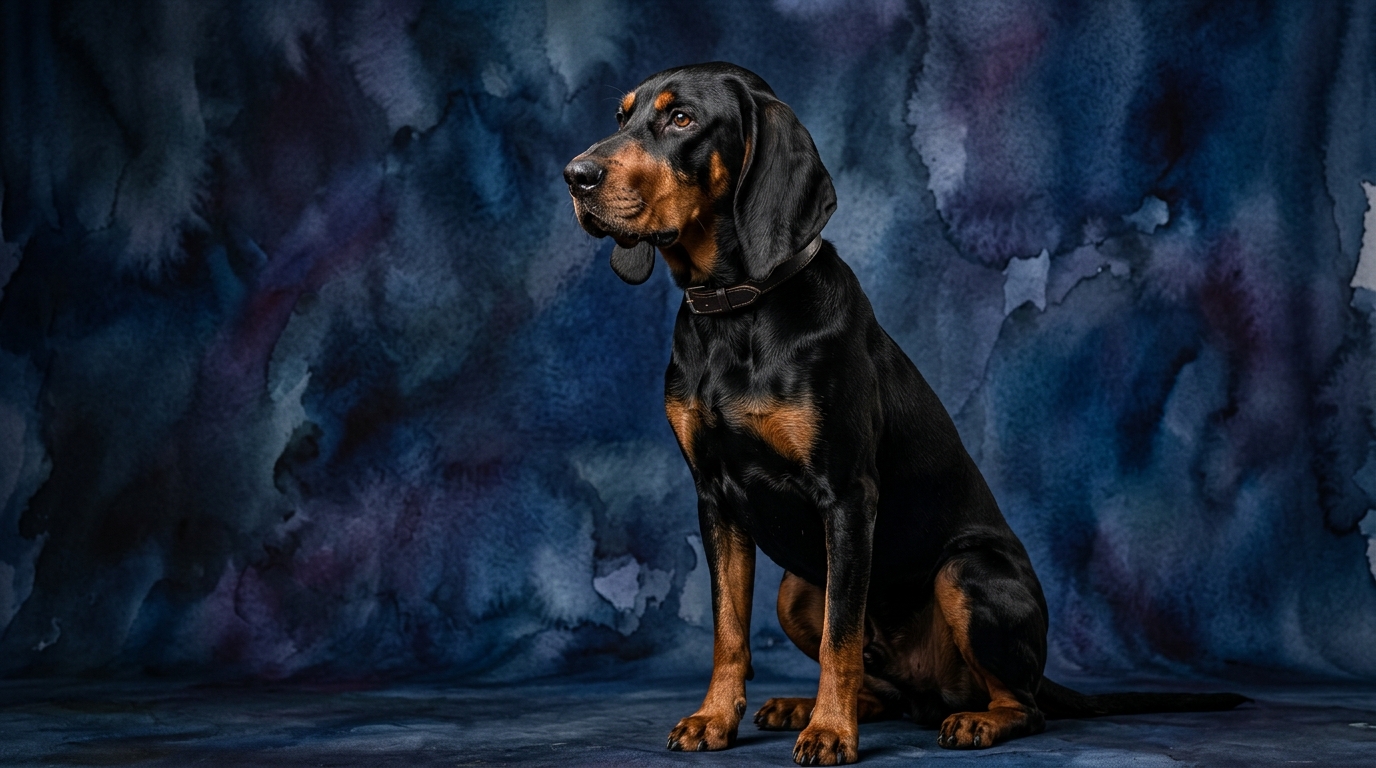
The Black and Tan Coonhound, a Hound breed not Coren-ranked, showcases a different set of cognitive strengths. Their Problem Solving (3/5) mirrors the Bichon's, particularly in tasks related to their environment or scent work. Training Speed (3/5) is also comparable, though their focus can be heavily influenced by external stimuli. Social Intelligence (3/5) indicates they form strong bonds and are attuned to their humans, but perhaps without the nuanced emotional sensitivity of the Bichon. A defining trait is their Instinctive Drive (3/5), primarily centered on persistent scent tracking. Memory (3/5) is robust, especially for scent trails and terrain, crucial for their heritage.
Where the Bichon Frisé Wins Cognitively
The Bichon Frisé truly shines in the domain of social intelligence, scoring a perfect 5/5 compared to the Coonhound's 3/5. This elevated capacity means Bichons are exceptionally adept at interpreting human moods, intentions, and even subtle body language. They often seem to anticipate their owner's needs or respond with comforting affection during times of distress, making them extraordinarily empathetic companions. This deep social attunement fosters strong, reciprocal bonds and makes them highly responsive to social feedback during interaction. Furthermore, their lower instinctive drive (2/5 vs. 3/5) means they are generally less compelled by primal urges like chasing or intense scent following. This cognitive trait often translates into a more settled demeanor in a home environment, reducing the likelihood of them becoming engrossed in activities independent of human interaction, which many owners appreciate for a companion animal. Their cognitive profile leans heavily towards harmonious cohabitation, valuing human connection above all.
Where the Black and Tan Coonhound Wins Cognitively
While sharing similar scores in problem-solving, training speed, and memory, the Black and Tan Coonhound's cognitive strengths are profoundly shaped by their instinctive drive, rated at 3/5 compared to the Bichon's 2/5. This isn't just a higher number; it represents a deeply ingrained, specialized cognitive function centered around their olfactory capabilities. Their brains are wired to process and follow complex scent trails with remarkable persistence and focus, a cognitive feat that few other breeds can match. This drive fuels their ability to ignore distractions and remain committed to a scent, demonstrating a unique form of problem-solving specific to their heritage – deciphering an invisible world of odors. While the Bichon excels in human social nuances, the Coonhound excels in navigating and understanding the intricate sensory landscape of the natural world, showcasing a specialized form of environmental intelligence. Their memory, while rated 3/5, is particularly robust for scent profiles and terrain, essential for their working heritage.
Which Is Easier to Train and Why
Both breeds share a 3/5 rating for training speed, suggesting they absorb new commands at a moderate pace. However, the *ease* of training can differ significantly due to their other cognitive dimensions. The Bichon Frisé's exceptional social intelligence (5/5) makes them highly motivated by human praise and attention. They are keen to please and interpret their owner's emotional responses with great accuracy, which can streamline the training process for obedience and tricks. Their lower instinctive drive (2/5) means they are less likely to be sidetracked by external stimuli like interesting smells or distant movements, allowing for more focused training sessions in varied environments. Conversely, while the Black and Tan Coonhound also learns at a moderate speed, their strong instinctive drive (3/5) and specialized olfactory focus mean they are often more challenged by environmental distractions, especially compelling scents. Training a Coonhound frequently requires more patience and creative strategies to redirect their powerful drive towards human commands rather than a fascinating trail. While they can be trained effectively, their innate compulsion to follow a scent can make consistency in varied settings a greater hurdle than with the socially oriented Bichon.
Which Suits Active Owners vs. Relaxed Owners
The cognitive profiles of these two breeds offer clear guidance for owners with different lifestyle preferences. The Bichon Frisé, with its lower instinctive drive (2/5) and paramount social intelligence (5/5), often thrives in a more relaxed household setting where companionship and indoor interaction are prioritized. While they enjoy play and short walks, their cognitive makeup doesn't demand extensive, high-intensity physical outlets or complex mental challenges rooted in instinct. They are content to be near their people, engaging in gentle play or simply observing household activities, making them well-suited for owners seeking an affectionate, relatively low-maintenance companion. In contrast, the Black and Tan Coonhound's higher instinctive drive (3/5), particularly their formidable scenting ability, means they require owners who are prepared to engage them in regular, structured activities that satisfy this cognitive need. This could involve long walks where they are allowed to investigate scents, scent work games, or even participation in tracking sports. A relaxed owner who cannot provide outlets for this drive might find a Coonhound restless or prone to independent 'scent-following' adventures, underscoring the need for an active, engaged approach to their cognitive enrichment.
The Verdict
Choose the Bichon Frisé if your primary desire is an empathetic, highly social companion who thrives on human connection and requires less intensive management of innate drives.
Opt for the Black and Tan Coonhound if you are an active owner prepared to channel a powerful instinctive drive into engaging scent-based activities and appreciate a dog with a specialized, robust environmental intelligence.
🧠 Find Your Pet's IQ Score
Our Pet IQ Lab assessment covers 25+ tests across 5 cognitive dimensions — personalized to your breed.
Take the Full IQ Test →Frequently Asked Questions
Does the Bichon Frisé's high social intelligence mean they are prone to separation anxiety?
While their 5/5 social intelligence means they deeply value human interaction, it doesn't automatically equate to separation anxiety. However, their strong bond means they thrive with consistent companionship, and owners should establish good routines to prevent over-reliance and foster independence.
Can a Black and Tan Coonhound be a good family pet despite its strong instinctive drive?
Absolutely. Despite their 3/5 instinctive drive, Coonhounds are generally affectionate and loyal family members. Their drive primarily manifests in scent-related activities, and when properly managed with exercise and mental stimulation, they can be calm and devoted companions indoors.
How does the 'memory' score of 3/5 for both breeds impact their everyday behavior?
A 3/5 memory score indicates both breeds possess a good, functional memory for routines, learned commands, and familiar individuals or environments. They will recall where their toys are, remember their daily walk schedule, and recognize people they haven't seen in a while, contributing to stable and predictable interactions.