Side-by-Side IQ Profile: Understanding Their Minds
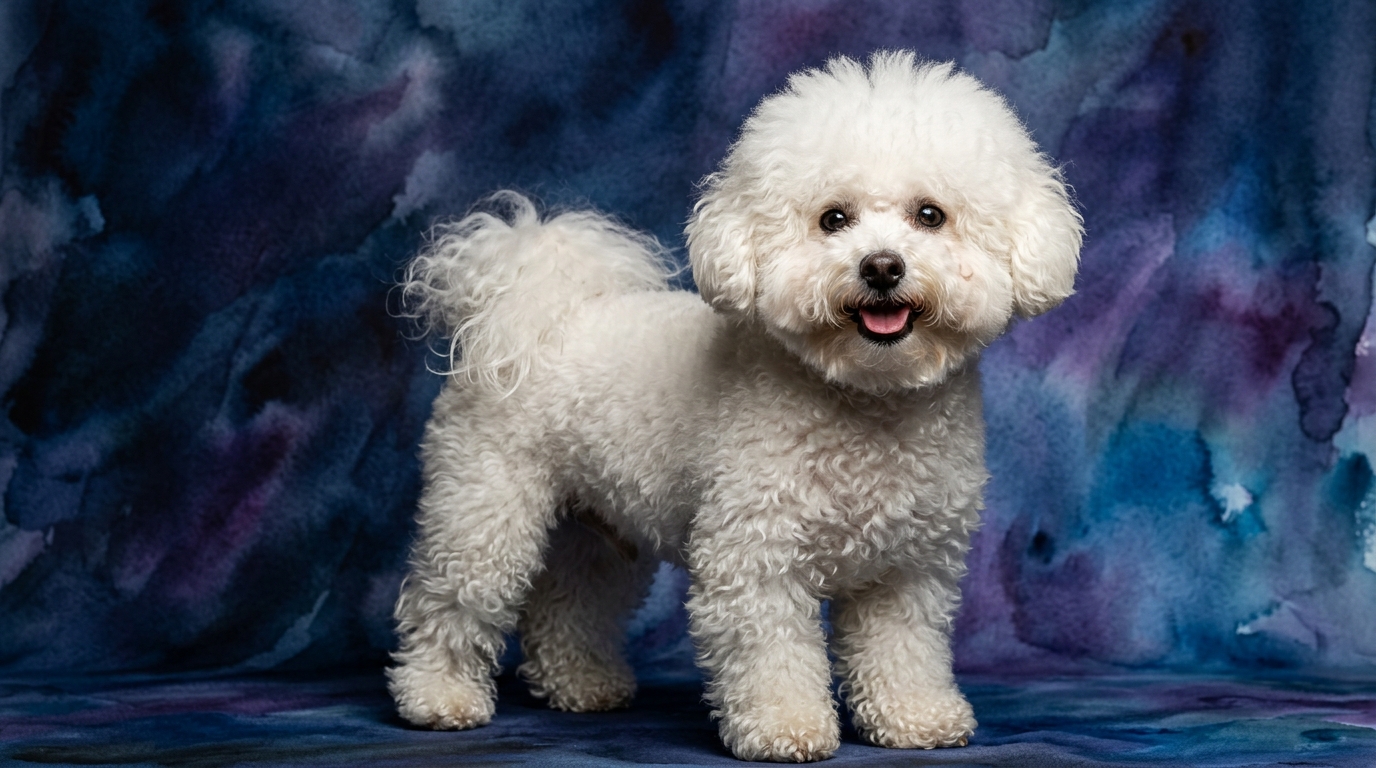
The Cosmic Pet Pet IQ Lab analysis provides a unique lens through which to compare these two distinct dog breeds. The Bichon Frisé, a Non-Sporting dog with a Coren rank of #45, exhibits a cognitive profile tailored for companionship and interaction. Its problem-solving ability is rated 3/5, indicating a moderate capacity to navigate daily challenges and learn from experiences. Training speed also stands at 3/5, suggesting a steady learning pace that benefits from consistent, positive reinforcement. Where the Bichon truly shines is its social intelligence, scoring an exceptional 5/5, reflecting a profound understanding of human emotions and social cues. Its instinctive drive is a modest 2/5, indicating a lower inclination towards primal behaviors like hunting or guarding, while memory is rated 3/5, allowing it to retain learned commands and routines effectively.
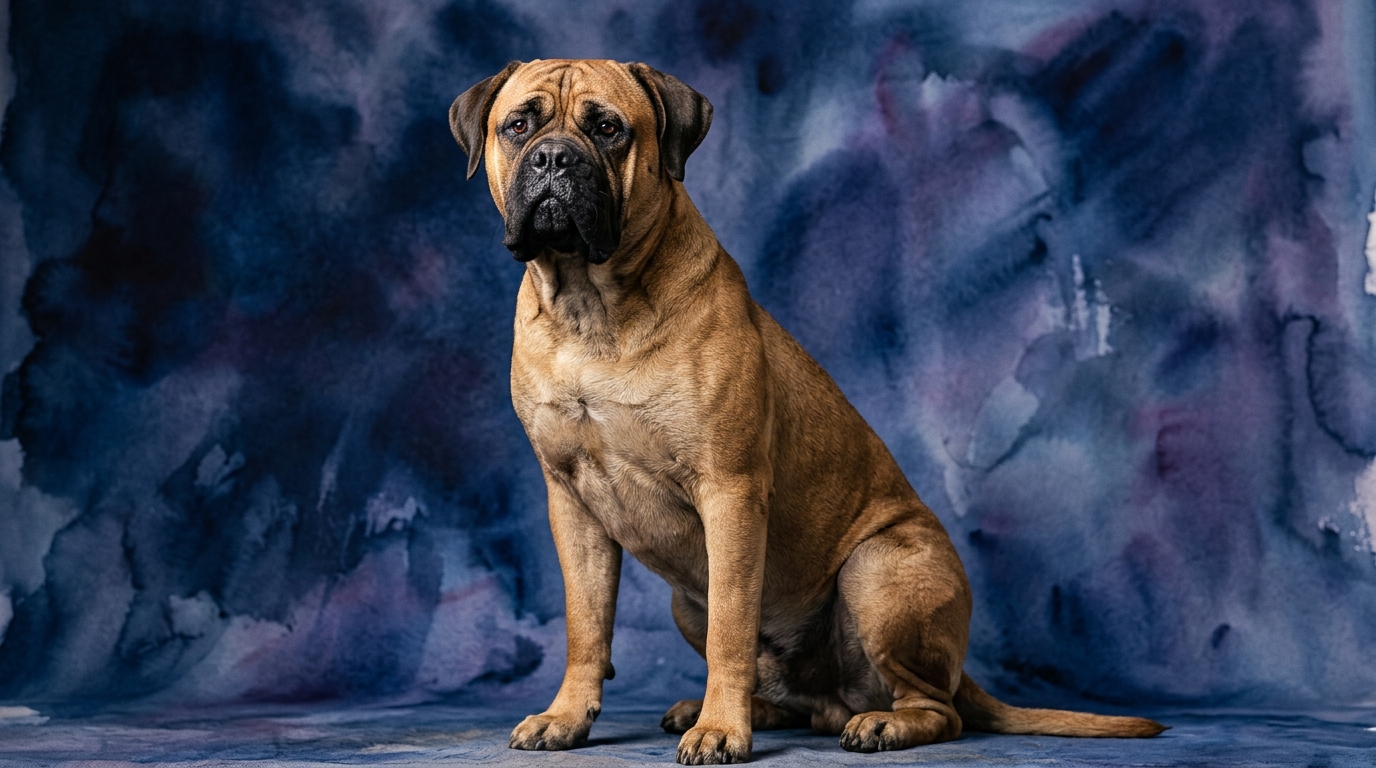
In contrast, the Bullmastiff, a Working dog with a Coren rank of #69, presents a cognitive makeup geared towards its historical role as a protector. This breed shares the Bichon's problem-solving score of 3/5, demonstrating a similar moderate aptitude for figuring out situations, though perhaps with a more deliberate approach. Its training speed is also 3/5, meaning it can learn, but often requires patience and clear, structured guidance to master new tasks. The Bullmastiff's social intelligence is rated 3/5, indicating an understanding of social dynamics but with a more reserved and less overtly expressive nature compared to the Bichon. Its instinctive drive is 3/5, reflecting a natural guardian instinct, and its memory is also 3/5, enabling it to recall past experiences and training effectively.
Despite their vast physical differences and varying Coren ranks, it's intriguing to note that both breeds share identical scores in problem-solving, training speed, and memory. This suggests that while their overall cognitive architecture might differ, their fundamental capacities in these areas are quite similar. The primary differentiators lie in their social intelligence and instinctive drive, which are deeply intertwined with their historical roles and temperaments.
Where the Bichon Frisé Excels Cognitively
The Bichon Frisé's exceptional social intelligence, scoring a perfect 5/5, stands out as its foremost cognitive strength. This breed possesses an extraordinary ability to read and respond to human emotions, making them profoundly empathetic companions. They are adept at picking up subtle cues, understanding changes in tone, and adapting their behavior to social contexts, whether it's comforting a distressed owner or engaging playfully with children. This high social aptitude allows them to integrate seamlessly into family life, often anticipating needs and offering companionship without explicit prompting.
This superior social processing means a Bichon often thrives on interaction and shared experiences, making them particularly responsive to human connection. Their cognitive framework is optimized for relational bonding, enabling them to form deep emotional attachments and navigate complex social dynamics within a household. This isn't just about being friendly; it's a sophisticated understanding of their place within the social structure and a strong drive to maintain harmonious relationships, which is a specific cognitive advantage for a companion animal.
Where the Bullmastiff Excels Cognitively
The Bullmastiff's moderate instinctive drive, rated 3/5, represents its distinct cognitive advantage, particularly in its role as a watchful guardian. This drive isn't about aggression, but rather a profound awareness of its surroundings and a natural inclination to protect its family and territory. Their cognitive strength lies in their calm vigilance; they are adept at observing and assessing situations, often making calculated judgments about potential threats without unnecessary display. This translates into a stable and reliable protective presence.
This breed's cognitive processes are geared towards observation and deterrence. While not as outwardly expressive in social contexts as a Bichon, a Bullmastiff's intellect is constantly processing environmental cues to ensure the safety of its pack. Their memory (3/5) and problem-solving (3/5) abilities are often applied within this framework, allowing them to recall past encounters and strategize appropriate responses to novel situations. Their protective instinct is a fundamental part of their cognitive makeup, shaping how they perceive and interact with the world around them.
Training Dynamics: Which Breed is Easier?
Given that both Bichon Frisé and Bullmastiffs share a training speed score of 3/5, neither breed is inherently 'easier' to train in terms of raw learning pace. However, their differing social intelligence and instinctive drives mean the *approach* to training and the types of behaviors they learn most readily can vary significantly. The Bichon Frisé, with its 5/5 social intelligence, is often highly motivated by praise, affection, and the desire to please its owner. This strong relational drive can make them eager participants in positive reinforcement training, quickly learning tricks and obedience commands that lead to social rewards. While they require consistency due to their 3/5 memory, their sensitivity to human interaction can make training feel more fluid and responsive for an owner who capitalizes on their social nature. They may, however, be more sensitive to harsh or inconsistent methods, potentially leading to anxiety or withdrawal.
The Bullmastiff, also at 3/5 training speed, approaches learning with a more independent and deliberate mindset, influenced by its 3/5 social intelligence and 3/5 instinctive drive. They are capable of learning complex commands and exhibiting excellent obedience, but they may not always display the same overt eagerness to please as a Bichon. Training a Bullmastiff often requires a patient, firm, and consistent leader who understands their protective instincts and leverages their methodical problem-solving. They respond best to clear expectations and a sense of purpose in their tasks, rather than solely performing for attention. Due to their size and potential strength, early and thorough socialization and obedience training are crucial, ensuring their natural guarding tendencies are channeled into appropriate and controlled behaviors. Their training success hinges on mutual respect and consistent leadership, making them rewarding but demanding students.
Matching Breeds to Lifestyles: Active vs. Relaxed Owners
When considering which breed aligns with an active versus a relaxed owner, their cognitive profiles offer valuable guidance beyond just physical exercise needs. The Bichon Frisé, with its exceptional 5/5 social intelligence and moderate physical requirements, is well-suited for owners who prioritize constant interaction and companionship. While they enjoy walks and playtime, their primary need is mental engagement through social contact, interactive games, and being an integral part of family activities. They thrive with owners who are present, communicative, and willing to include their pet in daily routines, making them adaptable companions for both moderately active and more relaxed individuals who value an emotionally responsive and engaging pet.
The Bullmastiff, conversely, with its 3/5 social intelligence and 3/5 instinctive drive, often suits a more relaxed owner who appreciates a calm, watchful, and steadfast presence. Despite their imposing size, Bullmastiffs are not typically high-energy dogs; they require daily walks but are often content to lounge indoors, observing their surroundings. Their cognitive inclination towards vigilance means they are alert without being hyperactive. They are ideal for owners who seek a loyal protector, are comfortable with a large breed, and can provide a predictable, stable home environment. While they bond deeply, they aren't constantly demanding attention, making them excellent companions for those who prefer a more sedate pace of life and a dog that is content to be near rather than always actively engaged.
The Verdict
Choose the Bichon Frisé if you seek an exceptionally socially attuned companion who thrives on interaction, offers emotional support, and fits seamlessly into a family-centric lifestyle with moderate exercise. They excel as engaging, adaptable pets where relational intelligence is paramount.
Choose the Bullmastiff if you desire a calm, watchful guardian with a loyal, protective instinct, suited for a more relaxed home environment that values a steadfast presence. They are ideal for owners who appreciate a gentle giant and can provide consistent, purpose-driven training.
🧠 Find Your Pet's IQ Score
Our Pet IQ Lab assessment covers 25+ tests across 5 cognitive dimensions — personalized to your breed.
Take the Full IQ Test →Frequently Asked Questions
Are Bichon Frisés good for first-time dog owners?
Yes, their high social intelligence and eagerness to please can make them responsive to training and adaptable companions for new owners. However, their moderate training speed means consistency and positive reinforcement are still crucial for success.
Do Bullmastiffs require a lot of exercise?
Despite their size, Bullmastiffs have moderate exercise needs; daily walks and some playtime are sufficient to keep them healthy. They are generally content with a calmer routine indoors, making them suitable for owners who prefer a less high-energy companion.
Which breed is more protective of its family?
The Bullmastiff, with its moderate instinctive drive (3/5), naturally leans towards guarding and protection, making it more inclined to watch over its family and home than the Bichon Frisé (2/5). This protective nature is a key aspect of their cognitive makeup.