Side-by-Side IQ Profile: Bichon Frisé vs. Cardigan Welsh Corgi
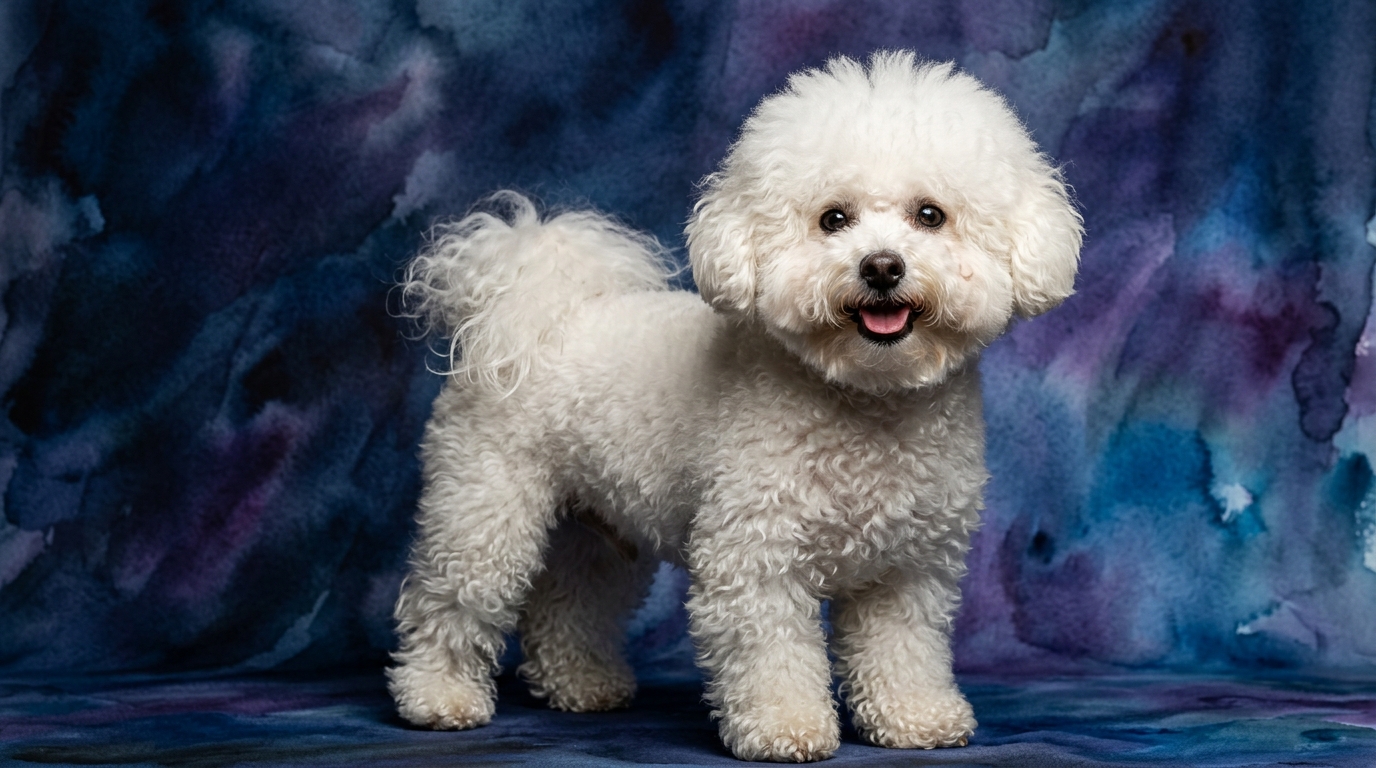
The Cosmic Pet Pet IQ Lab employs a five-dimensional framework to assess canine intelligence, providing a nuanced perspective on each breed's cognitive architecture. For the Bichon Frisé, a delightful Non-Sporting companion, their profile reveals a Problem Solving score of 3/5, indicating they can navigate moderate challenges but might require some guidance or repetition. Their Training Speed, also at 3/5, suggests they learn new commands at a steady pace, benefiting from consistent, positive reinforcement. Where the Bichon truly shines is in Social Intelligence, scoring a perfect 5/5; they are remarkably adept at reading human emotions, understanding social cues, and forming deep, empathetic bonds. Their Instinctive Drive is a modest 2/5, meaning they possess a lower inherent urge for tasks like hunting or herding, making them less prone to independent pursuits. Memory for a Bichon Frisé sits at 3/5, allowing them to retain learned behaviors and routines effectively over time.
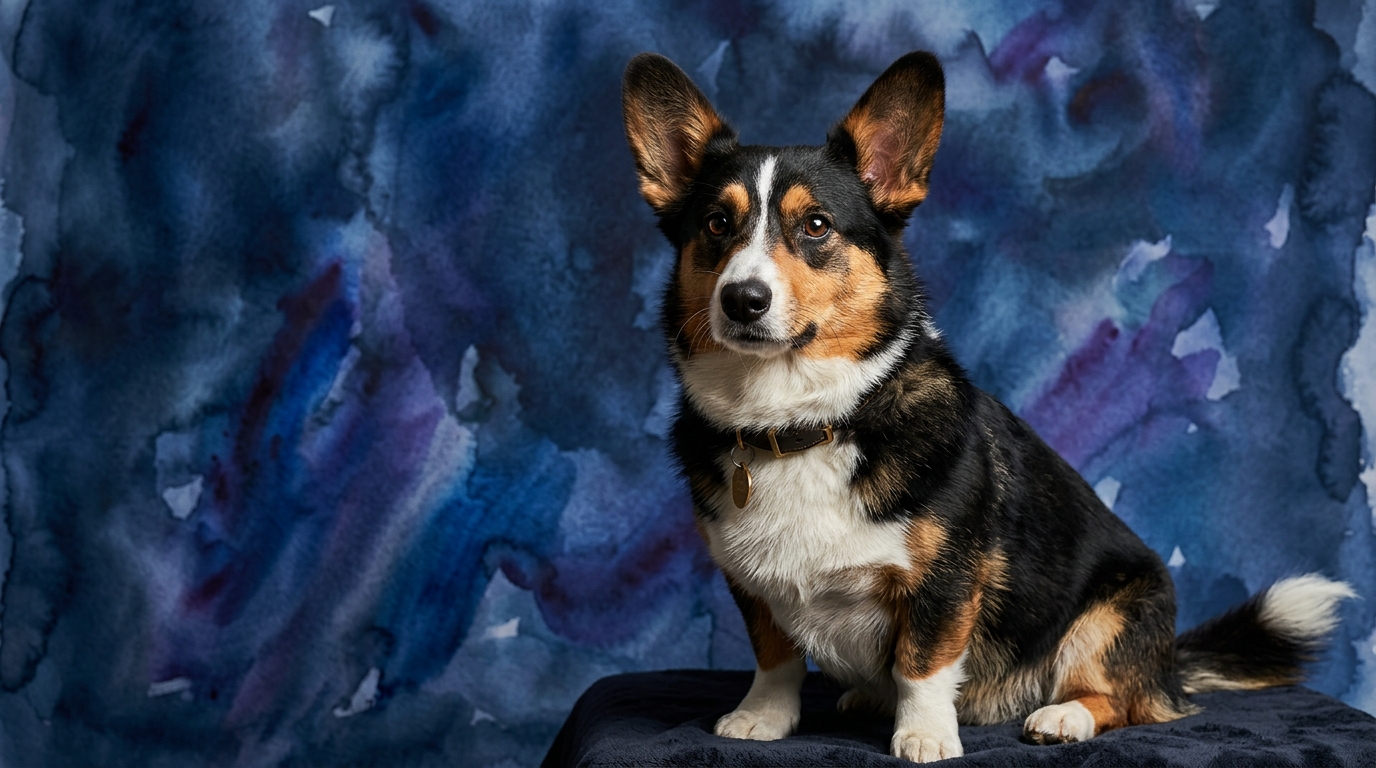
In contrast, the Cardigan Welsh Corgi, a diligent Herding breed, presents a different cognitive blueprint. Their Problem Solving capability is rated 4/5, demonstrating a greater aptitude for figuring out novel situations and overcoming obstacles independently. This enhanced cognitive flexibility often translates into resourcefulness. Training Speed for the Corgi is also a strong 4/5, implying they grasp new commands and concepts with relative quickness, often eager to engage in learning activities. Their Social Intelligence, at 3/5, is solid but less pronounced than the Bichon's; while they connect well with their families, their primary focus might lean more towards tasks or independent thought rather than pure emotional resonance. The Cardigan's Instinctive Drive is 3/5, reflecting their heritage as herders with a moderate urge to direct and organize, which can manifest in various ways, from 'herding' family members to chasing moving objects. Finally, their Memory score is an impressive 4/5, enabling them to recall complex sequences of commands and past experiences with considerable accuracy.
Where the Bichon Frisé Wins Cognitively
The Bichon Frisé's standout cognitive strength lies unequivocally in their Social Intelligence, achieving a top score of 5/5. This isn't merely about being friendly; it reflects a profound capacity for emotional attunement. A Bichon can interpret subtle changes in human tone, body language, and facial expressions, often preempting their owner's moods or needs. This makes them exceptional emotional support animals, offering comfort and companionship with an almost intuitive understanding. They excel in environments where close human interaction and empathetic responses are valued, effortlessly integrating into family dynamics and providing a constant source of emotional feedback. Their ability to form strong, reciprocal bonds makes them highly responsive to praise and affection, which in turn influences their learning and cooperation in social settings. This deep social awareness also means they are generally very sensitive to household harmony, often acting as a calming presence.
Where the Cardigan Welsh Corgi Wins Cognitively
The Cardigan Welsh Corgi's cognitive prowess shines in areas demanding more independent thought and retention. With a Problem Solving score of 4/5, Corgis frequently display ingenuity when faced with challenges, whether it's figuring out how to open a 'dog-proof' gate or navigating a complex agility course. This inherent resourcefulness often means they are less reliant on direct human intervention to resolve minor dilemmas. Complementing this is their 4/5 Training Speed, allowing them to acquire and refine new behaviors efficiently. They grasp multi-step commands and routines with relative ease, making them excellent candidates for advanced obedience, rally, or canine sports. Their superior Memory, also 4/5, ensures that these learned skills and solutions are retained over long periods, reducing the need for constant review and reinforcing their capacity for consistent performance in structured tasks. This combination of problem-solving, quick learning, and robust memory makes them highly capable working partners.
Which is Easier to Train and Why
When considering ease of training, the Cardigan Welsh Corgi generally holds an edge over the Bichon Frisé, primarily due to their higher scores in Training Speed (4/5 vs. 3/5) and Problem Solving (4/5 vs. 3/5). Corgis tend to pick up new commands and routines more quickly, often displaying an eagerness to work and a natural inclination to follow direction, a remnant of their herding heritage. Their problem-solving abilities mean they can often generalize learned behaviors to new situations with less explicit instruction. For instance, a Corgi might more readily understand that 'sit' applies regardless of location or minor distractions, whereas a Bichon might initially need more contextual training. Corgis also possess a moderate Instinctive Drive (3/5), which, when channeled correctly, can be a powerful motivator for task-oriented training, making them receptive to activities that engage their minds and bodies.
The Bichon Frisé, while trainable, learns at a steadier pace. Their 3/5 Training Speed means they require more consistent repetition and patience. Their lower Instinctive Drive (2/5) means they might not be as inherently motivated by 'work' or task completion; instead, their motivation largely stems from their high Social Intelligence (5/5). They are eager to please their beloved humans and respond exceptionally well to positive reinforcement, especially praise and affection. Training a Bichon is highly effective when framed as an interactive, bonding experience rather than a strict regimen. While a Corgi might respond well to a challenging puzzle, a Bichon will respond best to a game that involves shared joy and affirmation. Understanding these core motivational differences is key to successful training for both breeds.
Which Suits Active Owners vs. Relaxed Owners
The cognitive profiles of these breeds offer clear guidance for matching them with owner lifestyles. The Cardigan Welsh Corgi, with its stronger Problem Solving (4/5), Training Speed (4/5), and moderate Instinctive Drive (3/5), generally thrives with more active owners. These dogs appreciate mental stimulation and physical engagement. Owners who enjoy activities like dog sports (agility, obedience, herding trials), long walks, puzzle toys, or consistent training sessions will find a Corgi to be an eager and capable partner. Their robust memory and quick learning mean they benefit from structured routines and challenges that allow them to use their cognitive faculties, preventing boredom which can sometimes lead to mischief. They are not content to merely observe; they prefer to participate and engage actively with their environment and their people.
Conversely, the Bichon Frisé, with its unparalleled Social Intelligence (5/5) and lower Instinctive Drive (2/5), is often an ideal companion for more relaxed owners or those seeking a deeply connected, empathetic presence. While they enjoy play and regular walks, their primary need is for companionship and close emotional interaction rather than strenuous physical or mental tasks. They are content with being central to family life, offering comfort and absorbing the emotional nuances of their human companions. Owners who appreciate a sensitive, affectionate lapdog that is highly attuned to their moods will find the Bichon to be an excellent fit. Their cognitive strengths make them low-maintenance in terms of requiring constant 'work' but high-maintenance in terms of needing consistent social engagement and affection. They flourish in environments where their social needs are met through cuddles, gentle play, and simply being present with their family.
The Verdict
Choose the Bichon Frisé if your priority is a deeply empathetic, emotionally attuned companion who thrives on social interaction and offers unwavering affection, suitable for a more relaxed lifestyle focused on companionship.
Opt for the Cardigan Welsh Corgi if you seek a resourceful, quick-learning partner eager for mental challenges and structured activities, ideal for active owners who enjoy engaging their dog in training, sports, or problem-solving tasks.
🧠 Find Your Pet's IQ Score
Our Pet IQ Lab assessment covers 25+ tests across 5 cognitive dimensions — personalized to your breed.
Take the Full IQ Test →Frequently Asked Questions
Are Bichon Frise difficult to train due to their lower training speed?
Not necessarily difficult, but Bichon Frisé learn at a steady pace (Training Speed 3/5) and benefit from consistent, positive reinforcement. Their high Social Intelligence (5/5) means they are highly motivated by pleasing their owners and respond exceptionally well to praise and affection during training sessions.
Do Cardigan Welsh Corgis require a lot of mental stimulation?
Yes, Cardigan Welsh Corgis generally benefit from significant mental stimulation due to their strong Problem Solving (4/5) and Memory (4/5) scores. Their moderate Instinctive Drive (3/5) means they enjoy tasks and challenges, making puzzle toys, training games, and engaging activities crucial for their well-being.
Which breed is better for first-time dog owners?
Both breeds can be suitable for first-time owners, but their needs differ. A Bichon Frisé might be easier for a first-timer seeking an affectionate companion with lower exercise demands, while a Cardigan Welsh Corgi suits a first-timer prepared to dedicate time to consistent training and mental engagement to channel their working intelligence effectively.