Side-by-Side IQ Profile: Unpacking Cognitive Dimensions
At first glance, the Bichon Frisé, with a Coren rank of #45, appears to have a slight edge over the Chow Chow, ranked #76, in general working and obedience intelligence. However, The Cosmic Pet Pet IQ Lab’s five-dimensional breakdown offers a more granular view, revealing where each breed truly shines or faces cognitive hurdles. This isn't about one being 'smarter' overall, but about understanding their specific mental aptitudes.
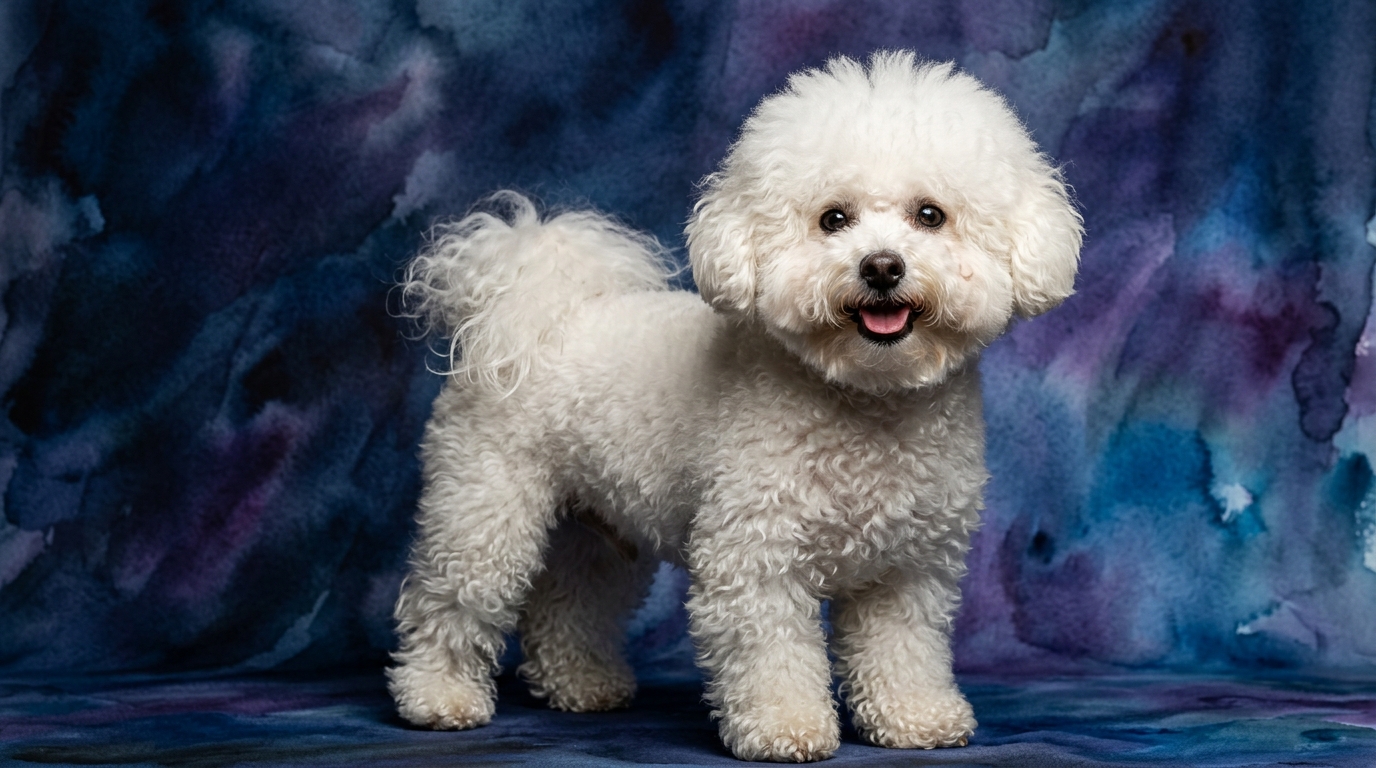
The Bichon Frisé presents a cognitive profile characterized by a balanced Problem Solving (3/5) and Training Speed (3/5), indicating an average capacity for learning and navigating new challenges. Their exceptional Social Intelligence (5/5) is a hallmark, signifying a deep attunement to human emotional states and social cues. A lower Instinctive Drive (2/5) means they are less compelled by independent tasks like hunting or guarding, while their Memory (3/5) is solid for retaining routines and commands with consistent reinforcement.
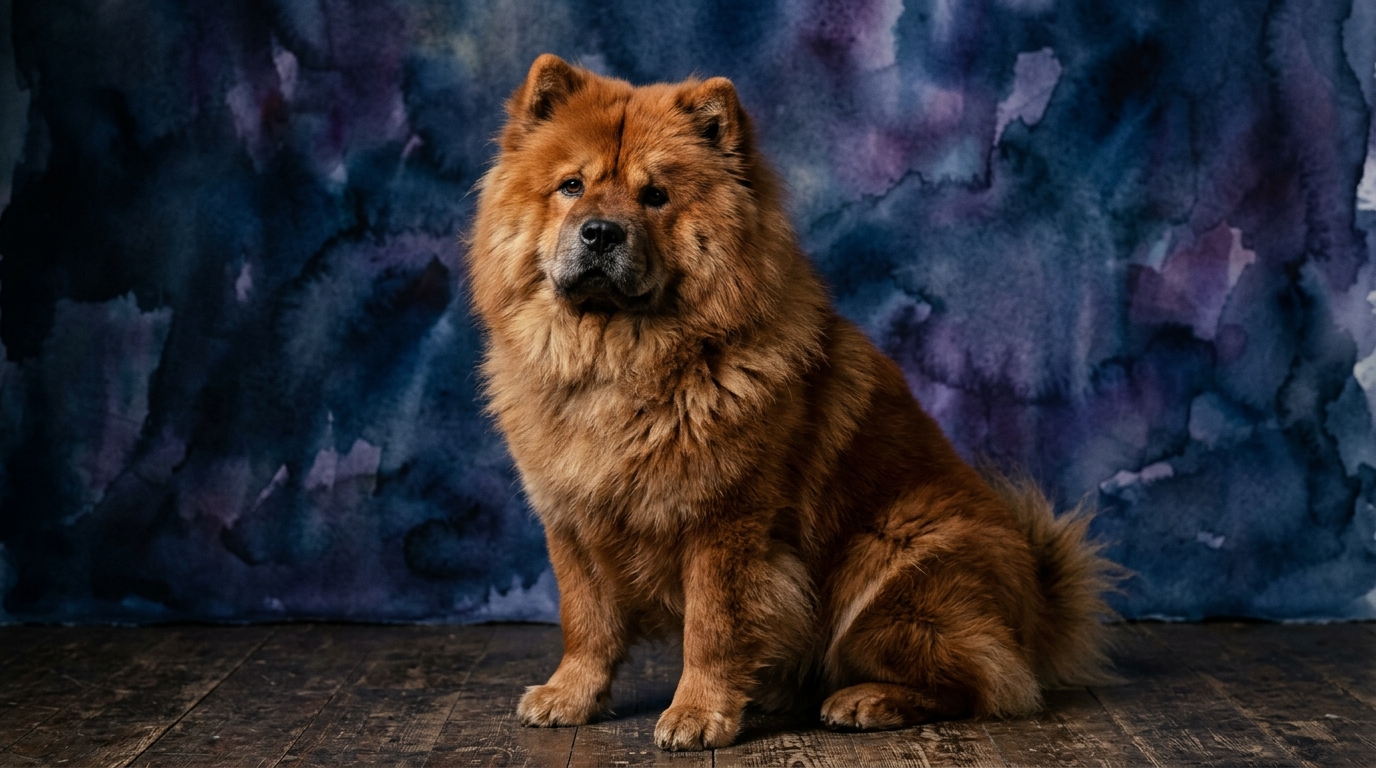
The Chow Chow shares identical Problem Solving (3/5) and Training Speed (3/5) scores with the Bichon, suggesting a similar baseline for learning capabilities. However, their Social Intelligence (3/5) is more moderate, reflecting a reserved nature and selective bonding. Their Instinctive Drive (3/5) is slightly higher than the Bichon's, pointing to a stronger inclination towards self-sufficiency and territorial awareness. Like the Bichon, their Memory (3/5) is adequate for retaining information, though their application of that memory can be influenced by their independent streak.
Where the Bichon Frisé Wins Cognitively
The Bichon Frisé's undisputed cognitive strength lies in its extraordinary Social Intelligence, rated at a perfect 5/5. This isn't just about being friendly; it's a profound ability to interpret human body language, vocal inflections, and emotional states. A Bichon often understands what you're feeling before you even articulate it, leading to a deeply empathetic and responsive companionship. This cognitive trait allows them to initiate comforting gestures, seek appropriate attention, and adapt seamlessly to various social situations, making them intuitive family members.
This high social intelligence also translates into superior adaptability within diverse social settings. A Bichon is cognitively equipped to quickly discern the social dynamics of new people and environments, generally responding with open affability rather than suspicion or shyness. This cognitive flexibility means they are less likely to experience stress in novel social encounters and more likely to integrate smoothly into different household dynamics, thriving on varied interactions.
Where the Chow Chow Wins Cognitively
The Chow Chow’s cognitive advantage emerges from its robust Instinctive Drive, rated at 3/5, which fosters a pronounced capacity for independent decision-making and self-reliance, a distinct contrast to the Bichon’s 2/5. This isn't a flaw but a strength, allowing them to be content and composed in their own company, less prone to separation anxiety, and capable of making choices that align with their own perceived utility. This self-sufficient cognitive processing means they often prefer to observe and consider before acting, rather than constantly seeking human direction.
Furthermore, this moderate instinctive drive contributes to a keen situational awareness, particularly concerning their territory. While not an explicit IQ dimension, this underlying cognitive function contributes to their ability to calmly assess their surroundings, noticing subtle changes or potential intrusions with a discerning eye. This makes them natural, albeit reserved, guardians who process environmental stimuli thoroughly, evaluating novelties or perceived threats with a quiet, watchful demeanor, often without needing immediate human intervention.
Training Dynamics: Which Breed Learns with Greater Ease?
When it comes to ease of training, the Bichon Frisé generally presents a smoother experience. Despite both breeds sharing an identical 3/5 Training Speed score, the Bichon's exceptional 5/5 Social Intelligence makes a significant difference. They are inherently motivated by human approval and connection, which translates into a strong desire to please their owners. This intrinsic motivation means they readily engage in training sessions, quickly picking up cues and responding well to positive reinforcement like praise and affection. Their lower Instinctive Drive also means fewer ingrained independent behaviors to overcome, making them more pliable and less prone to stubbornness during the learning process.
The Chow Chow, while possessing the same 3/5 Training Speed, can be more challenging to train due to their moderate 3/5 Social Intelligence and stronger 3/5 Instinctive Drive for independence. They are certainly capable of learning, but their decision to comply is often weighed against their own inclinations. This isn't a cognitive deficit; rather, it's a testament to their self-possessed nature. Training a Chow Chow demands immense patience, unwavering consistency, and a deep understanding of their motivations. They respond best to clear, firm, and fair leadership, respecting a confident handler who earns their trust rather than demanding immediate, eager obedience. High-value rewards and making training a collaborative, rather than coercive, experience are key to unlocking their cooperation. Their memory (3/5) is sound, but their recall may be selective if they perceive no immediate benefit.
Lifestyle Match: Active vs. Relaxed Owners
The Bichon Frisé is a versatile companion, capable of fitting into both active and relaxed households, though they thrive best with owners who appreciate a highly interactive pet. While their physical exercise needs are moderate, their high social intelligence means they require significant mental stimulation through play, training, and constant human companionship. They adapt well to apartment living with regular walks and interactive games but are equally happy to join more active family outings. Owners who are frequently away for extended periods or prefer a dog that is largely independent might find a Bichon’s need for social engagement more demanding.
The Chow Chow is better suited for relaxed owners who value a dignified, independent companion and are prepared to respect their unique cognitive and behavioral traits. While they do require regular, moderate exercise to maintain physical health, they are not typically high-energy dogs that demand constant activity. Their moderate social intelligence means they are content with their own company for periods, making them suitable for owners with a more predictable, less frantic lifestyle. However, their strong guarding instincts and reserved nature necessitate owners who provide a calm, structured environment and understand that their affection, once given, is profound but not effusive. They are not the breed for owners seeking a dog that will constantly seek attention or engage in boisterous play.
The Verdict
Opt for the Bichon Frisé if you seek an exceptionally socially intelligent, emotionally attuned companion who thrives on interaction and will eagerly participate in family life. Their cognitive profile makes them highly responsive to positive reinforcement, creating a rewarding training experience and a deep, empathetic bond.
Select the Chow Chow if you value a dignified, self-reliant canine companion with a strong sense of independence and a reserved affection that must be earned. Their unique cognitive strengths demand a patient owner who appreciates their quiet loyalty and is prepared to work with their intrinsic motivations rather than expecting immediate, eager compliance.
🧠 Find Your Pet's IQ Score
Our Pet IQ Lab assessment covers 25+ tests across 5 cognitive dimensions — personalized to your breed.
Take the Full IQ Test →Frequently Asked Questions
Do Bichon Frisés bark a lot due to their social intelligence?
Bichon Frisés, with their high social intelligence, are often quite communicative and can be prone to barking if not properly managed, especially when seeking attention or alerting to novelties. Early training focusing on quiet commands and redirecting their vocalizations is important to ensure their social nature doesn't lead to excessive noise.
Is the Chow Chow's independence a sign of low intelligence?
Absolutely not. The Chow Chow's independence stems from a moderate instinctive drive and a preference for self-reliance, which are distinct cognitive traits, not an indicator of low intelligence. They possess problem-solving and memory capabilities comparable to the Bichon, but apply them with a more discerning and self-directed approach.
Which breed is better for first-time dog owners?
Generally, the Bichon Frisé is often recommended for first-time dog owners due to their high social intelligence and eagerness to please, which simplifies training and integration into a new home. The Chow Chow's independent nature and specific training requirements typically benefit from an owner with prior dog experience who understands their reserved yet self-possessed demeanor.