Side-by-Side Cognitive Profiles
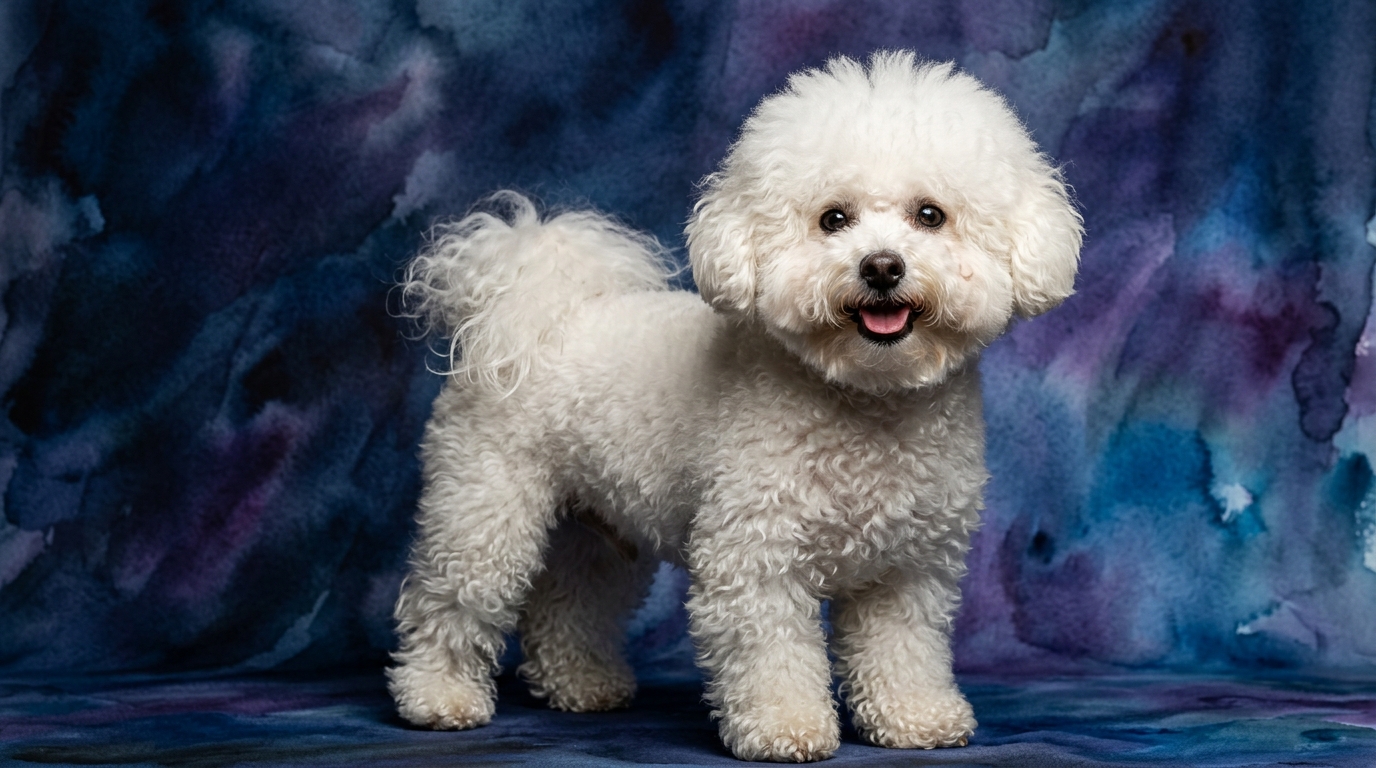
The Cosmic Pet Pet IQ Lab categorizes canine intelligence across five key dimensions, offering a granular view beyond simple rankings. For the Bichon Frisé, ranked #45 by Stanley Coren, their profile paints a picture of a socially attuned companion. Their Problem Solving is rated 3/5, indicating a moderate ability to navigate novel situations and figure out solutions independently. Training Speed also sits at 3/5, suggesting they grasp new commands at an average pace, requiring consistent but not overly repetitive instruction. Where the Bichon truly shines is in Social Intelligence, scoring a remarkable 5/5, reflecting an exceptional capacity to understand human emotions, intentions, and social cues. Their Instinctive Drive is a low 2/5, meaning they possess minimal inherent urges for activities like hunting or herding, preferring human interaction. Finally, their Memory is 3/5, allowing them to retain learned behaviors and routines effectively.
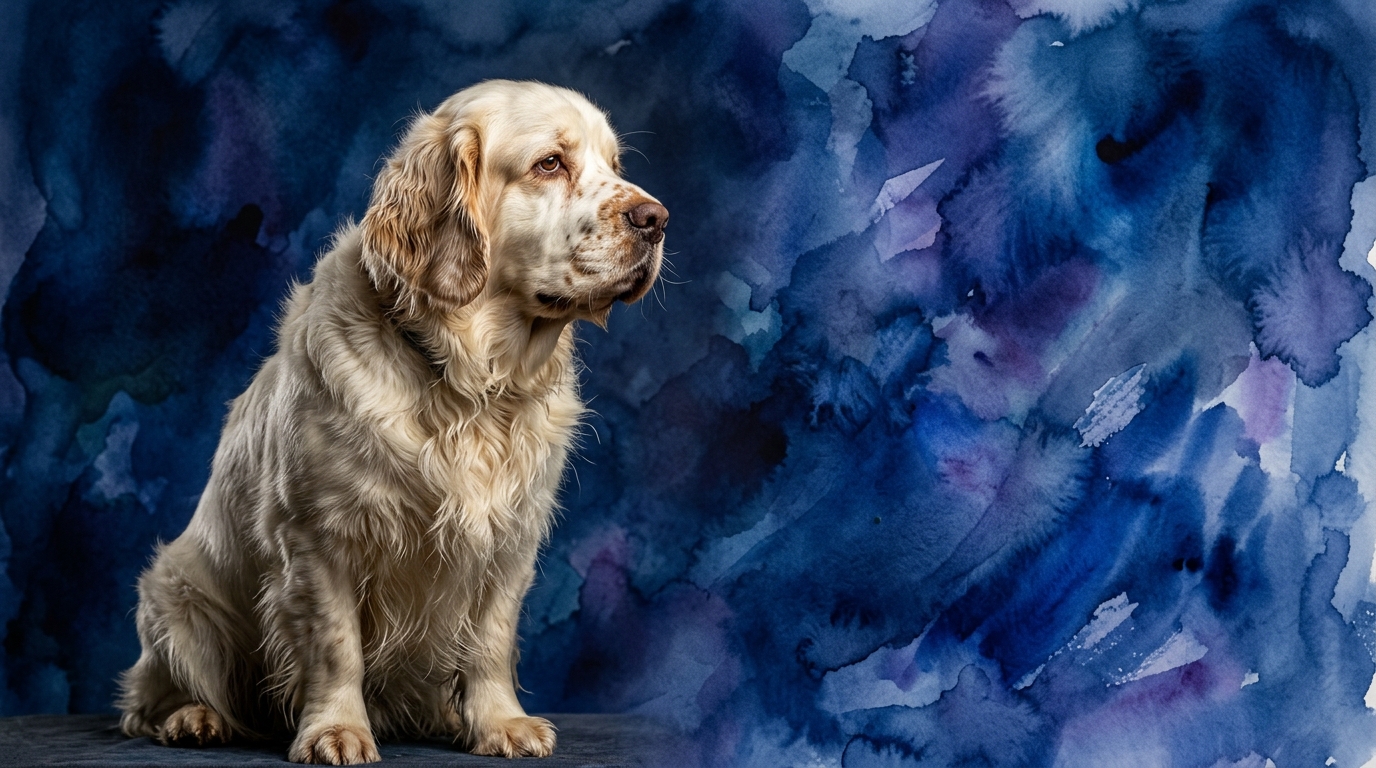
In contrast, the Clumber Spaniel, with a Coren ranking of #55, presents a more balanced, albeit distinct, cognitive makeup. Their Problem Solving matches the Bichon at 3/5, demonstrating a similar moderate aptitude for independent thought when faced with challenges. Training Speed is also 3/5, suggesting they learn at a comparable rate to the Bichon, benefiting from clear and consistent methods. The Clumber's Social Intelligence is rated 3/5, indicating they are generally responsive and aware of their human companions but may not possess the same nuanced understanding of complex social dynamics as the Bichon. Their Instinctive Drive stands at 3/5, reflecting a moderate, inherent inclination towards their sporting heritage, particularly scent work and retrieving. Their Memory is also 3/5, enabling them to recall past experiences and training effectively.
Where the Bichon Frisé Excels Cognitively
The Bichon Frisé's standout cognitive strength lies squarely in their exceptional Social Intelligence, scoring a perfect 5/5. This isn't merely about being friendly; it signifies a profound ability to interpret human body language, vocal inflections, and emotional states. A Bichon is adept at reading a room, understanding when their presence is welcomed, or when their human needs comfort. This heightened social awareness means they are often incredibly responsive to subtle cues from their owners, making them intuitive companions who can anticipate needs or moods. This cognitive advantage translates into a dog that readily forms deep, empathetic bonds and thrives on interactive play and communication, often seeming to 'understand' more than just direct commands.
Their lower Instinctive Drive (2/5) further enhances their suitability as a companion animal focused on human interaction. Unlike breeds driven by strong prey drives or herding instincts, a Bichon is less likely to be distracted by external stimuli that pull them away from their human family. This allows their substantial social intelligence to remain the primary driver of their engagement, making them particularly attuned to their domestic environment and the people within it. While their problem-solving and training speed are average, their cognitive energy is largely directed towards understanding and engaging with their social world, fostering a rich, communicative relationship with their human counterparts.
Where the Clumber Spaniel Shows its Cognitive Strengths
The Clumber Spaniel's cognitive profile, while balanced, reveals distinct strengths rooted in its heritage. Their Instinctive Drive, rated 3/5, is a key cognitive asset. This moderate drive means they possess a natural inclination for tasks associated with their sporting background, particularly scent-based activities and retrieving. This isn't just a physical trait; it's a cognitive predisposition to engage with the world through their nose and to work purposefully. While a Bichon might look to its human for social cues, a Clumber's mind is often engaged by an interesting scent trail or the prospect of finding a hidden object, making them excellent candidates for scent work, tracking, or moderate retrieving games.
While their Social Intelligence is 3/5, it's important to understand this isn't a deficit but a different focus. Clumbers are observant and generally cooperative, but their cognitive processing often includes a strong independent streak, particularly when following a scent or performing a task. This can be interpreted as a focused determination rather than a lack of social awareness. Their consistent 3/5 ratings across Problem Solving, Training Speed, and Memory, combined with their instinctive drive, suggest a reliable and steady cognitive approach. They are not prone to impulsive decisions but rather demonstrate a thoughtful, persistent method when faced with challenges or learning new tasks, often relying on their keen senses to guide their problem-solving processes.
Training Aptitude: Which is Easier and Why?
When considering ease of training, the Bichon Frisé's superior Social Intelligence (5/5) offers a distinct advantage, despite both breeds sharing a 3/5 Training Speed. A Bichon's deep understanding of human cues and desire for social interaction means they are often highly motivated by praise, positive reinforcement, and the sheer joy of pleasing their owner. They are acutely aware of what their human wants and are intrinsically rewarded by that positive connection. This makes them highly responsive to verbal and non-verbal commands, often eager to participate in training sessions as a form of social engagement. Their lower Instinctive Drive also means fewer distractions from external environmental stimuli, allowing them to focus more intently on the trainer.
The Clumber Spaniel, with its 3/5 Social Intelligence and 3/5 Instinctive Drive, approaches training with a different mindset. While they are certainly trainable and possess a respectable 3/5 Training Speed, their motivation might be more task-oriented or driven by satisfying their moderate instinctive urges. They might respond well to training that incorporates scent work or retrieving, as these activities tap into their inherent drives. However, they may also exhibit a more independent streak, especially if a scent trail proves more compelling than a verbal command. Consistency and patience are paramount with a Clumber, and finding their specific motivators—be it a favorite treat, a specific toy, or the satisfaction of a task completed—can be key to effective training. They are not as inherently driven by social approval as the Bichon, meaning a trainer needs to be more creative in maintaining engagement.
Ideal Owners: Active Pursuits vs. Relaxed Companionship
For owners seeking an active and highly interactive companion, the Bichon Frisé stands out. Their exceptional Social Intelligence means they thrive on constant human engagement, enjoying interactive games, learning new tricks, and simply being part of family activities. They benefit greatly from owners who enjoy consistent communication and can provide plenty of mental stimulation through social interaction and varied experiences. While not demanding extreme physical exertion, their cognitive needs are met through dynamic companionship and opportunities to 'converse' with their humans. An owner who appreciates a dog that seems to understand their every mood will find a rewarding partnership with a Bichon.
The Clumber Spaniel, while also enjoying companionship, might be better suited for owners who appreciate a more relaxed physical presence but can engage their moderate Instinctive Drive. Despite their sometimes-sedate appearance, Clumbers benefit from purposeful activities that engage their senses, such as leisurely sniff walks, moderate retrieving games in the yard, or even basic scent work challenges. They don't require high-intensity exercise but do need opportunities to use their natural talents. An owner who enjoys quiet contemplation with their dog or engages in low-key outdoor activities where the Clumber can explore scents will find a deeply content companion. They fit well with individuals or families who offer a calm, consistent environment and appreciate a dog with a steady, independent disposition.
The Verdict
Choose the Bichon Frisé if you seek a highly socially intelligent companion who thrives on deep human connection, empathetic understanding, and is motivated by praise and interaction.
Opt for the Clumber Spaniel if you appreciate a dog with a steady, independent nature, moderate instinctive drives for scent work, and a calm presence that enjoys purposeful, lower-intensity activities.
🧠 Find Your Pet's IQ Score
Our Pet IQ Lab assessment covers 25+ tests across 5 cognitive dimensions — personalized to your breed.
Take the Full IQ Test →Frequently Asked Questions
Is a Bichon Frisé truly more 'empathetic' than a Clumber Spaniel?
The Bichon Frisé's 5/5 Social Intelligence suggests a superior capacity to interpret and respond to human emotions and social cues, often appearing more 'empathetic' in their interactions. While Clumbers (3/5) are certainly aware, their cognitive focus may be less on nuanced emotional understanding and more on task or environmental engagement.
Do Clumber Spaniels need a lot of exercise despite their calm demeanor?
Clumber Spaniels have a moderate Instinctive Drive (3/5) and benefit from regular, moderate exercise that engages their senses, like sniff walks or retrieving. They don't require high-intensity workouts but do need outlets for their natural sporting instincts to keep them mentally content, even if their physical energy appears low.
Which breed is better for first-time dog owners?
Both breeds have a 3/5 Training Speed, meaning they are moderately easy to train with consistency. However, the Bichon Frisé's higher Social Intelligence (5/5) can make them more forgiving and responsive to a novice owner's attempts at communication, making them a slightly more intuitive choice for a first-timer seeking an emotionally attuned companion.