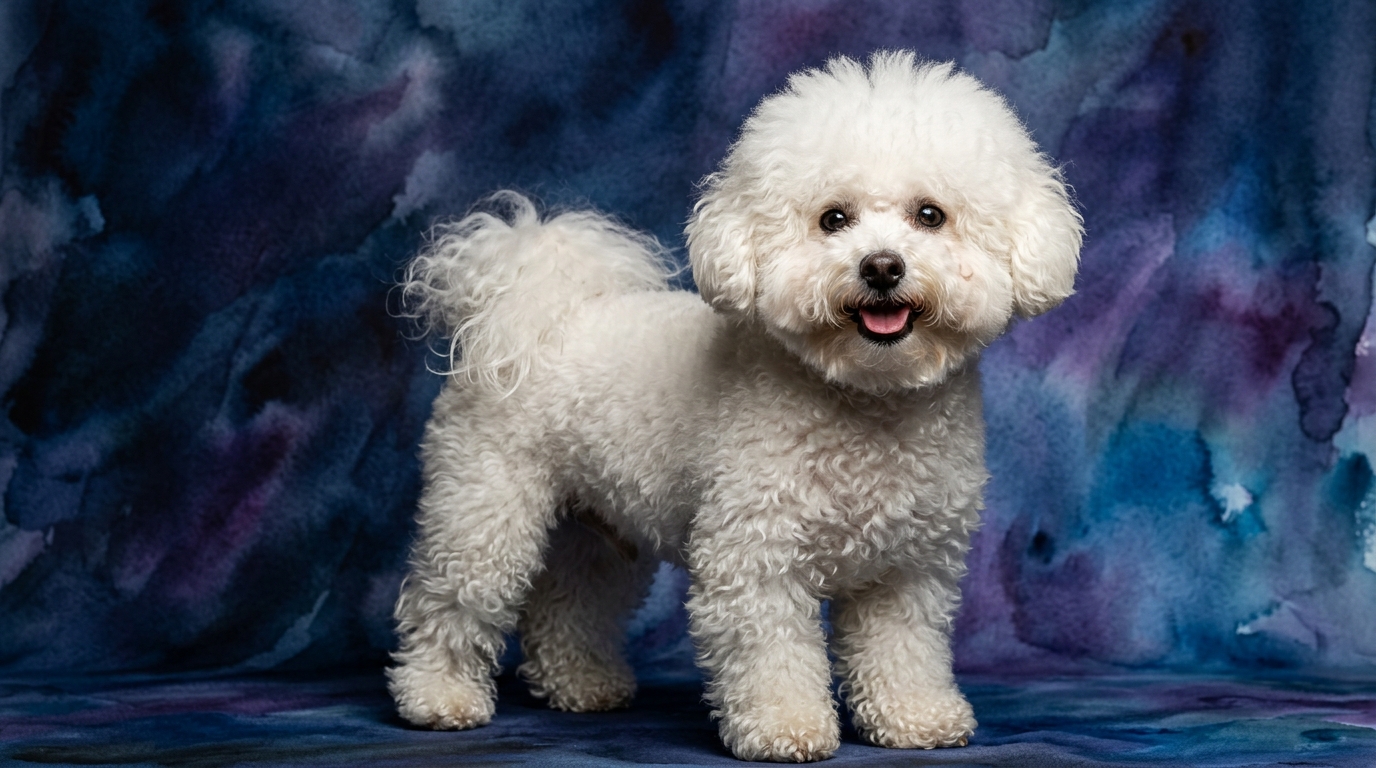
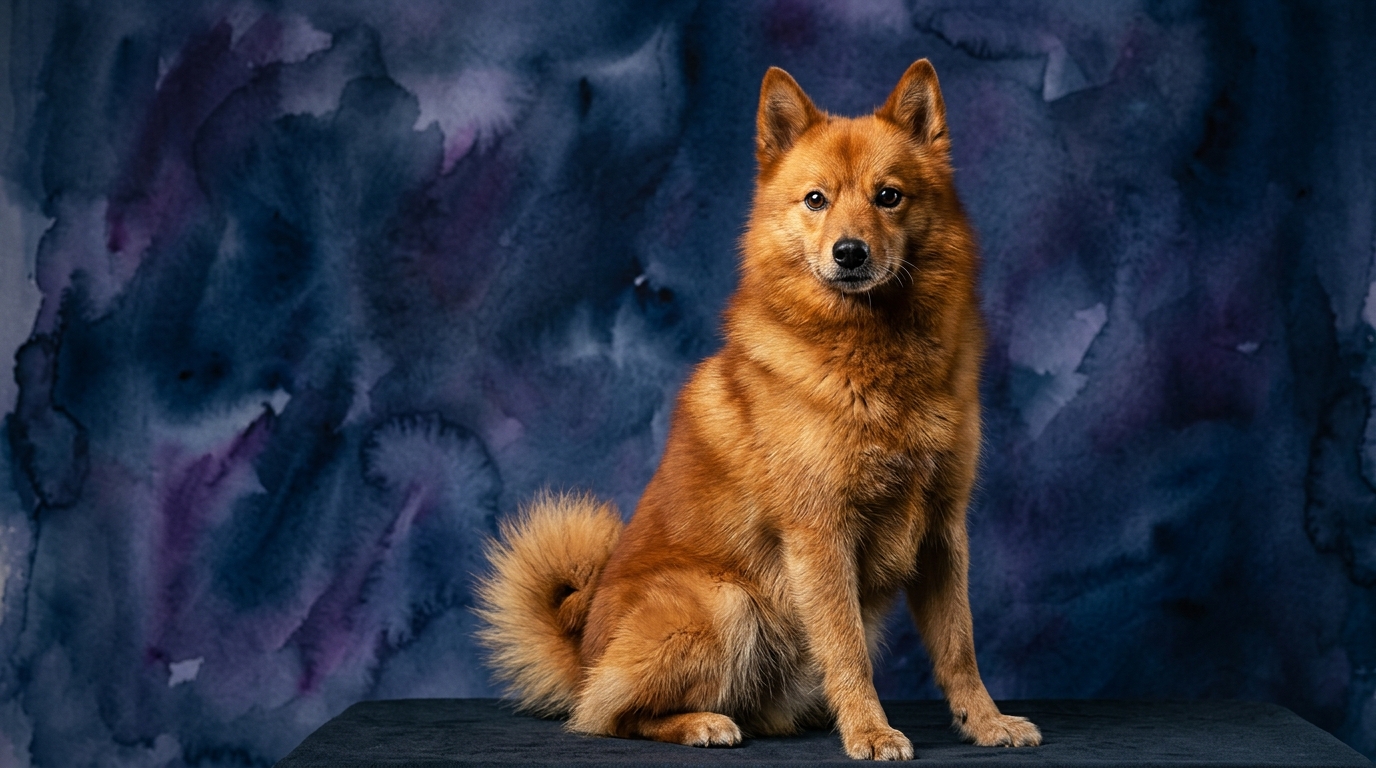
Side-by-Side IQ Profile: Bichon Frisé vs. Finnish Spitz
The Bichon Frisé presents a delightful blend of cognitive traits, scoring 3/5 in Problem Solving. This indicates a capacity for learning routines, navigating familiar environments, and solving basic puzzles, often with a reliance on human guidance. Their Training Speed also stands at 3/5, suggesting they absorb commands effectively with consistent, positive reinforcement, driven by an inherent desire to please. A standout trait is their exceptional Social Intelligence, rated 5/5. Bichons are profoundly attuned to human emotions and social cues, excelling at forming deep, empathetic bonds and understanding subtle shifts in mood. Their Instinctive Drive is comparatively low at 2/5, meaning minimal prey drive or strong territorial urges, making them generally adaptable to diverse living situations. Finally, their Memory is solid at 3/5, allowing them to retain learned commands, routines, and recognize people and places reliably, contributing to their consistent companionship.
The Finnish Spitz, often dubbed the 'Barking Bird Dog,' exhibits a distinct cognitive makeup. Their Problem Solving ability is rated 3/5, demonstrating an aptitude for figuring out environmental challenges, such as opening gates or locating desired objects, often employing their vocalizations as part of their strategy. Training Speed is also 3/5, indicating they can learn new commands at a moderate pace, though their independent spirit means training requires patience, creativity, and a deep understanding of their motivations. In Social Intelligence, they score 3/5; while deeply bonded with their immediate family, they can be more reserved with strangers and express their needs and desires vocally rather than through subtle cues. A defining characteristic is their Instinctive Drive, rated 3/5, which includes a strong, specialized hunting instinct for birds, often expressed through rapid, high-pitched barking, alongside a moderate territorial awareness. Their Memory is rated 3/5, allowing them to effectively recall training, environmental layouts, and experiences pertinent to their natural instincts.
Where the Bichon Frisé Wins Cognitively
The Bichon Frisé shines brightly in areas that prioritize human-canine connection and adaptability. Their superior Social Intelligence, scoring a perfect 5/5 compared to the Finnish Spitz's 3/5, makes them extraordinarily empathetic companions. This cognitive strength allows them to intuitively grasp human moods, offer comfort, and seamlessly integrate into complex family dynamics, often anticipating emotional needs without explicit cues. They are masters of non-verbal communication within a human context, making them incredibly intuitive pets.
Furthermore, their lower Instinctive Drive (2/5) provides a practical cognitive advantage in many modern households. While not a measure of raw intellectual capacity, this reduced impulse for activities like hunting or guarding means fewer behavioral challenges related to these drives. Owners of Bichons generally face less need to manage strong prey drives or territorial behaviors, allowing for a more harmonious coexistence in urban or busy environments without specialized instinct redirection.
Where the Finnish Spitz Wins Cognitively
The Finnish Spitz demonstrates distinct cognitive strengths rooted in their ancestral purpose, particularly highlighted by their Instinctive Drive score of 3/5. This isn't just about possessing an instinct; it's about the sophisticated cognitive programming behind it. Their specialized vocal hunting technique, often called 'yodeling' or 'barking to point,' requires a complex interplay of sensory processing, memory of prey behavior, and precise vocal modulation to alert hunters effectively. This intricate, self-directed problem-solving within a natural context is a unique cognitive specialization.
While both breeds score 3/5 in Problem Solving, the Finnish Spitz often applies this capacity with a more independent, self-reliant approach. They are adept at navigating their environment and devising solutions to achieve their goals, whether it's finding a vantage point or engaging their vocalizations to express a desire, often without constant human oversight. Their problem-solving is less about pleasing a human and more about achieving an internal objective, showcasing a different kind of cognitive independence.
Which is Easier to Train and Why
When considering trainability, the Bichon Frisé generally presents a smoother path for most owners due to their cognitive profile. Their high Social Intelligence and strong desire to please, coupled with their lower Instinctive Drive, make them highly receptive to human direction. They are motivated by praise, affection, and the opportunity to interact with their owners, readily forming associations between commands and positive outcomes. This means they often pick up basic obedience quickly and are less likely to be distracted by strong environmental stimuli like squirrels or distant sounds, which might trigger a more instinct-driven breed.
In contrast, the Finnish Spitz, while perfectly capable of learning, requires a more nuanced approach. Their independence and strong instinctive drives, particularly their vocalizations and hunting focus, mean training must be highly engaging, consistent, and reward-based to capture their attention. They are not inherently disobedient but are driven by their own internal motivations, which can sometimes supersede a desire to simply comply. Owners must understand and work with their natural tendencies, rather than against them, to achieve training success.
Which Suits Active Owners vs. Relaxed Owners
The choice between these two breeds often hinges on an owner's lifestyle and their capacity to meet specific cognitive and behavioral needs. The Finnish Spitz is an ideal match for active owners who appreciate a companion with a robust connection to their natural instincts. They thrive with opportunities for outdoor exploration, 'hunting' games that simulate their birding instincts, and owners who can tolerate and even enjoy their characteristic vocalizations. Their independent problem-solving and moderate instinctive drive mean they need mental stimulation that goes beyond simple obedience, often benefiting from scent work or agility that taps into their innate abilities.
Conversely, the Bichon Frisé is perfectly suited for more relaxed owners who prioritize close companionship and indoor activities. Their high social intelligence means they flourish in environments rich with human interaction, enjoying moderate walks, indoor play, and simply being a part of the family's daily rhythm. They are less demanding of extensive structured outdoor exercise and more content with being a constant, affectionate presence.
The Verdict
Choose the Bichon Frisé if you seek an exceptionally empathetic, emotionally attuned companion that thrives on close human interaction, requires less management of strong natural instincts, and fits seamlessly into a home environment with moderate activity levels.
Opt for the Finnish Spitz if you desire an independent, vocal, and spirited companion with a strong connection to their natural instincts, enjoy outdoor activities, and are prepared to engage with their unique communication style and problem-solving approach.
🧠 Find Your Pet's IQ Score
Our Pet IQ Lab assessment covers 25+ tests across 5 cognitive dimensions — personalized to your breed.
Take the Full IQ Test →Frequently Asked Questions
Is the Bichon Frisé difficult to house train?
While their problem-solving and memory scores are moderate, their strong desire to please and high social intelligence generally make Bichons receptive to house training with consistent positive reinforcement. Early and consistent training is key to success.
Do Finnish Spitz bark excessively?
Yes, Finnish Spitz are known for their distinctive, rapid, high-pitched barking, which is a key part of their historical role as hunting dogs. Owners must be prepared for their vocal nature, which serves as a form of communication and an expression of their instincts.
Which breed is better with children?
The Bichon Frisé, with its exceptional social intelligence and gentle nature, often adapts very well to families with children, thriving on interaction and attention. The Finnish Spitz can also be good with children, but their independent streak and vocal nature may require more supervision and teaching children to respect their boundaries.