Side-by-Side Cognitive Profiles: Decoding the Breeds
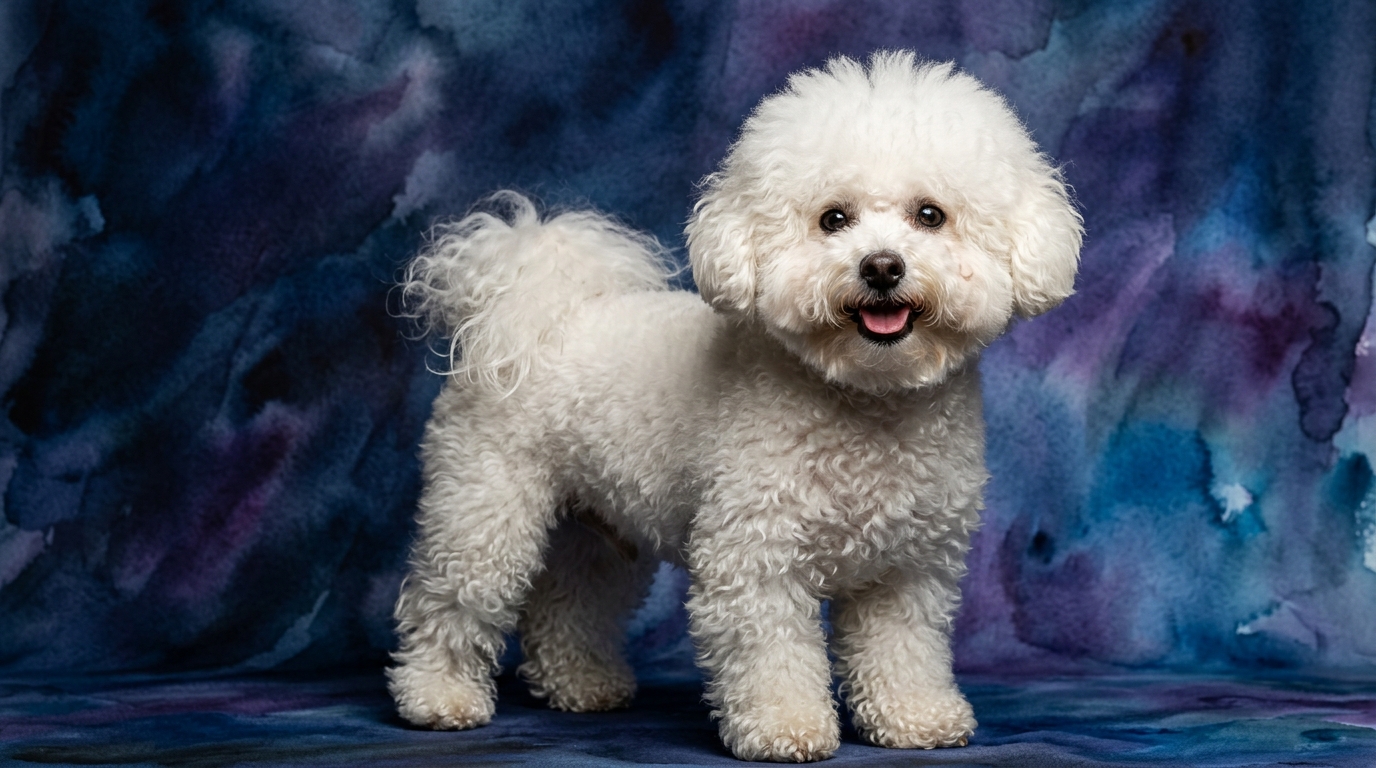
Delving into the cognitive landscape of the Bichon Frisé reveals a companion whose strengths are finely tuned for domestic life. For Problem Solving (3/5), they are capable of navigating moderately complex challenges, often relying on observation and trial-and-error, particularly when a social reward is involved. They can figure out how to access toys or navigate familiar environments. Their Training Speed (3/5) indicates they respond well to positive reinforcement and consistent methods, learning new commands at an average pace; their desire for connection is a strong motivator, but they aren't instant learners. Social Intelligence (5/5) is their standout strength, as they are exceptionally attuned to human emotions and social cues, often anticipating needs and reacting with empathy, excelling in understanding complex family dynamics. Their Instinctive Drive (2/5) is lower, meaning they possess less natural drive for traditional "dog work" like hunting or guarding, with their instincts geared more towards companionship and interaction. Finally, their Memory (3/5) allows them to hold onto learned behaviors and routines effectively, remembering people and places with good recall, and retaining a decent repertoire of commands.
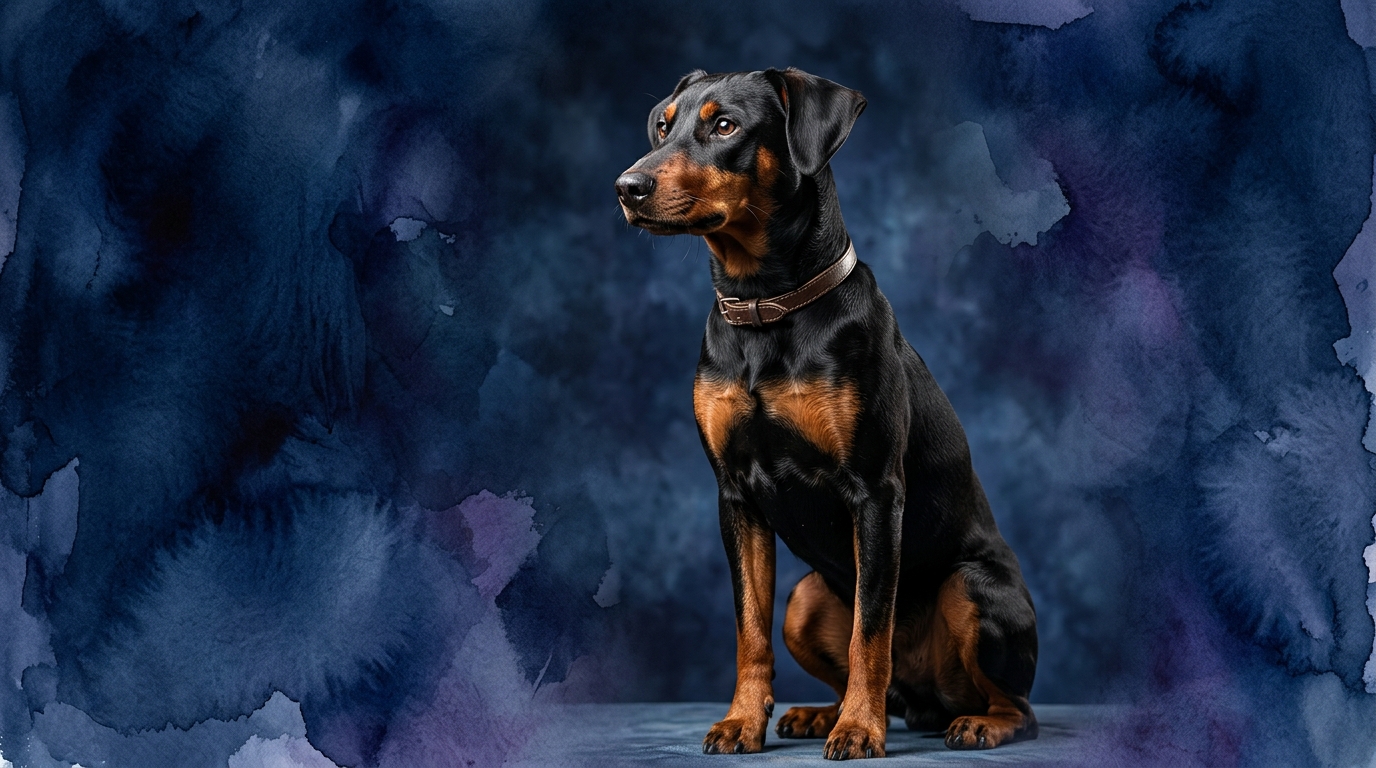
The German Pinscher presents a different, yet equally capable, cognitive blueprint, reflecting its working heritage. Their Problem Solving (3/5) demonstrates an average capacity, able to work through obstacles to achieve a goal, such as finding hidden treats, with their determination often aiding their problem-solving. In terms of Training Speed (3/5), they learn at a consistent pace, benefiting from clear, firm, and consistent training; while not exceptionally quick, they are reliable learners once a concept is grasped. Social Intelligence (3/5) for the German Pinscher exhibits a moderate level, understanding human cues and interacting appropriately within their family, being loyal but potentially reserved with strangers. Their Instinctive Drive (3/5) is balanced, incorporating elements of historical roles as vermin hunters and guardians, manifesting as alert behavior, moderate prey drive, and a desire for purpose. Their Memory (3/5) allows them to retain learned information and experiences with good reliability, remembering training commands and routines, and building strong associations.
Where the Bichon Frisé Cognitively Excels
The Bichon Frisé’s exceptional social intelligence (5/5) is its most striking cognitive advantage. Their primary drive is rooted in understanding and participating in human social structures, making them masters of emotional reciprocity. They often anticipate a family member's mood or needs, responding with comforting or playful gestures. This deep social acumen means they are incredibly sensitive to subtle changes in tone, body language, and routine, making them highly adaptable companions in a domestic setting. Their lower instinctive drive (2/5) further channels their cognitive energy into these social interactions, making them less prone to independent pursuits and more focused on their human pack. This translates into a dog that not only learns commands but truly understands the social context of those commands, responding to the implied request within the relationship.
Where the German Pinscher Cognitively Excels
The German Pinscher, while scoring consistently across the board, finds its cognitive strength in a balanced and purposeful drive, particularly evident in its instinctive drive (3/5). Originating as farm dogs, their cognitive profile reflects a history of active engagement with their environment. Their problem-solving (3/5) and training speed (3/5) are underpinned by a steady determination and a desire for tasks, rather than solely social interaction. This manifests as a dog that approaches new challenges with thoughtful persistence, often working through an obstacle until a solution is found, driven by an internal motivation that goes beyond mere reward. Their moderate social intelligence (3/5) means they are discerning and form strong bonds, but their cognitive energy is also directed towards vigilance and engagement with their surroundings, making them alert and capable partners in activities requiring focus and stamina.
Training Aptitude: Which Breed is Easier to Shape?
Comparing their training speed (both 3/5), neither breed is inherently "easier," but their approach to training differs significantly due to their distinct social and instinctive profiles. The Bichon Frisé, with its superior social intelligence (5/5), often appears more eager to please and more attuned to the trainer's emotional state. They thrive on positive reinforcement and affection, interpreting training as a collaborative social game. While their training speed isn't exceptional, their high social intelligence means they are highly motivated by praise and connection, making them responsive to gentle, consistent methods. They are less likely to challenge authority and more inclined to cooperate if they feel understood and valued.
The German Pinscher, conversely, while also a 3/5 for training speed, requires a more structured and firm approach. Their balanced instinctive drive (3/5) means they possess an inherent independence and a need for clear leadership. They learn reliably but may test boundaries or require more repetition to solidify commands, especially if consistency is lacking. Their moderate social intelligence (3/5) means they respond well to clear, concise commands and fair consequences, but they might not be as intuitively tuned into subtle human emotional cues as a Bichon. Training a German Pinscher often involves channeling their energy and purpose into constructive activities, making them excellent candidates for advanced obedience or dog sports where their determination can shine. For many owners, the experience of training will feel more fluid with a Bichon Frisé due to their intrinsic desire for social harmony.
Matching Cognitive Profiles to Owner Lifestyles
When considering owner lifestyles, the cognitive profiles of the Bichon Frisé and German Pinscher steer them towards distinct environments. The Bichon Frisé, with its outstanding social intelligence (5/5) and lower instinctive drive (2/5), is an ideal companion for more relaxed owners or those seeking a deeply connected, emotionally responsive pet. They thrive in homes receiving ample social interaction, gentle companionship, and participation in family activities. Their moderate problem-solving (3/5) and memory (3/5) mean they enjoy engaging with puzzle toys and learning new tricks, but their primary cognitive fulfillment comes from human relationships. They are less prone to seeking independent adventures or requiring extensive, physically demanding tasks, making them suitable for apartment living or less active households, provided consistent social engagement.
The German Pinscher, with its balanced instinctive drive (3/5) and consistent scores across all other cognitive dimensions (all 3/5), is better suited for active owners providing consistent structure, mental stimulation, and a sense of purpose. Their cognitive profile suggests a dog that benefits from regular challenges, whether through obedience training, agility, or scent work. They possess a persistent problem-solving approach and a good memory that makes them excel in structured learning environments. An active owner who enjoys outdoor activities, dog sports, or simply long, engaging walks will find the German Pinscher to be a willing and capable partner. Their moderate social intelligence means they form strong bonds, but they are not as overtly "needy" for constant social validation as a Bichon, instead thriving on purposeful interaction and a clear family role.
The Verdict
Choose the Bichon Frisé if your home thrives on emotional connection and you seek a deeply empathetic companion who prioritizes social harmony and gentle interaction. They are ideal for owners who can provide consistent companionship and appreciate a dog whose cognitive world revolves around their human family.
Opt for the German Pinscher if you are an active owner looking for a purposeful partner who thrives on structured activity, mental engagement, and a clear leadership role. They suit individuals who enjoy channeling a dog's natural drives into constructive and stimulating pursuits.
🧠 Find Your Pet's IQ Score
Our Pet IQ Lab assessment covers 25+ tests across 5 cognitive dimensions — personalized to your breed.
Take the Full IQ Test →Frequently Asked Questions
Do Bichon Frisés need a lot of mental stimulation?
While their instinctive drive is lower, Bichon Frisés benefit greatly from mental stimulation, especially those that involve social interaction or mild problem-solving. Puzzle toys, learning new tricks, and engaging in short, fun training sessions satisfy their moderate problem-solving abilities and high social intelligence, keeping them engaged and happy.
Are German Pinschers good for first-time dog owners?
German Pinschers can be suitable for first-time owners who are committed to consistent training and providing ample mental and physical exercise. Their balanced instinctive drive and need for clear leadership mean they thrive with owners who are willing to invest time in structured guidance and purposeful activities from an early age.
How do their memory skills compare in daily life?
Both breeds score a 3/5 for memory, indicating reliable recall of routines, commands, and familiar people or places. A Bichon Frisé might remember subtle social cues or past interactions with a person, while a German Pinscher might remember the sequence of an agility course or the location of a hidden toy with equal proficiency, reflecting their different cognitive priorities.