Side-by-Side IQ Profile: A Tale of Two Canines
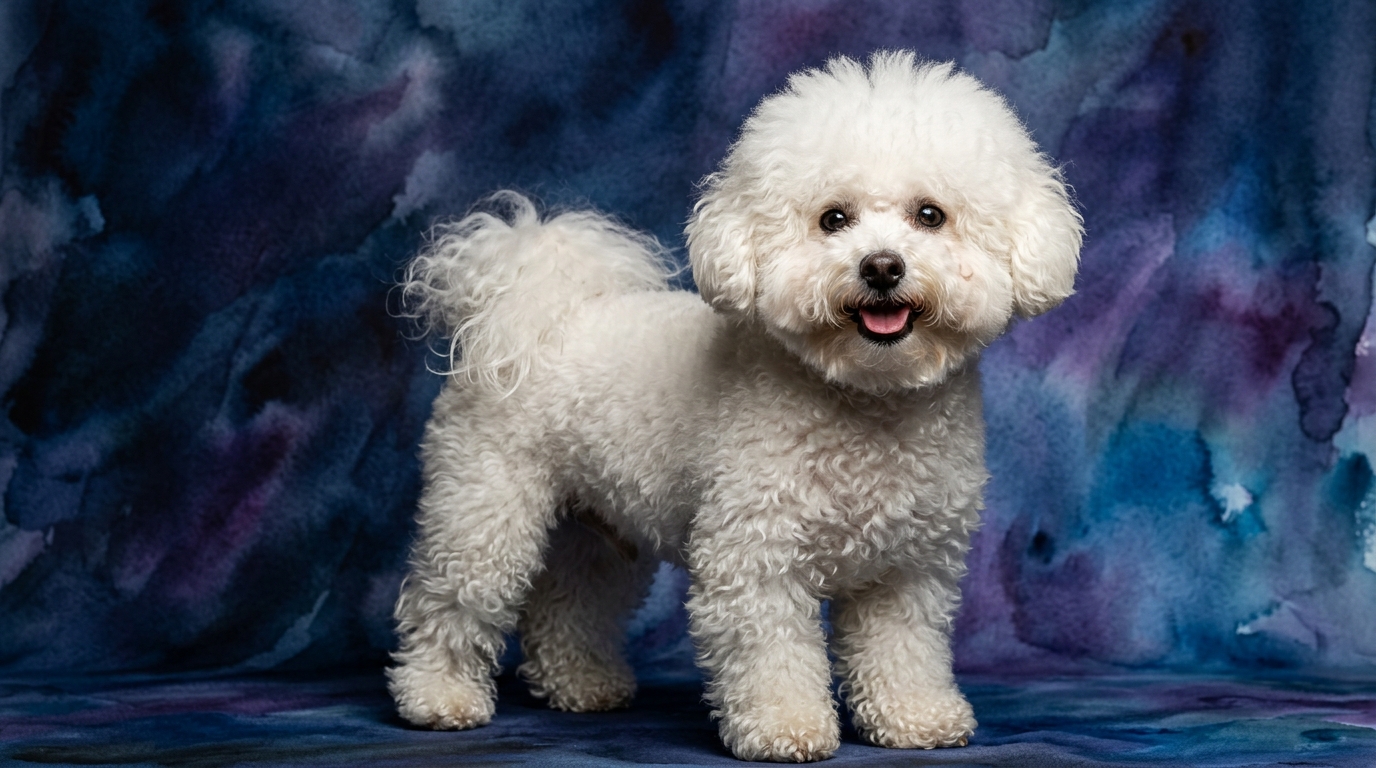
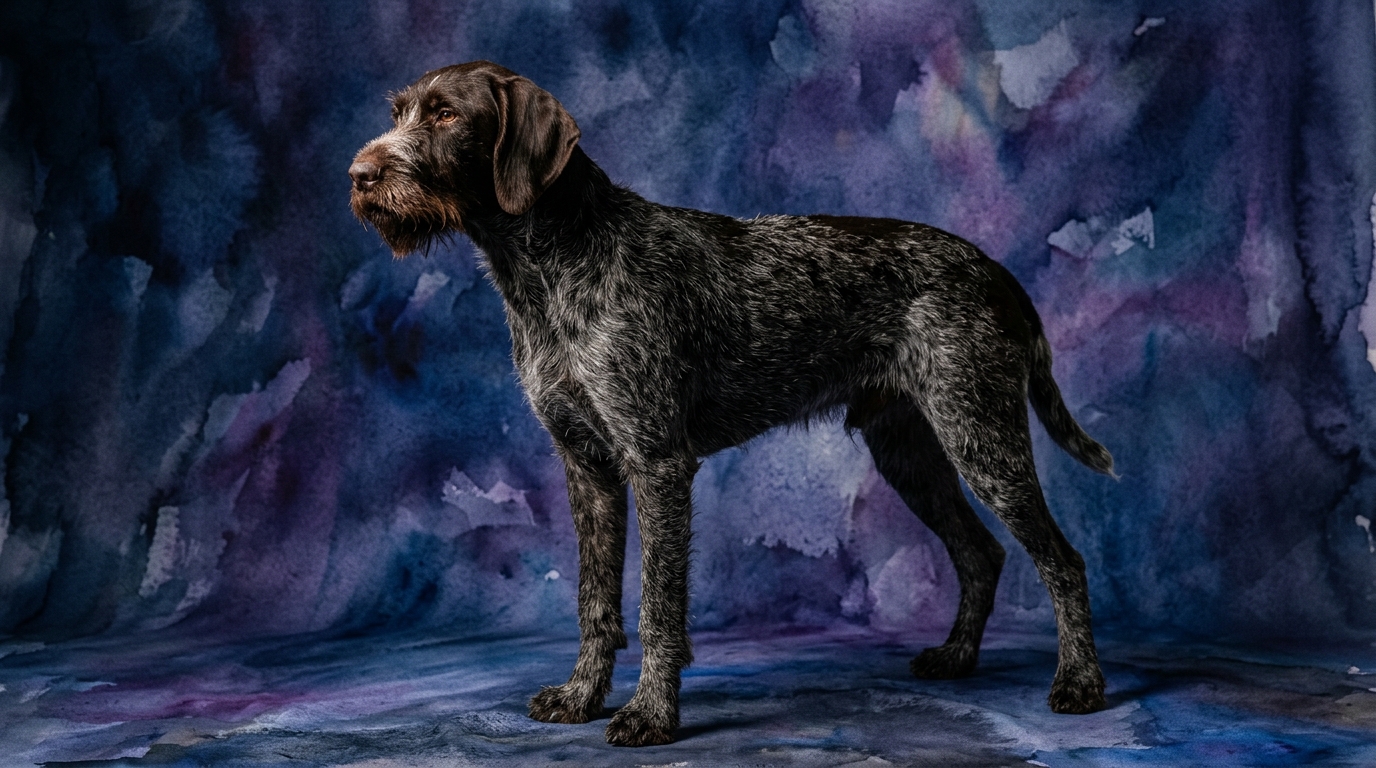
The Cosmic Pet Pet IQ Lab employs a five-dimensional framework to map canine intelligence, offering a nuanced view beyond simple obedience. For the Bichon Frisé, a Coren rank of #45 positions them as a solid learner, while the German Wirehaired Pointer, at #28, typically grasps new commands with greater speed, reflecting their working heritage. Let's break down how their individual cognitive profiles paint a clearer picture of their distinct intellects.
Problem Solving: The German Wirehaired Pointer (4/5) demonstrates a robust capacity to navigate novel situations and figure out solutions, often driven by their innate curiosity and purpose-driven nature. The Bichon Frisé (3/5), while capable, approaches challenges with a more moderate, perhaps less independent, problem-solving style, often looking to their human companions for guidance rather than forging their own path.
Training Speed: With a score of 4/5, the German Wirehaired Pointer typically absorbs and retains new commands quickly, a trait honed by generations of working alongside humans in demanding environments. The Bichon Frisé (3/5) learns at a steady pace, requiring consistent, positive reinforcement, but may not show the same immediate grasp of complex sequences as their sporting counterpart.
Social Intelligence: Here, the Bichon Frisé truly shines with a perfect 5/5. They possess an exceptional ability to read human emotions, understand subtle cues, and adapt their behavior to foster strong bonds and harmonious household dynamics. The German Wirehaired Pointer (3/5), while certainly capable of forming connections, is generally more focused on task completion and their environment, exhibiting a more functional approach to social interaction.
Instinctive Drive: The German Wirehaired Pointer's score of 3/5 reflects their moderate yet persistent drive, rooted in their breed purpose of hunting and retrieving. This translates into a natural inclination for scent work, exploration, and pursuing objectives. The Bichon Frisé (2/5) has a lower instinctive drive for complex tasks or independent exploration, preferring companionship and play over sustained, goal-oriented activities.
Memory: The German Wirehaired Pointer (4/5) exhibits a strong memory, crucial for recalling complex hunting patterns, commands, and learned behaviors over time. This makes them highly reliable in task execution. The Bichon Frisé (3/5) possesses a good, functional memory for daily routines and learned behaviors, sufficient for a companion role, but perhaps not as enduring for intricate, multi-step sequences.
Where the Bichon Frisé Wins Cognitively
The Bichon Frisé's standout cognitive strength lies in their remarkable social intelligence, scoring a perfect 5/5. This isn't just about being friendly; it's a deep-seated ability to perceive and respond to the emotional states of their human family members. A Bichon can often sense when their owner is upset or happy, offering comfort or joining in celebration with an uncanny sensitivity. Their cognitive processing is finely tuned to human-dog interaction, making them superb emotional support animals and intuitive companions.
This high social intelligence also translates into a unique adaptability within a household. They learn the intricate social rules of their environment quickly, understanding boundaries, routines, and preferred interactions without needing explicit command training. Their lower instinctive drive also means they are less likely to independently 'solve problems' in ways that might be destructive or inconvenient, preferring to engage with their humans rather than pursuing their own agenda.
Where the German Wirehaired Pointer Wins Cognitively
The German Wirehaired Pointer's cognitive advantages are rooted in their working heritage, excelling in areas that demand practical application and independent thought. Their superior problem-solving (4/5) and memory (4/5) combine to make them adept at complex tasks, whether it's navigating challenging terrain to retrieve game or figuring out how to open a puzzle toy. They possess a persistent curiosity and a drive to understand their environment, often experimenting with different approaches until a solution is found.
Their faster training speed (4/5) and moderate instinctive drive (3/5) mean they are quick to connect commands with actions and eager to perform tasks with purpose. This breed's intelligence is geared towards efficiency and effectiveness in a working context, allowing them to learn and execute multi-step commands, retain intricate scent patterns, and recall learned behaviors over long periods, making them highly capable partners in activities that require focus and stamina.
Which is Easier to Train and Why
When considering ease of training, the German Wirehaired Pointer generally holds an advantage, largely due to their higher Coren rank (#28) and faster training speed (4/5). Their inherent drive to work and please, combined with their strong memory and problem-solving skills, means they often grasp new commands with fewer repetitions. They thrive on having a 'job' and respond well to structured training that engages their minds and bodies. Their attention is more easily directed towards tasks, and they quickly associate actions with desired outcomes, making complex obedience or sport training relatively straightforward.
The Bichon Frisé (Coren rank #45, training speed 3/5) is certainly trainable, but their approach to learning is different. They might require more patience and consistency, as their motivation often stems from social interaction and positive reinforcement rather than an innate drive for task completion. While they excel at understanding social cues, translating that into precise obedience commands can take more time and creative motivation, often leveraging their desire for connection. They are not 'difficult' to train, but require an owner who understands their social intelligence is their primary motivator.
Which Suits Active Owners vs. Relaxed Owners
For active owners, especially those who enjoy outdoor adventures, hunting, dog sports, or extensive daily exercise, the German Wirehaired Pointer is an ideal match. Their robust instinctive drive, problem-solving aptitude, and physical endurance demand an outlet. They thrive with owners who can provide consistent mental stimulation through training, puzzle toys, and engaging activities like hiking, running, or scent work. A GWP left without sufficient activity might channel their considerable energy and intelligence into less desirable behaviors, making them best suited for a dynamic, hands-on lifestyle.
Conversely, the Bichon Frisé is a perfect fit for more relaxed owners seeking a devoted and emotionally attuned companion. Their moderate exercise needs and lower instinctive drive mean they are content with regular walks, indoor play, and plenty of cuddle time. Their high social intelligence makes them excellent companions for those who value close emotional bonds and a dog that is highly sensitive to the family's moods and routines. They flourish in environments where their primary role is that of a cherished family member, offering comfort and companionship without demanding strenuous physical or mental tasks.
The Verdict
Choose the Bichon Frisé if you prioritize an emotionally intuitive companion, value strong social bonds, and seek a dog with moderate exercise needs that thrives on close human interaction.
Opt for the German Wirehaired Pointer if you are an active individual or family seeking a highly trainable, purpose-driven dog for outdoor adventures, dog sports, or demanding mental challenges.
🧠 Find Your Pet's IQ Score
Our Pet IQ Lab assessment covers 25+ tests across 5 cognitive dimensions — personalized to your breed.
Take the Full IQ Test →Frequently Asked Questions
Can a Bichon Frisé learn complex tricks like a German Wirehaired Pointer?
While a Bichon Frisé might take longer due to their moderate training speed and different motivational drivers, they are absolutely capable of learning complex tricks. Their high social intelligence means they are often eager to please and will respond well to positive, reward-based training that leverages their desire for human attention and connection.
Does a German Wirehaired Pointer's instinctive drive make them difficult to live with?
A German Wirehaired Pointer's instinctive drive (3/5) is a key part of their personality, but it doesn't make them inherently difficult if properly managed. This drive manifests as a need for purpose and activity, so owners must provide ample physical exercise and mental stimulation to prevent boredom and potential destructive behaviors. With consistent training and engagement, their drive becomes a strength, making them enthusiastic partners in various activities.
Which breed is better for first-time dog owners?
For first-time dog owners, the Bichon Frisé is generally a more forgiving choice due to their lower instinctive drive and moderate exercise requirements, making them easier to integrate into a relaxed household. The German Wirehaired Pointer's higher energy levels and need for consistent, structured training and mental engagement might be more challenging for someone new to dog ownership, requiring a significant commitment to their specific needs.