Side-by-Side IQ Profile
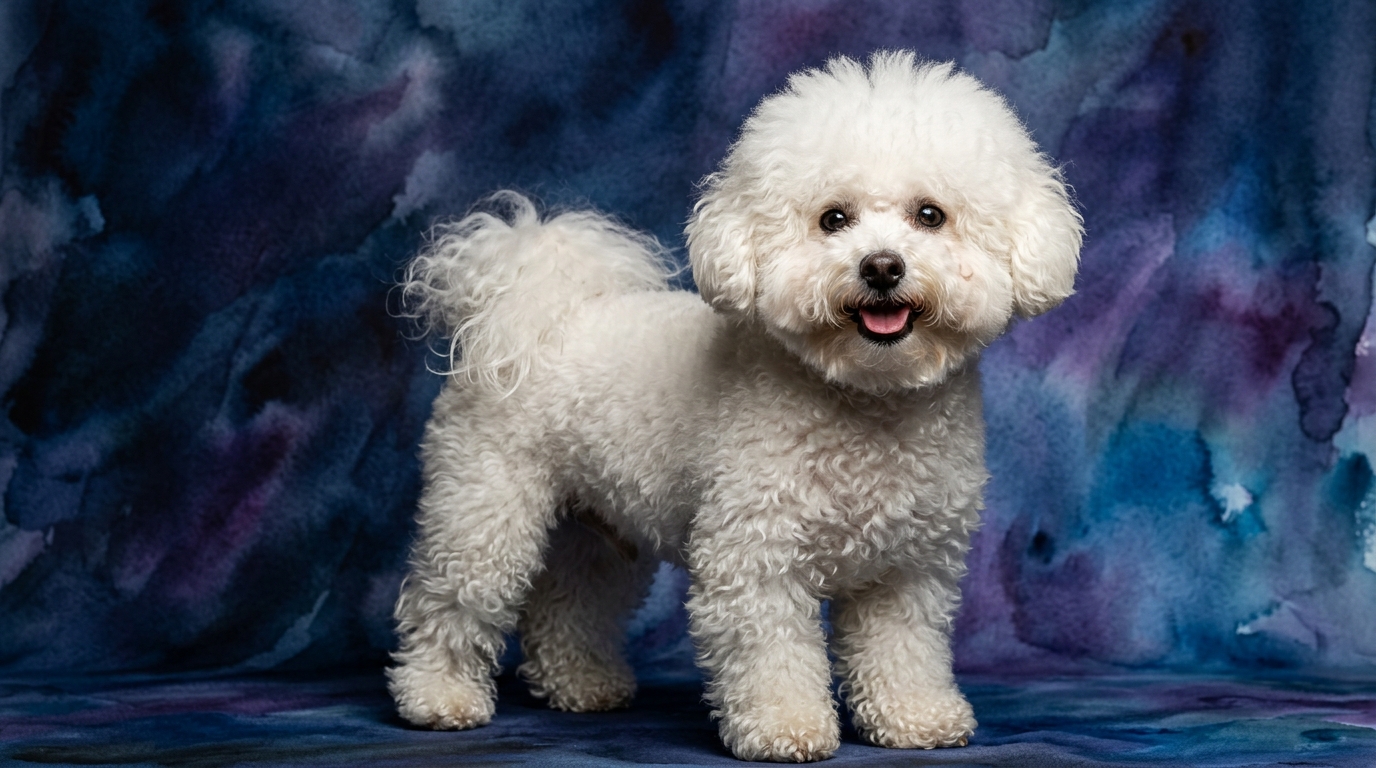
The Cosmic Pet Pet IQ Lab employs a five-dimensional framework to assess canine intelligence, offering a granular view beyond traditional metrics. For the Bichon Frisé, ranked #45 by Coren, its profile highlights a Problem Solving score of 3/5, indicating an ability to navigate moderately complex challenges with some guidance. Its Training Speed, also 3/5, suggests a steady learning pace, responsive to consistent positive reinforcement. Where the Bichon truly excels is in Social Intelligence, achieving a perfect 5/5, reflecting an exceptional capacity to understand and respond to human emotions and social cues. Its Instinctive Drive is lower at 2/5, meaning it's less driven by inherited working behaviors like herding or guarding. Finally, its Memory stands at 3/5, capable of retaining learned commands and routines over time.
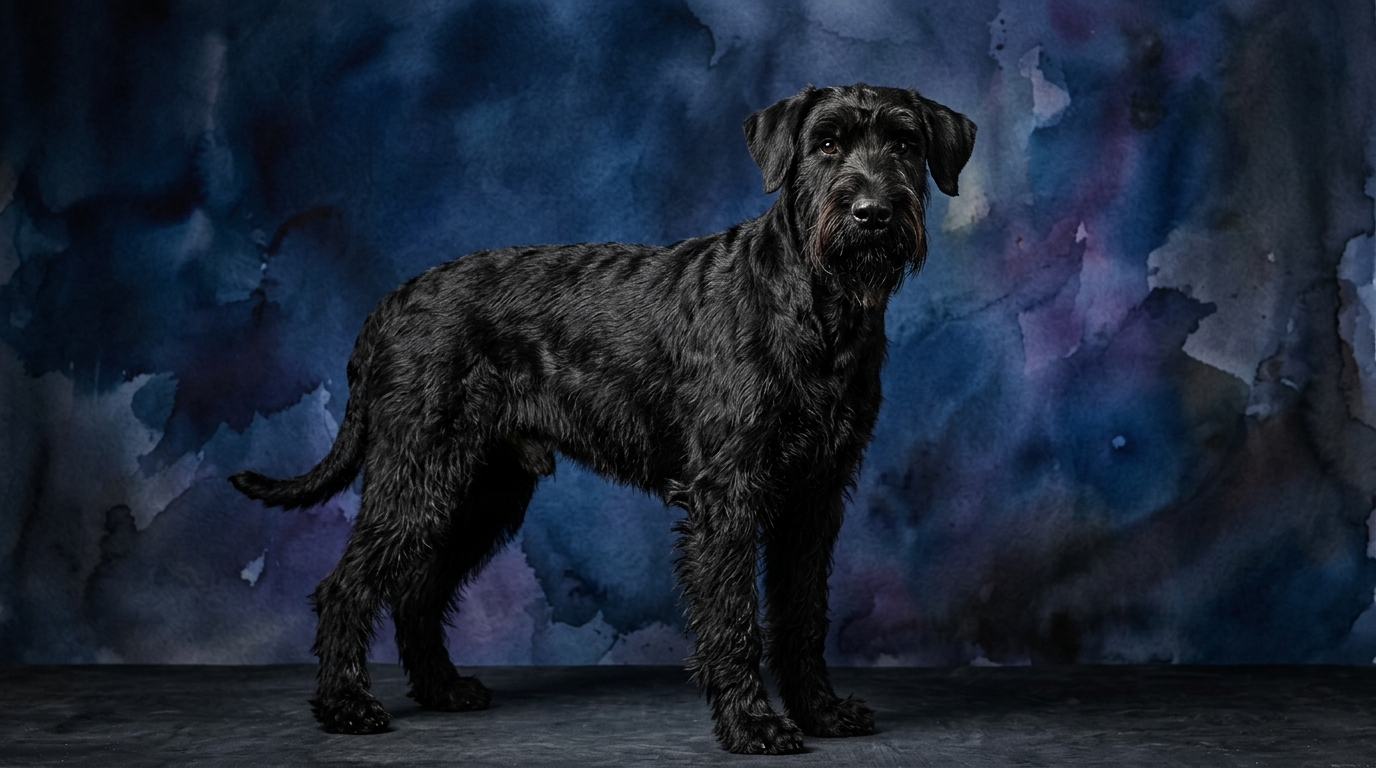
In contrast, the Giant Schnauzer, a Working breed with a Coren rank of #28, showcases a more task-oriented cognitive makeup. Its Problem Solving score of 4/5 points to a strong aptitude for independent thought and effective resolution of complex issues. Training Speed is also high at 4/5, demonstrating an efficient grasp of new instructions and a readiness to learn. Its Social Intelligence is a solid 3/5; while understanding human communication, it tends to be more reserved, prioritizing loyalty and protection within its immediate social circle. The Giant Schnauzer's Instinctive Drive is moderate at 3/5, reflecting its historical role in guarding and protection tasks. Its Memory is impressive at 4/5, indicating excellent retention of training and past experiences, allowing for reliable recall of a wide range of behaviors.
Where Bichon Frisé Wins Cognitively
The Bichon Frisé truly shines in the realm of social intelligence, earning a perfect 5/5 score from The Cosmic Pet Pet IQ Lab. This isn't merely about being friendly; it reflects an extraordinary capacity to interpret subtle human emotional states, body language, and vocal inflections with remarkable accuracy. A Bichon can often sense a change in its owner's mood, offering comfort or initiating playful interaction at just the right moment, demonstrating a profound empathy. Their keen awareness of social dynamics allows them to integrate seamlessly into diverse family structures, adapting their behavior to different individuals and situations. This makes them exceptional emotional support companions, intuitively understanding and responding to human needs in a way few other breeds can match. Their superior social acumen means they are less likely to misinterpret human signals or create friction through misunderstanding, fostering harmonious cohabitation and deep, reciprocal bonds.
Where Giant Schnauzer Wins Cognitively
The Giant Schnauzer demonstrates a robust cognitive profile, particularly in practical applications and structured learning. With a 4/5 in problem-solving, they are adept at navigating complex environments and figuring out solutions to obstacles, whether it's opening a gate, retrieving a specific item, or devising a strategy during a scent game. Their 4/5 training speed is a testament to their quick grasp of new concepts and commands, often requiring fewer repetitions than many other breeds to master a task. This efficiency is coupled with a 4/5 memory, allowing them to retain vast repertoires of learned behaviors and recall them reliably over time, even after long periods of inactivity. This combination of swift learning and strong retention makes them highly capable candidates for advanced obedience, protection work, agility, or other dog sports where precision, consistency, and independent thought are paramount. Their cognitive strengths lean towards purposeful action and efficient, reliable learning in structured contexts.
Which Is Easier to Train and Why
When considering ease of training, the Giant Schnauzer generally presents a more straightforward experience for owners prioritizing command-based obedience and task execution. Its 4/5 training speed and 4/5 memory mean it absorbs and retains instructions with notable efficiency, often requiring fewer repetitions to solidify a new behavior. This breed's working heritage, reflected in its moderate instinctive drive (3/5), imbues it with a desire for purpose and structure, often translating into an eagerness to learn and please within a structured training environment. They thrive on clear direction and consistent expectations, quickly understanding what is asked of them and remembering it for the long haul, making them responsive to traditional training methods.
The Bichon Frisé, with a 3/5 in training speed and memory, is certainly trainable but often approaches training from a different angle. Their unparalleled 5/5 social intelligence means they are highly attuned to their owner's reactions and desires, which can be leveraged in training through positive reinforcement and relationship building. However, their lower instinctive drive (2/5) means they might not possess the same inherent drive for structured "work" or repetitive drills as the Giant Schnauzer. Training a Bichon might require more creativity to maintain engagement and capitalize on their desire for companionship rather than relying solely on a drive for task completion. They respond exceptionally well to training that feels like a shared, joyful interaction, focusing on positive reinforcement and making the learning process an extension of their bond with their human.
Which Suits Active Owners vs. Relaxed Owners
The Giant Schnauzer, with its higher problem-solving aptitude (4/5), faster training speed (4/5), and moderate instinctive drive (3/5), is an ideal match for active owners who relish engaging their dog in structured, challenging activities. These dogs thrive when given a "job," whether it's advanced obedience, agility, protection sports, or long, challenging hikes that require mental and physical exertion. Their robust cognitive strengths are best utilized when an owner provides consistent mental stimulation and ample physical exercise, preventing boredom and channeling their considerable energy and focused intelligence constructively. They need owners who are prepared to be confident, consistent leaders and commit to ongoing training and enrichment, as an under-stimulated Giant Schnauzer can become restless or destructive.
Conversely, the Bichon Frisé, with its exceptional social intelligence (5/5) and lower instinctive drive (2/5), is wonderfully suited for more relaxed owners primarily seeking a devoted, emotionally responsive companion. While they still benefit from regular walks and basic training, their cognitive and emotional needs are often met through rich social interaction, cuddles, and interactive play within the home environment. Their strength lies in their ability to integrate seamlessly into family life, providing comfort and joy without demanding intense physical or mental exertion in the same way a working breed might. They are content with a routine that prioritizes companionship, gentle engagement, and being an integral part of their human family's daily life, making them perfect for those who value an intuitive, affectionate presence over a high-performance partner.
The Verdict
For owners prioritizing an emotionally intuitive, adaptable companion who thrives on social interaction and offers profound emotional support in a more relaxed home environment, the Bichon Frisé is an ideal choice. Its deep social intelligence makes it an unparalleled partner in emotional connection.
For active, experienced owners seeking a highly capable, mentally robust working partner for structured training, dog sports, and a protective presence, the Giant Schnauzer is the clear winner. Its problem-solving skills, quick learning, and strong memory make it an exceptional candidate for demanding roles.
🧠 Find Your Pet's IQ Score
Our Pet IQ Lab assessment covers 25+ tests across 5 cognitive dimensions — personalized to your breed.
Take the Full IQ Test →Frequently Asked Questions
Is the Bichon Frisé harder to train for basic obedience?
The Bichon Frisé is not inherently harder to train, but their motivation often stems from social connection and positive interaction rather than an inherent drive for "work" or strict task completion. Owners may find success with positive reinforcement that emphasizes bonding and makes training feel like a fun game, leveraging their strong social intelligence for engagement.
Can a Giant Schnauzer be a good family pet despite its protective instincts?
Yes, a Giant Schnauzer can be an excellent family pet, provided they receive early and consistent socialization and training from a young age. Their protective instincts are tempered by strong loyalty to their family, but clear boundaries and consistent, confident leadership are crucial to ensure they understand their role within the household and interact appropriately with visitors.
How do these breeds differ in their need for mental stimulation?
The Giant Schnauzer generally requires more structured and challenging mental stimulation, thriving on complex tasks, problem-solving games, and advanced obedience training to prevent boredom and destructive behaviors. The Bichon Frisé, while still needing engagement, often finds sufficient mental stimulation through rich social interaction with their family, interactive toys, and learning new tricks in a fun, low-pressure setting, valuing companionship over intense mental exertion.