A Side-by-Side Look at Cognitive Profiles
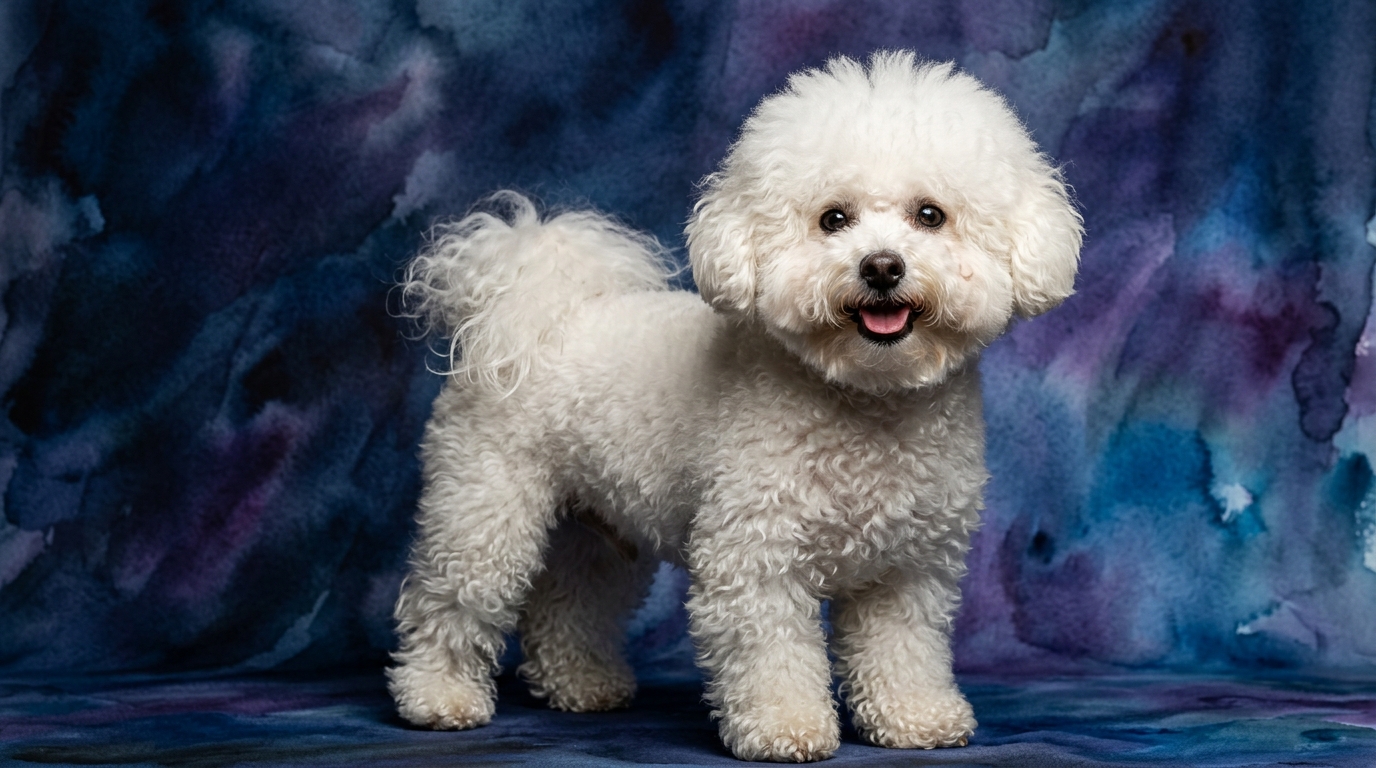
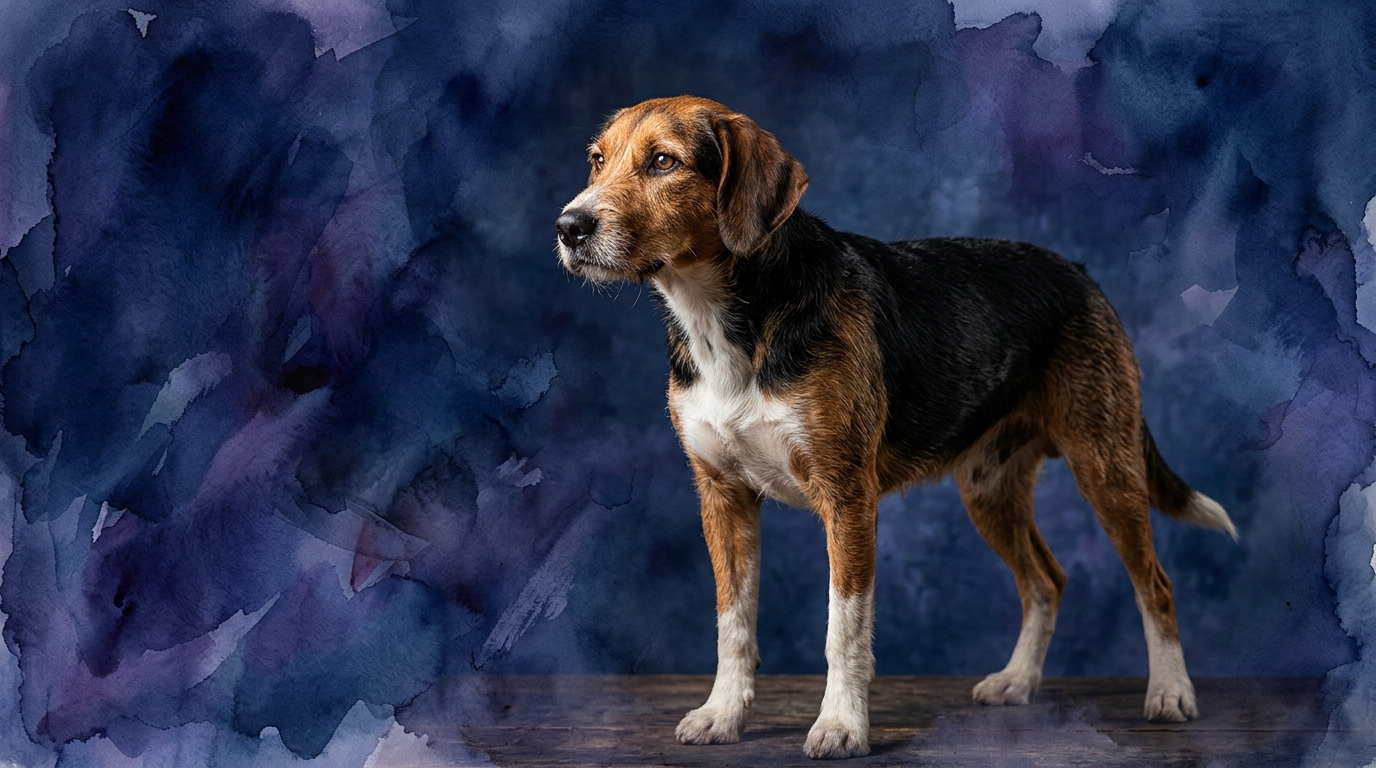
At The Cosmic Pet Pet IQ Lab, we delve into the unique cognitive architectures of various dog breeds, moving beyond general perceptions to specific mental strengths. Today, we're examining the Bichon Frisé, a Non-Sporting dog, against the Harrier, a member of the Hound group, to understand their distinct approaches to problem-solving, learning, and social interaction.
The Bichon Frisé, recognized in Coren's ranking as #45, presents a cognitive profile marked by exceptional social aptitude. Their scores are: Problem Solving 3/5, Training Speed 3/5, Social Intelligence a standout 5/5, Instinctive Drive a modest 2/5, and Memory 3/5. This suggests a companion animal deeply attuned to human connection, with a lower propensity for independent, drive-driven behaviors.
In contrast, the Harrier, not individually Coren-ranked, showcases a remarkably balanced cognitive framework. Their scores are consistently moderate across the board: Problem Solving 3/5, Training Speed 3/5, Social Intelligence 3/5, Instinctive Drive 3/5, and Memory 3/5. This indicates a dog with a well-rounded set of mental tools, capable of engaging with various challenges and social situations without extreme specialization.
An immediate observation from these profiles is the Bichon's clear advantage in social intelligence, indicating a profound capacity for understanding and bonding with humans. The Harrier, on the other hand, exhibits a more uniform distribution of cognitive strengths, suggesting adaptability and a moderate level of all key mental attributes.
Where the Bichon Frisé's Mind Shines
The Bichon Frisé's cognitive brilliance truly comes to the forefront in their exceptional Social Intelligence, scoring a perfect 5 out of 5. This isn't merely about friendliness; it signifies an acute ability to read and respond to human emotions, intentions, and subtle cues. A Bichon can often anticipate an owner's mood or needs, offering comfort or seeking engagement with remarkable empathy, making them profound emotional anchors in a household.
This elevated social understanding is intrinsically linked to their lower Instinctive Drive of 2/5. With less internal compulsion to pursue independent tasks like tracking or hunting, their focus remains predominantly on their human companions. This means fewer distractions from the environment and a greater capacity to concentrate on social interactions, reinforcing their role as devoted companions.
While their Problem Solving and Training Speed both register at a moderate 3/5, the Bichon's high social intelligence often makes their learning process feel smoother and more rewarding for owners. Their eagerness to please and strong desire for connection serve as powerful motivators. They may not grasp a complex trick in a single session, but their consistent effort, driven by the reward of human approval, leads to steady progress in tasks that strengthen the human-canine bond.
Unpacking the Harrier's Cognitive Strengths
The Harrier's cognitive profile is defined by its impressive balance, with every dimension – Problem Solving, Training Speed, Social Intelligence, Instinctive Drive, and Memory – scoring a consistent 3 out of 5. This uniformity is not a weakness but rather a strength, indicating a robust and adaptable intellect capable of handling a wide range of situations without being overly specialized in any single area. They possess a reliable and consistent mental toolkit.
Their Instinctive Drive, rated at 3/5, is a key component of their historical role as scent hounds. This moderate drive means they possess a natural inclination for exploration and pursuit, often guided by their acute sense of smell. This isn't an overwhelming, uncontrollable urge, but a purposeful, engaging drive that, when channeled appropriately, can make them excellent partners for outdoor activities and scent-based games.
The Harrier's Problem Solving ability, also at 3/5, is frequently exercised in conjunction with their instinctive drives. They are adept at navigating environments and overcoming obstacles to achieve a goal, whether it's locating a hidden toy by scent or finding the optimal path on a trail. Their cognitive approach leans towards practical, sensory-driven solutions, reflecting their heritage.
While their Social Intelligence at 3/5 is not as pronounced as the Bichon's, Harriers are perfectly capable of forming strong, affectionate bonds with their families. Their social interactions may be less overtly empathetic than a Bichon's, but they are sociable and enjoy companionship, often expressing it through playful engagement and shared activities rather than constant, subtle emotional attunement.
Training Dynamics: Bichon Frisé vs. Harrier
When considering ease of training, the Bichon Frisé, with a Training Speed of 3/5, often feels more straightforward for owners focused on companion behaviors due to their superior Social Intelligence (5/5). Their strong desire for human approval and close connection acts as a powerful intrinsic motivator. They are highly responsive to positive reinforcement, such as praise and gentle affection, making them eager participants in learning household manners and basic obedience.
The Harrier, also with a Training Speed of 3/5, presents a different training dynamic. While equally capable of learning, their moderate Instinctive Drive (3/5) means they can be more easily distracted by environmental stimuli, particularly scents. Training a Harrier often requires more creativity to integrate their natural drives into the learning process. Utilizing toys, treats, or activities that engage their nose can be highly effective in maintaining their focus and motivation.
Behaviorally, a Bichon Frisé might quickly learn to 'sit' or 'stay' primarily to earn a happy reaction from their owner, thriving on that direct social feedback. A Harrier, while learning commands at a similar pace, might require more consistent, high-value rewards or task-oriented training. For instance, teaching a Harrier recall might involve making the 'come' command synonymous with an exciting chase game, leveraging their drive, whereas a Bichon might respond purely for the joy of returning to their person.
Lifestyle Match: Active vs. Relaxed Ownership
The Bichon Frisé is an ideal match for owners seeking a more relaxed and companion-centric lifestyle. Their lower Instinctive Drive (2/5) means they are generally content with moderate daily walks and indoor play, not demanding extensive physical exertion to feel fulfilled. Their high Social Intelligence (5/5) means their primary need is for consistent human companionship and interaction, thriving in environments where they are central to family life and receive ample attention.
Conversely, the Harrier, with its balanced cognitive profile and moderate Instinctive Drive (3/5), is best suited for active individuals or families who enjoy regular, engaging outdoor activities. These dogs benefit significantly from long walks, hikes, or running, where they can explore and engage their senses. Their problem-solving (3/5) and drive (3/5) are most effectively channeled through purposeful activities that allow them to use their natural abilities, such as scent games or agility.
The distinction extends beyond physical activity to mental engagement. A Bichon's mental stimulation largely comes from intricate social interactions and learning new ways to bond with their human family. A Harrier's mental engagement, while including social aspects, also strongly involves exploring novel environments, tracking interesting scents, and participating in activities that challenge their senses and practical problem-solving skills.
The Verdict
Opt for a Bichon Frisé if your primary desire is a deeply empathetic companion who thrives on close social bonds and indoor companionship, requiring moderate physical activity and finding joy in human connection.
Select a Harrier if you seek a balanced, moderately driven companion for an active lifestyle, one who enjoys exploring and engaging with the world through their senses, and benefits from consistent, task-oriented mental stimulation.
🧠 Find Your Pet's IQ Score
Our Pet IQ Lab assessment covers 25+ tests across 5 cognitive dimensions — personalized to your breed.
Take the Full IQ Test →Frequently Asked Questions
Is a Bichon Frisé easy to house train?
Bichon Frisés generally respond well to consistent house training due to their strong desire to please and high social intelligence. Owners who establish clear routines and use positive reinforcement often see good results, though their small bladder size means frequent outdoor access is crucial in puppyhood.
Do Harriers make good family pets?
Harriers can be excellent family pets, displaying a friendly and sociable nature with their moderate social intelligence. They thrive in active households where they receive consistent exercise and mental engagement, enjoying the company of children and other pets when properly socialized.
What kind of mental stimulation does a Harrier need?
Harriers benefit from mental stimulation that engages their moderate instinctive drive, such as scent work, puzzle toys, and exploring new environments on walks. Activities that allow them to use their nose and problem-solve within a task-oriented framework are particularly enriching for their balanced cognitive profile.