A Side-by-Side Look at Their Cognitive Profiles
The Cosmic Pet Pet IQ Lab employs a five-dimensional framework to assess canine intelligence, offering a nuanced understanding beyond simple obedience. For both the Bichon Frisé and the Havanese, we observe striking similarities across these dimensions, reflecting their shared heritage as beloved companion animals.
Both breeds demonstrate a **Problem Solving** score of 3/5, indicating a moderate capacity to navigate novel situations and figure out solutions independently. This means they are capable of learning routines and adapting to minor changes, but complex, multi-step puzzles might require some guidance. Their **Training Speed** also stands at 3/5, suggesting they absorb new commands and behaviors at an average pace. While not immediate prodigies, they are certainly receptive to consistent, positive reinforcement methods.
Where both breeds truly shine is in **Social Intelligence**, scoring an impressive 5/5. This dimension measures their ability to understand human cues, form strong bonds, and navigate social dynamics effectively. It speaks volumes about their inherent desire to connect with people and their aptitude for fitting seamlessly into family life. Their **Instinctive Drive** is a low 2/5, meaning they possess minimal inherent urges for traditional working roles like hunting, herding, or guarding. This low drive reinforces their primary role as companions, directing their focus towards human interaction rather than independent pursuits.
Finally, their **Memory** score is 3/5, indicating a moderate ability to recall learned behaviors, routines, and specific experiences. They can remember commands, where their favorite toys are, and the general rhythm of their household, contributing to their adaptability and ease of living within a human family structure. Despite their identical scores, subtle behavioral nuances and breed histories provide deeper insights into their cognitive application.
Where the Bichon Frisé Shows a Cognitive Edge
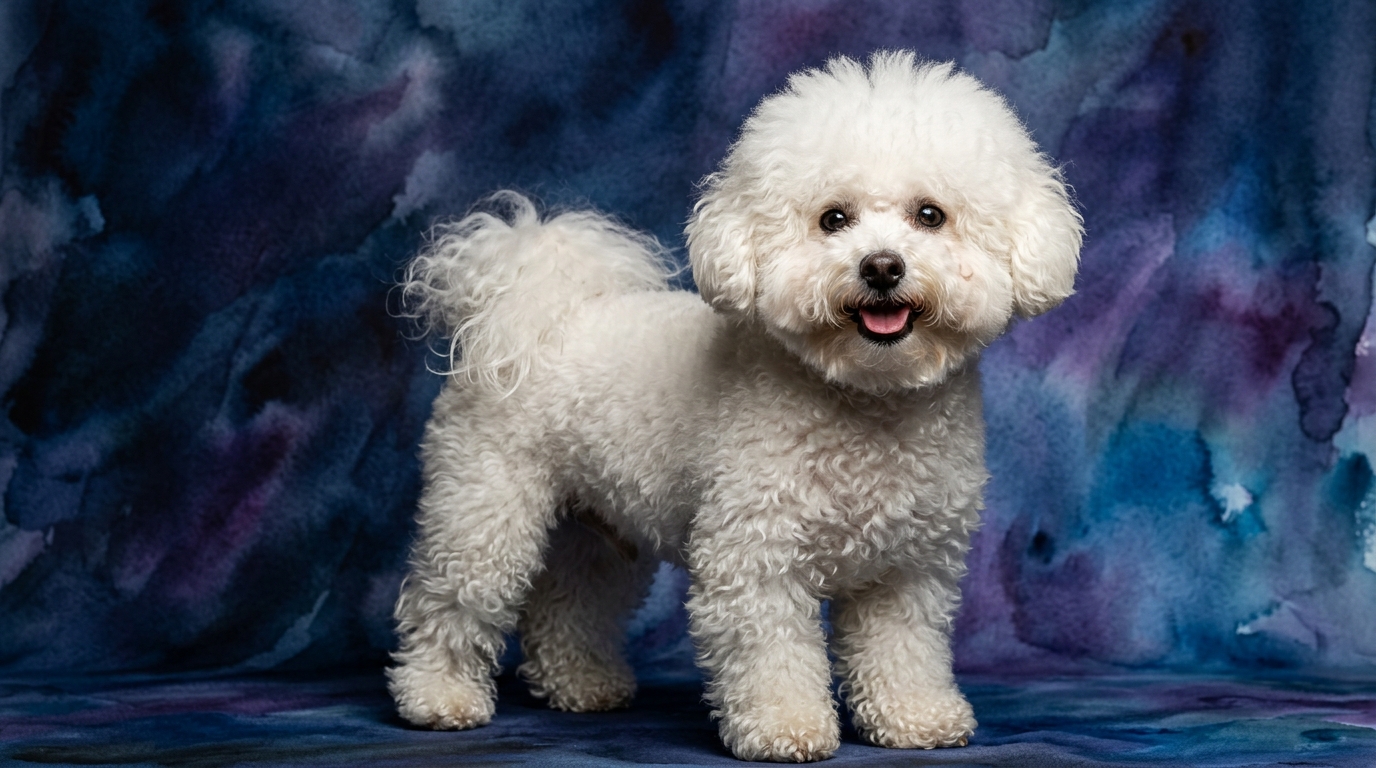
While the raw IQ scores for both breeds are identical across our five dimensions, a closer look at their historical roles and broader canine intelligence metrics suggests subtle distinctions where the Bichon Frisé may exhibit a particular cognitive aptitude. The Bichon Frisé, classified in the Non-Sporting group, has a documented history as a resilient and adaptable performer, often appearing in circuses and entertaining nobility. This background points to a specific application of their 3/5 training speed and 5/5 social intelligence.
Their Coren rank of #45 among breeds, which primarily measures working and obedience intelligence, offers a valuable data point. This ranking suggests that Bichons, when given consistent training, tend to exhibit a slightly more structured and reliable response to commands in formal settings compared to many other breeds. This isn't about raw intellectual power, but rather a demonstrated capacity for consistently applying their moderate training speed and high social intelligence in a way that aligns with human directives.
This aptitude for structured learning and performance implies a particular cognitive resilience and an eagerness to engage in interactive tasks that require focus and repetition. While both breeds are eager to please, the Bichon's historical context suggests a slightly more pronounced inclination towards engaging with complex sequences of learned behaviors, making them excellent candidates for dog sports like agility or obedience trials where precision and memory are key, even with their 3/5 memory score.
Where the Havanese Excels Cognitively
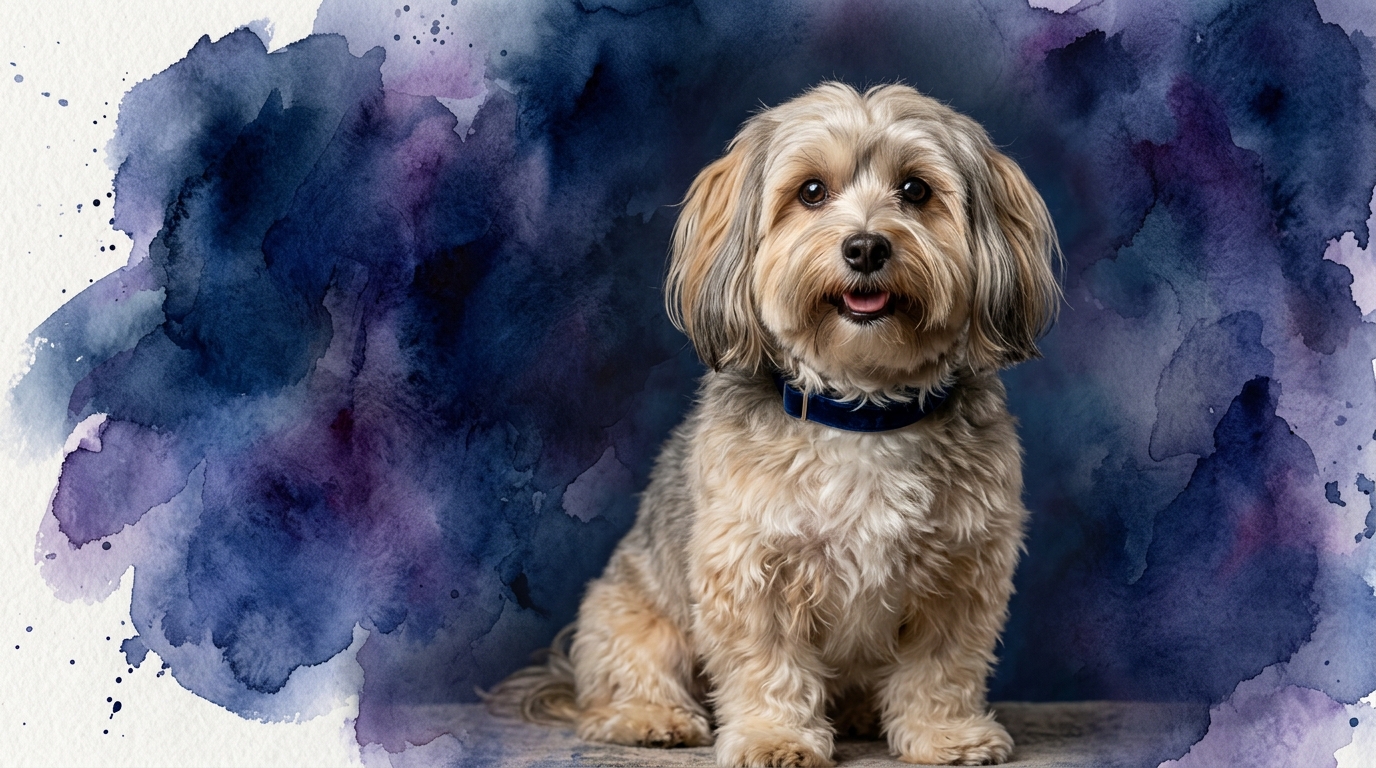
The Havanese, belonging to the Toy group, also shares identical Cosmic Pet Pet IQ Lab scores with the Bichon, yet their cognitive strengths manifest in a uniquely refined manner, deeply rooted in their purpose as devoted companions to Cuban aristocracy. Their 5/5 social intelligence, while shared, often expresses itself with an unparalleled sensitivity to human emotion and a profound capacity for empathetic connection.
Havanese dogs are often described as 'velcro dogs' for a reason; their cognitive profile emphasizes an exquisite attunement to their human family's moods and needs. This isn't just about understanding commands, but about intuitively sensing when comfort is required or when play is desired. Their low 2/5 instinctive drive means fewer distractions pull them away from their primary focus: their people. This allows their high social intelligence to be almost entirely dedicated to forming and maintaining deep, responsive bonds.
Furthermore, their adaptability to diverse living situations, from grand estates to urban apartments, speaks to their cognitive flexibility and calm demeanor. This is a testament to their problem-solving (3/5) and memory (3/5) applied within the context of their social world; they quickly learn household routines and adapt to new environments with minimal stress, largely due to their unwavering focus on their human anchors. Their cognitive 'win' lies in their extraordinary capacity for nuanced, intimate companionship, making them masters of emotional support and connection.
Training: Similar Paces, Different Nuances
Given their identical Training Speed scores of 3/5, neither the Bichon Frisé nor the Havanese are instant learners, but both respond exceptionally well to consistent, positive reinforcement. Their shared 5/5 social intelligence is the true bedrock of their trainability. They are highly motivated by praise, treats, and the desire to please their human companions, making harsh methods not only unnecessary but counterproductive.
Behaviorally, both breeds are generally cooperative and eager to engage in training sessions, provided they are kept fun and engaging. The Bichon's historical background in performance might lend itself to a slightly more focused approach in structured obedience, often enjoying the challenge of learning new tricks and performing them for an audience. Their moderate problem-solving (3/5) allows them to grasp basic commands and simple sequences with relative ease, making them rewarding to teach for those who enjoy interactive learning.
The Havanese, with their profound social intelligence, often thrives on training that strengthens the bond with their owner. They may be particularly responsive to clicker training or reward-based methods that emphasize communication and connection. While both can be prone to 'selective hearing' if not properly motivated, their low instinctive drive (2/5) means they are less likely to be distracted by external stimuli like prey drive or territorial instincts, allowing for a more focused training environment. House-training can sometimes be a challenge for both, often due to their small bladders and owner inconsistency, rather than a lack of cognitive ability.
Matching Owners: Active Play vs. Relaxed Companionship
Understanding the subtle differences in how these breeds apply their similar cognitive profiles is key to matching them with the right owner. Both the Bichon Frisé and the Havanese thrive on human companionship, a direct result of their 5/5 social intelligence, meaning neither is suited to being left alone for long periods. They are not content to be merely backyard dogs; they need to be integral members of the family.
For owners who appreciate a blend of playful energy and affectionate companionship, the Bichon Frisé might be an ideal fit. Their cheerful demeanor and moderate problem-solving skills (3/5) mean they enjoy engaging in playful games, short bursts of activity, and learning new tricks. They require regular walks and interactive play to keep their minds and bodies stimulated. An active owner for a Bichon isn't necessarily a marathon runner, but someone who enjoys daily outings, park visits, and consistent engagement in training or play sessions.
The Havanese, while certainly playful, often leans towards a slightly more relaxed companionship style, making them excellent for owners seeking a devoted lap dog who is equally content with indoor activities and gentle walks. Their profound social intelligence (5/5) means they are incredibly attuned to their owner's presence and moods, making them exceptional emotional support animals. A relaxed owner for a Havanese might enjoy quiet evenings, gentle strolls, and consistent, affectionate interaction, appreciating a dog whose primary joy comes from simply being near their human, adapting seamlessly to the rhythm of the household without requiring constant high-energy engagement.
The Verdict
Choose the Bichon Frisé if you appreciate a cheerful, adaptable companion who enjoys engaging in playful activities and has a slightly more pronounced aptitude for structured learning and performance.
Opt for the Havanese if your priority is a deeply sensitive, profoundly affectionate companion who excels at emotional attunement and thrives on close, consistent human presence, adapting gracefully to a more relaxed pace of life.
🧠 Find Your Pet's IQ Score
Our Pet IQ Lab assessment covers 25+ tests across 5 cognitive dimensions — personalized to your breed.
Take the Full IQ Test →Frequently Asked Questions
Are Bichon Frisé dogs easy to house-train?
Bichon Frisé dogs, like many small breeds, can present challenges with house-training primarily due to their smaller bladders and sometimes subtle communication cues. Consistent routine, frequent outdoor access, and positive reinforcement are crucial for success, leveraging their moderate memory and social intelligence.
Do Havanese dogs bark a lot?
Havanese dogs can be prone to barking, especially if not adequately socialized or if they perceive threats to their territory or family. Their high social intelligence means they are very communicative, and their barking often serves as a way to alert their owners or express excitement, which can be managed with consistent training.
Which breed is better with children?
Both Bichon Frisé and Havanese dogs, with their high social intelligence, can be wonderful with children, especially when raised together and properly socialized. Their affectionate nature and moderate energy levels make them suitable family pets, but supervision is always recommended with young children to ensure respectful interactions.