Side-by-Side IQ Profile: Unpacking Cognitive Dimensions
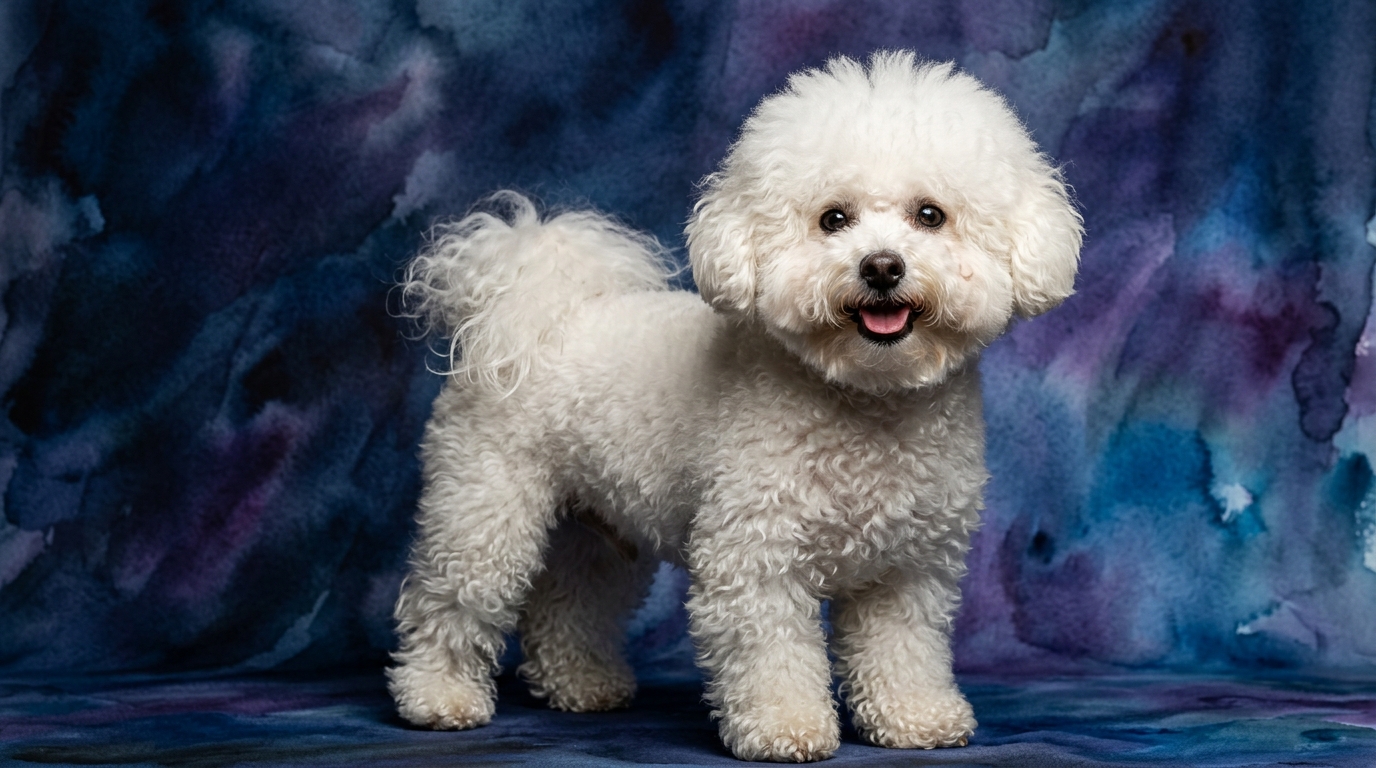
The Cosmic Pet Pet IQ Lab assesses canine intelligence across five key dimensions, offering a detailed look into how each breed processes the world. For the Bichon Frisé, a Non-Sporting dog with a Coren ranking of #45, its profile includes: Problem Solving (3/5), indicating a moderate ability to navigate novel situations and figure out practical solutions, such as opening a simple treat puzzle after some trial and error. Training Speed (3/5) suggests they absorb new commands and routines at an average pace, receptive to consistent, positive reinforcement but without instantaneous mastery. Social Intelligence (5/5) is where the Bichon truly shines; a perfect score signifies an exceptional ability to read human emotions, intentions, and social cues, allowing them to anticipate needs and integrate gracefully into diverse social settings. Their Instinctive Drive (2/5) is low, meaning minimal inherent urges for activities like hunting or herding, with actions driven more by social connections than primal instincts. Finally, Memory (3/5) indicates a moderate capacity to retain learned behaviors, names, and routines effectively over time, remembering training and familiar faces.
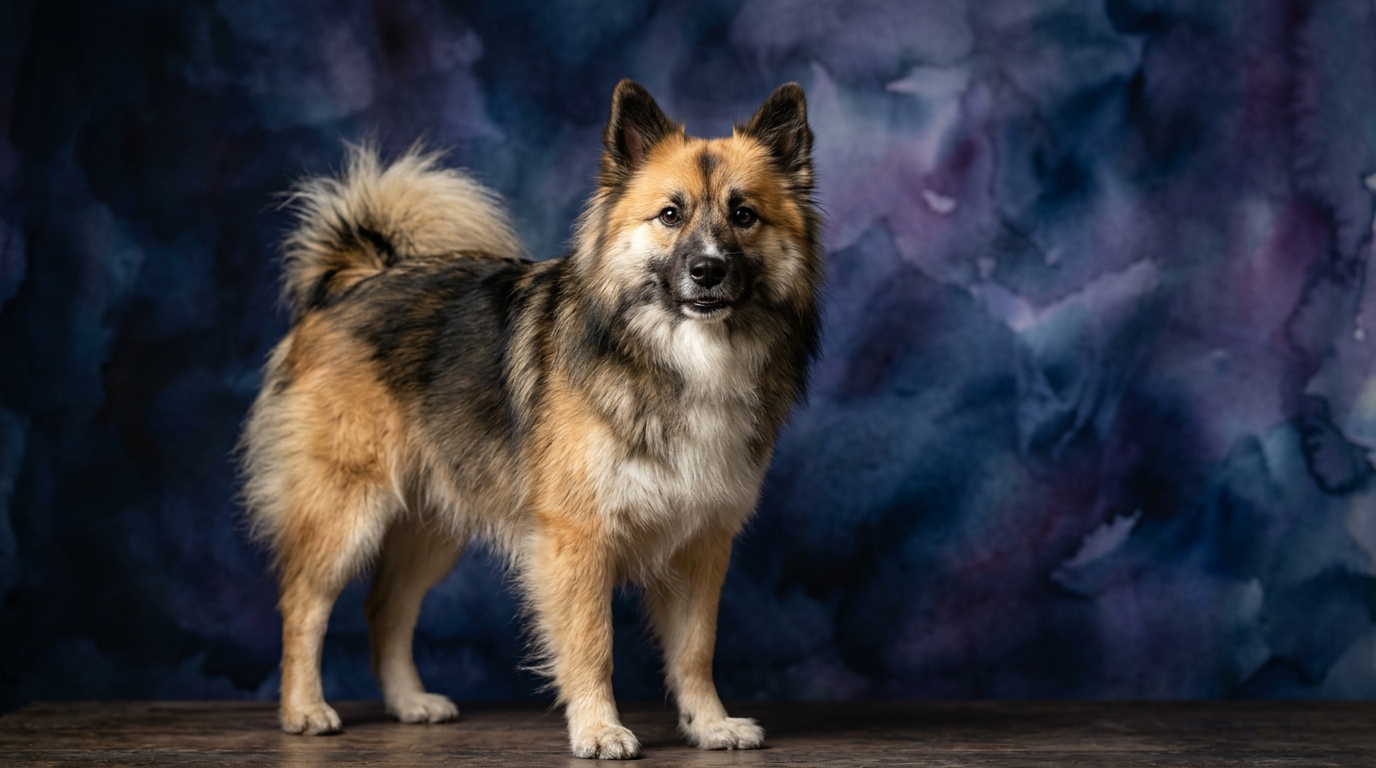
The Icelandic Sheepdog, a Herding breed, presents a distinct cognitive blueprint: Problem Solving (3/5), identical to the Bichon, but often manifesting in practical, task-oriented scenarios like navigating challenging terrain or strategizing movement within a flock, rather than purely domestic puzzles. Training Speed (3/5) mirrors the Bichon, indicating a steady, average learning curve for new commands and tasks, responding well to clear instructions and positive methods, especially when training feels purposeful. Social Intelligence (3/5) suggests a good, but not exceptional, ability to interpret human social cues; they are friendly and form strong bonds but might not possess the Bichon's uncanny emotional attunement. Their Instinctive Drive (3/5) reflects a moderate, yet present, drive for ancestral herding tasks, potentially exhibiting behaviors like gathering family members or chasing moving objects. Memory (3/5), like the Bichon, shows a moderate capacity to retain training, routines, and familiar encounters, supporting their functional roles effectively.
Where the Bichon Frisé Wins Cognitively
The Bichon Frisé clearly distinguishes itself with its exceptional Social Intelligence, scoring a perfect 5/5 compared to the Icelandic Sheepdog's 3/5. This superior capacity means Bichons possess an almost uncanny ability to read and respond to human emotional states and intentions. They are highly empathetic companions, often anticipating a family member's sadness or joy and adjusting their behavior accordingly, offering comfort or initiating play at just the right moment. This manifests in their remarkable adaptability to various social situations, making them adept at navigating new people and environments with ease, always seeking to integrate harmoniously. Their cognitive strength lies in their profound connection to the human world, making them masters of relational understanding and social harmony.
Where the Icelandic Sheepdog Wins Cognitively
While both breeds share a 3/5 in Problem Solving, the Icelandic Sheepdog's slightly higher Instinctive Drive (3/5 vs. Bichon's 2/5) hints at a different cognitive strength. Their problem-solving often intertwines with their natural herding tendencies, manifesting as practical resourcefulness in navigating environmental challenges related to movement and control. They might independently figure out how to gather scattered toys or 'herd' family members, demonstrating an innate strategic thinking rooted in their working heritage. This drive means they possess a natural inclination towards purposeful activity, often exhibiting independent thought when a task or a perceived 'flock' needs managing, showcasing a cognitive edge in task-oriented persistence and environmental management.
Which Is Easier to Train and Why
Both breeds share a 3/5 in Training Speed, suggesting they learn new commands at a similar average pace. However, the Bichon Frisé often proves easier to train in a domestic setting due to its superior Social Intelligence (5/5) and lower Instinctive Drive (2/5). Bichons are profoundly motivated by human interaction and approval; their desire to please their family is a powerful training accelerant, making them highly responsive to positive reinforcement and praise. Their minimal instinctive urges mean fewer innate distractions or competing motivations during training sessions, allowing them to focus intently on the handler. In contrast, while equally capable of learning, the Icelandic Sheepdog’s moderate Instinctive Drive (3/5) means they might occasionally be sidetracked by environmental stimuli or their herding urges, requiring a handler to work more diligently to maintain focus and channel those instincts constructively.
Which Suits Active Owners vs. Relaxed Owners
The choice between these breeds significantly depends on an owner's lifestyle. The Bichon Frisé, with its lower Instinctive Drive (2/5) and exceptional Social Intelligence (5/5), thrives as a devoted companion whose primary need is close human connection and consistent mental engagement through interaction and gentle play. They are well-suited for relaxed owners who can provide ample cuddle time, short walks, and indoor games, but who may not be able to offer intense physical activity. Their cognitive strengths are best nurtured in a home environment where they are central to family life. The Icelandic Sheepdog, conversely, is a herding breed whose moderate Instinctive Drive (3/5) means they possess a natural inclination for purposeful activity and physical exertion. They are a better match for active owners who can provide regular, structured outlets for their energy, such as long hikes, agility training, or even supervised herding games. Without sufficient physical and mental stimulation, an Icelandic Sheepdog might become restless, channeling their natural drives into less desirable behaviors.
The Verdict
Choose the Bichon Frisé if you seek a highly empathetic, charming companion whose cognitive strengths lie in profound social connection and adaptability to a relaxed home environment.
Opt for the Icelandic Sheepdog if you are an active owner prepared to engage a hardy, spirited dog whose practical problem-solving and moderate instinctive drives thrive with purposeful activity and outdoor adventures.
🧠 Find Your Pet's IQ Score
Our Pet IQ Lab assessment covers 25+ tests across 5 cognitive dimensions — personalized to your breed.
Take the Full IQ Test →Frequently Asked Questions
Do Bichon Frisés need a lot of mental stimulation?
While not driven by complex working tasks, Bichons benefit greatly from mental engagement that leverages their high social intelligence. Puzzle toys, learning new tricks, and consistent interactive play with their family keep their minds sharp and their social needs met.
Can an Icelandic Sheepdog live in an apartment?
An Icelandic Sheepdog can adapt to apartment living, but only if their owners are committed to providing substantial daily exercise and mental stimulation outside the home. Their herding background necessitates outlets for their moderate instinctive drive and physical energy to prevent restlessness and behavioral issues.
How do these breeds react to strangers?
The Bichon Frisé, with its high social intelligence, typically greets strangers with curious friendliness, quickly assessing their intentions and often seeking interaction. The Icelandic Sheepdog, while generally friendly, may be more reserved initially, displaying their social intelligence through careful observation before accepting new people into their circle.