Side-by-Side Cognitive Profiles
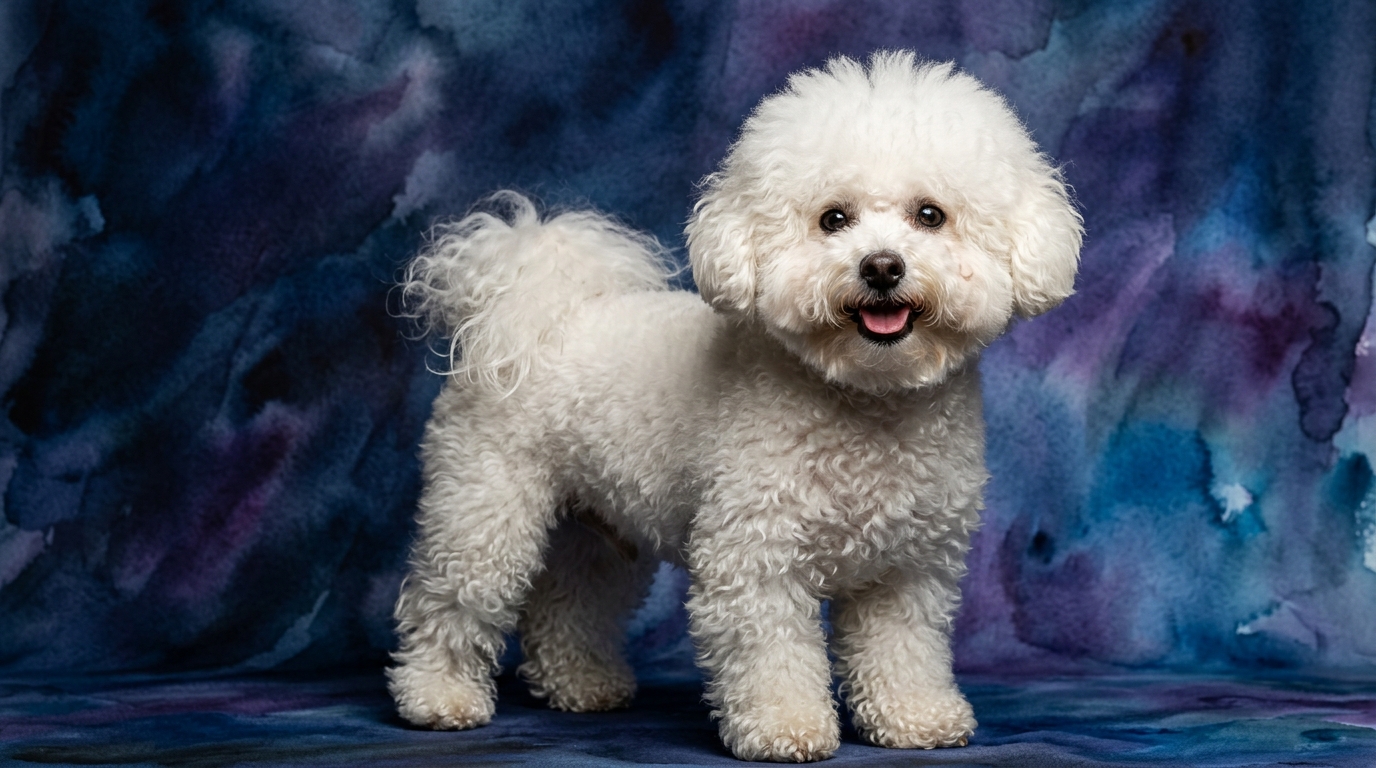
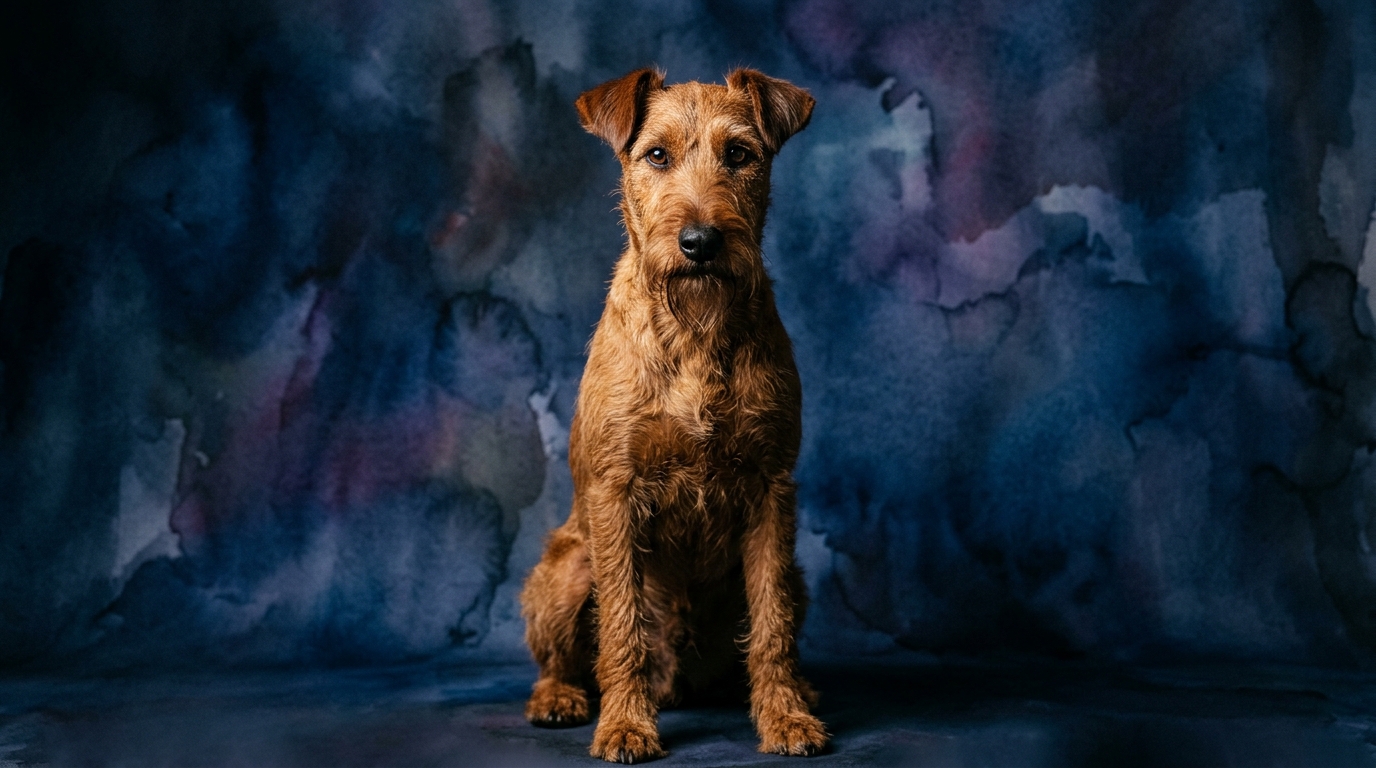
At The Cosmic Pet Pet IQ Lab, we dissect canine intelligence across five critical dimensions to offer a nuanced understanding of each breed's mental landscape. For the Bichon Frisé, a Non-Sporting dog, its Coren rank of #45 places it squarely in the average working and obedience intelligence group, while the Irish Terrier, a robust Terrier breed, does not feature on the Coren ranking, suggesting its cognitive strengths lie elsewhere than traditional obedience tasks.
Beginning with Problem Solving, both the Bichon Frisé and the Irish Terrier score a consistent 3 out of 5. This indicates a moderate capacity for independent thought and navigating novel situations, suggesting they can learn to figure out simple puzzles or overcome minor obstacles without constant human intervention, but aren't master strategists.
Regarding Training Speed, both breeds again register a 3 out of 5. This suggests an average pace for acquiring new commands and behaviors, meaning neither is a lightning-fast learner nor particularly slow. Owners can expect a steady progression with consistent, positive reinforcement.
The most striking difference emerges in Social Intelligence. The Bichon Frisé shines with a remarkable 5 out of 5, indicating an exceptional ability to understand human emotions, social cues, and integrate seamlessly into family dynamics. In contrast, the Irish Terrier scores a respectable 3 out of 5, showing a solid but less profound attunement to human social intricacies.
Instinctive Drive reveals another key distinction. The Bichon Frisé scores a modest 2 out of 5, reflecting a lower innate impulse for hunting, herding, or guarding behaviors. The Irish Terrier, true to its terrier roots, shows a higher 3 out of 5, suggesting a more pronounced inclination towards exploring, digging, or pursuing small prey.
Finally, both breeds align with a 3 out of 5 in Memory. This average score means they can recall learned commands, routines, and past experiences effectively, but perhaps not with the intricate detail or long-term retention seen in breeds with higher memory scores.
The Bichon Frisé's Cognitive Edge
The Bichon Frisé's undisputed cognitive advantage lies in its exceptional Social Intelligence, scoring a perfect 5 out of 5. This isn't merely about being friendly; it signifies a deep, intuitive grasp of human social structures and emotional states. A Bichon can often discern its owner's mood, offering comfort or initiating play at just the right moment.
This heightened social acumen translates into a profound capacity for bonding and companionship. They excel at reading subtle human cues, making them incredibly responsive to interactions and highly motivated by social praise and affection. Their ability to integrate into a family unit is unparalleled, often adapting their behavior to suit the household's rhythm and emotional climate.
While their Problem Solving and Training Speed are average, their outstanding social intelligence often makes them seem more adaptable and eager to please during training, as they are so attuned to their trainer's desires. This social drive makes them adept at learning behaviors that strengthen their bond with their human companions, leveraging their understanding of human interaction to achieve their goals.
The Irish Terrier's Cognitive Strengths
The Irish Terrier's cognitive profile showcases a distinct strength in its Instinctive Drive, rated at 3 out of 5, a notch above the Bichon Frisé. This score reflects a more pronounced innate curiosity, tenacity, and a drive to engage with its environment independently. Unlike the Bichon, which often seeks human direction, the Irish Terrier possesses a self-starting spirit rooted in its working terrier heritage.
This higher instinctive drive manifests as a greater persistence in tasks, whether it's investigating a scent, digging for an imagined critter, or navigating a challenging terrain. Their Problem Solving score of 3/5, while shared with the Bichon, is often applied with more determination and independent initiative in the Irish Terrier, fueled by that underlying drive.
While their Social Intelligence is a solid 3/5, it's tempered by a degree of independent thinking. This means they form strong bonds but retain an assertive personality, often preferring to make their own decisions rather than solely relying on human guidance. Their memory, also 3/5, combined with their drive, allows them to recall effective strategies for achieving their independent goals, whether it's figuring out how to open a gate or remembering where a favorite toy was hidden.
Trainability: Social Connection vs. Independent Spirit
When evaluating ease of training, the raw Training Speed score of 3 out of 5 for both breeds might suggest parity, but real-world experience reveals significant differences stemming from their other cognitive dimensions. The Bichon Frisé, with its exceptional 5/5 Social Intelligence, often presents as the 'easier' dog to train for most owners.
The Bichon's profound desire to please and its acute sensitivity to human feedback mean it thrives on positive reinforcement and social interaction during training sessions. They are highly motivated by praise and affection, making them generally more cooperative and eager to comply with commands. Their lower Instinctive Drive (2/5) also means they are less likely to be distracted by environmental stimuli like scents or passing critters, maintaining focus on their human.
The Irish Terrier, despite an identical 3/5 Training Speed, often requires a more experienced and patient hand. Its 3/5 Social Intelligence means it forms strong bonds but doesn't possess the same inherent drive to please as the Bichon. Coupled with its higher 3/5 Instinctive Drive, the Irish Terrier can be more independent, persistent in its own agenda, and more easily diverted by its surroundings.
Training an Irish Terrier often involves channeling their natural terrier tenacity and intelligence, making it crucial to present training as engaging challenges rather than rote compliance. While they learn at an average pace, their independent streak means owners must be consistent, creative, and firm to overcome their inclination to follow their own instincts, particularly if those instincts involve a fascinating scent trail or a perceived 'critter' to chase.
Matching Canine Cognition to Lifestyle: Active vs. Relaxed Owners
Understanding these cognitive profiles is crucial for matching a dog to an owner's lifestyle. The Bichon Frisé, with its high Social Intelligence (5/5) and lower Instinctive Drive (2/5), is an excellent choice for more relaxed owners or those seeking a dedicated companion that thrives on indoor interaction and moderate exercise.
Bichons are generally content with daily walks, playtime, and ample cuddles. Their primary motivation is social connection, making them adaptable to apartment living and less demanding in terms of strenuous outdoor activities. They are ideal for individuals or families who value a constant, emotionally attuned presence and can provide consistent social engagement.
Conversely, the Irish Terrier, with its higher Instinctive Drive (3/5) and more independent Social Intelligence (3/5), is better suited for active owners. This breed thrives on purpose, mental stimulation, and regular, vigorous exercise. They are not content to be couch potatoes; their terrier spirit demands engagement, exploration, and opportunities to expend their considerable energy.
Owners who enjoy hiking, running, or dog sports will find a willing and enthusiastic partner in an Irish Terrier. Their problem-solving abilities, combined with their drive, make them excel in activities that challenge both their bodies and minds. Without adequate outlets for their energy and instincts, Irish Terriers can become bored and potentially destructive, a clear signal their cognitive needs are not being met.
The Verdict
Choose a Bichon Frisé if you seek an emotionally intelligent, highly adaptable companion dog that thrives on social interaction and fits seamlessly into a relaxed, affectionate household.
Opt for an Irish Terrier if you are an active owner looking for a tenacious, independent partner for adventures, willing to invest in consistent, engaging training to channel its spirited drive.
🧠 Find Your Pet's IQ Score
Our Pet IQ Lab assessment covers 25+ tests across 5 cognitive dimensions — personalized to your breed.
Take the Full IQ Test →Frequently Asked Questions
Are Bichon Frisés truly smarter than Irish Terriers?
The term "smarter" is too simplistic. Our data shows a difference in types of intelligence. Bichons excel in social intelligence, making them highly attuned to humans, while Irish Terriers possess a stronger instinctive drive and independent problem-solving application, suited for different roles.
Can an Irish Terrier be a good family dog despite its independent nature?
Absolutely. An Irish Terrier's 3/5 social intelligence means they form strong family bonds. However, their independent streak and higher instinctive drive require a family committed to consistent training, socialization, and providing ample mental and physical stimulation to ensure a well-adjusted companion.
Do Bichon Frisés need a lot of exercise, given their lower instinctive drive?
While Bichon Frisés have a lower instinctive drive (2/5), they still require regular, moderate exercise like daily walks and play to maintain physical health and mental well-being. Their contentment stems more from social interaction than strenuous physical activity, but they are not entirely sedentary.