Side-by-Side IQ Profile: Bichon Frisé vs. Lakeland Terrier
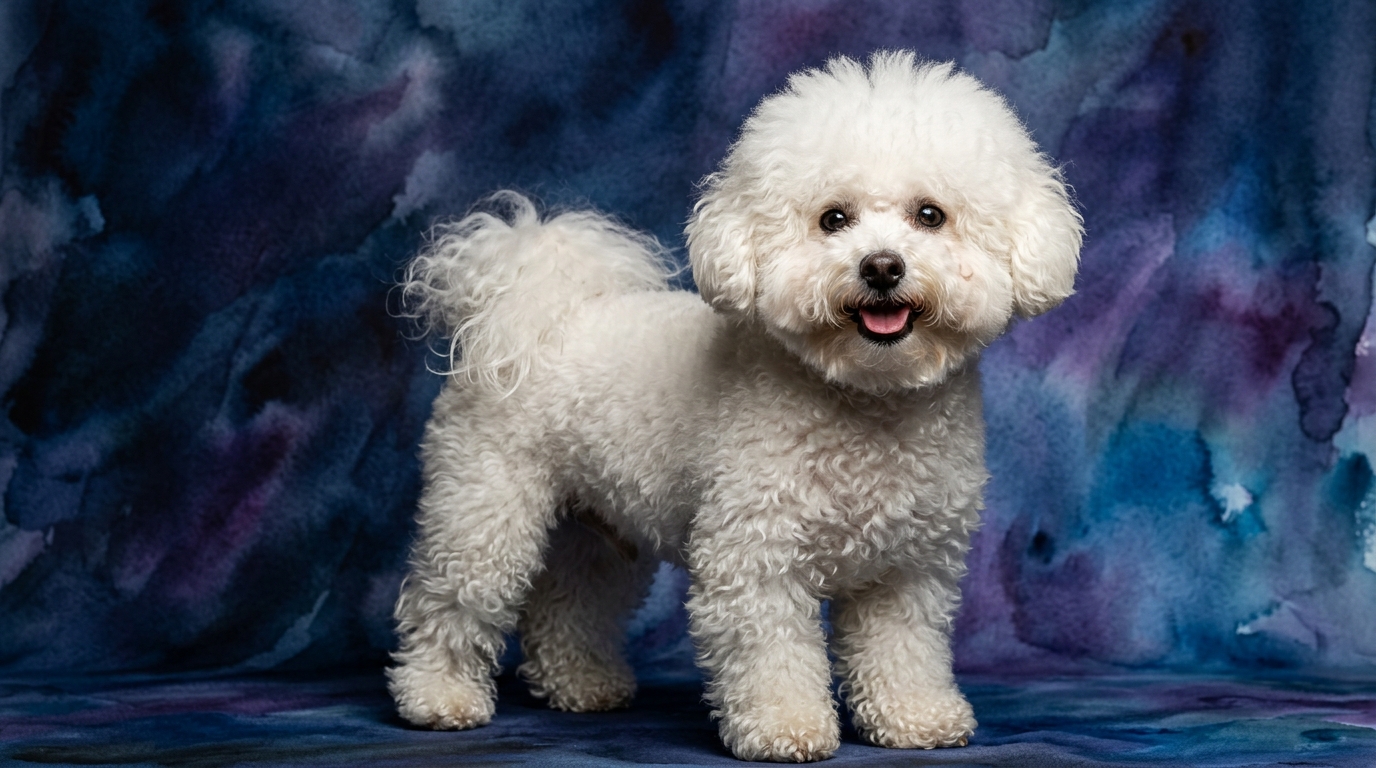
The Bichon Frisé, recognized by the Coren ranking at #45, showcases a balanced yet distinctly socially-oriented intelligence profile. Their Problem Solving is rated at 3/5, indicating an average capacity for moderately complex situations. Training Speed also sits at 3/5, suggesting a steady learning pace. Where they truly shine is Social Intelligence, scoring an exceptional 5/5, reflecting a profound attunement to human emotions and social cues. Instinctive Drive is lower at 2/5, meaning less inclination towards independent working tasks. Their Memory is a solid 3/5, allowing them to retain learned information effectively.
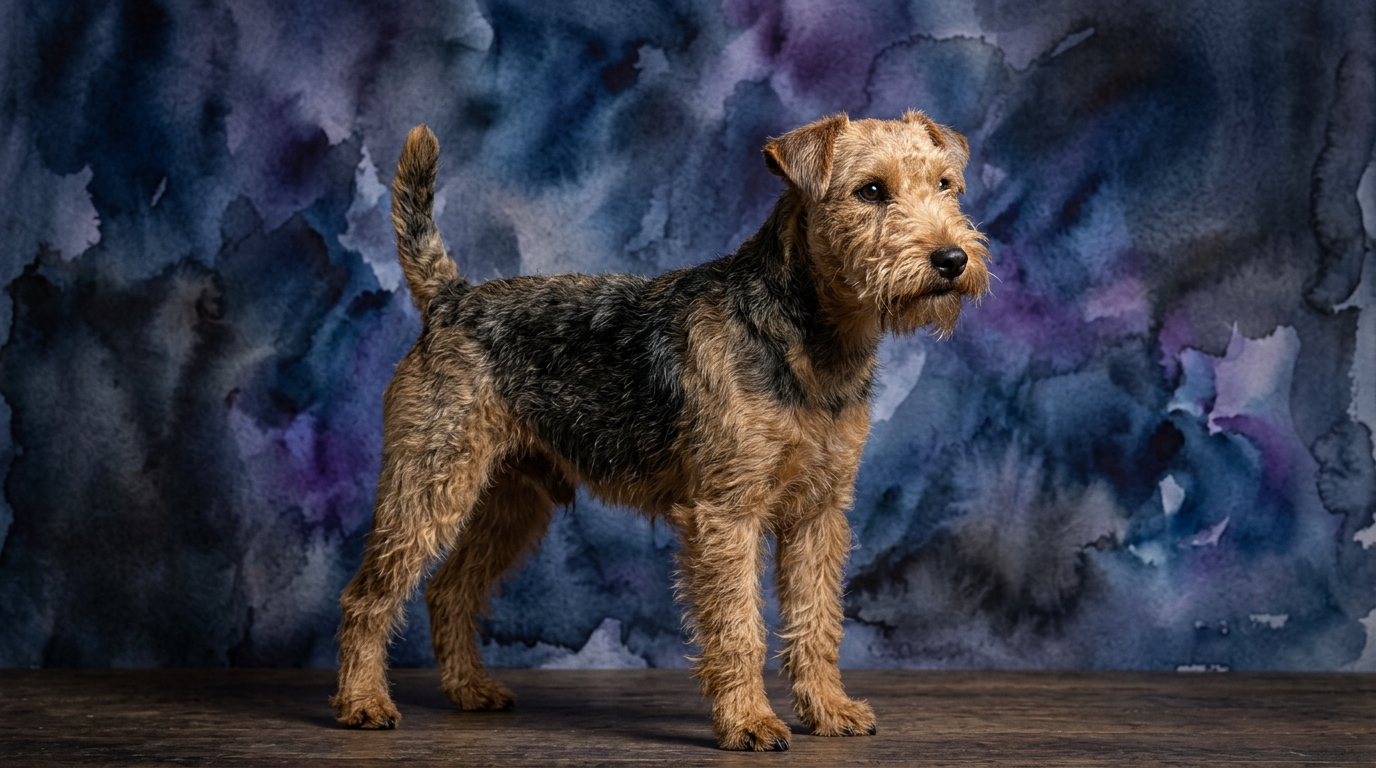
The Lakeland Terrier, though not Coren-ranked, presents a robust and driven cognitive profile. Like the Bichon, their Problem Solving is 3/5, demonstrating an equivalent aptitude for tackling moderate challenges. Training Speed is also 3/5, indicating an average learning rate. Their Social Intelligence is a competent 3/5, showing a good understanding of social dynamics but with less overt people-focus. Instinctive Drive is higher at 3/5, often manifesting as curiosity, a keen prey drive, or persistent focus. Memory is 3/5, ensuring they hold onto learned behaviors effectively.
Where the Bichon Frisé Wins Cognitively
The Bichon Frisé's standout cognitive advantage lies unequivocally in its Social Intelligence, scoring a remarkable 5/5 compared to the Lakeland’s 3/5. This translates into an exceptional ability to read and respond to human emotions, making them highly empathetic companions. They often anticipate an owner's moods, offering comfort or initiating play at just the right moment, fostering a deeply intuitive bond. This heightened social awareness makes them highly motivated by human interaction and approval, making them eager participants in family life.
Beyond their social acumen, the Bichon's lower Instinctive Drive of 2/5 (versus the Lakeland's 3/5) contributes to a more compliant and people-centric cognitive approach. This reduced impulse for independent hunting or territorial behaviors means they are generally less distracted by environmental stimuli that might pull a working breed away from human direction. Their cognitive energy is more readily channeled into interaction and cooperation, simplifying many aspects of daily living and training.
While not an IQ dimension, the Bichon's Coren rank of #45 places them firmly within the 'average working/obedience intelligence' category among many dog breeds. This established recognition underscores a reliable baseline of trainability and cognitive function that has been observed and documented over time, providing a clear indicator of their capacity to learn and integrate into human households.
Where the Lakeland Terrier Wins Cognitively
The Lakeland Terrier's cognitive edge is rooted in its higher Instinctive Drive, rated at 3/5 compared to the Bichon’s 2/5. This inherent drive translates into a tenacious and persistent approach to tasks, making them excel in activities requiring independent motivation and a keen focus on a goal. Whether it’s scent work, agility courses, or exploring new environments, their cognitive processes are geared towards active engagement and problem-solving through determined action. This drive allows them to overcome obstacles with characteristic terrier grit.
Furthermore, the Lakeland Terrier demonstrates comparable foundational cognitive skills across several key dimensions, matching the Bichon Frisé with 3/5 in Problem Solving, Training Speed, and Memory. This indicates an equivalent capacity for learning, adapting to new situations, and retaining information. Their cognitive abilities are robust, enabling them to understand and execute tasks effectively, even if their motivational framework—driven by instinct and purpose—differs from the Bichon's more socially-driven intelligence.
Which Is Easier to Train and Why
The Bichon Frisé generally proves to be the easier breed to train, a direct result of their exceptional social intelligence (5/5) and lower instinctive drive (2/5). Their profound desire to connect with and please their human companions acts as a powerful motivator, making them highly receptive to positive reinforcement and eager to cooperate. This strong social bond minimizes independent thinking that might conflict with commands, leading to quicker, more joyful adoption of desired behaviors. Their focus is primarily on their people, simplifying the training process.
The Lakeland Terrier, while equally capable in foundational cognitive areas like training speed and problem-solving (both 3/5), presents a different training dynamic due to their higher instinctive drive (3/5) and more moderate social intelligence (3/5). This combination means they can be more independent, requiring consistent, engaging, and often creative training methods that effectively channel their innate terrier tenacity. Their drive, while a strength, can sometimes manifest as stubbornness if they perceive a task as unrewarding, demanding a trainer who understands how to harness their natural instincts and keep them mentally stimulated.
Which Suits Active Owners vs. Relaxed Owners
The Bichon Frisé, with its adaptable nature and moderate physical requirements, often suits both relaxed and moderately active owners. They genuinely enjoy playtime and daily walks but are equally content to cuddle on the couch, making them excellent companions for those seeking a charming, affectionate presence without constant demands for strenuous activity. Their high social intelligence means they thrive on consistent companionship and interaction, making them ideal for owners who enjoy spending quality time with their pet at home.
The Lakeland Terrier, originating from a working background, is unequivocally better suited for active owners who can provide consistent mental and physical engagement. Their moderate instinctive drive and characteristic terrier spirit mean they genuinely benefit from structured activities like agility, earthdog trials, long exploratory hikes, or advanced obedience training. Owners who enjoy an active lifestyle and can channel the Lakeland's tenacious energy into productive outlets will find a rewarding partnership; more relaxed owners might find their independent spirit challenging to manage.
The Verdict
Opt for the Bichon Frisé if you prioritize an exceptionally social, emotionally intuitive companion who thrives on close human connection and offers a relatively straightforward training experience, ideal for adaptable lifestyles.
Select the Lakeland Terrier if you seek an active, tenacious partner for adventures and training challenges, valuing an independent spirit that, when channeled, excels in driven activities.
🧠 Find Your Pet's IQ Score
Our Pet IQ Lab assessment covers 25+ tests across 5 cognitive dimensions — personalized to your breed.
Take the Full IQ Test →Frequently Asked Questions
Are Bichon Frisé good family dogs?
Yes, Bichon Frisé often make excellent family dogs due to their high social intelligence and affectionate nature. They typically enjoy interacting with all family members, including children, and adapt well to various household dynamics, thriving on companionship.
Do Lakeland Terriers bark a lot?
Lakeland Terriers can be prone to barking, a common trait among terriers, especially when bored, left alone, or perceiving a threat. Their moderate instinctive drive means they are alert and vocal, requiring consistent training to manage excessive barking.
How much exercise do these breeds need?
The Bichon Frisé requires moderate daily exercise, such as short walks and indoor play, adapting well to apartment living. The Lakeland Terrier, being a working breed, needs more vigorous activity, including longer walks, play sessions, and mental stimulation to prevent boredom and destructive behaviors.