Side-by-Side IQ Profile: Unpacking Cognitive Dimensions
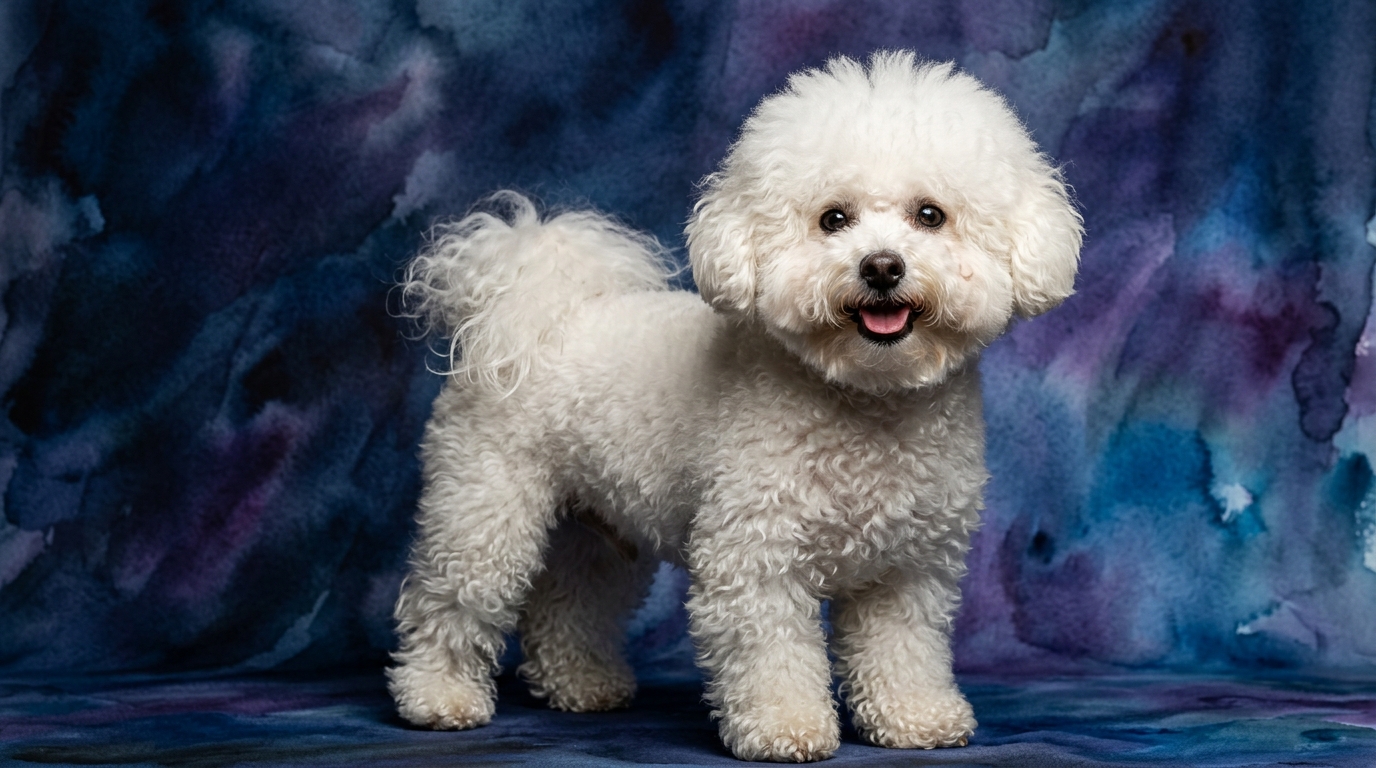
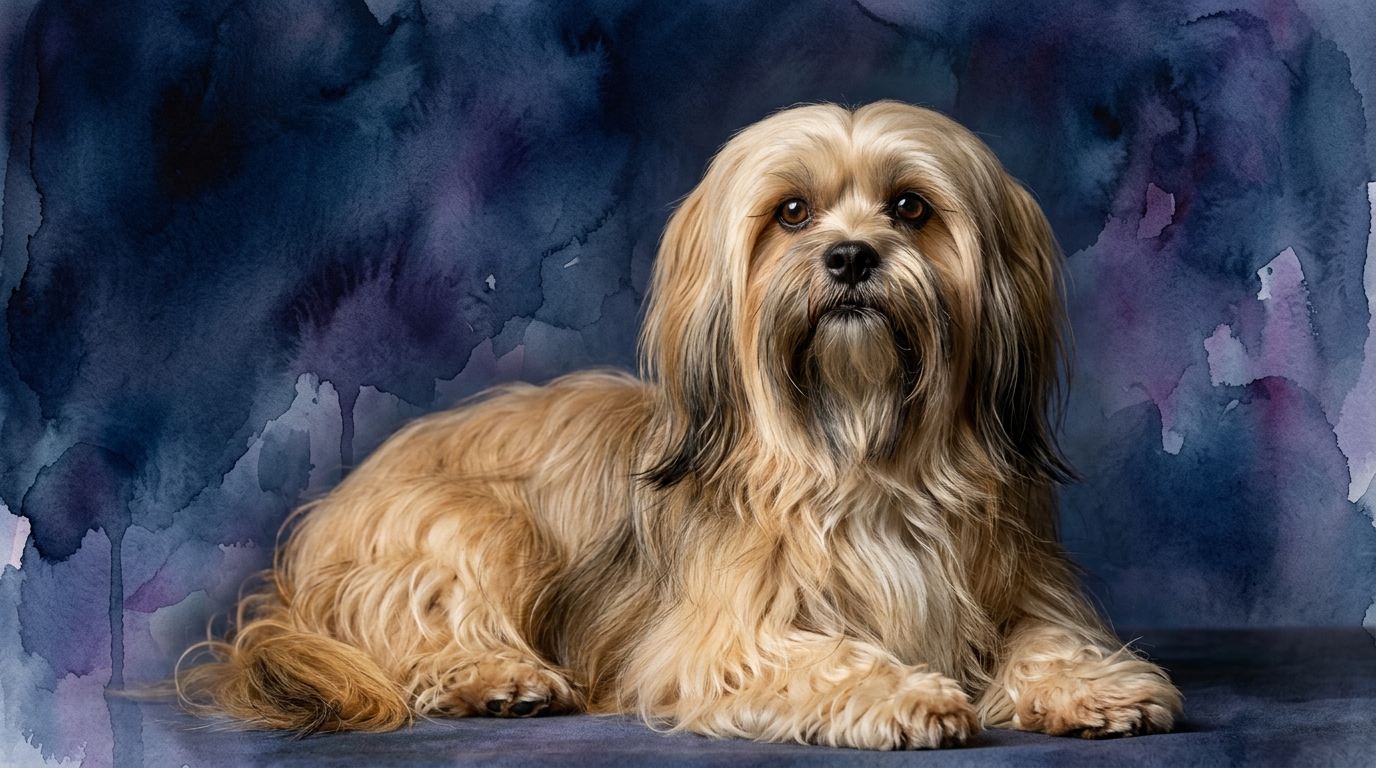
The Cosmic Pet Pet IQ Lab evaluates canine cognition across five distinct dimensions: Problem Solving, Training Speed, Social Intelligence, Instinctive Drive, and Memory. These metrics offer a nuanced view beyond simplistic notions, helping us understand how a breed processes information and interacts with its environment. For the Bichon Frisé, ranked #45 in Coren's obedience intelligence, its profile shows a Problem Solving score of 3/5, indicating a moderate capacity for navigating novel situations and figuring out solutions independently. Its Training Speed, also at 3/5, suggests a reasonable pace for learning new commands, neither exceptionally quick nor particularly slow. Where the Bichon truly shines is its Social Intelligence, scoring a remarkable 5/5, reflecting an exceptional ability to understand and respond to human cues and emotions. Its Instinctive Drive is lower at 2/5, meaning it's less driven by ancient canine instincts like hunting or guarding, while its Memory stands at a solid 3/5, allowing it to retain learned behaviors and experiences adequately. In contrast, the Lhasa Apso, appearing at #68 in Coren's obedience rankings, presents a slightly different cognitive architecture. It shares the same Problem Solving score of 3/5, suggesting a similar ability to tackle challenges. Its Training Speed also matches the Bichon at 3/5, indicating an equivalent learning pace for obedience tasks. However, its Social Intelligence is rated at 3/5, signifying a more independent and less overtly people-pleasing disposition compared to the Bichon. The Lhasa Apso's Instinctive Drive is 3/5, a point higher than the Bichon, reflecting its historical role as a sentinel dog with a stronger inherent drive to guard and observe. Its Memory, like the Bichon's, is rated at 3/5, providing a comparable capacity for recall and retention. These profiles reveal two breeds with similar baseline cognitive functions in problem-solving and memory, but with significant divergences in their social engagement and inherent drives.
Where Bichon Frisé Wins Cognitively
The Bichon Frisé's standout cognitive strength lies unequivocally in its Social Intelligence, scoring a perfect 5 out of 5. This dimension signifies an extraordinary capacity for understanding and responding to human emotions, intentions, and communication. A Bichon is profoundly attuned to its owner's moods, often adjusting its behavior to offer comfort or solicit play, demonstrating a sophisticated emotional radar. This high social acumen translates into a dog that thrives on interaction, actively seeking connection and understanding the subtleties of human social dynamics. For example, a Bichon might intuitively sense when its owner needs cheering up and respond with gentle nudges or playful antics. Their ability to read and react to human cues makes them exceptionally empathetic companions, often forming deep, reciprocal bonds. This social prowess also makes them highly adaptable to various social settings, from bustling family gatherings to quiet companion roles, as they are adept at navigating complex human interactions with grace and charm. Their lower Instinctive Drive further supports this, meaning their focus is less on independent tasks and more on collaborative, socially driven engagement with their human family.
Where Lhasa Apso Wins Cognitively
The Lhasa Apso's cognitive edge can be found in its more pronounced Instinctive Drive, rated at 3 out of 5, a point higher than the Bichon Frisé. This score reflects a stronger inherent inclination towards behaviors rooted in its ancestral purpose: guarding and observation. Historically bred as watchdogs for Tibetan monasteries, Lhasas possess a keen awareness of their surroundings and a natural inclination to alert their families to perceived intruders or unusual occurrences. This translates cognitively into a heightened sense of vigilance and a more independent problem-solving approach when it comes to assessing environmental stimuli. While their Problem Solving score is the same as the Bichon's, the Lhasa's solutions often stem from a self-reliant, territorial perspective rather than a desire to please. For instance, a Lhasa might independently devise a strategy to gain a better vantage point for observation or decide to investigate a new sound with cautious determination, driven by its innate protective instincts. This cognitive strength makes them exceptionally alert companions, providing a sense of security and demonstrating a self-assured intelligence that doesn't always rely on human direction for motivation or action.
Which is Easier to Train and Why
While both the Bichon Frisé and Lhasa Apso share a Training Speed score of 3/5, the overall ease of training them can differ significantly due to their divergent Social Intelligence and Instinctive Drive scores. A Bichon Frisé, with its exceptional Social Intelligence (5/5) and lower Instinctive Drive (2/5), typically approaches training as a collaborative and rewarding social interaction. They are highly motivated by praise, attention, and the joy of pleasing their human companion, making them eager participants in training sessions. Their strong desire for social connection means they are generally less prone to stubbornness and more receptive to consistent positive reinforcement. For example, a Bichon will likely quickly grasp that performing a 'sit' earns a happy voice and a treat, reinforcing the behavior efficiently. In contrast, the Lhasa Apso's Social Intelligence (3/5) and higher Instinctive Drive (3/5) lend themselves to a more independent and discerning training dynamic. Lhasas tend to be more self-willed; they will learn, but often on their own terms and with a clear understanding of what's in it for them. Their training requires consistent, patient, and engaging methods, as they are less inherently driven to please and more likely to follow commands they deem reasonable or beneficial. A Lhasa might question the utility of a command or require more convincing to perform it consistently, often exhibiting a charming but firm independence that owners must respect and work with rather than against.
Which Suits Active Owners vs Relaxed Owners
The cognitive profiles of the Bichon Frisé and Lhasa Apso also provide insights into which breed might better suit different owner lifestyles. The Bichon Frisé, with its high Social Intelligence and moderate Problem Solving, thrives in environments where it receives ample social interaction and mental stimulation through engagement. They are playful, enjoy being the center of attention, and are often enthusiastic participants in family activities. Owners who are active in terms of social outings, regular interactive play, or even dog sports like agility or obedience will find the Bichon to be an eager and joyful companion. They are also well-suited for relaxed owners who are present and willing to engage in daily interactive play and cuddles, as their primary need is for companionship and connection. Conversely, the Lhasa Apso's higher Instinctive Drive and moderate Social Intelligence make it a better fit for owners who appreciate a more self-sufficient and watchful companion. While they enjoy companionship, Lhasas are not typically as overtly demanding of constant interaction as Bichons. They are content with quiet observation and often prefer to be near their family rather than constantly engaging in boisterous play. Relaxed owners who enjoy a calm household, appreciate a dog with a strong sense of self, and are comfortable with a companion that is alert but not necessarily always 'on' for play will find a Lhasa Apso to be a fitting and devoted member of their family. They will still benefit from mental enrichment, but it might come in the form of puzzle toys or controlled outdoor exploration rather than constant interactive games.
The Verdict
Choose a Bichon Frisé if you seek a highly empathetic, socially engaged companion who thrives on interaction and aims to please, bringing joy and lively energy to your daily life.
Opt for a Lhasa Apso if you value an independent, watchful companion with a self-assured demeanor, offering loyal companionship and a calm, observant presence.
🧠 Find Your Pet's IQ Score
Our Pet IQ Lab assessment covers 25+ tests across 5 cognitive dimensions — personalized to your breed.
Take the Full IQ Test →Frequently Asked Questions
Are Bichon Frisés difficult to train despite their eagerness to please?
Bichon Frisés generally have a Training Speed of 3/5, meaning they learn at a moderate pace. Their high social intelligence often makes them eager to comply, but consistency and positive reinforcement are still crucial for effective training.
Does the Lhasa Apso's higher instinctive drive make them more aggressive?
A higher instinctive drive in Lhasa Apsos primarily refers to their natural guarding and observational tendencies, not aggression. This translates to alertness and a protective nature, which, with proper socialization, results in a confident and discerning companion.
How do their Problem Solving scores of 3/5 manifest differently in daily life?
While both breeds score 3/5 in Problem Solving, a Bichon might use its problem-solving skills to figure out how to get attention or access a favorite human, leveraging its social intelligence. A Lhasa, with its higher instinctive drive, might apply its problem-solving to survey its environment, identify perceived threats, or find a secure spot for observation, reflecting its independent nature.