Side-by-Side IQ Profile: Bichon Frisé vs. Miniature Bull Terrier
The Cosmic Pet Pet IQ Lab employs a five-dimensional framework to assess canine intelligence, providing a detailed look at how different breeds process information and interact with their world. For the Bichon Frisé, a delightful member of the Non-Sporting group, and the spirited Miniature Bull Terrier from the Terrier group, these dimensions illuminate their unique cognitive strengths and inclinations.
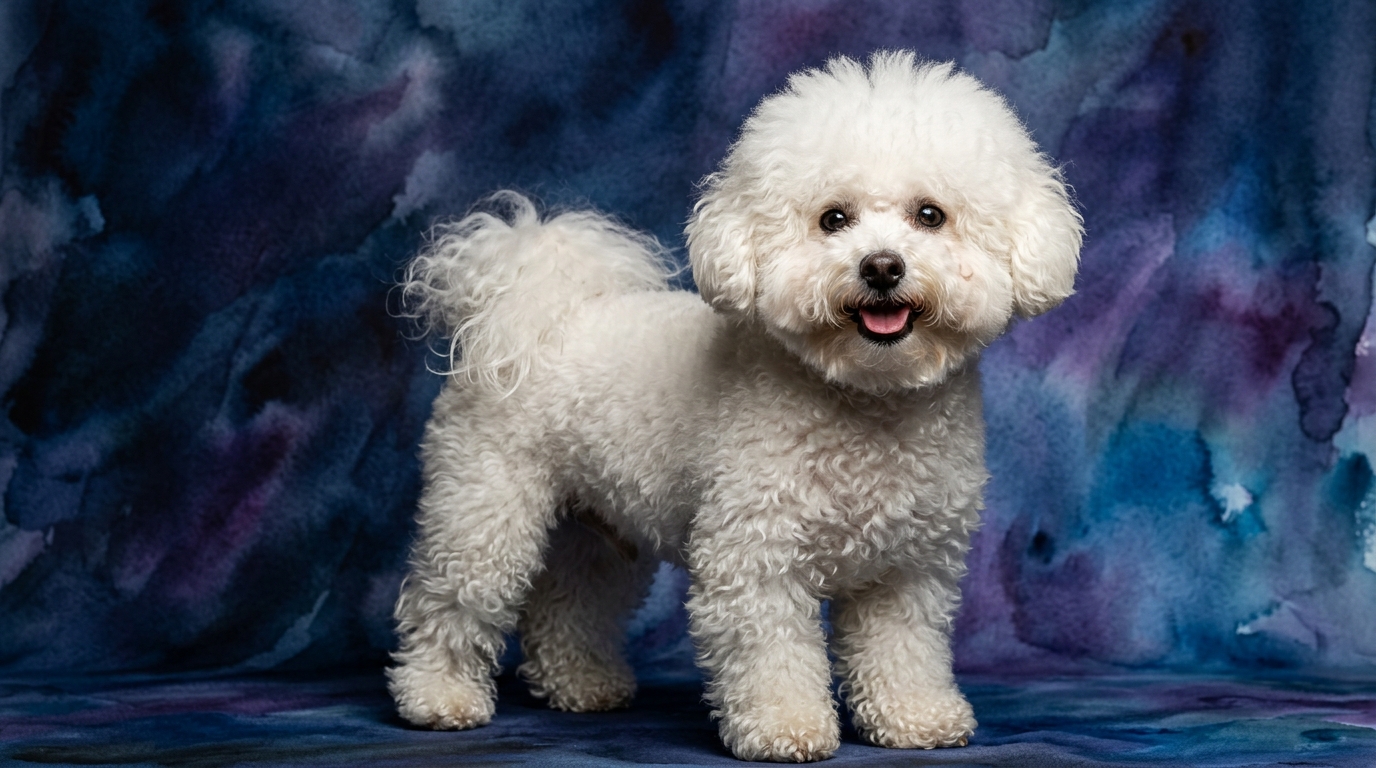
The Bichon Frisé, with a Coren rank of #45, demonstrates a Problem Solving score of 3/5, indicating a moderate ability to navigate everyday challenges or figure out simple puzzles. Its Training Speed also sits at 3/5, suggesting it learns new commands at an average pace when motivated consistently. Where the Bichon truly excels is in Social Intelligence, scoring an impressive 5/5, reflecting an exceptional capacity for understanding human emotions and social cues. Its Instinctive Drive is lower at 2/5, meaning it's less prone to independent hunting or guarding behaviors, while its Memory is rated 3/5, allowing for effective retention of routines and learned tasks.
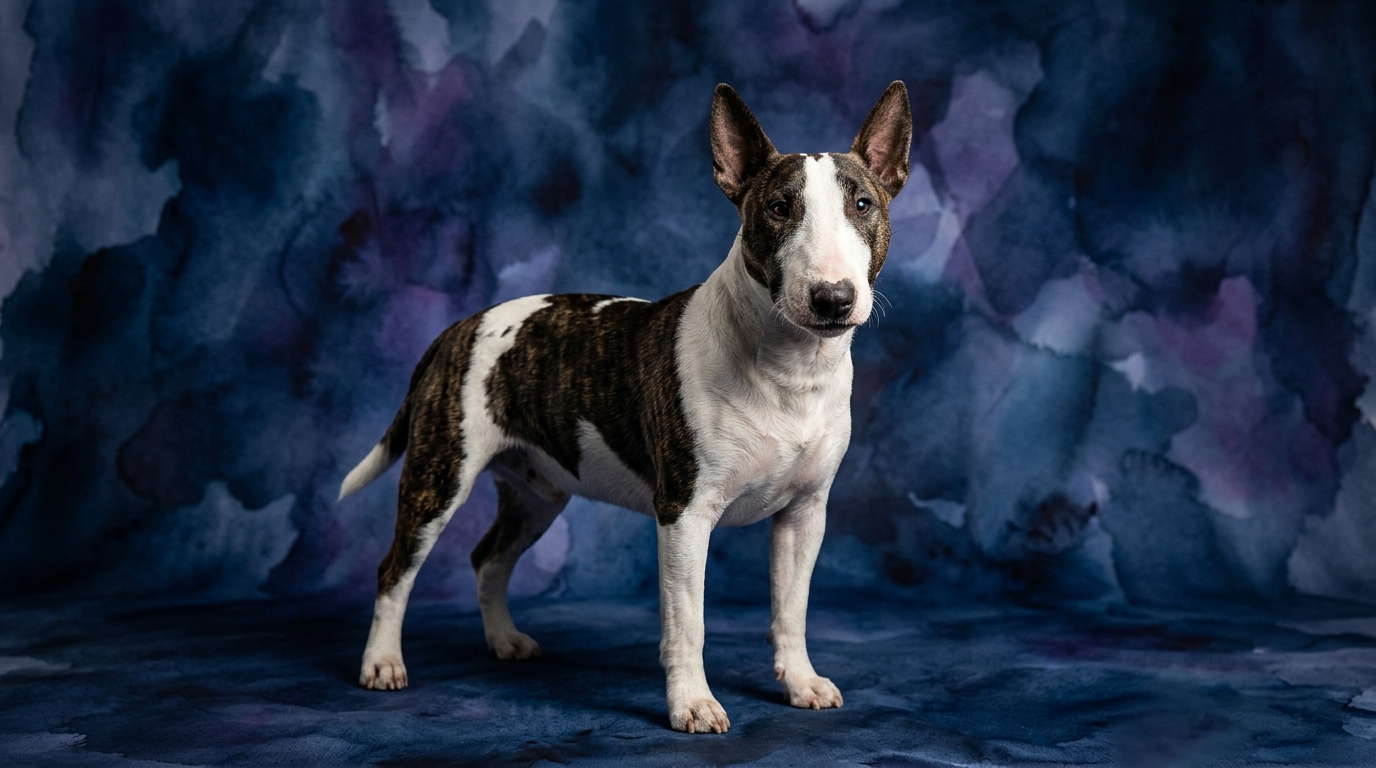
The Miniature Bull Terrier, while not formally Coren-ranked, presents a balanced cognitive profile across several dimensions. It shares a Problem Solving score of 3/5, indicating a similar capacity for tackling straightforward cognitive tasks as the Bichon. Its Training Speed is also 3/5, meaning it learns at a moderate rate, though its inherent terrier personality can influence the training process. The Mini Bull Terrier’s Social Intelligence is 3/5, showing good engagement with its family but perhaps a more independent streak than the highly people-oriented Bichon. Its Instinctive Drive is 3/5, reflecting a moderate inherent drive for activities like chasing or digging, and its Memory is also a solid 3/5, allowing it to remember past experiences and training effectively.
Where the Bichon Frisé Wins Cognitively
The Bichon Frisé’s most pronounced cognitive advantage lies in its exceptional Social Intelligence, scoring a perfect 5/5. This dimension signifies an unparalleled ability to interpret and respond to human emotions, body language, and vocal inflections. Bichons are highly attuned to their human companions, often anticipating moods and desires, which fosters deep emotional bonds and facilitates harmonious cohabitation. Their cognitive strength is rooted in their eagerness for reciprocal social interaction, making them incredibly empathetic and responsive companions.
Furthermore, the Bichon's lower Instinctive Drive (2/5) complements its high social intelligence, minimizing distractions from innate urges like hunting or extensive independent exploration. This reduced internal compulsion allows their focus to remain predominantly on human interaction and companionship, making them less likely to be sidetracked by environmental stimuli that might captivate other breeds. This cognitive combination results in a dog that thrives on connection, making them exceptionally well-suited for roles where emotional support and companionship are paramount.
Where the Miniature Bull Terrier Wins Cognitively
The Miniature Bull Terrier demonstrates a unique cognitive strength in its balanced Instinctive Drive, rated at 3/5. Unlike the Bichon's lower drive, the Mini Bull Terrier's moderate drive, combined with its 3/5 Problem Solving score, reflects a resilient and self-assured nature. This allows them to approach challenges with a notable degree of independent thought and persistence, often showing ingenuity in navigating their environment or overcoming minor obstacles to achieve a goal.
Their terrier heritage imbues them with a certain "can-do" attitude, where they might independently figure out how to access a desired toy or explore an intriguing scent trail rather than solely relying on human direction. This cognitive profile suggests a dog that is not only capable of learning but also possesses an innate curiosity that drives self-initiated exploration and engagement with the world around them. This balanced drive equips them to be more resilient and adaptable in varied environments, often finding their own entertainment and challenges.
Which is Easier to Train and Why?
Both the Bichon Frisé and Miniature Bull Terrier share a Training Speed rating of 3/5, indicating they learn new commands at a moderate pace. However, their differing social and instinctive profiles introduce distinct dynamics that influence their perceived ease of training. The Bichon Frisé’s superior Social Intelligence (5/5) makes them exceptionally receptive to training, as they are highly motivated by human praise, interaction, and the inherent desire to please their companions. Their low Instinctive Drive (2/5) means fewer internal distractions, allowing them to focus more intently on the trainer and the task at hand, thriving on positive reinforcement.
In contrast, the Miniature Bull Terrier, with its 3/5 Social Intelligence and 3/5 Instinctive Drive, can present a different training experience. While intelligent, their terrier tenacity and moderate independent drive mean they might occasionally prioritize their own interests or an intriguing scent over immediately complying with a command. Their training requires a firm yet fair approach, consistent boundaries, and creative methods to keep them engaged, as they may be less inherently motivated by social approval alone and more by the challenge or reward itself. Therefore, for a novice owner, the Bichon Frisé might feel “easier” to train due to its strong social motivation and lower distractibility, whereas the Mini Bull Terrier requires a trainer who appreciates and can channel its independent spirit effectively.
Which Suits Active Owners vs. Relaxed Owners?
The cognitive profiles of these two breeds offer clear guidance for different lifestyle preferences. The Bichon Frisé, with its high Social Intelligence (5/5) and lower Instinctive Drive (2/5), is an exceptional match for relaxed owners who prioritize companionship and gentle interaction over strenuous activities. Their contentment stems from close proximity to their human family and engaging in social play or quiet cuddles. While they enjoy walks and playtime, their cognitive needs are primarily met through social engagement and consistent, loving attention, making them well-suited to apartment living or a less physically demanding routine. An owner who enjoys teaching tricks and engaging in interactive games that reinforce their social bond will find the Bichon thriving in this environment.
Conversely, the Miniature Bull Terrier, with its balanced Instinctive Drive (3/5) and Problem Solving (3/5), aligns better with active owners who can provide consistent mental and physical stimulation. Their moderate drive means they appreciate structured play, opportunities for exploration, and engaging in activities that challenge their intellect and physical endurance. Owners who enjoy regular walks, interactive puzzle toys, or even dog sports like agility will find the Mini Bull Terrier a willing and robust participant. They need outlets for their inherent curiosity and tenacity, making them a better fit for individuals or families who embrace a more dynamic and engaging lifestyle, willing to provide consistent direction and varied experiences to prevent boredom and channel their energy constructively.
The Verdict
Opt for the Bichon Frisé if you seek a highly socially intelligent companion who thrives on close emotional connection and consistent positive interaction, fitting seamlessly into a more relaxed household.
Select the Miniature Bull Terrier if you are an active owner prepared to engage a curious and tenacious dog with consistent training, mental challenges, and opportunities for independent exploration.
🧠 Find Your Pet's IQ Score
Our Pet IQ Lab assessment covers 25+ tests across 5 cognitive dimensions — personalized to your breed.
Take the Full IQ Test →Frequently Asked Questions
Does Coren rank apply to both breeds?
The Coren ranking specifically places the Bichon Frisé at #45, indicating its general working and obedience intelligence among breeds studied. The Miniature Bull Terrier, while demonstrating clear cognitive abilities, does not have a formal Coren ranking, which is common for many breeds not included in his original study.
Are Bichon Frisés prone to separation anxiety due to high social intelligence?
A Bichon's high social intelligence means they form very strong bonds with their families, and without proper training and gradual independence, they can develop separation distress. Consistent positive reinforcement, establishing a secure attachment, and practicing alone-time are crucial to prevent this.
Do Miniature Bull Terriers need more mental stimulation than Bichons?
Generally, yes. While both benefit from mental engagement, the Miniature Bull Terrier's moderate instinctive drive and terrier tenacity mean they often require more varied and challenging mental puzzles and activities to prevent boredom and destructive behaviors. Their inherent curiosity needs constructive outlets.