Side-by-Side Cognitive Profiles
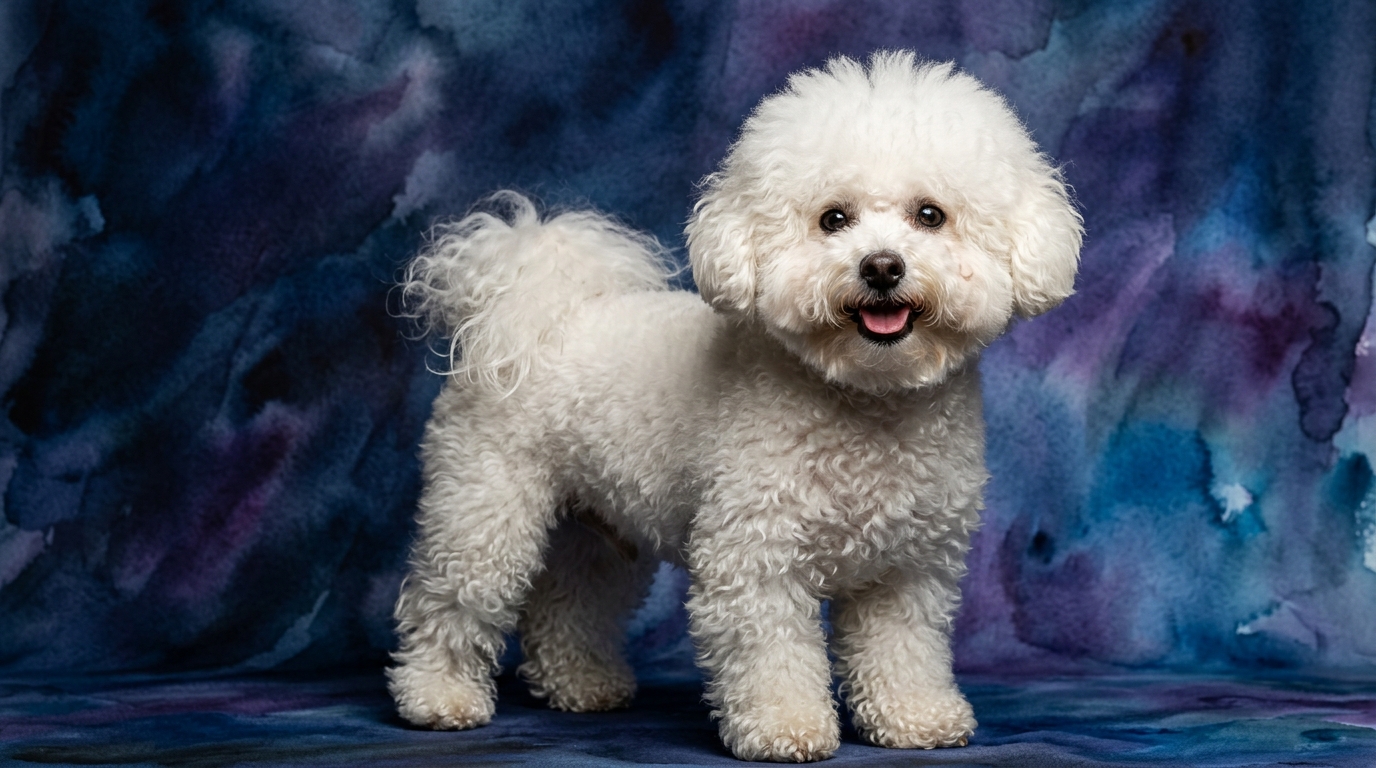
The Cosmic Pet Pet IQ Lab categorizes canine intelligence across five crucial dimensions, offering a comprehensive view of each breed's cognitive make-up. For the Bichon Frisé, we observe a Coren rank of #45, placing them in a respectable position among breeds. Their Problem Solving is rated 3/5, indicating an average capacity to navigate novel situations or overcome obstacles to achieve a goal. Training Speed also sits at 3/5, suggesting they learn new commands at a moderate pace. Where the Bichon truly distinguishes itself is in Social Intelligence, scoring an impressive 5/5, highlighting an exceptional ability to interpret human emotions and cues. Their Instinctive Drive is lower at 2/5, reflecting less inherent motivation for traditional working dog tasks, while Memory is 3/5, allowing them to retain learned behaviors and experiences adequately.
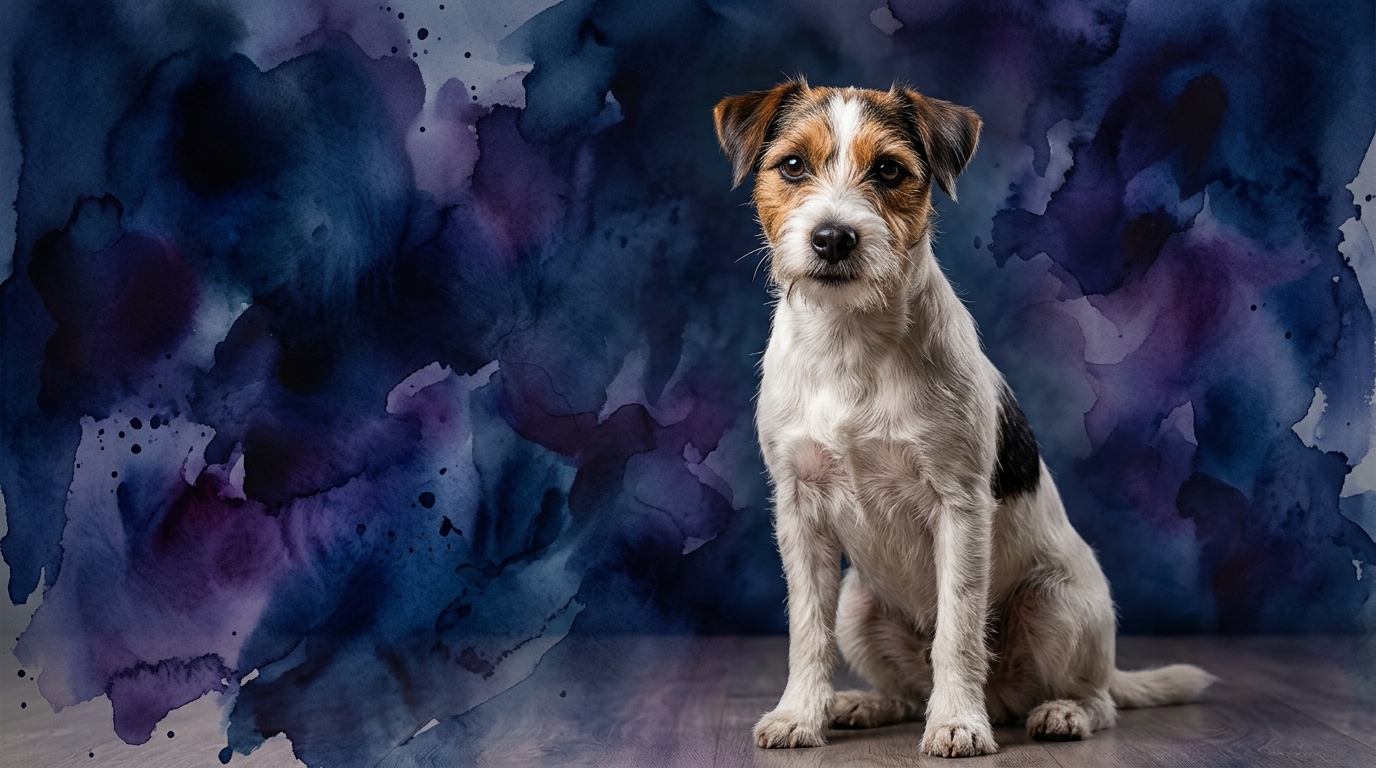
The Parson Russell Terrier, though not Coren-ranked, presents a different cognitive blueprint, reflecting its working heritage. Their Problem Solving mirrors the Bichon at 3/5, indicating a similar moderate ability to figure things out independently. Training Speed also aligns with the Bichon at 3/5, meaning they acquire new skills at a comparable rate. However, their Social Intelligence is 3/5, suggesting they are generally good at interacting with humans but may not possess the same nuanced understanding of human emotional states as the Bichon. A key differentiator is their Instinctive Drive, rated 3/5, which points to a moderate inherent urge for typical terrier activities like digging, chasing, or exploring. Memory for the Parson Russell Terrier is also 3/5, providing a solid foundation for learning and recall.
Where the Bichon Frisé Cognitively Excels
The Bichon Frisé's standout cognitive strength lies unequivocally in its exceptional Social Intelligence, scoring a perfect 5/5. This high rating means they possess a profound capacity to read human body language, vocal inflections, and emotional states, making them incredibly attuned companions. A Bichon will often seem to anticipate an owner's mood, offering comfort or initiating play based on subtle signals. This deep understanding translates into a dog that integrates seamlessly into family life, often forming strong, empathetic bonds. They are adept at understanding social dynamics within a household, quickly learning what behaviors elicit positive responses and how to charmingly solicit attention. This cognitive edge makes them remarkably responsive to human interaction, fostering a perception of companionship that few other breeds can rival, as they genuinely seem to 'get' their people.
While their problem-solving and training speed are moderate, their superior social intelligence often enhances their perceived trainability and adaptability in a home environment. Because they are so attuned to human feedback, they are often eager to please and quick to respond to praise or correction, even if the learning process itself isn't exceptionally fast. This high social IQ allows them to adapt to various social settings and bond effectively with multiple family members, making them versatile and engaging household members. Their cognitive profile highlights their role as intuitive companions, thriving on connection and reciprocal emotional understanding.
Where the Parson Russell Terrier Cognitively Excels
The Parson Russell Terrier's cognitive advantages are rooted in its balanced instinctive drive (3/5) and practical problem-solving (3/5), reflecting its heritage as a tenacious working dog. While its social intelligence is moderate, its instinctive drive provides a robust foundation for engaging in purposeful activities. This breed exhibits a natural inclination to explore, investigate, and pursue, making them adept at tasks that require focus and determination. Unlike breeds with lower instinctive drives, a Parson Russell Terrier is more likely to engage enthusiastically in scent work, agility, or earthdog trials, where their natural curiosity and drive to 'work' are channeled constructively.
Their problem-solving skills, combined with this drive, mean they can often figure out how to access interesting smells or objects, or navigate complex environments to achieve a goal. This isn't abstract problem-solving but rather a practical, goal-oriented intelligence that serves them well in real-world scenarios. For instance, a Parson might cleverly work out how to get to a hidden toy or find a way through an obstacle course, driven by their innate desire to achieve a target. This tenacity and independent thought, while sometimes challenging in training, are significant cognitive assets for owners who appreciate a dog with a strong will and a purpose-driven mindset.
Which is Easier to Train and Why
When considering ease of training, the Bichon Frisé generally presents a more straightforward experience for the average owner, primarily due to its outstanding Social Intelligence (5/5). While both breeds have a Training Speed of 3/5, meaning they learn at a similar pace, the Bichon's deep understanding of human cues and strong desire to please makes them highly receptive to instruction. They are exceptionally motivated by praise and positive reinforcement, often eager to perform actions that elicit a positive response from their human. This means that while it might take a few repetitions for a command to stick, the Bichon is likely to remain engaged and cooperative throughout the process, quickly understanding the social contract of training.
Conversely, the Parson Russell Terrier, with its moderate Social Intelligence (3/5) and stronger Instinctive Drive (3/5), can be more challenging to train for novice owners. While they are certainly capable learners, their inherent drive to chase, dig, or explore can sometimes override their desire to comply with human commands. They might be more prone to independent thinking or distracted by environmental stimuli, requiring a trainer with more patience, consistency, and creativity to maintain their focus. Their training often benefits from making tasks feel like a 'game' or channeling their natural instincts into the learning process, rather than relying solely on their willingness to please. For example, a Parson might be taught recall more effectively by turning it into a high-energy chase game rather than a simple command, addressing their behavioral inclination for pursuit.
Suitability for Active vs. Relaxed Owners
The cognitive profiles of these two breeds offer clear guidance for matching them with appropriate owner lifestyles. The Bichon Frisé, with its high Social Intelligence (5/5) and moderate Instinctive Drive (2/5), is an ideal companion for more relaxed owners or those seeking a highly interactive, empathetic household member. Their cognitive strengths lean towards companionship and social engagement rather than demanding physical challenges. They thrive on being involved in family activities, enjoying cuddle time, and engaging in gentle play or short walks. An owner who appreciates a dog that is deeply attuned to their emotional state and content with a less strenuous daily routine will find the Bichon Frisé a perfect fit. Their moderate problem-solving and training speed mean they can adapt well to a comfortable home environment without constant mental stimulation from complex tasks.
In contrast, the Parson Russell Terrier's balanced Instinctive Drive (3/5), combined with its problem-solving abilities (3/5), makes it a better match for active owners who can provide consistent mental and physical outlets. This breed requires more than just casual walks; they thrive on structured activities that engage their natural curiosity and desire to explore and pursue. Owners who enjoy hiking, jogging, agility sports, earthdog events, or even extensive backyard play sessions will find a Parson Russell Terrier to be an enthusiastic partner. Their cognitive makeup demands regular engagement to prevent boredom and potential destructive behaviors that can arise from an unfulfilled drive. An owner prepared to channel their dog's inherent tenacity and independent spirit into constructive activities will unlock the full potential of this spirited terrier.
The Verdict
Choose a Bichon Frisé if you seek an exceptionally social, empathetic companion deeply attuned to your emotions, thriving on connection and a comfortable, family-centric lifestyle.
Opt for a Parson Russell Terrier if you're an active owner ready to provide consistent mental and physical challenges, appreciating a spirited, independent dog with a strong working drive.
🧠 Find Your Pet's IQ Score
Our Pet IQ Lab assessment covers 25+ tests across 5 cognitive dimensions — personalized to your breed.
Take the Full IQ Test →Frequently Asked Questions
Are Bichon Frisés difficult to house train?
Bichon Frisés are moderately easy to house train, largely due to their high social intelligence and desire to please. Consistency and positive reinforcement are key; they respond well to understanding what makes their owner happy, making the process smoother than for more independent breeds.
Do Parson Russell Terriers need a lot of mental stimulation?
Yes, Parson Russell Terriers require significant mental stimulation due to their instinctive drive and problem-solving abilities. Without engaging activities like puzzle toys, training, or scent work, they can become bored and potentially develop undesirable behaviors to entertain themselves.
Which breed is better with children?
The Bichon Frisé, with its superior social intelligence, often adapts very well to living with children, understanding social cues and generally being more tolerant. Parson Russell Terriers can be good with children but require careful socialization and supervision, as their instinctive drive might lead to playful nipping or chasing, which needs management.