Side-by-Side IQ Profile: Bichon Frisé vs. Pekingese
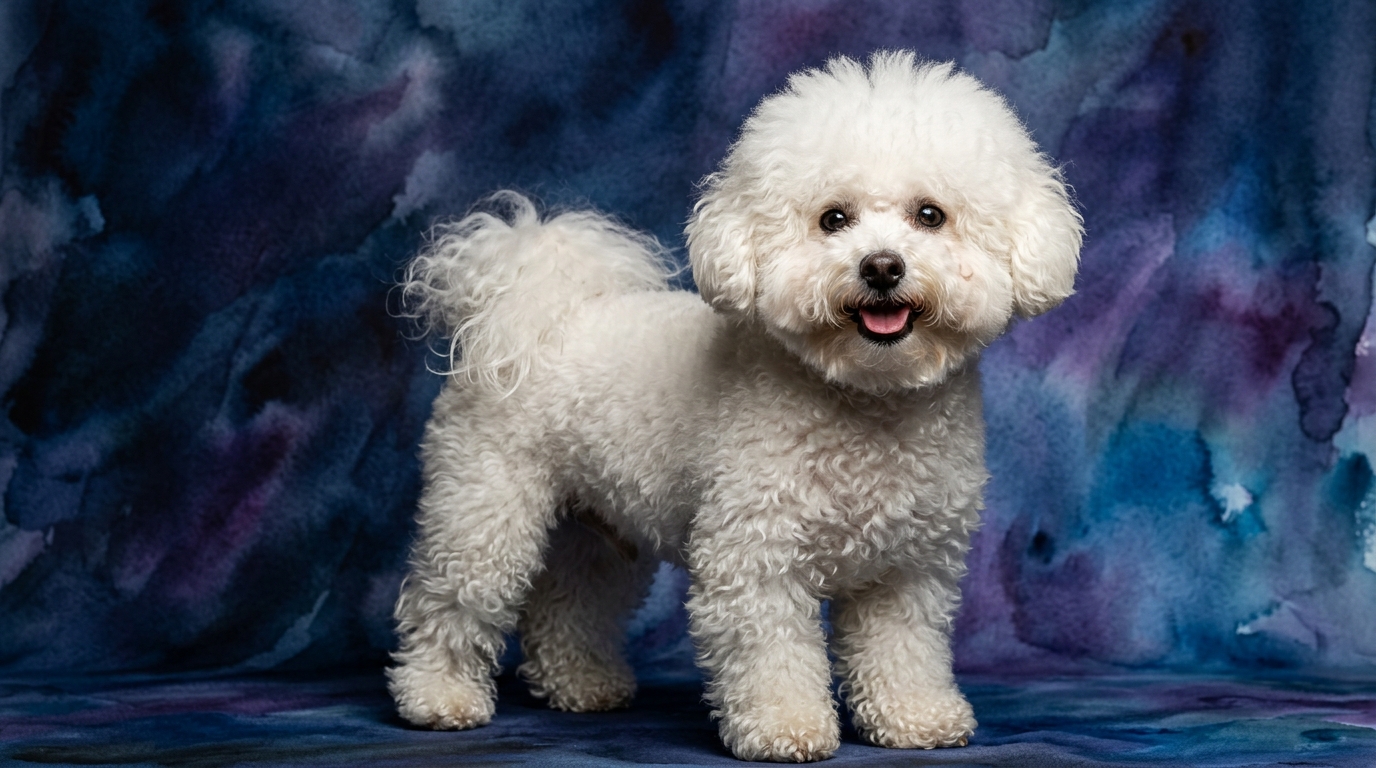
The Cosmic Pet Pet IQ Lab employs a multi-dimensional approach to assess canine cognition, moving beyond simplistic notions of 'smartness.' For the Bichon Frisé, categorized in the Non-Sporting Group with a Coren rank of #45, their cognitive profile is distinct. Their Problem Solving is rated 3/5, indicating an average capacity to navigate moderately complex tasks, often through learned associations rather than abstract reasoning. Training Speed also sits at 3/5; they grasp new commands at a moderate pace, thriving with consistent, positive reinforcement. Where the Bichon truly excels is in Social Intelligence, scoring a perfect 5/5. This reflects an exceptional ability to read human emotions, adapt to social situations, and form strong, nuanced bonds, often anticipating owner needs. Their Instinctive Drive is a low 2/5, meaning they possess minimal inherent urges for activities like hunting or guarding, making them less prone to independent pursuit of such tasks. Memory is marked at 3/5, indicating they retain learned information and experiences adequately over time.
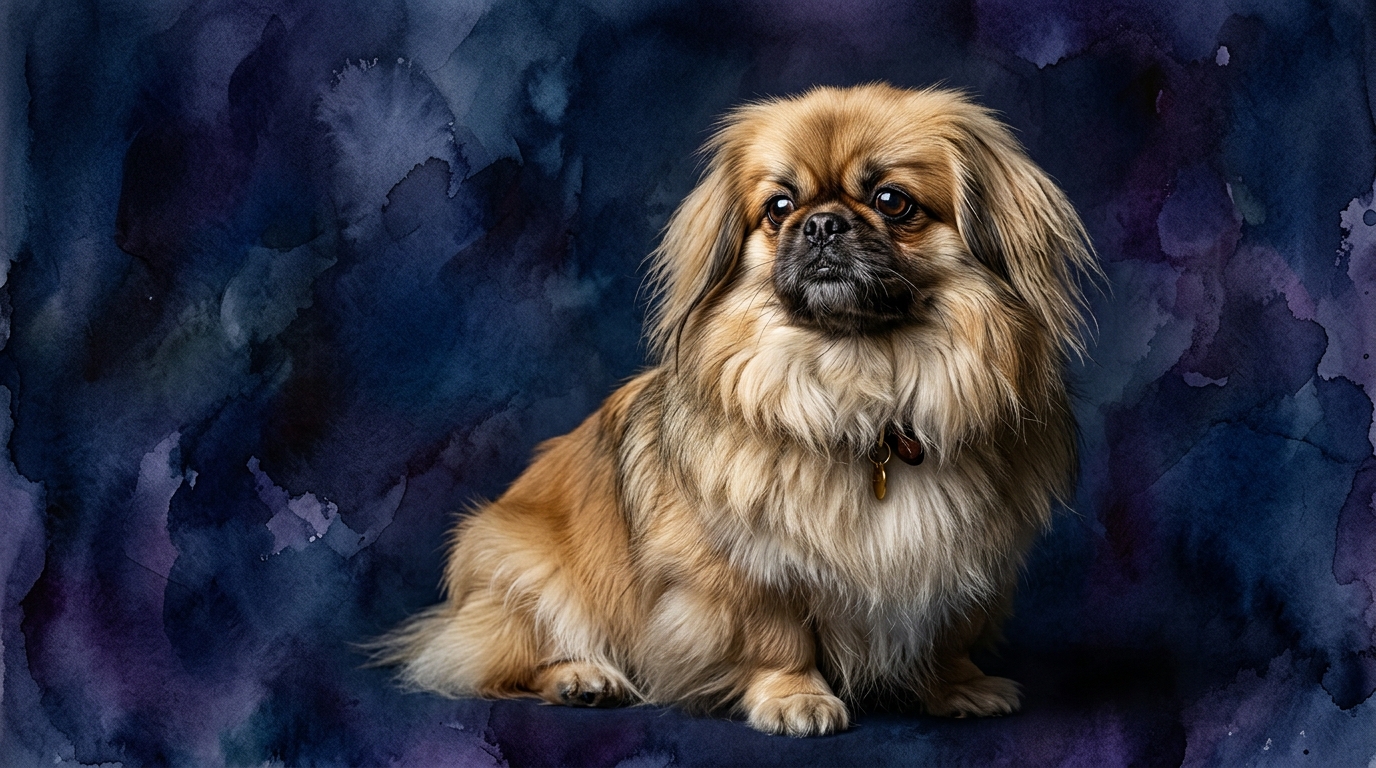
In contrast, the Pekingese, a member of the Toy Group with a Coren rank of #77, presents a different cognitive landscape. Their Problem Solving mirrors the Bichon at 3/5, suggesting a similar ability to tackle moderately challenging mental tasks, often relying on learned patterns rather than innovative solutions. Training Speed is also 3/5, meaning they acquire new skills at an average rate, though their independent nature might sometimes make them seem less eager to comply. Social Intelligence for the Pekingese is 3/5, indicating they form bonds and understand human cues, but perhaps with a more reserved or selective approach compared to the highly gregarious Bichon. Their Instinctive Drive is 3/5, a notch higher than the Bichon, hinting at a slightly stronger inclination towards inherent breed-specific behaviors, perhaps rooted in their ancient guarding ancestry. Memory is rated 3/5, indicating a standard capacity for recalling past events and learned information.
Where the Bichon Frisé Wins Cognitively
The Bichon Frisé’s undisputed cognitive advantage lies in its remarkable Social Intelligence, scoring a perfect 5/5. This isn't merely about friendliness; it's a deep-seated ability to interpret human non-verbal cues, emotional states, and social dynamics. A Bichon is exceptionally attuned to its owner's mood, often adjusting its behavior to provide comfort or solicit interaction. This superior social acumen allows them to integrate seamlessly into diverse family structures and adapt to various social environments with ease, making them highly responsive companions in everyday life. Their high social IQ means they often learn through observation of human behavior and are intrinsically motivated by social interaction and approval, making them adept at navigating complex human social landscapes.
Where the Pekingese Wins Cognitively
While both breeds share similar Problem Solving and Training Speed scores, the Pekingese shows a subtle cognitive edge in Instinctive Drive, rated 3/5 compared to the Bichon’s 2/5. This isn't about raw power, but rather a stronger internal compass for breed-specific behaviors, likely stemming from their historical role as companion guardians in ancient China. This drive might manifest as a more pronounced territorial awareness or a greater inclination to observe and 'rule' their immediate environment. While not overtly driven by hunting or herding, this slightly elevated instinctive nature means they might possess a more independent decision-making process rooted in their inherent temperament, rather than solely relying on human direction, offering a unique form of self-sufficiency.
Which is Easier to Train and Why
Both the Bichon Frisé and Pekingese share a Training Speed score of 3/5, suggesting they learn new commands at a similar, average pace. However, the *application* of this learning can differ significantly due to their other cognitive traits. The Bichon Frisé, with its superior Social Intelligence (5/5) and higher Coren rank (#45), generally presents as the easier breed to train. Their eagerness to please and profound social attunement mean they are highly motivated by positive reinforcement and the desire for human connection. They are more likely to engage readily in training sessions, understanding the value of cooperation for social reward and enjoying the collaborative process.
In contrast, the Pekingese, with a Social Intelligence of 3/5 and a lower Coren rank (#77), often exhibits a more independent and sometimes stubborn streak. While capable of learning, their compliance is often contingent on their own perceived comfort or preference. Training a Pekingese requires immense patience, understanding their need for autonomy, and finding motivators beyond just social approval, such as high-value treats. Their historical role as regal companions meant they were admired rather than strictly commanded, fostering a self-assured demeanor that can challenge a trainer's patience but reward a persistent and understanding approach.
Suitability for Active vs. Relaxed Owners
The distinct cognitive profiles of these breeds lend themselves to different owner lifestyles. The Bichon Frisé, with its low Instinctive Drive (2/5) and exceptional Social Intelligence (5/5), thrives with active owners who enjoy engaging in interactive play, regular walks, and social outings. Their desire for companionship and adaptability means they are eager participants in family activities, enjoying trips to the park or even dog-friendly cafes. While not requiring extreme athleticism, they benefit from consistent mental and physical engagement that leverages their social nature, making them joyful partners in exploration and interaction.
Conversely, the Pekingese, with its slightly higher Instinctive Drive (3/5) and a more reserved Social Intelligence (3/5), aligns better with relaxed owners who appreciate a more independent and less demanding companion. They are content with shorter, leisurely strolls and indoor activities, often preferring to observe their surroundings from a comfortable vantage point. Their historical role as lap companions meant they were prized for their presence, not their athleticism, and they retain this preference for dignified repose. Owners who understand and respect this regal self-sufficiency will find the Pekingese a perfectly suited, calm companion that offers quiet, devoted companionship.
The Verdict
Choose a Bichon Frisé if you seek a highly socially attuned companion eager for interactive engagement and cooperative training, thriving on human connection.
Opt for a Pekingese if you prefer a more independent, dignified companion content with a relaxed lifestyle, valuing their unique self-assured presence.
🧠 Find Your Pet's IQ Score
Our Pet IQ Lab assessment covers 25+ tests across 5 cognitive dimensions — personalized to your breed.
Take the Full IQ Test →Frequently Asked Questions
Does the Coren rank directly indicate a dog's overall intelligence?
The Coren rank primarily assesses a dog's 'working and obedience intelligence,' reflecting how quickly they learn and obey commands. It's one facet of intelligence and doesn't fully encompass problem-solving, social acumen, or instinctive drives.
How does 'Instinctive Drive' impact a dog's daily life?
Instinctive Drive refers to a dog's inherent urges like hunting, herding, or guarding. A low drive, like the Bichon's, means less inclination for independent pursuits, while a slightly higher drive, like the Pekingese's, might mean more territorial awareness or self-directed behaviors.
Can training improve a dog's cognitive scores?
Consistent, positive training and mental enrichment can certainly enhance a dog's problem-solving skills, memory, and training speed by building neural pathways and confidence. While core temperament and breed predispositions remain, cognitive abilities are not static.