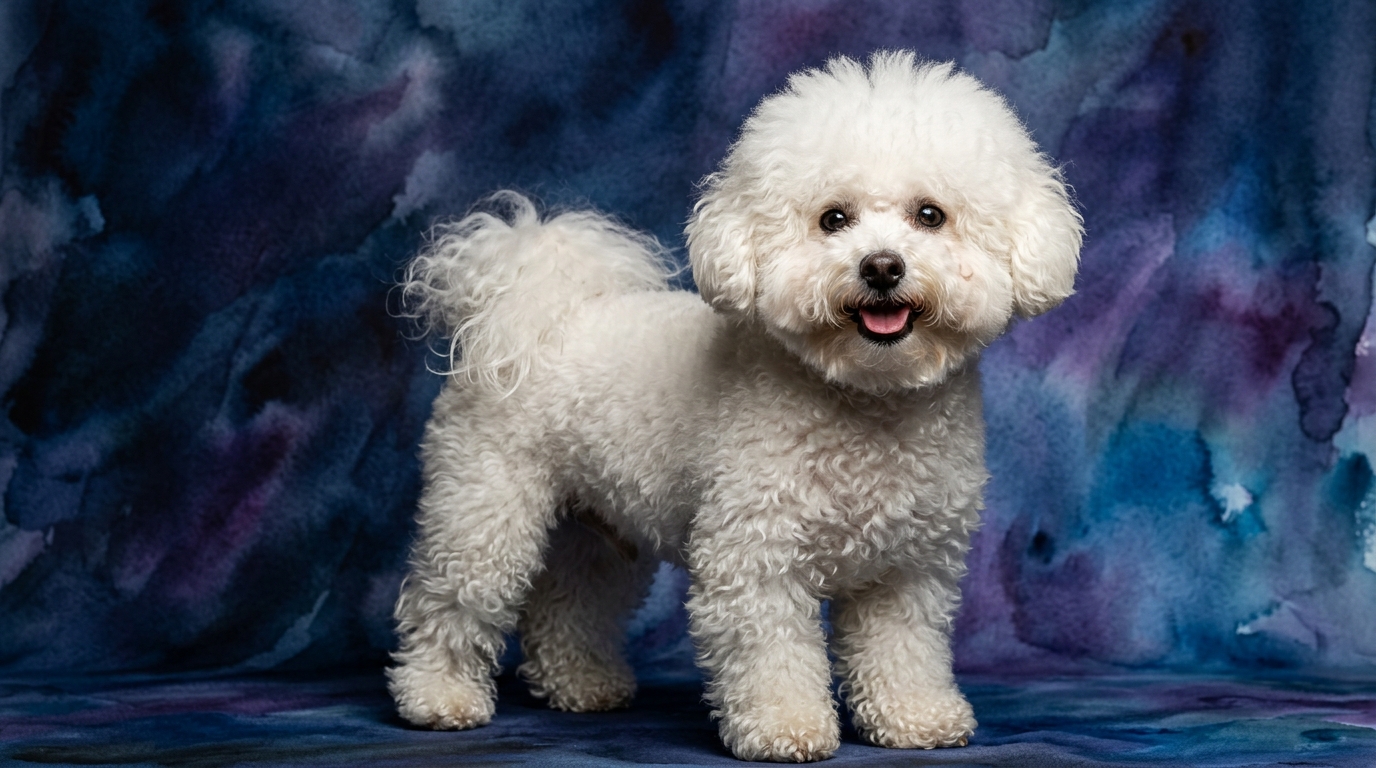
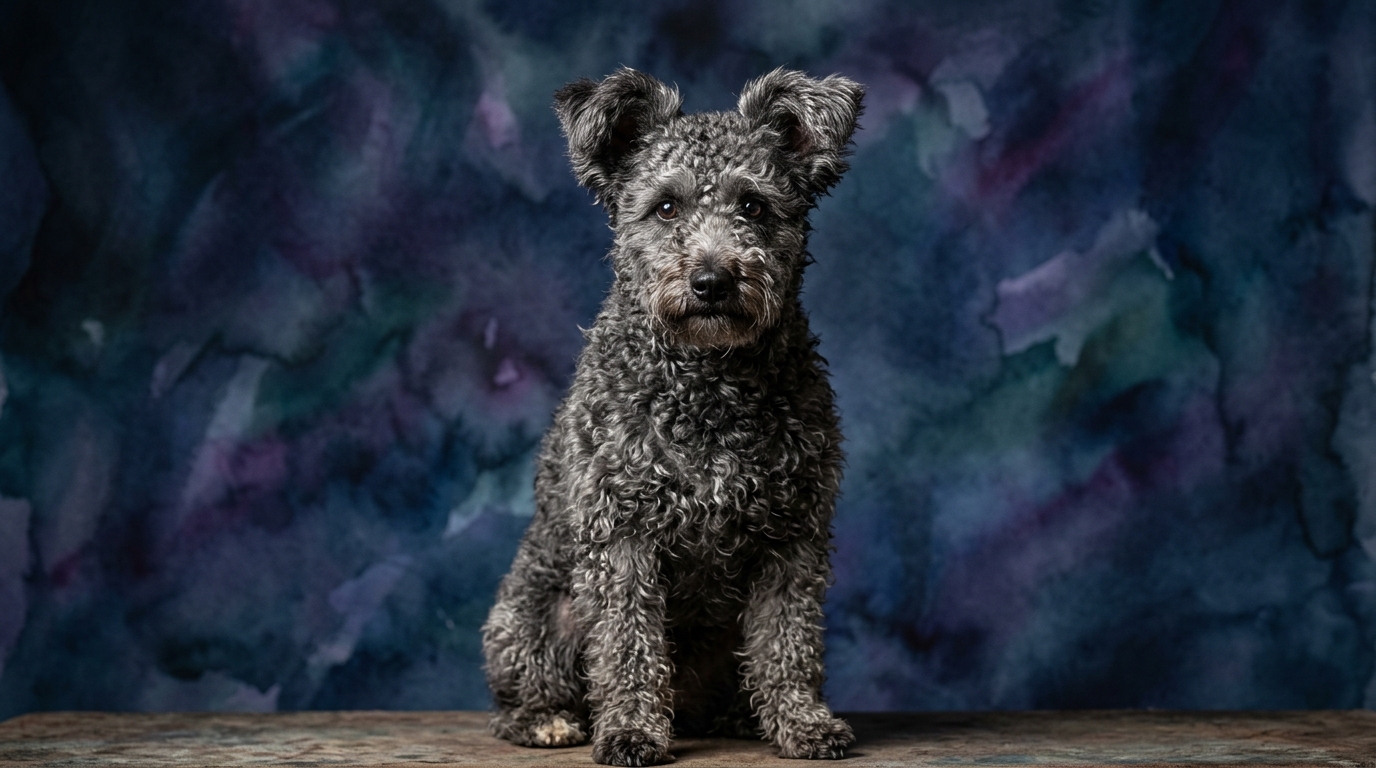
Side-by-Side Cognitive Profiles
The Cosmic Pet Pet IQ Lab employs a five-dimensional framework to assess canine intelligence, offering a nuanced view beyond simple obedience. For the Bichon Frisé, ranked #45 by Coren for Working & Obedience Intelligence, and the Pumi, an unranked but equally fascinating breed, these dimensions paint a vivid picture of their inherent cognitive leanings.
The Bichon Frisé exhibits a Problem Solving score of 3/5, indicating a moderate ability to navigate new situations and figure out puzzles, suggesting they are capable of thoughtful engagement with their environment. Their Training Speed, also at 3/5, means they learn new commands and routines at a consistent, steady pace, responding well to patient instruction. Where the Bichon truly shines is in Social Intelligence, scoring an impressive 5/5. This reflects an exceptional capacity to understand and respond to human emotions, social cues, and family dynamics, making them deeply empathetic companions. Their Instinctive Drive is lower at 2/5, meaning they possess minimal inherent motivation for tasks like herding or guarding, preferring companionship over work. Finally, their Memory at 3/5 suggests a reliable retention of learned behaviors and associations.
The Pumi, a breed rooted in herding, presents a slightly different cognitive emphasis. They share the Bichon’s Problem Solving score of 3/5, demonstrating a similar moderate capacity for tackling novel challenges and adapting to changing circumstances. Their Training Speed also matches the Bichon at 3/5, indicating they are receptive learners who progress steadily with clear and engaging methods. The Pumi's Social Intelligence, however, stands at 3/5, signifying a competent ability to interact within a family setting and understand social cues, though perhaps without the profound emotional sensitivity seen in the Bichon. Their Instinctive Drive is higher at 3/5, reflecting a discernible motivation for purpose and activity, a remnant of their working heritage. Like the Bichon, the Pumi’s Memory is rated 3/5, enabling consistent recall of commands and experiences.
Where the Bichon Frisé Excels Cognitively
The Bichon Frisé's unparalleled strength lies in its Social Intelligence, scoring a perfect 5 out of 5. This isn't merely about friendliness; it signifies an acute ability to 'read the room' and interpret human non-verbal cues with remarkable precision. A Bichon often anticipates an owner's mood, offering comfort during sadness or engaging in playful antics to lighten the atmosphere. Their exceptional capacity for empathy allows them to form incredibly deep, intuitive bonds, often acting as emotional barometers within a household. This cognitive dimension makes them highly adaptable to varied social situations, thriving on intricate human-canine communication and integrating seamlessly into family life as cherished, emotionally supportive members.
This high social intelligence also translates into a keen awareness of their owner's reactions during interactions, making them particularly responsive to praise and gentle correction. While their training speed is moderate, their desire to please and connect emotionally can make the training process feel incredibly collaborative and rewarding. They often pick up subtle routines and household expectations not just through explicit training, but by observing and understanding the underlying social context.
Where the Pumi Excels Cognitively
The Pumi's cognitive edge, while subtler in numerical difference, resides in its Instinctive Drive, rated 3 out of 5, which is higher than the Bichon's 2/5. For a breed with a herding lineage, this drive is a fundamental aspect of their cognitive makeup. It manifests as a persistent desire for purpose, activity, and engagement, rather than just passive companionship. This isn't about raw physical power, but a mental inclination to participate in tasks, solve environmental challenges, and direct their energy towards a goal. A Pumi with a well-exercised instinctive drive is a contented Pumi.
This higher drive means they often possess a greater intrinsic motivation for activities like agility, flyball, or even advanced obedience, where they can channel their herding instincts into structured 'work.' While their problem-solving score is moderate, their drive often pushes them to apply that problem-solving ability in dynamic, engaging contexts. Owners who can tap into this inherent drive will find a highly motivated and capable partner, eager to learn and perform tasks that provide mental and physical stimulation, preventing boredom and potential restless behaviors.
Which Breed is Easier to Train and Why?
Both the Bichon Frisé and the Pumi share a Training Speed score of 3/5, suggesting they learn at a comparable, consistent pace. However, the *experience* of training these two breeds can differ significantly due to their other cognitive strengths. The Bichon Frisé, with its exceptional Social Intelligence (5/5), often presents as easier to train in a general household context. They are profoundly motivated by human connection, praise, and the desire to please their owners. This strong emotional bond means they are acutely attuned to their owner's satisfaction, making positive reinforcement highly effective. They thrive on collaborative learning and are eager to comply when they perceive it strengthens their bond or garners affectionate attention. Their sensitivity allows them to pick up on subtle cues and adjust their behavior accordingly, often making house-training and basic manners a smoother process.
The Pumi, while equally capable of learning at a steady pace (Training Speed 3/5), might require a different approach to maximize their training potential. Their moderate Instinctive Drive (3/5) means they respond well to training that feels purposeful and engaging, tapping into their natural inclination for activity and tasks. While they appreciate praise, their motivation might be further enhanced by making training feel like a 'job' or a stimulating game, rather than purely a social interaction. Consistency, clear expectations, and incorporating elements of puzzle-solving or physical challenges into their training routine will be key. They are less likely to be motivated solely by emotional connection and more by the satisfaction of completing a task, making them excellent candidates for dog sports where their drive can be channeled effectively.
Active Owners vs. Relaxed Owners: Which Breed Suits Whom?
When considering lifestyle compatibility, the cognitive profiles of the Bichon Frisé and Pumi offer clear guidance. The Bichon Frisé, with its lower Instinctive Drive (2/5) and supreme Social Intelligence (5/5), is an excellent match for more relaxed owners or those seeking a devoted companion whose primary joy is close human interaction. They are content with moderate daily exercise, such as walks and indoor play, and do not demand extensive structured activities or intense mental 'work.' Their greatest need is companionship and being an integral part of family life, thriving on cuddles, shared quiet moments, and social engagement without the constant urge for a 'job.' They adapt well to apartment living provided they receive ample attention and affection.
Conversely, the Pumi’s moderate Instinctive Drive (3/5) points to a greater need for activity and mental engagement, making them better suited for active owners. This breed thrives when given consistent opportunities to channel their energy, whether through vigorous daily runs, participation in dog sports like agility, flyball, or even mock herding activities. They are not content to be purely decorative lapdogs; without sufficient physical and mental stimulation, a Pumi can become restless, bored, and potentially develop unwanted behaviors. Owners who enjoy an active lifestyle and are prepared to dedicate time to training, play, and structured activities will find a spirited and enthusiastic partner in the Pumi.
The Verdict
For those seeking an exceptionally emotionally attuned companion who thrives on close human connection and requires less structured activity, the Bichon Frisé is an ideal choice. They excel in environments where their social intelligence can flourish, offering unwavering companionship and sensitivity.
Opt for the Pumi if you're an active individual or family looking for a spirited partner who enjoys engaging in tasks and sports, and who will benefit from consistent mental and physical challenges. This breed will thrive with owners who appreciate their independent yet eager-to-work temperament.
🧠 Find Your Pet's IQ Score
Our Pet IQ Lab assessment covers 25+ tests across 5 cognitive dimensions — personalized to your breed.
Take the Full IQ Test →Frequently Asked Questions
Are Bichon Frisés good family dogs?
Given their exceptional social intelligence (5/5), Bichon Frisés integrate wonderfully into family life. They form strong bonds with all members, adapting well to various social dynamics and often providing comfort and amusement. Their desire for companionship means they thrive in environments where they receive regular interaction and emotional connection.
Does a Pumi require a lot of exercise?
The Pumi's moderate instinctive drive (3/5) suggests they do require a good amount of regular exercise and mental stimulation. Originating as herding dogs, they benefit from daily vigorous walks, runs, or engaging activities like fetch, agility, or puzzle toys to keep their minds and bodies active. Without sufficient outlets, they can become restless and potentially destructive.
How do the problem-solving abilities compare between the two breeds?
Both the Bichon Frisé and the Pumi score equally in problem-solving (3/5). This means both breeds possess a competent ability to navigate new situations and figure out moderately complex challenges. While neither is a master strategist, they can independently work through puzzles or overcome obstacles with some thought and persistence, adapting to their environment.