
Side-by-Side Cognitive Profiles: A Deeper Look
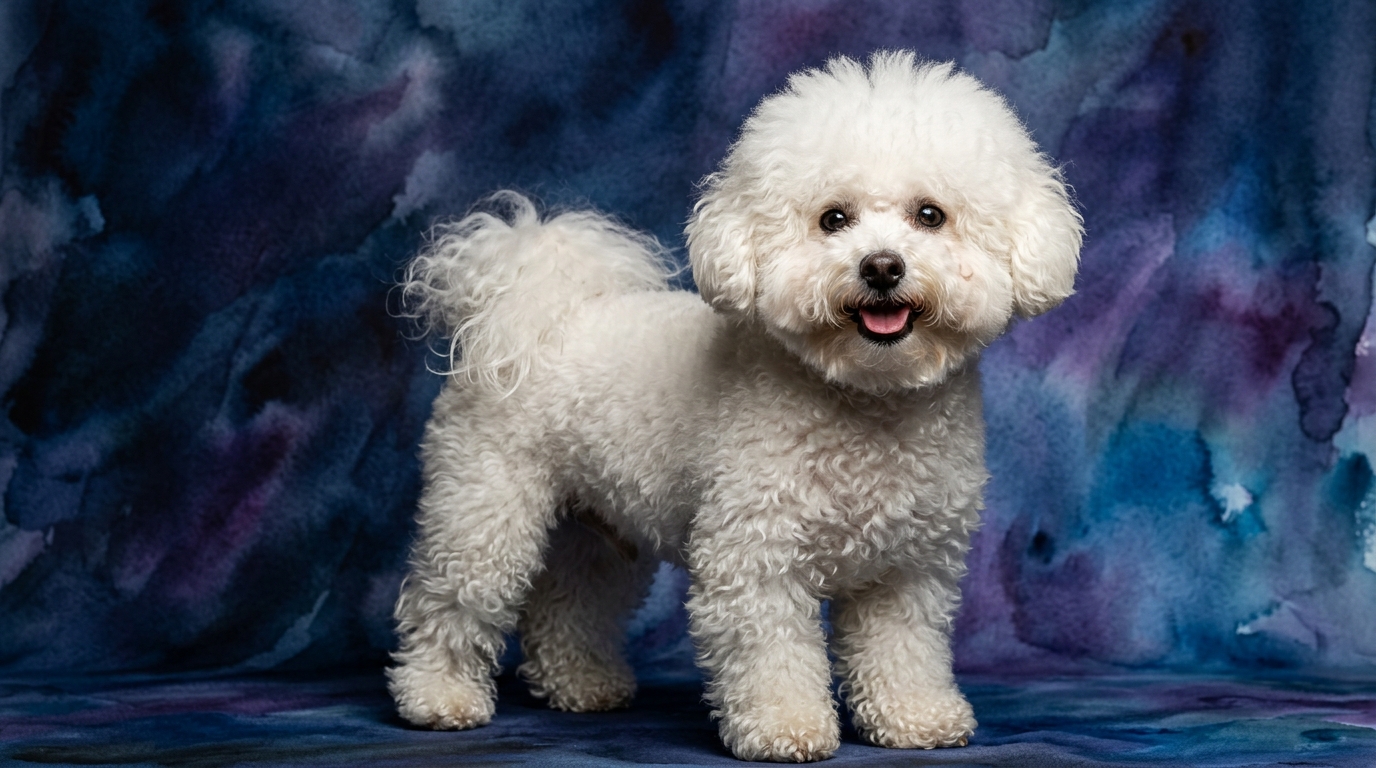
The Cosmic Pet Pet IQ Lab assesses canine intelligence across five key dimensions, providing a nuanced understanding of each breed's cognitive strengths. For the Bichon Frisé, we observe a Problem Solving score of 3/5, indicating an average capacity for independent thought in novel situations. Their Training Speed is also 3/5, suggesting they learn new commands at a moderate pace. A standout feature is their Social Intelligence at 5/5, reflecting an exceptional ability to understand and respond to human emotions and cues. Their Instinctive Drive is a low 2/5, meaning they have minimal innate urges for hunting or guarding, while their Memory stands at 3/5, an average retention of learned experiences.
In contrast, the Rat Terrier presents a slightly different cognitive blueprint. Their Problem Solving ability matches the Bichon at 3/5, demonstrating similar capacities for navigating new challenges. Their Training Speed is also 3/5, indicating a comparable rate of acquiring new behaviors. Where they diverge significantly is in Social Intelligence, scoring 3/5, which suggests they are attentive to humans but perhaps less attuned to subtle emotional nuances than the Bichon. Their Instinctive Drive is 3/5, a moderate level that hints at a greater propensity for engaging with their environment through scent or movement. Finally, their Memory is 3/5, akin to the Bichon, showing a standard ability to recall information.
Where the Bichon Frisé Cognitively Excels
The Bichon Frisé truly shines in the realm of social cognition, evidenced by their perfect 5/5 Social Intelligence score. This dimension reflects a profound capacity to read and respond to human social signals, making them exceptionally empathetic and attuned companions. They are adept at understanding changes in tone of voice, body language, and even subtle shifts in human mood, often adjusting their own behavior accordingly. This high social intelligence translates into a dog that naturally seeks and thrives on close interaction, making them superb companions for individuals or families who desire a deeply connected pet. Furthermore, their low 2/5 Instinctive Drive means they are less prone to chasing small animals or exhibiting strong territorial behaviors, which simplifies their integration into diverse home environments and reduces the likelihood of impulse-driven escapades.
Where the Rat Terrier Cognitively Excels
The Rat Terrier's cognitive strengths are rooted in a balanced profile that combines average problem-solving with a moderate instinctive drive. While their Problem Solving and Training Speed scores mirror the Bichon at 3/5, their 3/5 Instinctive Drive is a key differentiator. This moderate drive means they possess a natural curiosity and a greater inclination to engage with their surroundings through exploration and sensory input. They are more likely to enjoy tasks that involve scent work, seeking out hidden objects, or engaging with puzzle toys that require a degree of independent investigation. This drive, while not as pronounced as in some working breeds, offers a mental robustness that can be channeled into rewarding activities, making them particularly good at tasks that require focus and persistence in a defined objective.
Training Aptitude: Sociability vs. Independent Drive
Both the Bichon Frisé and the Rat Terrier share a Training Speed score of 3/5, suggesting they both learn new commands at a moderate pace. However, their distinct social intelligence and instinctive drive scores lead to different training experiences. The Bichon's exceptional 5/5 Social Intelligence means they are often highly motivated by praise, attention, and the desire to please their human companions. They are likely to respond well to positive reinforcement methods that emphasize bonding and joyful interaction, often picking up on cues quickly due to their attentiveness to human feedback. Their lower instinctive drive also means fewer distractions from environmental stimuli, allowing them to focus more intently on the trainer.
Conversely, the Rat Terrier's 3/5 Social Intelligence means they might be slightly less driven by human approval alone. Their 3/5 Instinctive Drive suggests they may find more intrinsic motivation in the task itself, especially if it involves problem-solving or engaging their senses. Training a Rat Terrier might require a more varied approach, incorporating games, scent work, or agility-based exercises to keep them engaged. While they are certainly trainable, trainers might need to be more creative in finding motivators beyond simple social praise, perhaps leveraging their natural curiosity and desire to 'figure things out' to maintain their focus and enthusiasm.
Matching Breeds to Lifestyles: Active vs. Relaxed Owners
For relaxed owners seeking a deeply affectionate and low-maintenance companion in terms of mental stimulation, the Bichon Frisé is often an excellent fit. Their high social intelligence means they are content to be by their owner's side, observing and participating in daily life with minimal demands for complex tasks or extensive outdoor adventures. Their low instinctive drive translates to fewer behavioral challenges related to chasing or digging, making them ideal for apartment living or quieter households. They thrive on companionship and gentle interaction, perfectly suiting those who value a pet's emotional presence and responsiveness above all else.
Owners with a more active lifestyle, who enjoy engaging their pets in structured activities or providing regular mental challenges, might find the Rat Terrier a more suitable match. While not requiring the intense physical exertion of some sporting breeds, their moderate instinctive drive and balanced problem-solving capabilities mean they benefit from consistent engagement. They enjoy varied walks, puzzle toys, and learning new tricks that tap into their natural curiosity and desire to explore. An owner who enjoys teaching new behaviors, participating in dog sports like obedience or scent work, or simply providing a stimulating environment will find the Rat Terrier a rewarding and capable partner who thrives on purpose-driven interaction.
The Verdict
Choose the Bichon Frisé if you prioritize an exceptionally socially intelligent companion who thrives on close emotional connection and requires less structured mental engagement. They are ideal for relaxed households seeking a responsive and affectionate presence.
Opt for the Rat Terrier if you appreciate a balanced, curious dog that enjoys moderate mental challenges and purpose-driven activities. They are well-suited for owners who enjoy engaging their pet in varied tasks and provide consistent stimulation.
🧠 Find Your Pet's IQ Score
Our Pet IQ Lab assessment covers 25+ tests across 5 cognitive dimensions — personalized to your breed.
Take the Full IQ Test →Frequently Asked Questions
Are Bichon Frisés prone to separation anxiety?
Due to their high social intelligence and strong desire for companionship, Bichon Frisés can be prone to separation anxiety if left alone for extended periods. Their deep connection with their humans means they thrive on constant presence and interaction, making consistent training and gradual acclimatization to solitude essential.
Do Rat Terriers make good family pets?
Rat Terriers can make excellent family pets, especially for active families who understand their need for engagement and provide consistent training. Their balanced social intelligence means they bond well with family members, but their instinctive drive benefits from structured play and mental stimulation to prevent boredom.
Which breed is easier to house train?
Both breeds have a Training Speed of 3/5, meaning house training success largely depends on consistency and methodology. Bichons may be slightly more eager to please their owners, potentially aiding the process, while Rat Terriers might require more intrinsic motivation or puzzle-based rewards during training.