Side-by-side IQ profile
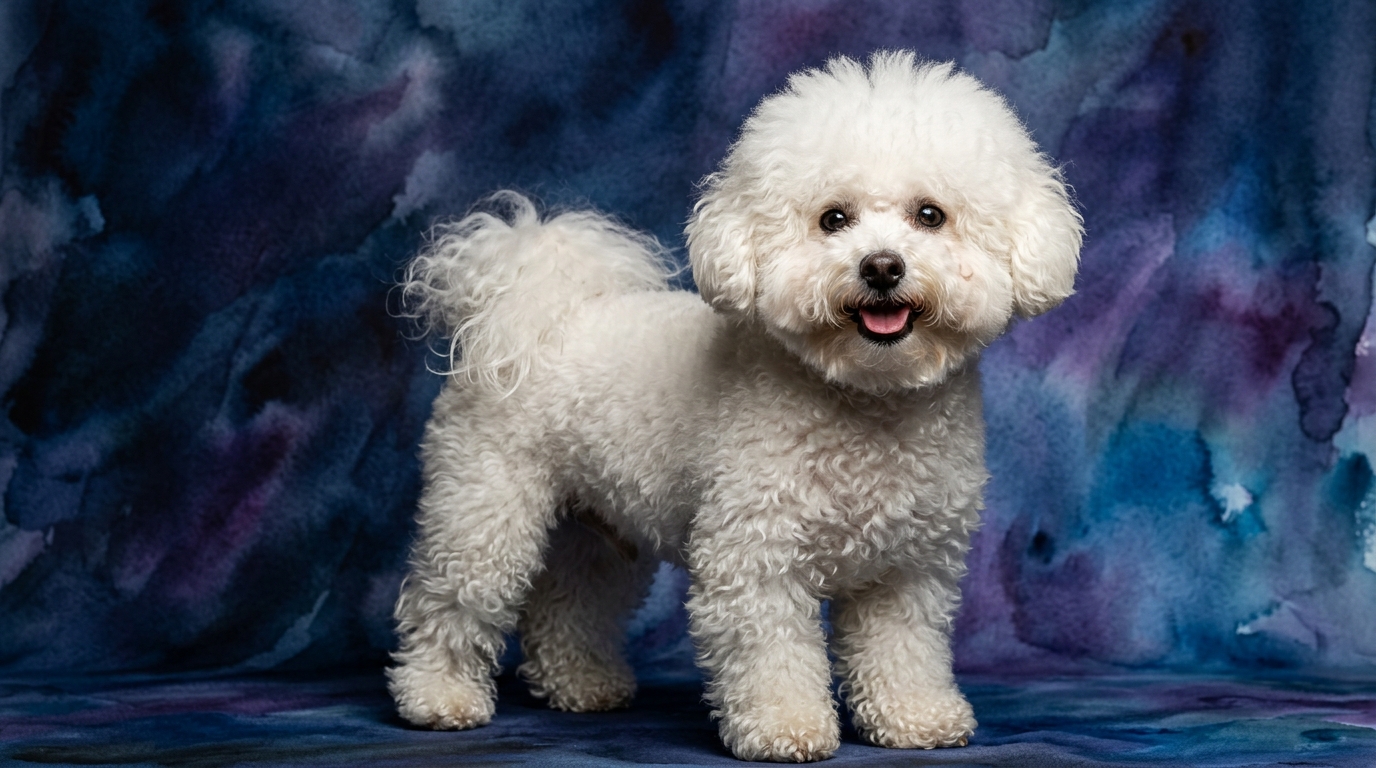
The Cosmic Pet Pet IQ Lab employs a five-dimensional framework to map canine cognitive strengths, offering a nuanced view beyond simplistic labels. For the Bichon Frisé, ranked #45 by Coren, we observe a Problem Solving score of 3/5, indicating a moderate capacity for navigating novel challenges and strategizing solutions. Their Training Speed also sits at 3/5, suggesting they grasp new commands at an average pace when motivated. Where the Bichon truly shines is in Social Intelligence, scoring an exceptional 5/5; this reflects a profound attunement to human emotions, social cues, and a strong drive for cooperative interaction. Their Instinctive Drive is a modest 2/5, meaning they possess a relatively low intrinsic urge for tasks like hunting or guarding, while their Memory is a solid 3/5, allowing them to retain learned information and experiences effectively.
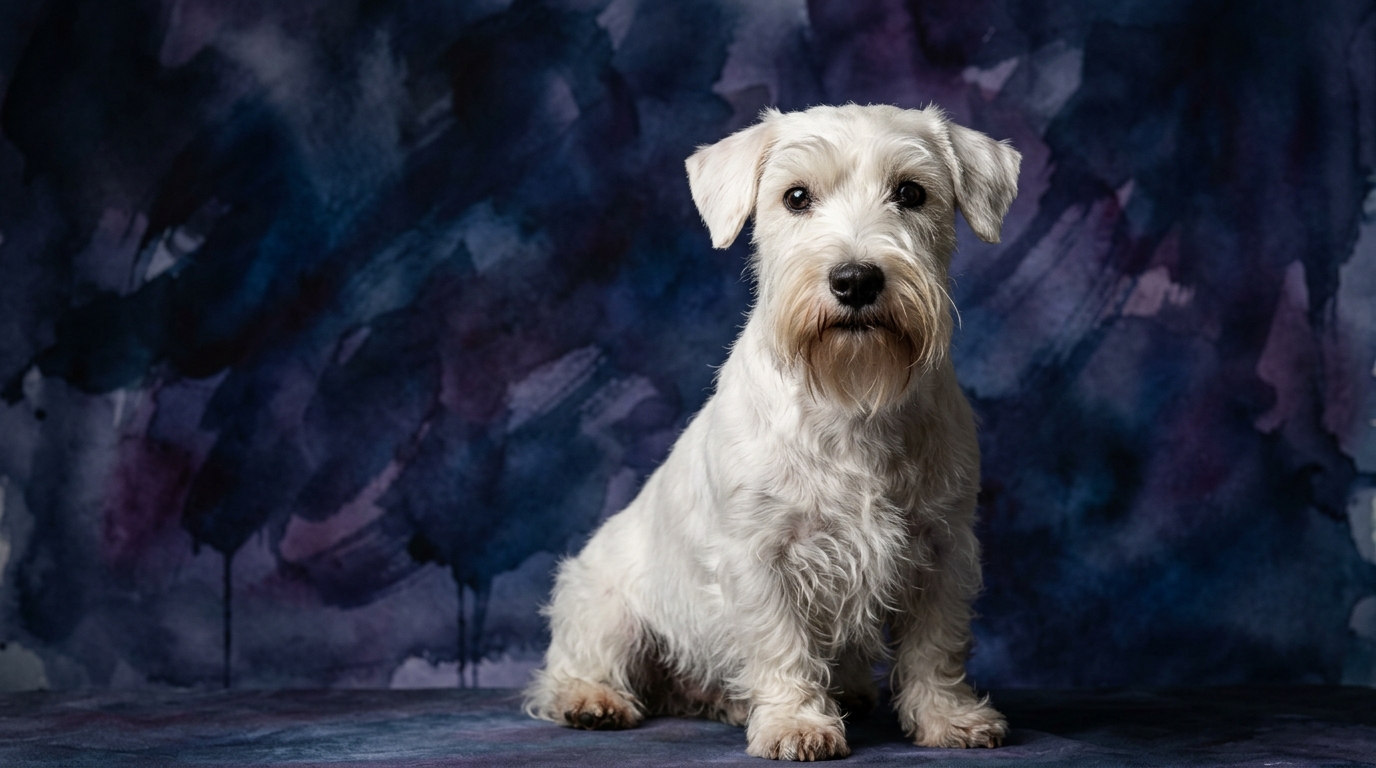
The Sealyham Terrier, while not Coren-ranked, presents a distinct cognitive blueprint. Like the Bichon, their Problem Solving ability is rated 3/5, demonstrating a similar capacity for independent thought in overcoming obstacles. Their Training Speed also aligns at 3/5, indicating an average rate of learning new behaviors. However, the Sealyham's Social Intelligence is rated 3/5, suggesting they form strong bonds but might exhibit more independence and less constant need for human interaction compared to the Bichon. Their Instinctive Drive, at 3/5, is noticeably higher than the Bichon's, reflecting their heritage as working terriers with an inherent drive for seeking out and engaging with quarry. Lastly, their Memory score is 3/5, on par with the Bichon, ensuring they remember routines and past lessons.
Where Bichon Frisé wins cognitively
The Bichon Frisé's standout cognitive advantage lies unequivocally in its Social Intelligence, scoring a perfect 5/5 compared to the Sealyham Terrier's 3/5. This elevated capacity means Bichons possess an extraordinary ability to read and respond to human emotions, intentions, and social cues. They are deeply empathetic, often anticipating their owner's moods and adjusting their behavior accordingly, making them highly intuitive companions. This keen social awareness translates into a strong desire to connect and cooperate, fostering an almost symbiotic relationship with their human family. A Bichon will often seek out shared activities and derive immense satisfaction from being an integral part of household dynamics, thriving on reciprocal attention and interaction. Their cognitive architecture is geared towards fostering harmonious human-canine bonds, making them exceptionally adept at navigating complex social environments and contributing positively to family cohesion.
Where Sealyham Terrier wins cognitively
The Sealyham Terrier's cognitive strength is most apparent in its Instinctive Drive, rated 3/5, which surpasses the Bichon Frisé's 2/5. This heightened drive stems directly from their historical role as working terriers, bred for independent hunting and pest control. This manifests as a stronger intrinsic motivation to explore, investigate, and engage with their environment in a purposeful way. While a Bichon might prefer to snuggle, a Sealyham is more likely to be found meticulously scent-tracking a perceived critter in the yard or diligently "digging" in their bed. This drive fuels their tenacity and determination, allowing them to focus intently on a task they deem important, even if it's self-appointed. Their cognitive structure is geared towards independent problem-solving rooted in their primal instincts, equipping them with the mental fortitude to persist in their chosen endeavors.
Which is easier to train and why
Both the Bichon Frisé and the Sealyham Terrier share a Training Speed score of 3/5, suggesting they learn new commands at an average rate. However, the experience of training can differ significantly due to their other cognitive attributes. The Bichon Frisé's exceptional 5/5 Social Intelligence makes them often seem easier to train because they possess a stronger innate desire to please and cooperate with their human companions. They are highly motivated by social praise and connection, making them responsive to positive reinforcement and less likely to challenge authority. Their acute awareness of human cues means they are often eager to understand and comply, making training sessions feel more like a collaborative dance.
Conversely, while the Sealyham Terrier also learns at an average speed, their 3/5 Social Intelligence and 3/5 Instinctive Drive can introduce more independence into the training process. Sealyhams are capable learners, but their terrier tenacity and drive to follow their nose or pursue perceived "prey" can sometimes override their desire to comply immediately. They may require more consistent, firm, yet positive reinforcement, and a trainer who understands how to channel their natural drive rather than suppress it. Training a Sealyham often involves making the desired behavior more rewarding than their inherent terrier instincts, demanding patience and creativity to keep them engaged without resorting to harsh methods that could backfire. Therefore, for a novice owner, the Bichon Frisé might present a smoother, more immediately rewarding training journey due to its inherent social compliance.
Which suits active owners vs relaxed owners
Considering their cognitive profiles, the Bichon Frisé is generally a better fit for relaxed owners who prioritize companionship and gentle interaction. Their low Instinctive Drive (2/5) means they don't possess a strong innate urge for demanding physical or mental tasks, making them content with moderate daily walks and indoor play. Their exceptional Social Intelligence (5/5) means they thrive on close human connection, making them ideal for owners who enjoy a constant, empathetic companion eager to share quiet moments or participate in light activities. They are often adaptable to various living situations as long as they receive ample attention and social engagement.
The Sealyham Terrier, with its higher Instinctive Drive (3/5) and more independent Social Intelligence (3/5), aligns better with active owners who appreciate a dog with purpose and a bit of a tenacious spirit. While not requiring marathon runs, Sealyhams benefit from structured activities that engage their natural drives, such as scent work, earthdog trials, or consistent obedience training that provides mental stimulation. Their moderate problem-solving abilities and memory, combined with their drive, mean they enjoy having a "job" or a consistent routine that taps into their terrier instincts. Owners who enjoy outdoor exploration, even if it's just a vigorous walk with opportunities for sniffing and investigating, would find a more willing and engaged partner in a Sealyham. They need owners who can provide consistent boundaries and channel their independent streak into productive outlets.
The Verdict
Opt for a Bichon Frisé if your lifestyle centers around close companionship, emotional connection, and a dog that seamlessly integrates into your social fabric, thriving on shared presence and gentle interactions. They are perfect for those seeking an empathetic and adaptable indoor partner who prioritizes human bond above all else.
Select a Sealyham Terrier if you appreciate a dog with an independent streak, a moderate drive for engagement, and a partner for structured activities that tap into their tenacious spirit. They suit owners who can provide consistent guidance and enjoy channeling a dog's inherent curiosity and determination.
🧠 Find Your Pet's IQ Score
Our Pet IQ Lab assessment covers 25+ tests across 5 cognitive dimensions — personalized to your breed.
Take the Full IQ Test →Frequently Asked Questions
Are Bichon Frisé dogs prone to separation anxiety due to their high social intelligence?
While their high social intelligence makes them deeply attached to their owners, Bichons can develop separation anxiety if not properly socialized and accustomed to alone time from a young age. Consistent training and providing engaging activities during absences can help mitigate this tendency.
Do Sealyham Terriers require a lot of grooming given their terrier coat?
Yes, Sealyham Terriers have a dense, wiry double coat that requires regular grooming to maintain its condition and prevent matting. Weekly brushing, along with periodic hand-stripping or professional grooming every few months, is typically necessary to keep their coat healthy.
How do Sealyham Terriers generally interact with children and other pets?
Sealyham Terriers can be good family dogs and generally get along with respectful children, especially if raised together. However, their terrier instincts mean they might chase smaller pets like cats or rodents, so careful introductions and supervision are crucial, particularly with non-canine animals.