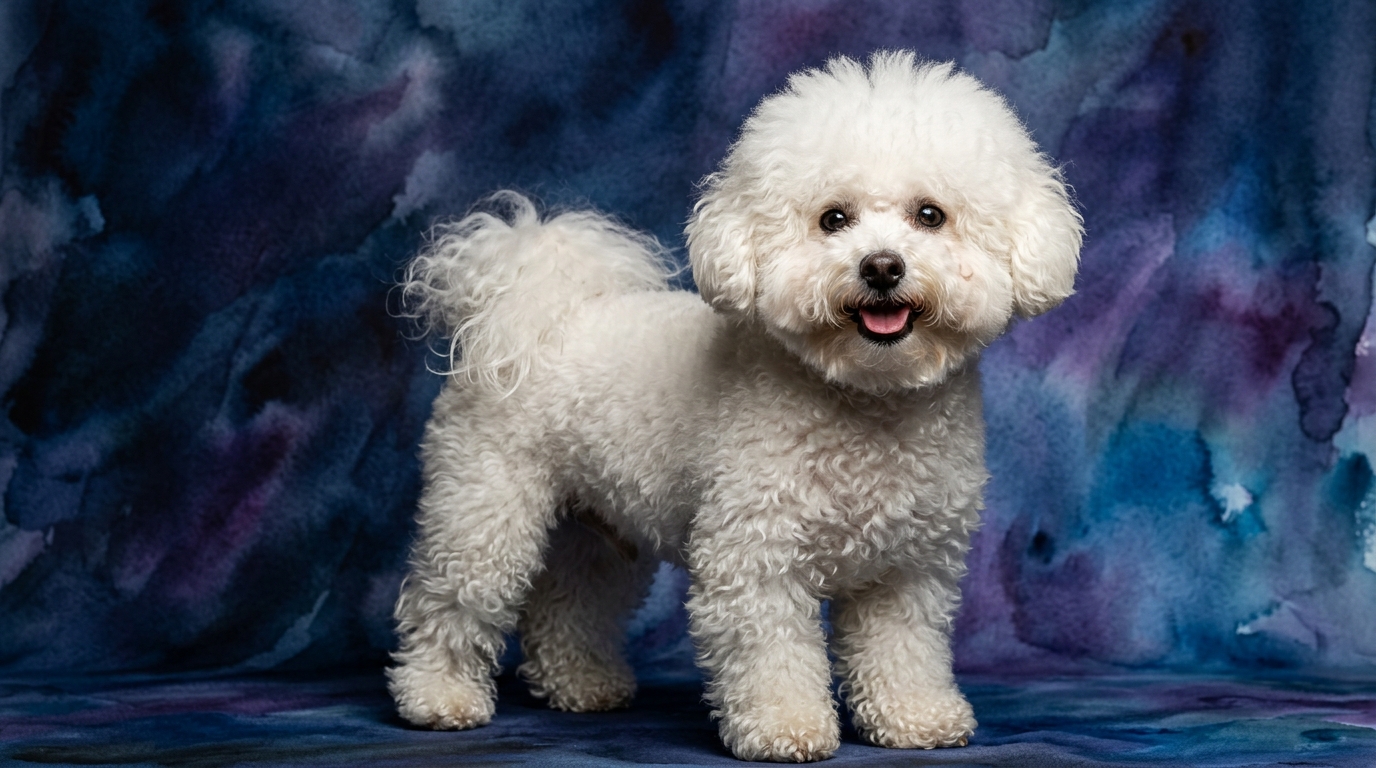
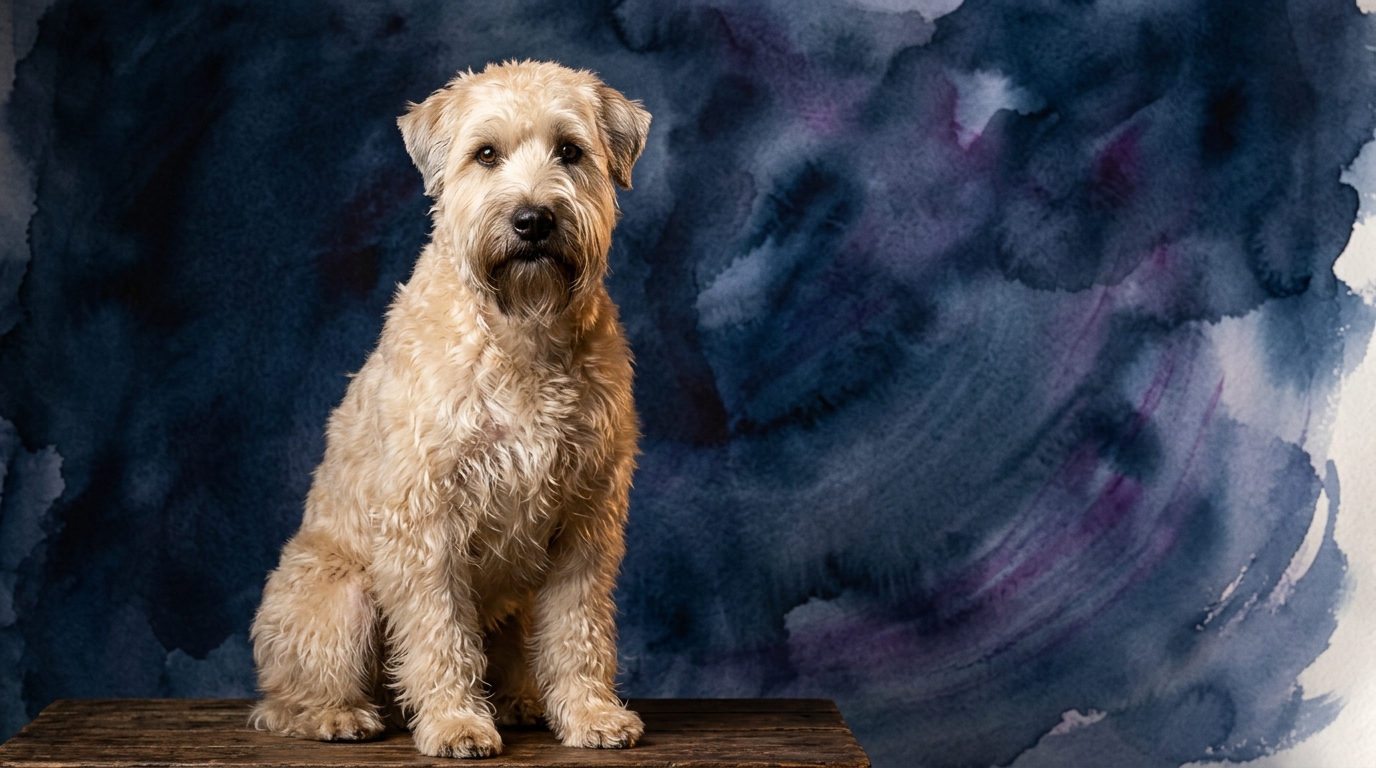
Side-by-Side IQ Profile: Bichon Frisé vs. Soft Coated Wheaten Terrier
To truly understand the cognitive landscape of these two charming breeds, The Cosmic Pet Pet IQ Lab employs a five-dimensional framework: Problem Solving, Training Speed, Social Intelligence, Instinctive Drive, and Memory. These dimensions provide a detailed lens through which to appreciate their unique mental attributes.
The Bichon Frisé, ranked #45 by Coren, exhibits a Problem Solving capacity of 3/5, meaning they are capable of navigating straightforward puzzles and routines but aren't typically inclined towards intricate, multi-step solutions without human guidance. Their Training Speed also scores 3/5; they respond well to consistent, positive reinforcement for basic commands, though more complex tasks might require sustained patience. Where the Bichon truly distinguishes itself is in Social Intelligence, earning an exceptional 5/5. This breed is profoundly attuned to human emotions and social cues, excelling at communication and forming deep, intuitive bonds, often anticipating owner needs. Their Instinctive Drive is lower at 2/5, indicating minimal inherent motivation for traditional working tasks, with their primary drive being companionship. Finally, their Memory is rated 3/5, allowing them to retain learned commands and routines effectively, remembering people and places, though complex sequences might benefit from refreshers.
The Soft Coated Wheaten Terrier, not specifically Coren-ranked but still a breed of considerable cognitive interest, shares a Problem Solving score of 3/5. They demonstrate an average capacity for navigating novel situations and simple challenges, often employing persistence and a trial-and-error approach. Their Training Speed also stands at 3/5; they learn at a moderate pace, responding best to engaging, varied training sessions that prevent boredom, and can occasionally display an independent streak. In Social Intelligence, the Wheaten scores 3/5, engaging well with people and other animals, showing friendliness and adaptability, though they are not as acutely sensitive to subtle human emotional shifts as the Bichon. Their Instinctive Drive is a moderate 3/5, reflecting a typical terrier drive, including some prey drive and a propensity for digging or exploring, rooted in their working heritage. Like the Bichon, their Memory is rated 3/5, indicating a solid retention for learned behaviors and environmental layouts, benefiting from regular reinforcement to maintain recall.
Where the Bichon Frisé Excels Cognitively
The Bichon Frisé truly shines in the realm of social intelligence, scoring a perfect 5/5. This means they possess an exceptional ability to read human emotions, understand subtle cues, and adapt their behavior to fit social situations with remarkable sensitivity. They are masters of emotional reciprocity, often anticipating their owner's moods and offering comfort or playful engagement precisely when needed, creating a profound intuitive connection. This deep social attunement makes them incredibly responsive companions, capable of navigating complex human social dynamics with grace and understanding. Their capacity for empathy and connection far surpasses many breeds, making them highly sought after for their companionable nature.
Where the Soft Coated Wheaten Terrier Holds the Cognitive Edge
The Soft Coated Wheaten Terrier's cognitive advantages are rooted in its balanced instinctive drive and generalist approach to problem-solving. With an instinctive drive of 3/5, they possess a moderate, adaptable internal motivation that allows them to engage with their environment with curiosity and purpose. Unlike the Bichon's lower drive, the Wheaten's inherent terrier traits, such as exploration, tenacity, and a hands-on approach, contribute to a practical, resilient problem-solving style. While both breeds share a 3/5 in problem-solving, the Wheaten often approaches challenges with persistent spirit, employing trial-and-error and independent thought—a hallmark of many working breeds. This drive also contributes to their robust physical engagement with the world, making them adept at navigating diverse terrains and activities with a spirited enthusiasm.
Which Breed is Easier to Train, and Why?
Training ease between the Bichon Frisé and the Soft Coated Wheaten Terrier presents a nuanced picture, despite both scoring 3/5 in Training Speed. The Bichon's exceptional social intelligence (5/5) gives them a distinct advantage in obedience training, as they are highly motivated to please their human companions and keenly observe subtle cues. Their desire for connection means they often view training as a collaborative activity, making them eager participants in learning new commands and routines. While they may not grasp complex tasks instantly, their willingness to engage and their sensitivity to handler feedback often leads to faster, more enthusiastic compliance, especially with positive reinforcement methods.
The Wheaten Terrier, conversely, with its moderate social intelligence (3/5) and instinctive drive (3/5), brings a different dynamic to training. Their terrier nature means they possess a degree of independence and a propensity for self-directed exploration. While they are certainly capable of learning, their attention might be more easily diverted by environmental stimuli, and they may require more varied and engaging training sessions to maintain focus. Their inherent tenacity, while beneficial for problem-solving, can sometimes manifest as stubbornness if they don't perceive the immediate value or fun in a task. Therefore, while both learn at a similar pace, the Bichon often appears 'easier' due to its intrinsic motivation for social cooperation, whereas the Wheaten requires a trainer who understands how to harness its independent spirit and provide stimulating challenges.
Matching Canine Cognition to Owner Lifestyle
For relaxed owners seeking a consistently attentive and emotionally responsive companion, the Bichon Frisé is often the more suitable choice. Their lower instinctive drive (2/5) means they are generally content with moderate daily exercise, such as short walks and indoor play, and their primary fulfillment comes from close social interaction. They thrive on being part of the family's daily life, offering affection and companionship with minimal demands for intense physical activity. Their strong social intelligence makes them excellent emotional support animals, adapting readily to a calm home environment and providing comfort without requiring extensive outdoor adventures, truly enriching a serene lifestyle.
Active owners, on the other hand, will likely find a more compatible match in the Soft Coated Wheaten Terrier. With an instinctive drive of 3/5, Wheatens possess a more robust need for physical and mental engagement. They enjoy varied activities such as brisk walks, running, playing fetch, and even participating in dog sports like agility, thriving on purposeful activity. Their moderate energy levels mean they are not hyperactive, but they do require consistent outlets for their curiosity and physical prowess to prevent boredom and channel their terrier instincts constructively. An owner who enjoys outdoor activities and can provide structured play and exploration will find the Wheaten to be an enthusiastic and enduring partner, thriving on shared adventures and dynamic engagement.
The Verdict
Choose the Bichon Frisé if you prioritize an emotionally attuned companion, one who thrives on deep social connection and offers intuitive comfort within a generally relaxed home environment. Their exceptional social intelligence makes them ideal for owners seeking a responsive, affectionate, and low-instinctive-drive companion.
Opt for the Soft Coated Wheaten Terrier if you are an active owner looking for a tenacious, curious partner who enjoys engaging in varied physical activities and has a balanced, independent cognitive approach to the world. Their moderate instinctive drive and problem-solving tenacity make them a rewarding companion for an adventurous lifestyle.
🧠 Find Your Pet's IQ Score
Our Pet IQ Lab assessment covers 25+ tests across 5 cognitive dimensions — personalized to your breed.
Take the Full IQ Test →Frequently Asked Questions
Are Bichon Frisé good at learning tricks?
Yes, Bichons are quite capable of learning tricks due to their solid memory and strong desire to engage with their owners. Their social intelligence makes them eager participants in fun, interactive training sessions, often picking up new behaviors with enthusiasm.
Do Soft Coated Wheaten Terriers get bored easily?
Soft Coated Wheaten Terriers can indeed get bored if not adequately stimulated, as their moderate instinctive drive and curious nature require regular mental and physical engagement. Providing varied activities, consistent training, and opportunities for exploration helps keep them content and well-behaved.
Which breed is better with children?
Both breeds can be good with children, but the Bichon Frisé's high social intelligence often makes them particularly gentle and adaptable to family dynamics, often sensing a child's mood. The Wheaten Terrier's playful energy also suits active children, though supervision is always key to ensure respectful interactions from both sides.