Side-by-Side Cognitive Profiles
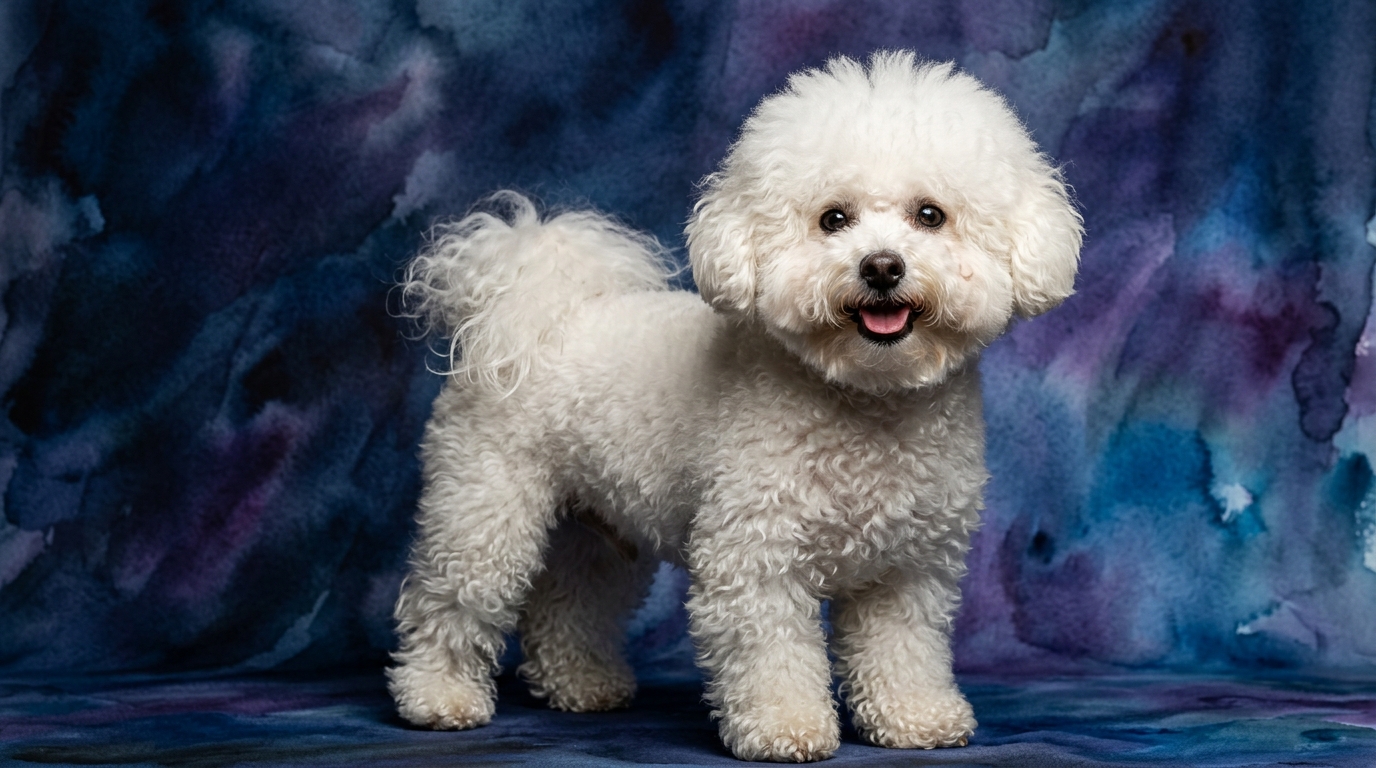
The Cosmic Pet Pet IQ Lab employs five key dimensions to map a breed's cognitive architecture, offering a granular view of their mental aptitudes. For the Bichon Frisé, categorized in the Non-Sporting Group and holding a Coren rank of #45, its profile includes a Problem Solving score of 3/5, indicating an average capacity for navigating novel challenges. Its Training Speed is also 3/5, suggesting a moderate pace for learning new commands and behaviors. Notably, the Bichon excels in Social Intelligence with a perfect 5/5, reflecting a profound understanding of human cues and a strong desire for interaction. Its Instinctive Drive is lower at 2/5, meaning less inclination towards independent, task-oriented behaviors, while Memory stands at a solid 3/5.
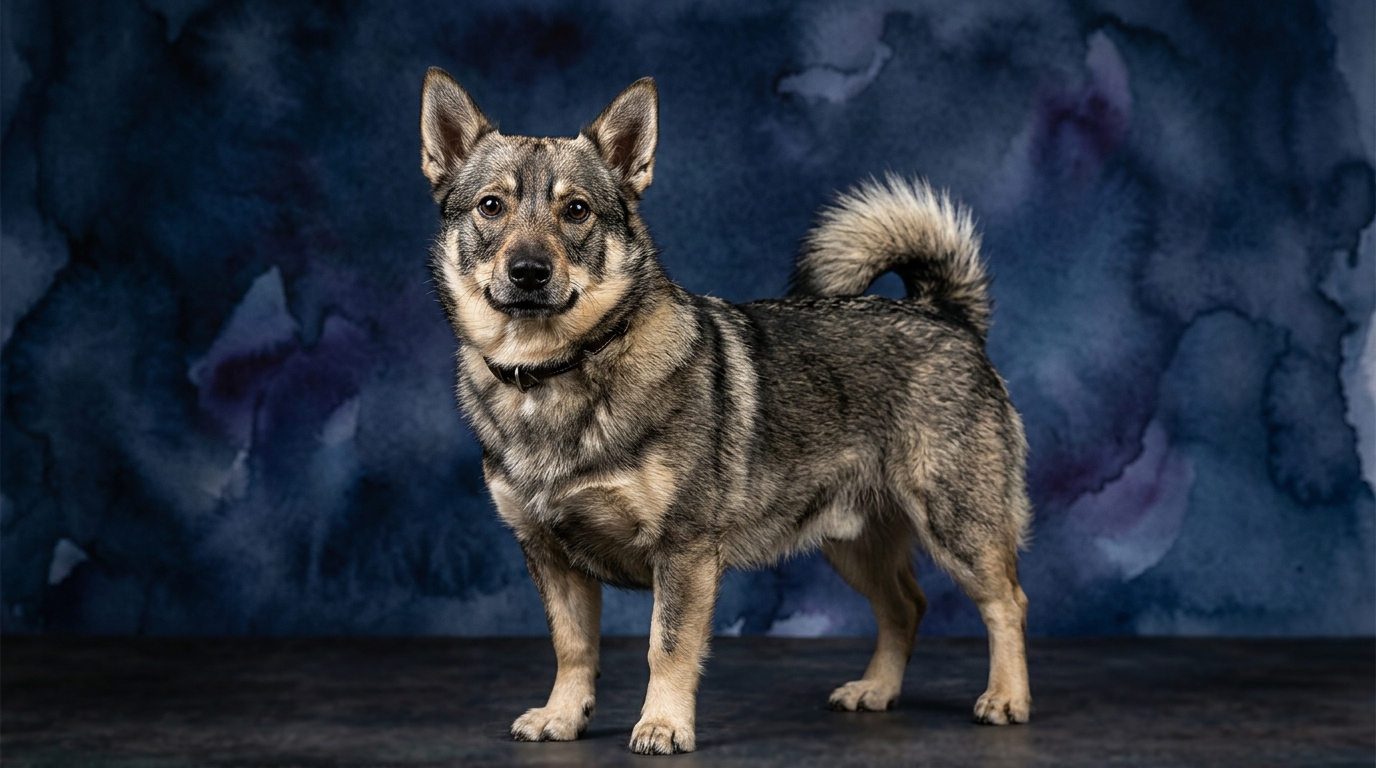
In contrast, the Swedish Vallhund, a member of the Herding Group and not currently Coren-ranked, presents a more uniformly balanced cognitive profile. It shares the same Problem Solving score of 3/5 as the Bichon, indicating similar aptitudes for figuring things out. Its Training Speed also matches at 3/5, suggesting an equivalent learning pace. Where the Vallhund diverges is in Social Intelligence, scoring 3/5, which points to a good but not exceptional connection with human emotions and social dynamics. Its Instinctive Drive is slightly higher at 3/5, reflecting its working heritage and a moderate inclination towards independent action or tasks, and its Memory is also 3/5, consistent with the Bichon.
Where the Bichon Frisé Excels Cognitively
The Bichon Frisé's standout cognitive advantage lies unequivocally in its Social Intelligence, scoring a remarkable 5/5. This elevated capacity means a Bichon possesses an exceptional ability to read and respond to human emotions, nuances, and intentions. They are highly attuned to their owners' moods, often seeking to comfort or engage based on subtle cues, which can manifest as an uncanny ability to 'know' when their human needs cheering up or companionship.
This superior social cognition also translates into a profound desire for connection and cooperation within a family unit. A Bichon will typically thrive on interaction, using their understanding of human social structures to integrate seamlessly into daily routines. Their aptitude for empathy and emotional reciprocity makes them particularly adept at forming deep, intuitive bonds, often anticipating needs or reacting to vocal tones and body language with a precision that other breeds might not achieve. This makes them highly responsive companions in a domestic setting.
Where the Swedish Vallhund Demonstrates Cognitive Strengths
The Swedish Vallhund's cognitive strengths are rooted in its balanced profile and its slightly elevated Instinctive Drive of 3/5, which surpasses the Bichon's 2/5. While both breeds show similar Problem Solving and Training Speed, the Vallhund's moderate drive, combined with its herding lineage, suggests a mind geared towards purpose and a greater capacity for independent thought in practical situations. This drive isn't just about chasing; it's about an innate motivation to assess and act, a cognitive persistence that can be channeled into various activities.
This balanced cognitive toolkit means the Vallhund is often more self-reliant in problem-solving scenarios that require a degree of initiative, such as navigating complex environments or figuring out how to retrieve a toy from an awkward spot. Their consistent scores across Problem Solving, Training Speed, Instinctive Drive, and Memory indicate a robust and adaptable intellect, less specialized than the Bichon's but perhaps more versatile for a wider range of activities that demand both mental and physical engagement. Their moderate social intelligence ensures they are still cooperative, but their drive provides an edge in tasks requiring a bit more autonomous decision-making.
Ease of Training: Behavioral Nuances
Both the Bichon Frisé and the Swedish Vallhund share a Training Speed score of 3/5, suggesting they learn at a moderate pace. However, the *ease* of training can differ significantly due to their other cognitive attributes and behavioral inclinations. The Bichon Frisé's exceptional Social Intelligence (5/5) often makes it *seem* easier to train for compliance and tricks, as their strong desire to please and connect with their human companions translates into high motivation during training sessions. They are often eager to engage and respond positively to praise and affection, making them highly receptive to reward-based methods and less likely to challenge directives due to their strong social bond.
Conversely, the Swedish Vallhund, with its 3/5 Social Intelligence and 3/5 Instinctive Drive, might require a slightly different approach to training. While equally capable of learning, their moderate drive means they can sometimes be more inclined to follow their own instincts or investigate interesting scents, potentially requiring more consistent and engaging methods to maintain focus. Their herding background means they possess a natural assertiveness and can be quite persistent, which, if not channeled correctly, might be perceived as stubbornness. Effective training for a Vallhund often involves tapping into their innate desire for a 'job' and using varied, stimulating exercises to keep their attention.
Matching Breeds to Lifestyles: Active vs. Relaxed Owners
For owners seeking a more relaxed pace of life and a constant, emotionally attuned companion, the Bichon Frisé is often an excellent choice. Their lower Instinctive Drive (2/5) means they generally have fewer demands for strenuous physical activity or complex, independent tasks. Instead, their high Social Intelligence (5/5) makes them thrive on close companionship, gentle play, and being an integral part of daily household life. They are typically content with moderate walks, indoor games, and extensive cuddle sessions, making them well-suited for apartment living or homes where the primary focus is on affectionate interaction rather than vigorous outdoor adventures.
The Swedish Vallhund, with its balanced cognitive profile and slightly higher Instinctive Drive (3/5), is better suited for active owners who can provide consistent mental and physical stimulation. Their herding heritage means they possess a natural zest for activity and enjoy having a purpose, whether it's participating in dog sports like agility or herding trials, engaging in long hikes, or solving interactive puzzles. Owners who appreciate a dog with a robust personality and the capacity for sustained engagement in various activities will find the Vallhund's balanced intellect and moderate drive a rewarding match. They require more than just a walk; they need opportunities to use their minds and bodies in tandem.
The Verdict
Choose the Bichon Frisé if you prioritize an exceptionally socially intelligent companion who thrives on close emotional connection and a more relaxed, companion-centric lifestyle.
Opt for the Swedish Vallhund if you seek a balanced, adaptable partner for an active lifestyle, one who appreciates purpose-driven activities and possesses a moderate, versatile drive.
🧠 Find Your Pet's IQ Score
Our Pet IQ Lab assessment covers 25+ tests across 5 cognitive dimensions — personalized to your breed.
Take the Full IQ Test →Frequently Asked Questions
Are Bichon Frise dogs difficult to train?
Bichon Frisé dogs are generally not difficult to train, largely due to their high Social Intelligence and strong desire to please their owners. While their Training Speed is moderate at 3/5, their eagerness to engage and cooperate makes them highly receptive to positive reinforcement methods and consistent guidance.
Do Swedish Vallhunds need a lot of exercise?
Swedish Vallhunds do require a good amount of exercise and mental stimulation due to their herding background and moderate Instinctive Drive (3/5). They thrive on activities that engage both their bodies and minds, such as long walks, hiking, dog sports, or puzzle toys, making them ideal for active owners.
Which breed is better with children, Bichon Frisé or Swedish Vallhund?
Both breeds can be good with children, but their approaches differ. The Bichon Frisé's high Social Intelligence often makes them gentle and patient companions, while the Swedish Vallhund, with its herding instincts, may occasionally try to 'herd' children, requiring supervision and early training to channel this behavior appropriately.