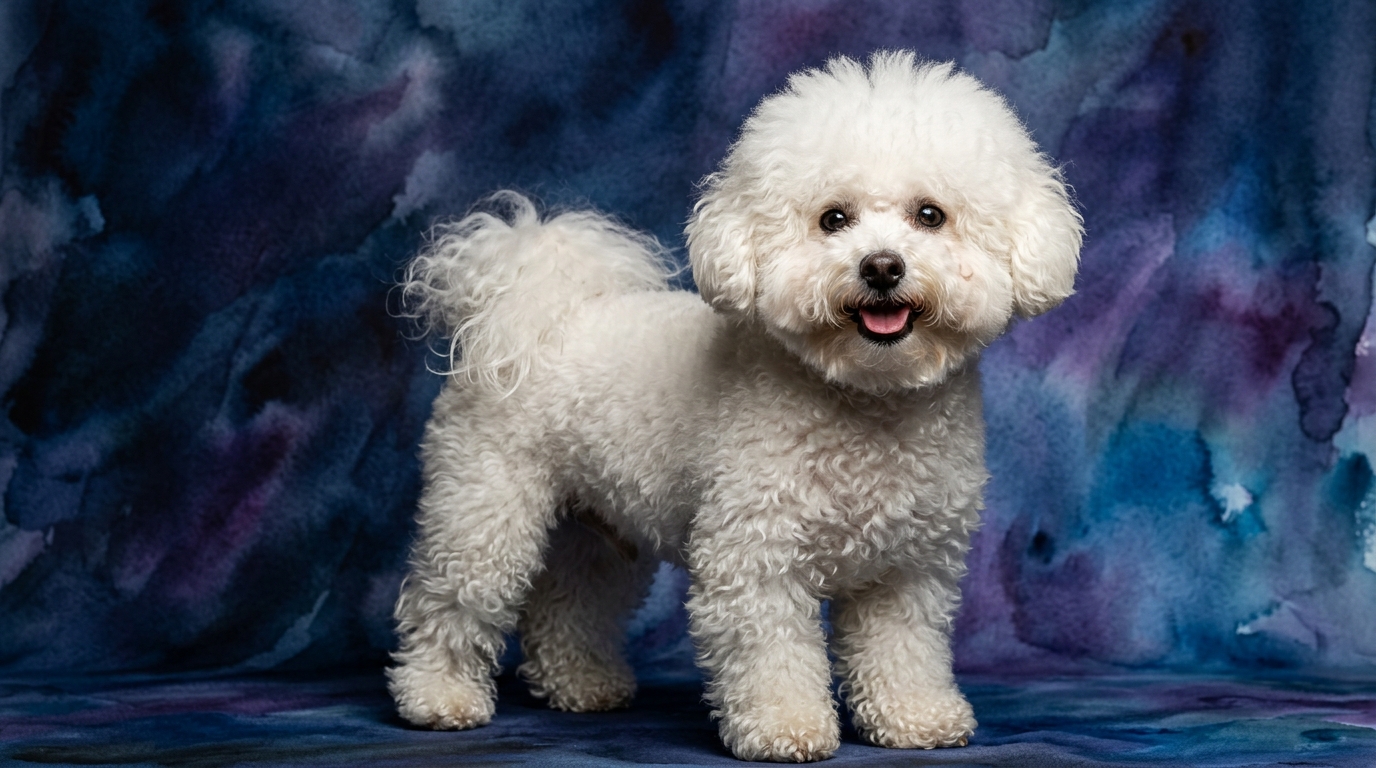
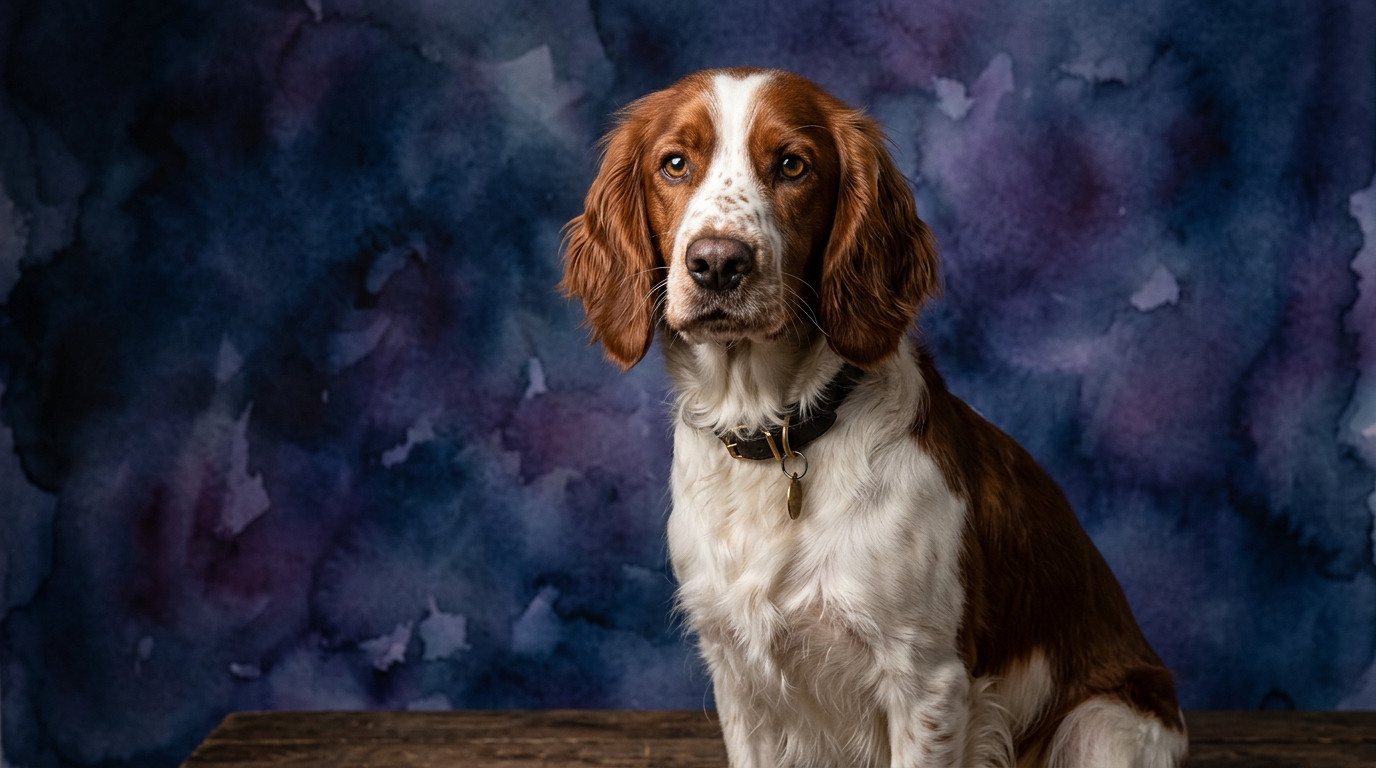
Side-by-side IQ profile
The Bichon Frisé, categorized in the Non-Sporting group and ranked #45 by Coren for working and obedience intelligence, displays a cognitive profile emphasizing social engagement and adaptable learning within a domestic setting. Their Problem Solving is rated 3/5, indicating an ability to navigate typical household challenges and figure out ways to achieve simple goals, often through observation and trial-and-error. Training Speed sits at 3/5, suggesting they learn new commands at a moderate pace, thriving with positive reinforcement and clear communication. Where they truly excel is Social Intelligence, scoring a perfect 5/5, demonstrating an exceptional capacity to read human emotions, understand subtle cues, and form deep, responsive bonds. Their Instinctive Drive is lower at 2/5, meaning they aren't inherently driven by strong prey or retrieve instincts, preferring interaction over independent task pursuit. Memory at 3/5 allows them to retain learned behaviors and routines effectively, particularly those associated with their human companions.
In contrast, the Welsh Springer Spaniel, a Sporting dog with a Coren rank of #31, exhibits a cognitive makeup geared towards purpose and activity, reflecting their heritage as a gundog. Their Problem Solving is rated 4/5, equipping them to tackle more complex tasks and navigate varied environments with a keen observational capacity and strategic approach. Training Speed is also higher at 4/5, indicating a quicker grasp of new commands and sequences, especially when those tasks align with their natural drives. While their Social Intelligence at 3/5 is perfectly adequate for forming strong family bonds, it doesn't reach the same empathic heights as the Bichon, focusing more on partnership in tasks. An Instinctive Drive of 3/5 means they possess a moderate but discernible inclination towards activities like scent work, retrieving, and exploration, providing an inherent motivation for engagement. Their Memory, at 4/5, is robust, allowing them to recall intricate training sequences and retain information over extended periods, crucial for consistent performance in field work or dog sports.
Where Bichon Frisé wins cognitively
The Bichon Frisé's undeniable cognitive victory lies in their extraordinary Social Intelligence, achieving a top score of 5/5. This isn't merely about being friendly; it reflects a profound capacity to interpret human moods, anticipate desires, and respond with remarkable emotional attunement. A Bichon will often seem to 'know' when you're feeling down, offering gentle nudges or playful antics to lift your spirits, a testament to their deep understanding of human social dynamics. Their problem-solving, while not as high in abstract challenges, often manifests ingeniously within a social context – for example, figuring out precisely which charming look or soft whine will elicit a desired response from their human. This exceptional social acumen makes them master communicators in the language of companionship, fostering incredibly tight and responsive bonds that many other breeds simply cannot match.
Where Welsh Springer Spaniel wins cognitively
The Welsh Springer Spaniel consistently outpaces the Bichon Frisé across several key cognitive dimensions, most notably in areas relating to learning, retention, and task-oriented problem-solving. With a Problem Solving score of 4/5, compared to the Bichon's 3/5, they demonstrate a greater aptitude for independently analyzing situations and formulating solutions, particularly in dynamic or novel environments. Their Training Speed of 4/5 (versus 3/5 for the Bichon) means they typically pick up new commands and complex routines more rapidly, showing a quicker understanding of concepts and sequences. This faster learning is significantly bolstered by their superior Memory, rated 4/5, which ensures they retain a vast repertoire of learned behaviors and experiences over time, making them highly reliable in performing intricate tasks consistently. Furthermore, their Coren rank of #31 places them considerably higher in working and obedience intelligence than the Bichon's #45, underscoring their inherent capacity for understanding and executing commands with greater independence and consistency.
Which is easier to train and why
When evaluating ease of training, the Welsh Springer Spaniel generally holds an advantage, particularly for tasks requiring a sequence of commands or independent problem-solving. Their Training Speed of 4/5 and robust Memory (4/5) mean they absorb and recall instructions more quickly and reliably. This is coupled with a moderate Instinctive Drive (3/5) that can be channeled into training, providing an inherent motivation for activities like retrieving, scent work, or agility. A Welsh Springer Spaniel often approaches training as a collaborative activity, eager to engage and please their handler through performance.
The Bichon Frisé, with a Training Speed of 3/5 and Memory of 3/5, learns effectively but may require more repetitions and patience for complex tasks. Their primary motivation often stems from their profound Social Intelligence (5/5); they learn best when training is a positive, interactive experience that deepens their bond with their human. While they excel at house-training and basic manners due to their desire to please and keen social awareness, tasks requiring sustained independent focus or complex sequences might take longer to master compared to the task-driven Welsh Springer Spaniel. The key difference lies in *what* motivates them: the Welsh Springer Spaniel often finds inherent satisfaction in the task itself, while the Bichon seeks social affirmation.
Which suits active owners vs relaxed owners
The cognitive profiles of these two breeds clearly delineate their suitability for different owner lifestyles. The Welsh Springer Spaniel, with its higher Problem Solving (4/5), Training Speed (4/5), Memory (4/5), and moderate Instinctive Drive (3/5), thrives with active owners who can provide consistent mental and physical stimulation. They are ideal companions for those who enjoy hiking, running, dog sports like agility or obedience, or even field activities. Their cognitive makeup demands engagement; without sufficient outlets for their sharp minds and moderate drive, they can become bored or restless. Owners who appreciate a dog that actively participates in adventures and enjoys learning new skills will find a Welsh Springer Spaniel to be an incredibly rewarding partner.
Conversely, the Bichon Frisé, with its exceptional Social Intelligence (5/5), lower Instinctive Drive (2/5), and moderate scores in other areas, is wonderfully suited for more relaxed owners seeking a devoted, interactive companion. While they still require daily walks and playtime, their primary need is for consistent human interaction and affection. They flourish in environments where they can be central to family life, offering comfort and charm. Their problem-solving skills are often applied to navigating social situations or finding the most comfortable spot on the couch, rather than solving complex field puzzles. Owners who prioritize close companionship, gentle play, and a dog deeply attuned to their emotional state will find the Bichon Frisé to be an unparalleled choice.
The Verdict
Choose the Bichon Frisé if your priority is an emotionally responsive companion deeply attuned to your social cues, thriving on close interaction and offering unwavering affection in a more relaxed home environment.
Opt for the Welsh Springer Spaniel if you're an active individual or family seeking a capable, task-oriented canine partner eager for outdoor adventures, consistent training, and engaging in mentally stimulating activities.
🧠 Find Your Pet's IQ Score
Our Pet IQ Lab assessment covers 25+ tests across 5 cognitive dimensions — personalized to your breed.
Take the Full IQ Test →Frequently Asked Questions
Is the Bichon Frisé difficult to train?
The Bichon Frisé is not difficult to train, but their learning style is heavily influenced by their high social intelligence. They respond best to positive reinforcement and engaging, bond-building training sessions, learning at a moderate pace for basic commands and house manners.
Do Welsh Springer Spaniels require a lot of mental stimulation?
Yes, Welsh Springer Spaniels definitely benefit from significant mental stimulation, thanks to their higher problem-solving abilities, training speed, and memory. Activities like puzzle toys, obedience training, scent work, or dog sports are crucial to keep their active minds engaged and prevent boredom.
Which breed is better with children, based on their cognitive profile?
The Bichon Frisé's exceptional social intelligence (5/5) makes them highly adaptable to family dynamics and often very patient with children, understanding social cues well. The Welsh Springer Spaniel's social intelligence (3/5) is good, but their higher drive might mean they need more structured introductions and supervision to ensure appropriate interactions with very young children, especially if their energy isn't adequately managed.