
Side-by-Side IQ Profile: Unpacking Identical Scores
At first glance, the identical IQ scores for both the Black and Tan Coonhound and the American Eskimo Dog – each scoring 3/5 across Problem Solving, Training Speed, Social Intelligence, Instinctive Drive, and Memory – might suggest a complete cognitive parity. However, these scores represent a functional average within their breed-specific contexts, meaning how they apply these abilities differs significantly based on their evolutionary history and purpose.
For the Black and Tan Coonhound, a 3/5 in Problem Solving primarily reflects their prowess in navigating complex scent trails and overcoming environmental obstacles during a hunt. Their problem-solving is deeply rooted in instinctual tracking, deciphering subtle olfactory cues, and making independent decisions in challenging terrain to locate quarry. A 3/5 in Training Speed indicates they are capable learners, but their independent nature and powerful scent drive often mean they prioritize following a compelling scent over immediate human commands, requiring patient and consistent motivation. Social Intelligence at 3/5 suggests they are generally amenable to human companionship and can work cooperatively, often within a pack, but their primary focus might shift to the task at hand rather than subtle human emotional cues. Their Instinctive Drive, also 3/5, is powerfully geared towards scenting, tracking, and baying, defining their very essence. Lastly, a Memory score of 3/5 signifies excellent recall for scent patterns, familiar territories, and the location of game, rather than rote memorization of arbitrary commands.
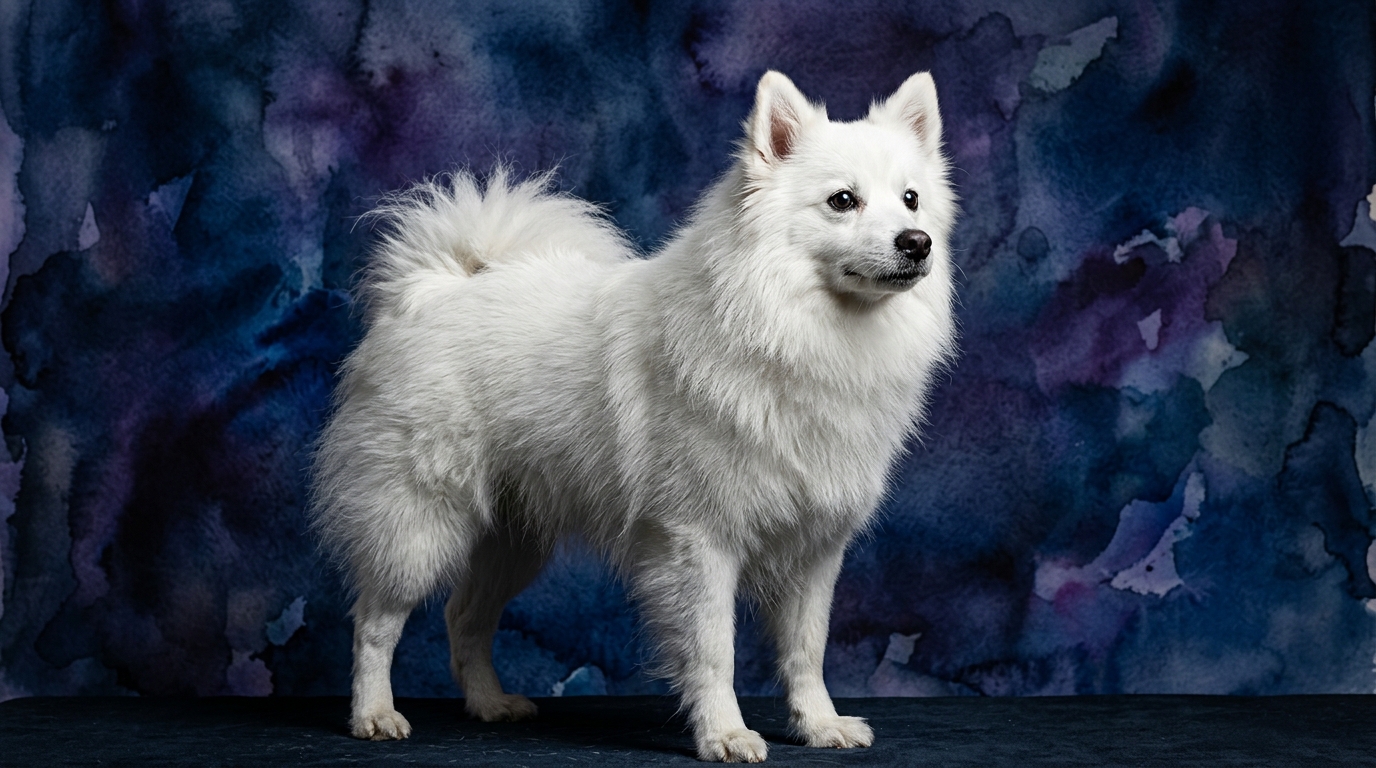
The American Eskimo Dog's 3/5 in Problem Solving manifests differently, often in clever domestic situations, such as figuring out how to access forbidden areas, manipulating toys, or even charming their way into extra treats. Their problem-solving is more focused on manipulating their immediate environment and human companions to their advantage within a home setting. A 3/5 in Training Speed reflects a willingness to learn and an eagerness to please their people, making them generally responsive to positive reinforcement, though they can exhibit a stubborn streak if not properly motivated or if they perceive an unfair exchange. Social Intelligence, also 3/5, highlights their acute awareness of human emotions and household dynamics, often displaying a keen ability to read subtle cues from their family members, though they can be reserved or wary with strangers. Their Instinctive Drive, also 3/5, is expressed through their alert watchdog tendencies, vocalization, and a strong desire for companionship, rather than a strong prey drive. Their Memory score of 3/5 indicates a good recall for routines, learned commands, and past experiences, both positive and negative, which influences their future interactions and behaviors.
Where the Black and Tan Coonhound Cognitively Excels
The Black and Tan Coonhound demonstrates a cognitive superiority in domains directly tied to their heritage. Their problem-solving abilities shine brightest in scent-based tasks, showcasing an unparalleled capacity to follow intricate trails over vast distances and varied landscapes. This involves a complex interplay of memory for scent profiles, environmental navigation, and the ability to filter out irrelevant stimuli. While both breeds score 3/5 in problem-solving, the Coonhound's application is specialized for endurance and precision in olfactory detection. Their memory for specific scent signatures and the intricate pathways of a chase is formidable, allowing them to pick up a cold trail or return to a previous point with remarkable accuracy. This specific cognitive advantage is not about trick-learning but about an innate, highly developed sensory and spatial intelligence crucial for their work.
Where the American Eskimo Dog Cognitively Excels
Conversely, the American Eskimo Dog's cognitive strengths are pronounced in areas of domestic adaptability and social interaction within a family unit. Their 3/5 in social intelligence, while numerically equal, translates into a more nuanced understanding of human communication, including tone of voice, body language, and household routines. They are adept at learning what behaviors elicit desired responses from their owners, often appearing quite clever in their daily interactions. Their problem-solving, while also 3/5, is geared towards navigating the intricacies of a home environment – perhaps figuring out how to get attention, open a cabinet, or engage in play. This practical, human-centric application of their cognitive skills allows them to integrate seamlessly into family life, often becoming deeply attuned companions who anticipate their owners' needs and moods.
Training Dynamics: Independence vs. Eagerness
When considering ease of training, the identical 3/5 Training Speed scores belie significant differences in approach and outcome. The Black and Tan Coonhound, with its strong instinctive drive and independent decision-making on the trail, often perceives training as secondary to a compelling scent. Their hound nature means they are bred to follow a trail without constant human direction, making off-leash reliability a substantial challenge without extensive, specialized training. Consistency, patience, and making training incredibly rewarding are paramount, often requiring methods that tap into their innate drives rather than fighting them. They are capable of learning, but their motivation is often external (a scent) rather than internal (pleasing the owner).
The American Eskimo Dog, while also scoring 3/5, typically presents a different training experience. Their social intelligence and desire to be involved with their family often translate into an eagerness to learn commands and tricks, especially when positive reinforcement is used. They are generally more attentive to human instruction and can be quite responsive in obedience settings. However, their intelligence can also manifest as clever stubbornness or a tendency to test boundaries. They learn quickly but may choose not to perform if they don't see the benefit, or if they perceive an opportunity to get their way. Therefore, while they may seem 'easier' to train for general obedience and tricks due to their people-focus, they still require a firm, consistent, and engaging approach to prevent them from becoming overly manipulative or bored.
Lifestyle Suitability: Active Pursuit vs. Engaged Companionship
The Black and Tan Coonhound is unequivocally suited for highly active owners who can provide ample opportunities for their breed-specific drives. Their 3/5 instinctive drive demands outlets for scent work, tracking, and extensive physical exercise. Owners who enjoy long hikes, scent sports, or hunting activities will find a willing and capable partner. A relaxed owner who cannot meet these needs will likely encounter a frustrated Coonhound exhibiting behaviors like excessive baying, destructive chewing, or attempting to escape to follow a scent. Their cognitive strengths are best utilized when given a 'job' that engages their specialized problem-solving and memory for trails.
The American Eskimo Dog, while energetic and requiring regular exercise, is more adaptable to varied activity levels than the Coonhound. Their 3/5 instinctive drive manifests as alertness and a need for mental engagement, making them excellent candidates for dog sports like agility, obedience, or trick training that appeal to their problem-solving and social intelligence. They thrive on companionship and being an integral part of family activities. While they enjoy outdoor adventures, they do not possess the same tireless endurance or singular focus on scent as the Coonhound. A relaxed owner can still meet their needs through consistent walks, playtime, and mental stimulation within the home, as long as they are committed to engaging with their dog daily.
The Verdict
Choose the Black and Tan Coonhound if you are an experienced, active owner passionate about providing extensive scent work, tracking, or hunting opportunities, embracing their independent spirit and specialized cognitive strengths. They thrive with a 'job' that engages their powerful drives and unique problem-solving abilities.
Opt for the American Eskimo Dog if you seek an intelligent, engaged companion who excels in domestic settings, enjoys learning tricks, and thrives on being an active, central part of family life. They are best suited for owners who can provide consistent mental stimulation and appreciate their social acumen.
🧠 Find Your Pet's IQ Score
Our Pet IQ Lab assessment covers 25+ tests across 5 cognitive dimensions — personalized to your breed.
Take the Full IQ Test →Frequently Asked Questions
Do identical IQ scores mean these breeds are equally easy to train?
No, identical IQ scores in Training Speed (3/5) indicate comparable learning capacity, but their motivations and distractions differ significantly. The Coonhound's strong scent drive can make them seem less biddable, while the Eskie's people-pleasing nature often makes general obedience more straightforward, albeit with potential for stubbornness.
How does 'problem-solving' differ between these two breeds with the same score?
For the Coonhound, problem-solving (3/5) is typically applied to complex scent trails and outdoor navigation, requiring independent decision-making in pursuit of a quarry. For the American Eskimo Dog, the same score translates to cleverness in domestic situations, such as manipulating objects or people within a home environment to achieve a desired outcome.
Which breed is better for a first-time dog owner?
The American Eskimo Dog is generally more recommended for first-time owners due to their adaptability, desire to please, and focus on human interaction, provided the owner is committed to consistent training and mental engagement. The Black and Tan Coonhound's strong, specialized drives and independent nature often require more experienced handling to manage effectively.