Side-by-Side IQ Profile: Unpacking Identical Scores
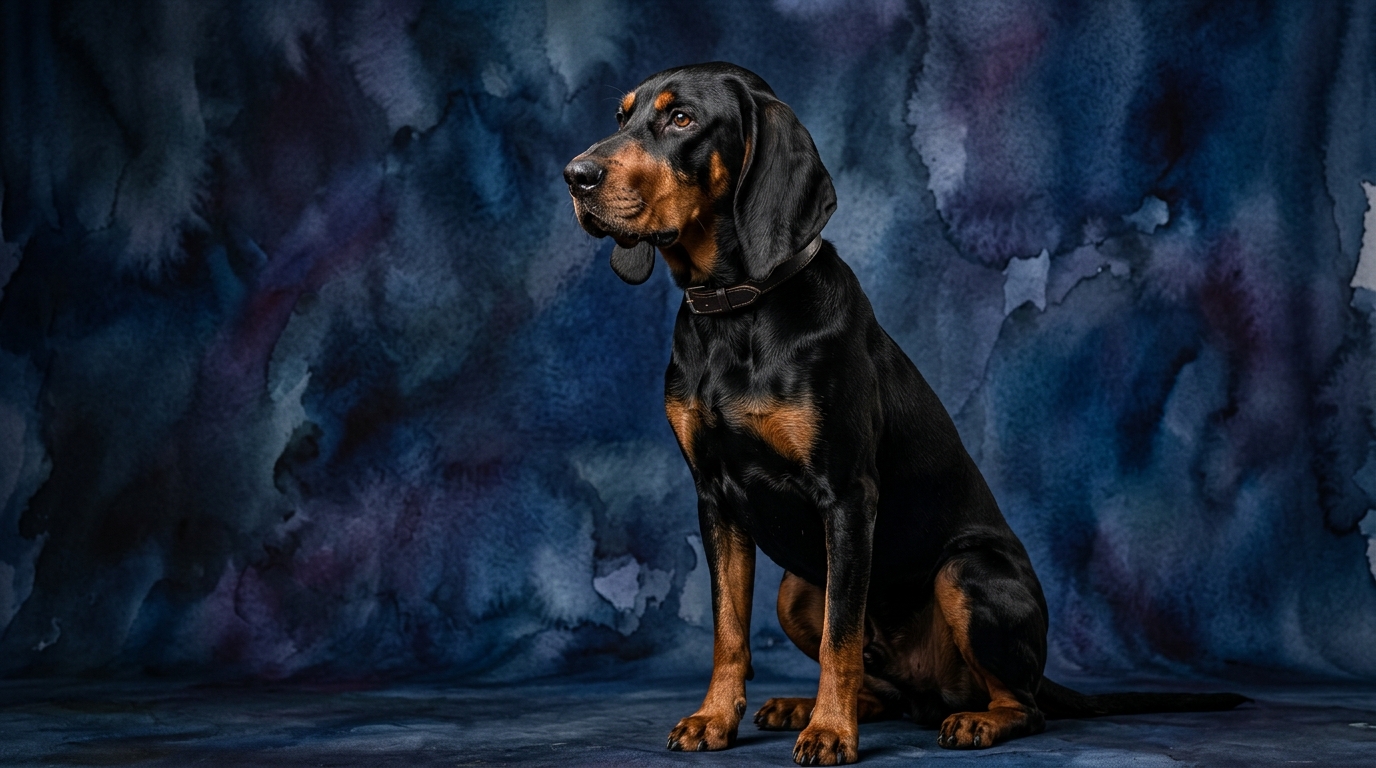
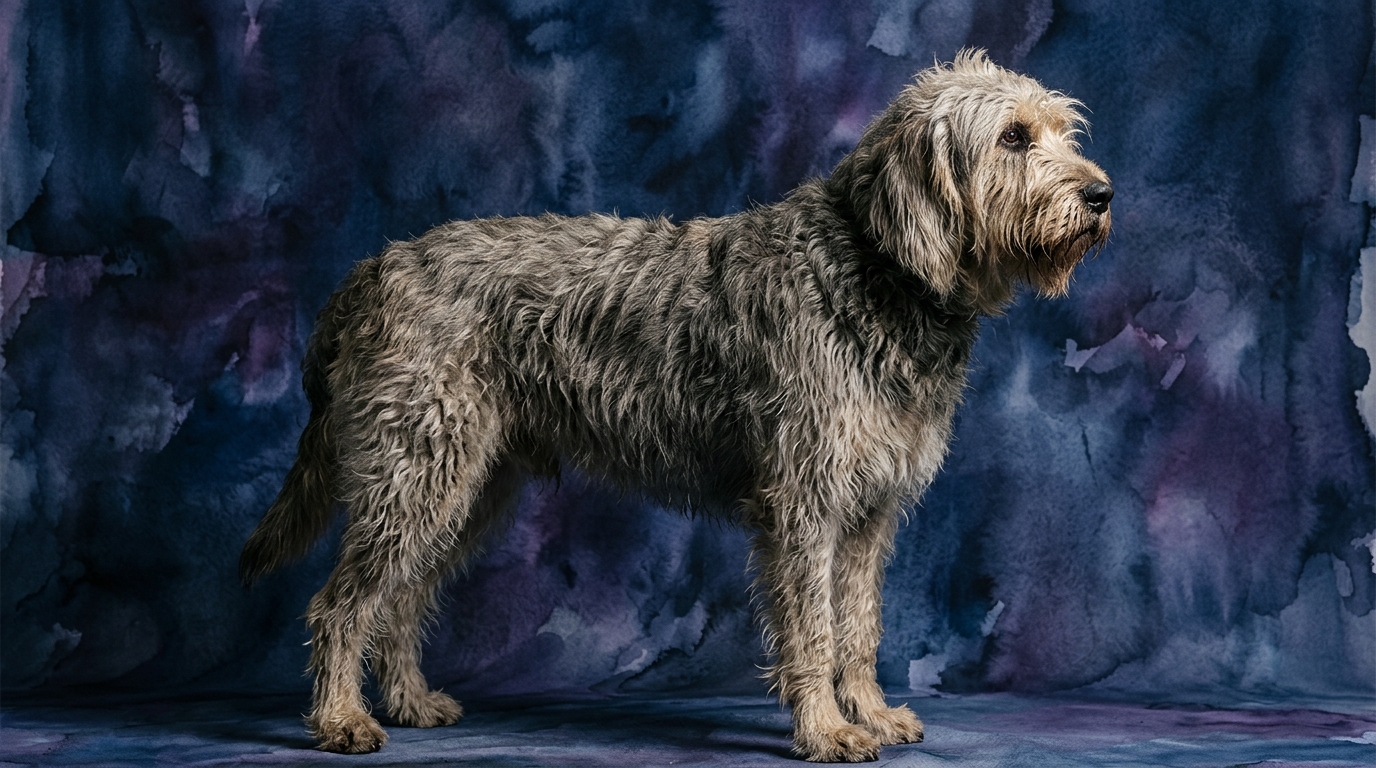
At The Cosmic Pet's IQ Lab, both the Black and Tan Coonhound and the Otterhound present a uniform cognitive profile, each scoring 3 out of 5 across all five dimensions. This consistency across breeds within the same working group highlights a shared foundation of hound-specific cognitive strengths, primarily centered around their exceptional olfactory capabilities and persistent pursuit drives. However, these identical numerical ratings don't imply identical behavior; rather, they suggest a similar *capacity* for intelligence that is then shaped and expressed through their distinct historical purposes and physical adaptations.
For the Black and Tan Coonhound, a Problem Solving score of 3/5 is distinctly applied to mastering complex ground scent trails, navigating varied terrain, and devising strategies to 'tree' their quarry, often under the challenging conditions of night hunting. Their Training Speed, also 3/5, indicates a dog capable of learning commands and procedures, though their powerful independent scent drive means owners must employ consistent, engaging methods to keep their attention. A Social Intelligence of 3/5 reflects their ability to cooperate within a hunting pack and form bonds with their human handlers, while retaining a characteristic hound independence. The Instinctive Drive of 3/5 is profoundly rooted in their relentless pursuit of scent, particularly raccoons, culminating in their distinctive baying. Lastly, their Memory, at 3/5, is crucial for recalling intricate scent patterns, learned routes, and the location of treed game over extended periods.
The Otterhound, similarly, demonstrates a Problem Solving capacity of 3/5, but this is uniquely channeled into locating otters across diverse and often challenging aquatic environments. This includes navigating swift currents, dense riverbanks, and submerged obstacles, demanding a different kind of environmental mastery. Their Training Speed of 3/5, like their Coonhound counterpart, suggests a dog that can learn but whose robust, sometimes jovial, independent nature and powerful scenting instincts require patience and positive reinforcement to guide. A Social Intelligence score of 3/5 indicates a breed that generally thrives in companionship, both human and canine, adapting well to pack dynamics and family life. Their Instinctive Drive, also 3/5, is powerfully geared towards scenting in and around water, driven by an enduring persistence to find their quarry. An Otterhound's Memory, rated 3/5, is vital for recalling specific scent signatures, navigating vast territories, and remembering successful hunting grounds, particularly those associated with water.
Where the Black and Tan Coonhound Excels Cognitively
Despite sharing identical IQ scores, the Black and Tan Coonhound truly shines in cognitive tasks demanding specialized ground-scenting prowess and nocturnal navigation. Their problem-solving at 3/5 is exquisitely tuned for deciphering intricate, often cold, scent trails across diverse landscapes—from dense forests to rocky hills—a skill honed for hours in the dark. This involves not just following a scent but interpreting its age, direction, and intensity, making real-time decisions about the most efficient path to their prey.
Their memory, also 3/5, is particularly robust when it comes to recalling complex terrain features, previously successful hunting spots, and the nuances of various scent profiles. This allows them to build a mental map of their hunting grounds, improving efficiency with experience. Furthermore, their instinctive drive, at 3/5, manifests as an unwavering focus on the chase, a persistence that allows them to overcome physical obstacles and mental distractions, often communicating their progress through their deep, resonant bay, a complex vocalization used to signal their location and the status of the hunt.
Where the Otterhound Excels Cognitively
The Otterhound, while sharing the same 3/5 cognitive scores, demonstrates its unique intellectual strengths in aquatic environments. Its problem-solving ability at 3/5 is acutely adapted to locating scent trails that are often diluted by water, carried by currents, or obscured by bankside vegetation. This requires a distinct cognitive flexibility to process environmental cues that are far more dynamic and less stable than those encountered on land, utilizing their highly sensitive nose even underwater.
Their instinctive drive, also 3/5, is inextricably linked to their environment, compelling them to tirelessly search through rivers, lakes, and marshes. This drive is supported by their physical adaptations, such as webbed feet, which are a testament to how their cognitive and physical attributes are interwoven for specialized tasks. The Otterhound's memory, at 3/5, is particularly effective at recalling the scent signatures of specific waterways and the locations of prey, allowing them to efficiently revisit productive areas. Their social intelligence, while rated 3/5, also means they can coordinate effectively within a pack during water hunts, a complex interaction requiring awareness of other dogs' positions and actions in a fluid environment.
Which is Easier to Train and Why
Given that both breeds have a Training Speed score of 3/5, neither the Black and Tan Coonhound nor the Otterhound can be definitively labeled as 'easier' to train in a general sense. Instead, the *nature* of the training challenge differs, stemming from their specific instinctive drives and historical roles. Both breeds possess an independent streak, a hallmark of scent hounds, meaning they are not typically eager to please in the same way some other working groups might be; their nose often dictates their priority.
The Black and Tan Coonhound's training can be challenging due to its profound focus on scent. Once a compelling scent is detected, their 3/5 instinctive drive can override learned commands, making recall particularly difficult in an open environment. Consistency, high-value rewards, and a deep understanding of their tracking motivation are essential. The Otterhound, while equally scent-driven, often couples this with a boisterous, somewhat clownish personality. Their 3/5 problem-solving might be applied to finding ways to get what *they* want, rather than strictly adhering to a command. Training an Otterhound requires a good sense of humor, immense patience, and leveraging their love for water as a reward or training tool, channeling their enthusiasm rather than trying to suppress their natural exuberance. Ultimately, neither breed is for the faint of heart when it comes to training; both demand a dedicated, consistent, and positive approach, understanding that their cognitive strengths are deeply intertwined with their hound nature.
Suitability for Active vs. Relaxed Owners
Neither the Black and Tan Coonhound nor the Otterhound is well-suited for a truly relaxed, sedentary owner. Their 3/5 instinctive drives and problem-solving capacities demand physical and mental engagement. Both breeds require substantial daily exercise to prevent boredom and destructive behaviors, but the *type* of activity differs significantly, reflecting their specialized cognitive applications.
The Black and Tan Coonhound is an ideal companion for active owners who enjoy long, sustained walks, hikes, or even slow jogs. Their preference for ground scenting means they thrive on opportunities to use their nose, making scent work games or tracking activities highly stimulating. Owners who appreciate quiet, focused outdoor activity, perhaps even nocturnal adventures, would find a compatible partner in this breed. The Otterhound, conversely, is best suited for owners who are equally active and, crucially, love water. Their unique adaptations and cognitive strengths are best exercised through swimming, fetching from water, or exploring rugged, wet terrains. An Otterhound will enthusiastically join in any outdoor escapade, particularly those involving a splash. Both breeds require securely fenced yards due to their powerful scent drives and a tendency to follow an interesting trail.
The Verdict: When to Choose Each Hound
The Verdict
Choose the Black and Tan Coonhound if you appreciate a dedicated, focused scent worker, enjoy long, quiet trails or nocturnal activity, and value a companion with a deep, resonant bay and unwavering tracking ability. This breed suits owners committed to consistent training and providing ample opportunities for its natural scenting talents.
Opt for the Otterhound if you are an active owner who loves water activities, rugged outdoor exploration, and a boisterous, shaggy companion with a unique scenting focus. This breed thrives with owners who can channel its enthusiasm and patience for its independent, water-loving nature.
🧠 Find Your Pet's IQ Score
Our Pet IQ Lab assessment covers 25+ tests across 5 cognitive dimensions — personalized to your breed.
Take the Full IQ Test →Frequently Asked Questions
Are Black and Tan Coonhounds good family dogs?
Yes, Black and Tan Coonhounds can be excellent family dogs, typically being gentle and tolerant with children, especially when raised with them. Their social intelligence of 3/5 means they form strong bonds with their human 'pack' and enjoy companionship, though their independent nature means early socialization is key.
Do Otterhounds shed a lot?
Otterhounds do shed, particularly their shaggy double coat. While not a heavy, constant shedder like some breeds, they will shed seasonally, and their coarse hair can be noticeable. Regular brushing is essential to manage shedding and prevent matting in their distinctive coat.
What are the exercise needs of these hounds?
Both breeds have significant exercise needs, driven by their 3/5 instinctive drive. Black and Tan Coonhounds require at least an hour of vigorous exercise daily, ideally involving scent work or long walks. Otterhounds also need substantial daily activity, often thriving with opportunities to swim or engage in rugged outdoor exploration for an hour or more.