Side-by-Side Cognitive Profiles
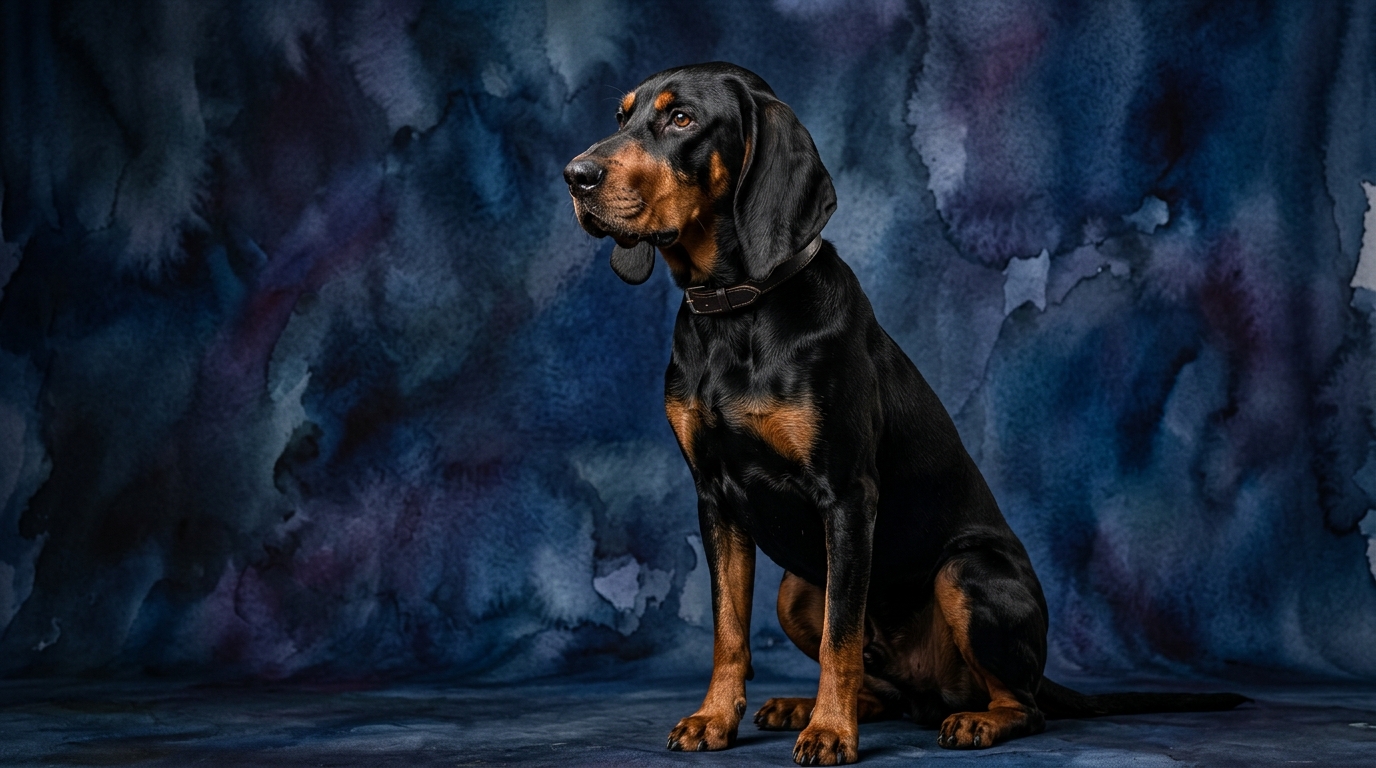
The Cosmic Pet Pet IQ Lab assesses canine intelligence across five key dimensions, revealing fascinating differences between breeds. For the Black and Tan Coonhound, we observe a balanced cognitive profile, with scores of 3/5 across Problem Solving, Training Speed, Social Intelligence, Instinctive Drive, and Memory. This indicates a consistent, moderate capacity across the board, suggesting a steady and deliberate approach to learning and environmental interaction. Their instinctive drive, while rated 3/5, is profoundly rooted in their heritage as scent hounds, focusing on sustained tracking and independent decision-making when following a trail.
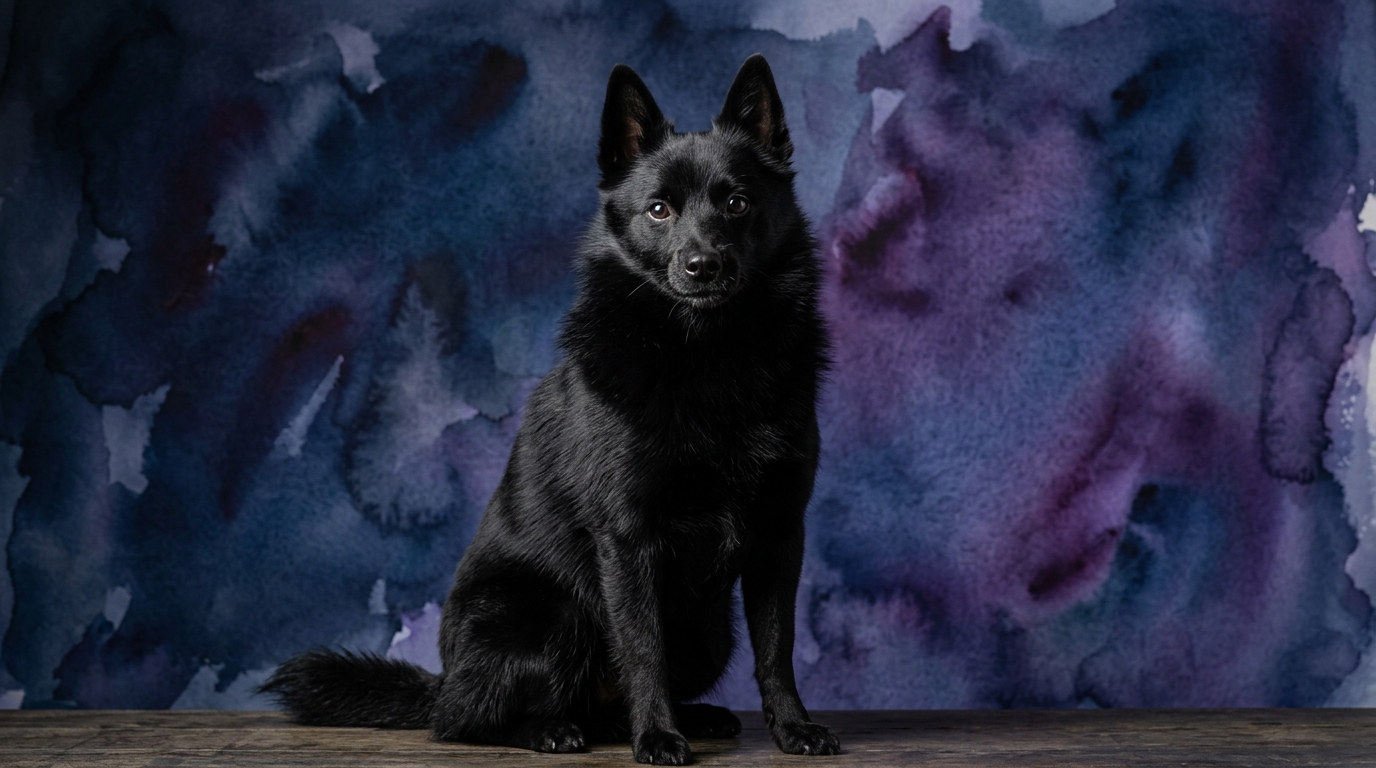
In contrast, the Schipperke presents a strikingly different cognitive blueprint. This breed achieves top scores of 5/5 in Problem Solving, Training Speed, and Memory, underscoring a remarkable capacity for quick learning, complex task comprehension, and information retention. Their Social Intelligence and Instinctive Drive, similar to the Coonhound, are rated at 3/5. However, the nature of their instinctive drive leans towards vigilance, territoriality, and a 'big dog in a small package' confidence, which complements their sharp wit. The Schipperke's impressive Coren rank of #15 further supports its reputation for understanding and executing commands with minimal repetition, setting it apart in the realm of obedience and adaptability.
Where the Black and Tan Coonhound's Cognitive Strengths Shine
While the Schipperke boasts higher scores in several categories, the Black and Tan Coonhound's cognitive strengths are precisely tuned for its specialized purpose. Their 3/5 in Problem Solving, rather than indicating a deficit, speaks to a capacity for practical, sequential problem-solving essential for tracking. When faced with a complex scent trail, a Coonhound doesn't necessarily need to 'outsmart' the environment in a novel way; instead, they excel at methodically following a pre-defined sensory path, making intricate deductions based on scent nuances over long distances and varied terrain. This sustained, focused application of their problem-solving ability is a profound cognitive asset.
Furthermore, their consistent 3/5 in Training Speed and Memory, while not instantaneous, supports a deep, enduring learning style for tasks relevant to their work. A Coonhound might take more repetitions to master a command, but once learned, it is deeply ingrained, especially if tied to their natural instincts. Their Social Intelligence at 3/5 means they are generally amenable companions but possess a degree of independence crucial for working alone in the field, less prone to seek constant human direction when engaged in a task. This balanced, enduring cognitive profile makes them exceptional at tasks requiring sustained focus, robust stamina, and a singular dedication to a sensory objective, qualities where a quicker-witted breed might become distracted or overthink the process.
Where the Schipperke's Cognitive Strengths Excel
The Schipperke's cognitive profile reveals a breed exceptionally well-suited for rapid learning and diverse mental engagement. Their 5/5 in Problem Solving signifies an impressive ability to analyze new situations, devise solutions, and adapt quickly to changing circumstances. This isn't merely about following a scent; it's about figuring out how to open a cupboard, manipulate objects, or understand complex sequences of commands. Owners frequently report their Schipperkes demonstrating resourcefulness in navigating household challenges or mastering intricate tricks with surprising speed.
The parallel 5/5 in Training Speed means they grasp new commands and concepts with minimal repetition, often seeming to anticipate what is expected of them. This makes them highly responsive and a joy to train for a wide array of activities, from advanced obedience to agility. Their perfect 5/5 in Memory ensures that once a lesson is learned, it is retained for the long term, building a vast repertoire of understood cues and experiences. While their Social Intelligence and Instinctive Drive are rated 3/5, their intelligence allows them to channel these drives (like vigilance or territoriality) into appropriate behaviors with consistent training, making them incredibly capable and versatile companions who thrive on mental challenge and interaction.
Training Dynamics: Which Is Easier and Why?
When it comes to ease of training, the Schipperke generally presents a more straightforward path for the average owner, primarily due to its exceptional 5/5 scores in Training Speed and Problem Solving. These dogs process information rapidly, connect actions with consequences swiftly, and retain lessons with remarkable clarity. This means they often require fewer repetitions to master a new command or trick, and they are adept at generalizing learned behaviors to new situations. For an owner seeking a dog that can quickly learn complex routines, excel in competitive obedience, or adapt to varied training methodologies, the Schipperke's cognitive agility is a significant advantage.
The Black and Tan Coonhound, with its 3/5 in Training Speed and Problem Solving, requires a different approach. Their training is not necessarily difficult, but it demands patience, consistency, and an understanding of their deep-seated hound instincts. A Coonhound's primary cognitive focus is often on scent, and this potent instinctive drive (3/5) can be a significant distraction during training sessions not related to tracking. While they are capable of learning, their pace is more deliberate, and they may require more repetitions to solidify a command. Owners must be prepared to make training engaging and highly rewarding, often incorporating elements that tap into their natural desire to follow a scent, to maintain their focus against the allure of an interesting smell. Their memory, while functional, might not be as immediate for recalling arbitrary commands as the Schipperke's, necessitating more consistent reinforcement.
Matching Canine Cognition to Lifestyles: Active vs. Relaxed Owners
The Black and Tan Coonhound's cognitive profile, characterized by its balanced 3/5 scores across all dimensions and a strong, specialized instinctive drive, aligns well with owners who appreciate a specific kind of 'active' lifestyle. These dogs thrive with opportunities to engage their scenting abilities, whether through dedicated tracking sports, long hikes where they can 'work' a trail, or simply exploring nature with their noses to the ground. Their physical endurance is high, requiring consistent exercise, but their mental stimulation needs are often met through engaging their natural hunting instincts. For owners who enjoy a deliberate pace, consistent outdoor activity, and value a dog that can focus intensely on a singular task, even independently, the Coonhound is a fitting choice. They can also be quite relaxed companions indoors, provided their outdoor exercise and mental 'scent work' needs are met.
Conversely, the Schipperke, with its 5/5 in Problem Solving, Training Speed, and Memory, is an excellent match for owners who can provide consistent and varied mental stimulation. These dogs are quick-witted and can become bored or mischievous if their sharp minds are not adequately engaged. They excel in environments where they can learn new tricks, participate in dog sports like agility or rally, or even take on 'jobs' around the house. Their social intelligence, while 3/5, combined with their problem-solving prowess, means they are observant and often enjoy being involved in family activities. While physically active, their 'active' requirement leans heavily into mental engagement. They suit owners who enjoy interactive play, consistent training, and providing a dynamic environment that challenges their dog's considerable cognitive abilities, making them less suited for genuinely 'relaxed' owners who prefer minimal mental engagement from their pet.
The Verdict
Choose a Black and Tan Coonhound if you value a persistent, independent companion whose cognitive strengths are geared towards sustained scent work and endurance, and you appreciate a steady, deliberate training journey.
Opt for a Schipperke if you seek a highly trainable, quick-witted dog that excels at rapid learning, complex problem-solving, and thrives on consistent, varied mental challenges and interactive engagement.
🧠 Find Your Pet's IQ Score
Our Pet IQ Lab assessment covers 25+ tests across 5 cognitive dimensions — personalized to your breed.
Take the Full IQ Test →Frequently Asked Questions
Does a Coonhound's 3/5 memory score mean it forgets things easily?
No, a 3/5 memory score for a Black and Tan Coonhound indicates a functional memory sufficient for their tasks. While perhaps not as immediate or expansive for arbitrary commands as a Schipperke's 5/5, it is perfectly adequate for remembering scent trails, learned routines related to their work, and the general structure of their home life.
Given their high scores, are Schipperkes prone to outsmarting their owners?
Schipperkes, with their 5/5 problem-solving and memory, certainly possess the cognitive tools to be very clever. This means they might figure out how to get into things or manipulate situations to their advantage if not given appropriate mental outlets and consistent guidance. Their intelligence requires proactive and engaging training to channel their cleverness positively.
How does 'Instinctive Drive' differ between these two breeds, even with the same score?
While both score 3/5 in Instinctive Drive, the nature of that drive is very different. For the Black and Tan Coonhound, it's a powerful, persistent drive to track scents, often leading to independent decisions on a trail. For the Schipperke, it's more about vigilance, territoriality, and a 'ratting' instinct, manifesting as alertness, barking, and a confident, sometimes assertive, demeanor towards perceived threats or intruders.