Side-by-Side IQ Profile: Black Russian Terrier vs. Schipperke
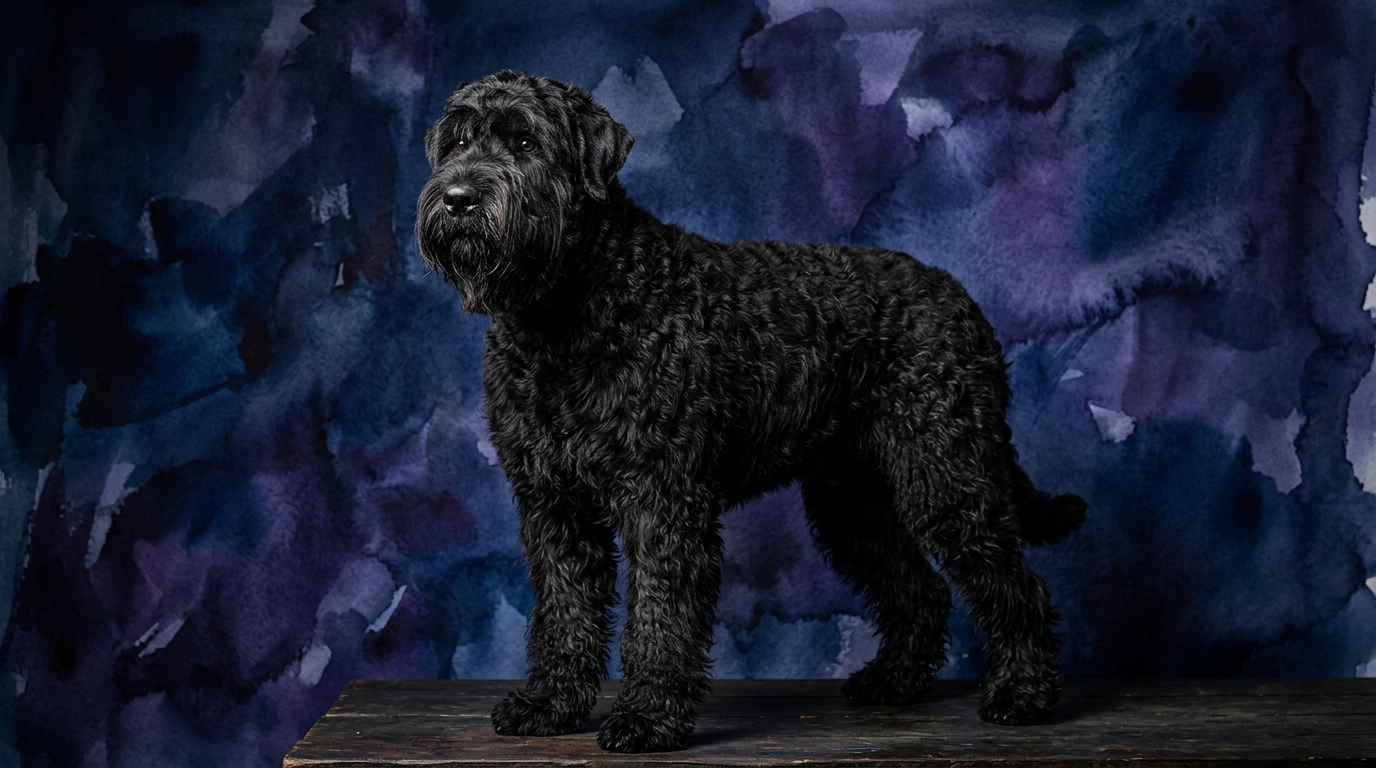
The Black Russian Terrier (BRT) exhibits a consistent, functional level of cognitive ability, scoring 3/5 across all five dimensions: Problem Solving, Training Speed, Social Intelligence, Instinctive Drive, and Memory. This 3/5 in Problem Solving suggests the BRT can tackle routine challenges and learn established solutions, but might not independently devise novel strategies for complex, unfamiliar puzzles. Their 3/5 Training Speed indicates they absorb commands at a moderate pace, requiring patience and consistent repetition rather than instant grasp. A 3/5 in Social Intelligence points to an ability to understand human cues and social hierarchies within their established family unit, without being overtly perceptive to subtle emotional shifts in strangers. Instinctive Drive at 3/5 indicates a moderate internal motivation for typical dog behaviors like guarding or exploring, needing some external encouragement to engage fully. Finally, Memory at 3/5 suggests they retain learned behaviors and experiences adequately over time, but might not recall intricate sequences or past events with exceptional detail.
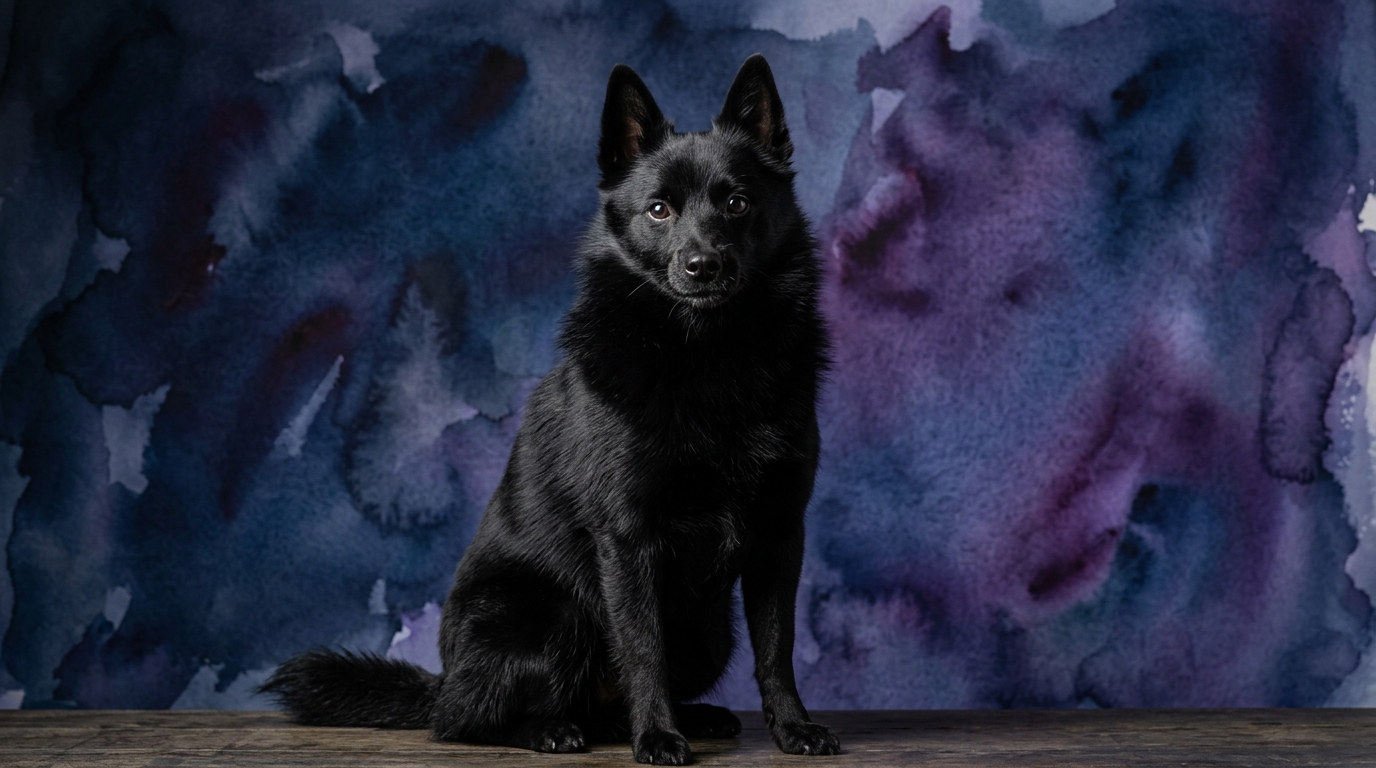
The Schipperke presents a profile of focused cognitive strengths, achieving a standout 5/5 in Problem Solving, Training Speed, and Memory, while scoring 3/5 in Social Intelligence and Instinctive Drive. The 5/5 in Problem Solving denotes a breed capable of independently analyzing complex situations and devising creative solutions, often demonstrating a keen ability to circumvent obstacles or figure out how things work. Their 5/5 Training Speed signifies an exceptional aptitude for quickly grasping new commands and concepts, often requiring fewer repetitions than most breeds. A perfect 5/5 in Memory means they retain vast amounts of information, from learned tricks to past experiences, with remarkable fidelity and for extended periods. In contrast, their Social Intelligence at 3/5 suggests they are adequately attuned to their immediate human companions but may not exhibit the same nuanced understanding of broader social dynamics or strangers' emotions as breeds with higher scores. Similarly, their Instinctive Drive at 3/5, while present, isn't overwhelmingly dominant, meaning their motivation often stems more from their sharp intellect and desire to engage rather than pure instinctual urges.
Where the Black Russian Terrier Wins Cognitively
While the Schipperke’s scores soar in specific areas, the Black Russian Terrier’s strength lies in its balanced, robust cognitive profile, especially suited for consistent, reliable work. A BRT’s 3/5 across the board translates to a dog that is dependable without being overly analytical or prone to independent, self-directed endeavors that might deviate from a task. Their 3/5 Problem Solving means they’re less likely to “outthink” their handler or find creative (and potentially mischievous) ways around rules, preferring to stick to established procedures. This cognitive steadfastness makes them excellent for roles requiring predictable adherence to commands and procedures, such as protection work or repetitive tasks where consistency trumps innovation. Their moderate instinctive drive means they are driven enough to perform their duties but can be more easily directed than a dog with an overwhelming urge to follow its own nose or agenda. This equilibrium of cognitive traits fosters a reliable, un-flashy partnership, where the BRT’s focus remains firmly on its handler's direction rather than intricate self-initiated problem-solving.
Where the Schipperke Wins Cognitively
The Schipperke demonstrably excels in three critical cognitive dimensions: Problem Solving, Training Speed, and Memory, each scoring an impressive 5/5. Their superior Problem Solving means they aren't just good at learning solutions; they actively figure things out, often displaying a cunning ability to open latches, navigate complex environments, or manipulate objects to achieve their goals. This intellectual prowess makes them formidable in dog sports requiring intricate sequences and quick thinking, such as agility or obedience trials. The 5/5 Training Speed allows them to absorb new commands and tricks with remarkable rapidity, often picking up complex behaviors in just a few sessions, making them a joy for experienced trainers who relish teaching advanced skills. Furthermore, their perfect 5/5 Memory ensures that once a concept or behavior is learned, it is retained with exceptional accuracy and permanence, building a vast repertoire of understood commands and experiences. This combined cognitive firepower makes the Schipperke a highly adaptable and capable learner, eager to engage its sharp mind in stimulating activities.
Which Is Easier to Train and Why
Based on their Cosmic Pet IQ Lab profiles, the Schipperke is unequivocally the easier breed to train, primarily due to its perfect 5/5 score in Training Speed and Memory. The Schipperke's ability to grasp new concepts rapidly and retain them with exceptional fidelity means fewer repetitions are needed for a command to become ingrained. They are quick studies, often anticipating what is expected and eager to engage their sharp intellect. This contrasts with the Black Russian Terrier's 3/5 Training Speed and Memory, which indicates a moderate learning curve. BRTs require more consistent, patient repetition to master commands, and while they will learn, the process is slower and less instantaneous. The Schipperke's high Problem Solving score also contributes to its trainability; it can understand the “why” behind tasks and adapt its approach if an initial attempt fails, making it more resilient in complex training scenarios. The BRT, while trainable, relies more on consistent habit formation rather than independent cognitive leaps during the training process.
Which Suits Active Owners vs. Relaxed Owners
The choice between these two breeds for active versus relaxed owners hinges on the type of activity sought. The Schipperke, with its 5/5 Problem Solving and 3/5 Instinctive Drive, suits active owners who enjoy engaging in mentally stimulating activities like dog sports, puzzle toys, and advanced trick training. While its physical exercise needs are moderate, its keen mind demands constant engagement to prevent boredom and potential mischievousness. A Schipperke thrives with owners who are proactive in providing novel challenges and consistent intellectual outlets. In contrast, the Black Russian Terrier, with its consistent 3/5 across all categories, suits active owners looking for a partner in more structured, physically demanding, and routine-oriented activities. Its working background means it appreciates a job to do, like long walks, hiking, or protection training, where consistency and endurance are valued over rapid-fire problem-solving. While both breeds benefit from activity, the Schipperke demands mental gymnastics, whereas the BRT appreciates purposeful physical and structured engagement, making it suitable for owners who prefer a steady, reliable companion for outdoor adventures rather than a constant intellectual sparring partner.
The Verdict
Opt for a Black Russian Terrier if you value a steadfast, reliable companion with a balanced cognitive profile, ideal for structured activities and consistent routines, offering dependable partnership in work or protection roles.
Select a Schipperke if you desire a sharp-witted, agile learner who thrives on mental challenges, advanced training, and active problem-solving, perfectly suited for engaging in complex dog sports and intellectual games.
🧠 Find Your Pet's IQ Score
Our Pet IQ Lab assessment covers 25+ tests across 5 cognitive dimensions — personalized to your breed.
Take the Full IQ Test →Frequently Asked Questions
Does a Black Russian Terrier's moderate IQ scores mean it's difficult to train?
Not at all; a 3/5 in Training Speed and Memory indicates they are perfectly trainable, but require more consistent repetition and patience than a breed with higher scores. Their intelligence is reliable and functional, making them capable learners for dedicated owners who employ clear, consistent methods.
How does the Schipperke's high problem-solving ability manifest in daily life?
A Schipperke's 5/5 problem-solving often means they can independently figure out how to open gates, retrieve hidden toys, or manipulate objects to their advantage. This intellectual curiosity can be charming but also requires owners to provide ample mental stimulation to prevent them from finding their own "problems" to solve, sometimes mischievously.
Are there any cognitive similarities between the two breeds despite their differences?
Both breeds share a 3/5 score in Social Intelligence and Instinctive Drive, suggesting they are adequately attuned to their immediate family without being overly sensitive to strangers' emotions, and possess a moderate internal drive for typical canine behaviors. This common ground implies both value their bond with their owners and will engage in natural dog behaviors, just through different cognitive lenses.