Side-by-Side IQ Profile: Unpacking the 3/5 Scores
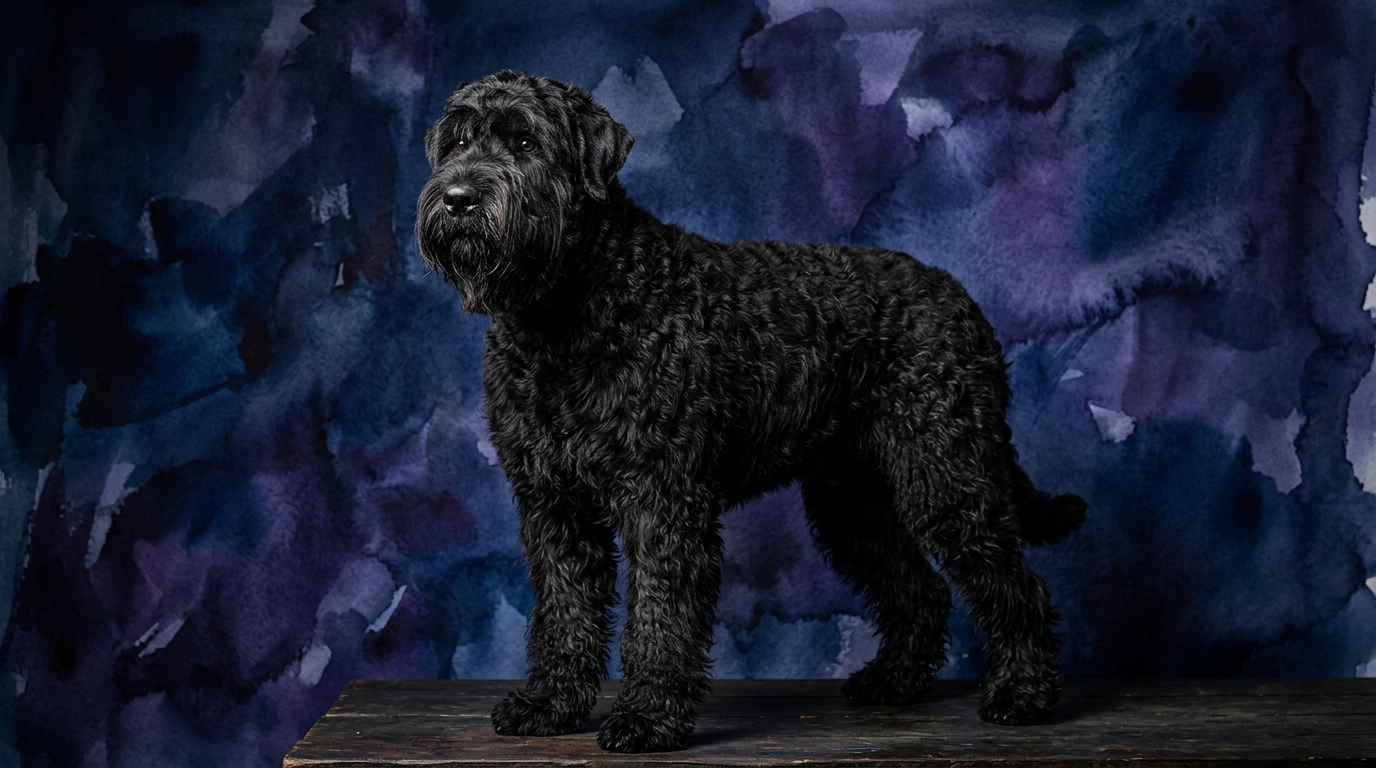
At first glance, the Black Russian Terrier (BRT) and the Treeing Walker Coonhound (TWC) share an intriguing commonality in their cognitive assessments, both registering a consistent 3/5 across all five IQ dimensions. However, these identical scores belie a rich tapestry of behavioral differences rooted in their distinct breed purposes. For the Black Russian Terrier, a Working breed, a 'Problem Solving' score of 3/5 often translates to an aptitude for understanding complex, multi-step tasks related to guarding and protection, such as discerning friend from foe or navigating obstacles to secure a perimeter. Their 'Training Speed' at 3/5 reflects a capacity to learn new commands with moderate repetition, particularly when tasks are presented with clear purpose and structure, aligning with their desire to work alongside a handler. 'Social Intelligence' at 3/5 for the BRT indicates an ability to interpret human intentions and family dynamics, often expressed through their protective instincts and watchful demeanor, rather than an overtly gregarious nature. Their 'Instinctive Drive' of 3/5 is heavily geared towards territorial defense and guarding, manifesting as an inherent alertness and readiness to act when perceived threats arise. Finally, a 'Memory' score of 3/5 for the BRT suggests a solid retention of learned commands, routines, and the identification of familiar individuals and places.
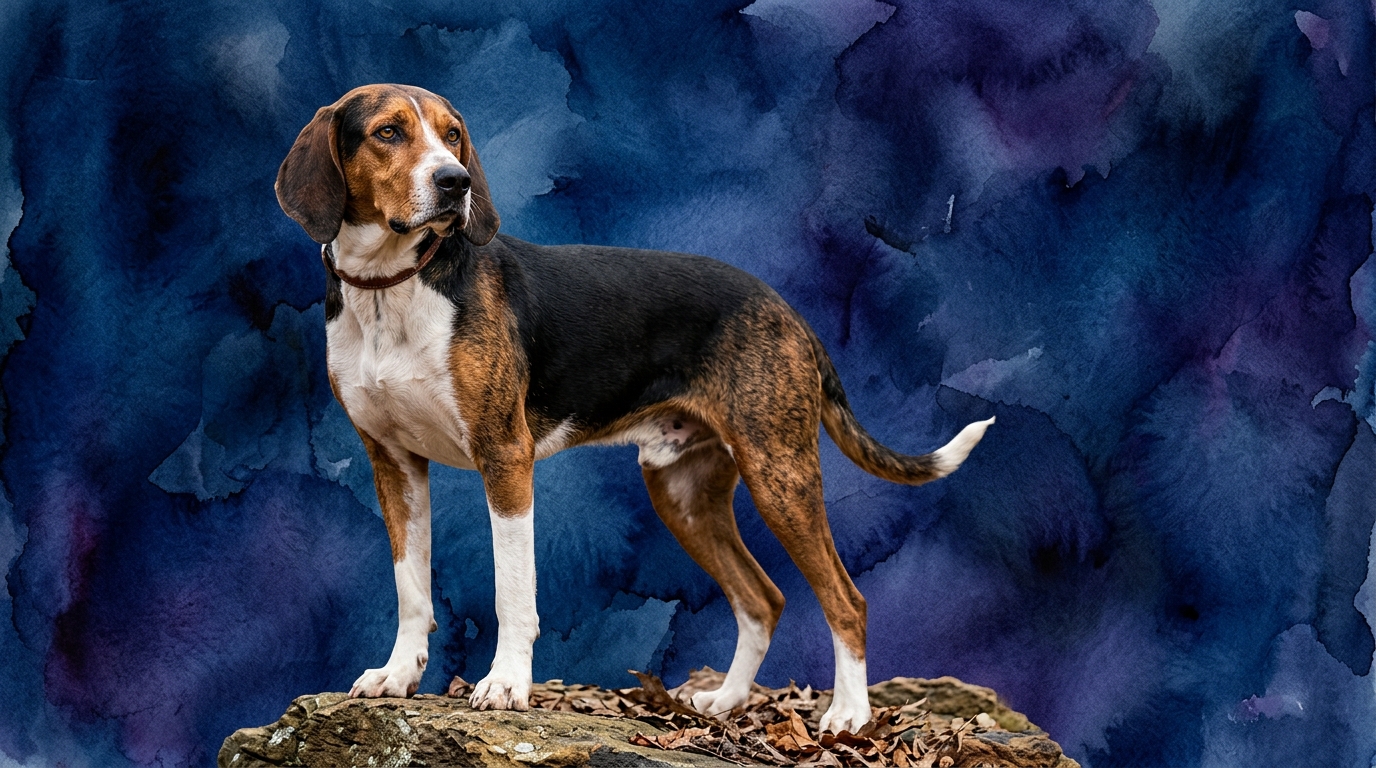
Conversely, the Treeing Walker Coonhound, a member of the Hound group, exhibits its 3/5 scores through a very different lens. Their 'Problem Solving' at 3/5 is typically channeled into intricate scent-tracking challenges, such as figuring out the most efficient path to follow a complex, broken trail or discerning a specific scent amidst many distractions. 'Training Speed' at 3/5 for the TWC implies a moderate pace for acquiring new skills, but with a caveat: their strong prey drive and independent nature often mean they learn best when training is framed around their natural hunting instincts, rather than purely human-centric obedience. The TWC's 'Social Intelligence' at 3/5 often manifests as a keen awareness of pack dynamics, whether with other dogs or their human family, demonstrating an ability to communicate needs and understand social cues within their immediate group. Their 'Instinctive Drive' of 3/5 is overwhelmingly focused on scenting, tracking, and treeing quarry, an urge so profound it can often override other stimuli. 'Memory' at 3/5 for the TWC is robust for remembering specific scent trails, hunting territories, and the locations of previous finds, contributing to their effectiveness as a tracking breed.
Where the Black Russian Terrier Wins Cognitively
The Black Russian Terrier demonstrates a distinct cognitive advantage in scenarios demanding handler-oriented focus and structured task execution. Their working dog heritage endows them with a superior capacity for understanding and executing complex, multi-step commands within a defined hierarchy. For instance, a BRT might excel at a sequence like 'stay, down, wait for release, then retrieve a specific item from a designated spot,' demonstrating not just memory but also the ability to suppress immediate impulses in favor of a larger, handler-directed goal. This mental discipline, coupled with their protective instincts, means they are often more adept at tasks requiring vigilance and discretionary judgment in a domestic or security context, such as identifying a genuinely threatening stranger versus a harmless visitor. Their cognitive strengths truly shine when they are given a 'job' that involves interaction with their human counterpart and requires sustained attention to human directives, making them more pliable for advanced obedience or protection sports where precision and partnership are key.
Where the Treeing Walker Coonhound Wins Cognitively
The Treeing Walker Coonhound's cognitive strengths lie in their unparalleled ability to engage in independent, scent-driven problem-solving. While a BRT might wait for a command, a TWC will independently analyze and navigate a complex environment based purely on olfactory information. Their 'Problem Solving' manifests in figuring out how to bypass obstacles to follow a faint scent trail, or discerning the precise path a hidden animal took through dense underbrush. This requires a sophisticated form of spatial reasoning and an ability to process vast amounts of sensory data, filtering out irrelevant information to concentrate on a singular, compelling scent. Their 'Instinctive Drive' fuels a relentless mental stamina, allowing them to maintain focus on a tracking task for hours, adapting their strategy based on environmental cues and the evolving scent picture. This cognitive specialization makes them exceptional in roles requiring autonomous navigation and decision-making based on sensory input, such as search and rescue, or, traditionally, trailing game through varied terrain.
Training Dynamics: BRT's Responsiveness vs. TWC's Independence
When it comes to training, the Black Russian Terrier generally presents a more straightforward path for the average owner due to their inherent desire for structure and handler engagement. Their working background means they are often predisposed to seeking direction from their human companions, and their 'Training Speed' of 3/5 is often realized efficiently in a consistent, positive reinforcement environment. They tend to respond well to clear commands and structured routines, viewing training as a collaborative effort. This doesn't mean they are robotic, but their cognitive framework is more aligned with following human leadership in a defined context. In contrast, the Treeing Walker Coonhound, while possessing the same 'Training Speed' of 3/5, often requires a trainer who understands their deep-seated independence and potent 'Instinctive Drive.' Training a TWC frequently involves competing with the overwhelming allure of scent; a distant smell can easily override a verbal command. Their problem-solving skills are often applied to figuring out how to pursue a scent, rather than how to perfectly execute a 'stay.' Effective TWC training often relies on making desired behaviors more rewarding than the natural drive to track, or integrating scent work into their training to harness, rather than suppress, their core cognitive strengths. Consequently, while both can learn, the BRT is typically more inclined to *want* to learn what the human is teaching, whereas the TWC needs more motivation to prioritize human instruction over their powerful olfactory world.
Matching Breeds to Lifestyles: Active vs. Relaxed Owners
For owners seeking an active and engaged companion who thrives on shared activities and a structured routine, the Black Russian Terrier is often a more suitable match. Their cognitive makeup, particularly their 'Social Intelligence' and 'Instinctive Drive' for protection, means they flourish when given a purpose and consistent mental stimulation alongside their family. They require owners who are prepared to dedicate time to advanced obedience, protection sports, or other 'jobs' that channel their intelligence and physical prowess. A BRT left without sufficient mental engagement can become restless, potentially channeling their problem-solving skills into less desirable behaviors. They are not a breed for a truly 'relaxed' owner who prefers minimal interaction or mental challenge, as their cognitive needs are substantial and require active participation from their human counterparts. In essence, they need an owner who can be a consistent leader and provide a stimulating partnership.
Conversely, the Treeing Walker Coonhound, while certainly an active breed requiring significant physical exercise, can be a better fit for owners who appreciate a dog's independent spirit and are prepared to accommodate their powerful drives without needing constant, direct handler interaction. While they need extensive outlets for their 'Instinctive Drive'—long walks, scent games, or even participation in actual hunting—their 'Problem Solving' and 'Memory' are largely self-directed in these activities. An owner who enjoys observing their dog's autonomous problem-solving in the field, or who can provide ample opportunities for off-leash exploration (in secure areas), might find the TWC a rewarding companion. Indoors, once their physical and mental needs are met, they can be surprisingly relaxed, often content to nap. However, this 'relaxed' state is contingent on having had their strong cognitive and physical drives satisfied through appropriate activities. They are not suited for owners who cannot provide outlets for their powerful tracking instincts, as this will lead to frustration and potentially destructive behaviors.
The Verdict: When to Choose Each Breed
The Verdict
Choose a Black Russian Terrier if you seek a highly trainable, protective partner who thrives on structured tasks, advanced obedience, and a clear leadership role within the family, valuing a dog that looks to you for direction and purpose.
Opt for a Treeing Walker Coonhound if you appreciate an independent, scent-driven companion, are prepared to provide extensive outlets for their tracking instincts, and enjoy a dog whose intelligence shines brightest in autonomous, sensory-rich exploration.
🧠 Find Your Pet's IQ Score
Our Pet IQ Lab assessment covers 25+ tests across 5 cognitive dimensions — personalized to your breed.
Take the Full IQ Test →Frequently Asked Questions
Do Black Russian Terriers and Treeing Walker Coonhounds learn at the same pace?
While both breeds have a 'Training Speed' of 3/5, their learning styles differ significantly. BRTs typically learn obedience commands faster due to their handler focus, whereas TWCs may excel at scent-related tasks but require more motivation to prioritize general obedience over their strong independent instincts.
Which breed is better for a first-time dog owner?
Neither breed is typically recommended for novice owners due to their strong drives and specific needs. However, the Black Russian Terrier might be slightly more manageable for a committed first-timer willing to invest heavily in professional guidance and consistent training, as their desire to please a clear leader can simplify the learning process compared to the TWC's independent nature.
How do their 'Social Intelligence' scores manifest differently?
A BRT's 'Social Intelligence' often relates to understanding family dynamics and identifying potential threats, leading to protective behaviors. A TWC's 'Social Intelligence' typically manifests in understanding pack hierarchy and communicating effectively within a group of dogs or their human 'pack,' often with less overt protectiveness towards outsiders.