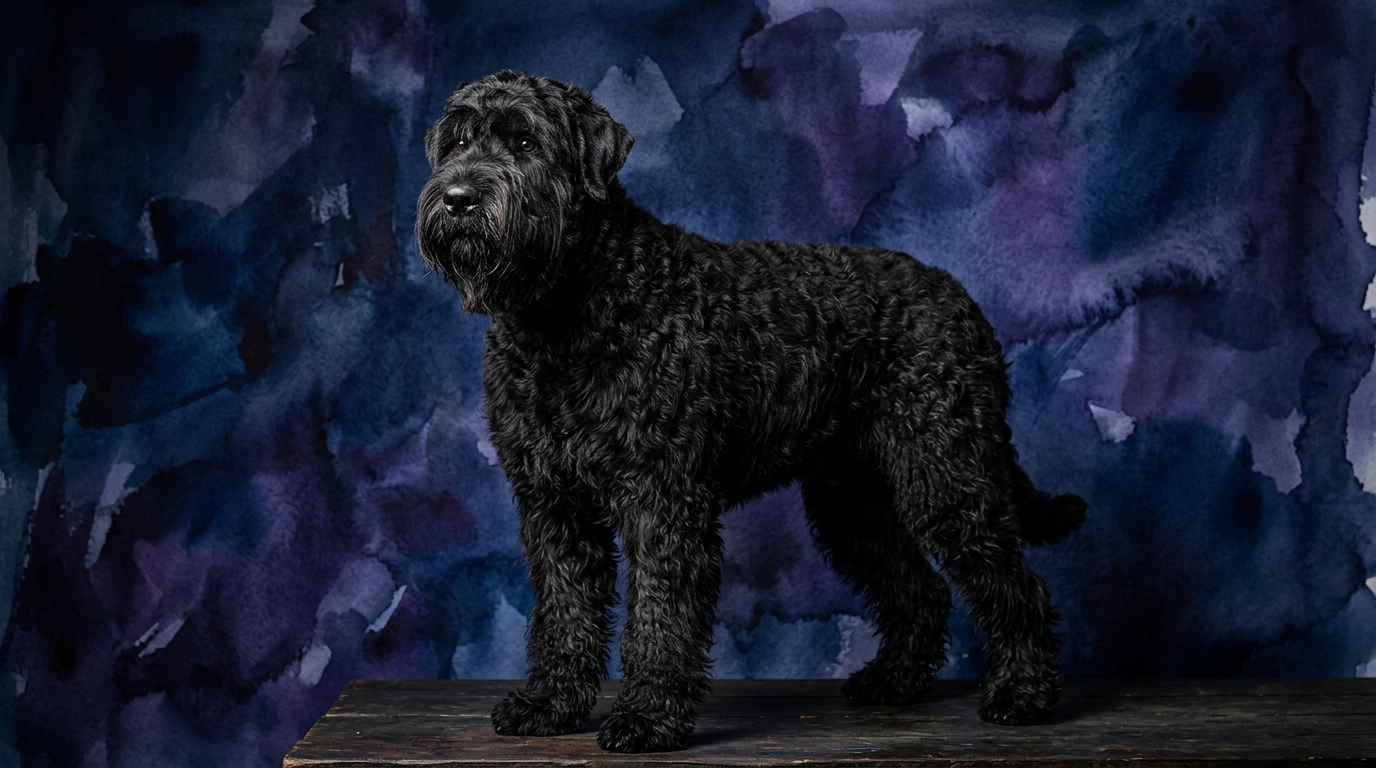
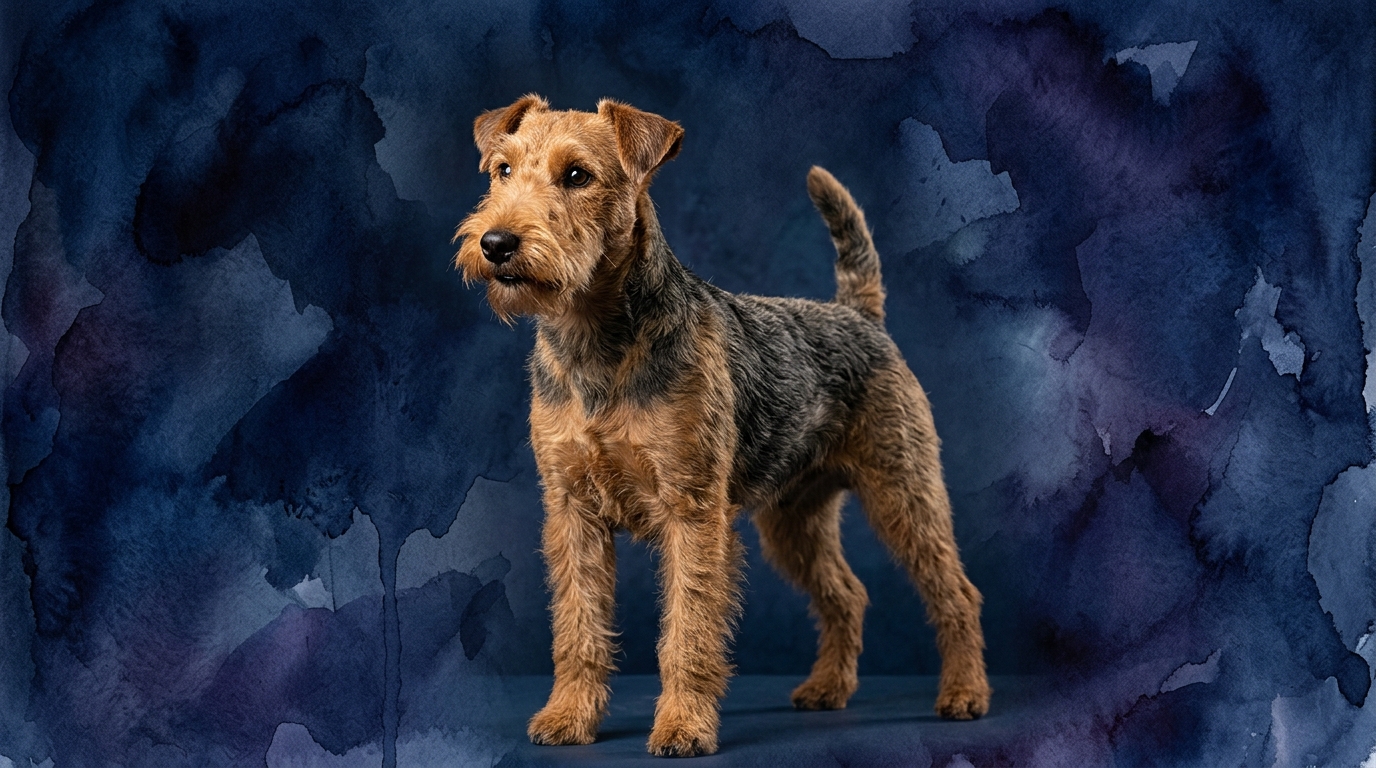
Side-by-Side Cognitive Profile: Black Russian Terrier vs. Welsh Terrier
In our Pet IQ Lab, both the Black Russian Terrier and the Welsh Terrier register a balanced 3/5 across all five measured cognitive dimensions. While the raw scores are identical, understanding the nuances of their breed origins allows us to interpret how these cognitive strengths manifest differently in each dog.
For Problem Solving (3/5), the Black Russian Terrier typically applies its cognitive capacity to analyzing situations, especially those related to protection, guarding, or complex obedience tasks. Their problem-solving often involves assessing environmental cues and making judgments within a structured context. The Welsh Terrier, conversely, demonstrates its 3/5 problem-solving through resourcefulness in independent pursuits, particularly when navigating tight spaces, outsmarting small prey, or overcoming physical obstacles with tenacity. Their ingenuity shines in tasks requiring self-directed action.
Regarding Training Speed (3/5), the Black Russian Terrier tends to be responsive to consistent, structured training, absorbing commands effectively when tasks are clear and purposeful, reflecting their working heritage. Their larger size and strength demand a handler who can provide firm yet fair guidance. The Welsh Terrier also learns new commands efficiently, but their independent and spirited terrier nature often means training requires more engaging, varied methods that appeal to their innate drives, making the process feel like a game or a challenge.
In terms of Social Intelligence (3/5), the Black Russian Terrier often forms deep bonds with its family, understanding human cues and household dynamics, while also being discerning with strangers. Their social acumen is often tied to their protective instincts and role within the family unit. The Welsh Terrier, while friendly and observant, interprets its immediate environment and familiar people through a more self-sufficient lens. Their social intelligence is often expressed in their interactions with their immediate pack and their general awareness of their surroundings.
The Instinctive Drive (3/5) in the Black Russian Terrier is strongly rooted in protection and guarding. This manifests as vigilance, situational awareness, and a readiness to act when they perceive a threat to their family or territory. The Welsh Terrier's 3/5 instinctive drive is characterized by a pronounced prey drive, a keen desire to explore, and an inclination to dig. This inherent drive fuels their determination and focus on scent, movement, and independent investigation.
Finally, Memory (3/5) in the Black Russian Terrier is robust, allowing them to retain extensive learned commands, complex routines, and past experiences over time, which is crucial for their role as companions and potential protectors. They recall training sessions and past interactions with reliability. The Welsh Terrier also exhibits good memory, particularly for familiar places, people, and successful strategies used during exploration or pursuit. Their memory supports their independent problem-solving and navigation.
Where the Black Russian Terrier Excels Cognitively
Even with identical raw scores, the Black Russian Terrier’s interpretation of its 3/5 cognitive dimensions often lends itself to specific strengths. Their problem-solving, for instance, is profoundly geared towards environmental assessment and protection. A Black Russian Terrier typically excels at understanding complex household rules or discerning who belongs and who doesn't, interpreting subtle social cues that might indicate a change in routine or a potential threat. This isn't merely about solving a physical puzzle, but about assessing context and making judgments within a social framework.
The Black Russian Terrier’s social intelligence (3/5) often translates into a deeper, more nuanced understanding of human emotional states and family dynamics. This can manifest as an intuitive partnership in structured activities, where they anticipate a handler's next move or respond to unspoken cues. Their memory (3/5) is frequently applied to remembering extensive command sets and complex, multi-step routines, crucial for a working dog. This capacity for retaining intricate sequences allows them to perform advanced tasks with precision and reliability, making them particularly adept at roles requiring sustained focus and recall over time.
Where the Welsh Terrier Excels Cognitively
The Welsh Terrier, despite sharing the same 3/5 cognitive scores, demonstrates its mental acuity in distinct ways, reflecting its terrier heritage. Their problem-solving (3/5) is exceptionally focused on independent task resolution, particularly involving physical challenges or scent work. A Welsh Terrier might outshine a Black Russian Terrier in figuring out how to get to a hidden object, navigating a complex scent trail, or devising a strategy to access a confined space. This tenacity in overcoming physical barriers or pursuing a scent trail is a distinct cognitive strength, requiring ingenuity and persistence.
Their instinctive drive (3/5) manifests as unparalleled determination and focus in pursuit, a cognitive advantage when a task requires single-minded dedication, such as in tracking games or agility courses designed to mimic chasing. This drive allows them to maintain focus on a goal despite distractions. Furthermore, their training speed (3/5), while requiring engaging methods, can result in remarkably quick learning of tasks that appeal to their natural prey drive or desire for independent action. They can swiftly pick up specific agility maneuvers or scent discrimination games when the activity taps into their innate motivations, often learning 'on the fly' through trial and error driven by instinct.
Training Dynamics: Which is Easier to Train?
When considering ease of training, the differences between these two breeds become more apparent, despite their identical 3/5 training speed scores. The Black Russian Terrier is generally considered more straightforward for structured obedience. Their working background means they are often eager to please a strong, consistent leader and thrive on clear commands and predictable routines. Their social intelligence aids them in grasping the 'why' behind the training, fostering a cooperative attitude. However, their formidable size and strength mean that consistency and early socialization are absolutely paramount to manage their potential power effectively.
The Welsh Terrier, on the other hand, can present more challenges due to its independent, sometimes stubborn terrier nature. While they learn quickly when motivated, they might question commands or prioritize their own instincts—like chasing a squirrel or investigating an interesting scent—over handler instruction. Training a Welsh Terrier requires patience, creativity, and a knack for making learning seem like their idea or an exciting game. Handlers must understand how to channel their pronounced instinctive drive into productive activities, often relying on positive reinforcement and varied, engaging sessions to maintain their interest and cooperation. Their spirited autonomy requires a more nuanced approach than the Black Russian Terrier’s more direct receptiveness to authority.
Owner Suitability: Active vs. Relaxed Lifestyles
Neither the Black Russian Terrier nor the Welsh Terrier is well-suited for a truly relaxed or sedentary owner; both breeds demand significant engagement. Active owners, however, will find different expressions of activity with each dog. The Black Russian Terrier thrives with owners who can provide consistent mental stimulation, structured training, and regular, substantial physical exercise. This includes long, purposeful walks, advanced obedience work, or even protection training. Their working drive and robust energy need a clear outlet, and they are happiest when they have a job or a role to fulfill within the family unit.
The Welsh Terrier also requires an active owner, but their activity often manifests as bursts of energy, enthusiastic digging, and spirited exploration. They need owners who enjoy interactive play, puzzle toys, and outdoor adventures that satisfy their innate curiosity and prey drive. While they might be content with slightly less *structured* exercise than a Black Russian Terrier, they still need plenty of varied activity to prevent boredom and destructive behaviors. Their independent spirit means they often enjoy self-directed exploration, but always within a safe and stimulating environment. For genuinely relaxed, sedentary owners, both breeds would likely develop behavioral issues stemming from unmet needs for mental and physical engagement, making them unsuitable companions for such lifestyles.
The Verdict
Choose the Black Russian Terrier if you seek a cognitively engaged partner for structured obedience, protection work, or a family companion deeply attuned to household dynamics, and you can commit to consistent, firm training and substantial exercise.
Choose the Welsh Terrier if you appreciate an independent, tenacious problem-solver with a zest for exploration and playful challenges, and you are prepared for creative, engaging training methods to channel their spirited terrier instincts.
🧠 Find Your Pet's IQ Score
Our Pet IQ Lab assessment covers 25+ tests across 5 cognitive dimensions — personalized to your breed.
Take the Full IQ Test →Frequently Asked Questions
Do Black Russian Terriers and Welsh Terriers learn at the same pace?
While both breeds score 3/5 in training speed, their learning styles differ significantly. Black Russian Terriers often excel in structured obedience with clear commands, while Welsh Terriers learn best through engaging, game-like methods that appeal to their independent and instinctual drives, requiring more creative approaches from their handler.
How does their problem-solving ability manifest differently despite identical scores?
A Black Russian Terrier's problem-solving (3/5) typically focuses on assessing complex social situations for protection or navigating intricate tasks within a structured environment. A Welsh Terrier's (3/5) shines in independent pursuits, like figuring out how to access a hidden object or tenaciously navigating physical obstacles to achieve a goal.
Can a Black Russian Terrier or Welsh Terrier adapt to apartment living?
Both can, but with significant caveats that demand a highly committed owner. A Black Russian Terrier would require extensive daily exercise, structured mental engagement, and opportunities for purposeful activity outside the apartment. A Welsh Terrier would also need substantial daily activity, including opportunities for digging, exploration, and interactive play, to prevent boredom and potential destructive behaviors in a confined space.