Side-by-Side IQ Profile
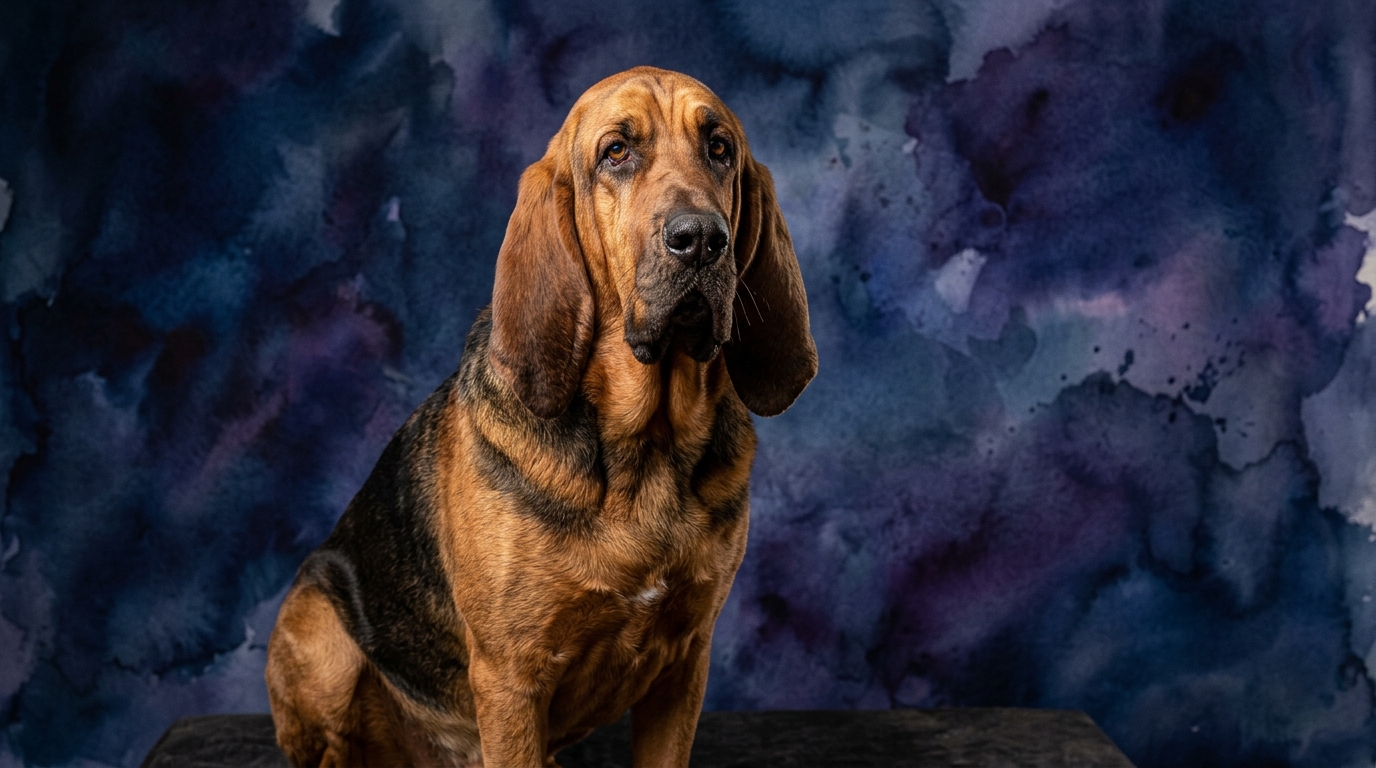
The Bloodhound, Coren-ranked at #74, exhibits a highly specialized cognitive makeup. Their Problem Solving is an exceptional 5/5, reflecting an unparalleled ability to decipher complex scent trails. Training Speed, however, is a challenging 1/5, as their focus is often elsewhere. Social Intelligence sits at 2/5, meaning they are amiable but not primarily motivated by human social cues. Their Instinctive Drive is a profound 5/5, singularly focused on tracking, and their Memory is an outstanding 5/5, especially for olfactory information and associated contexts.
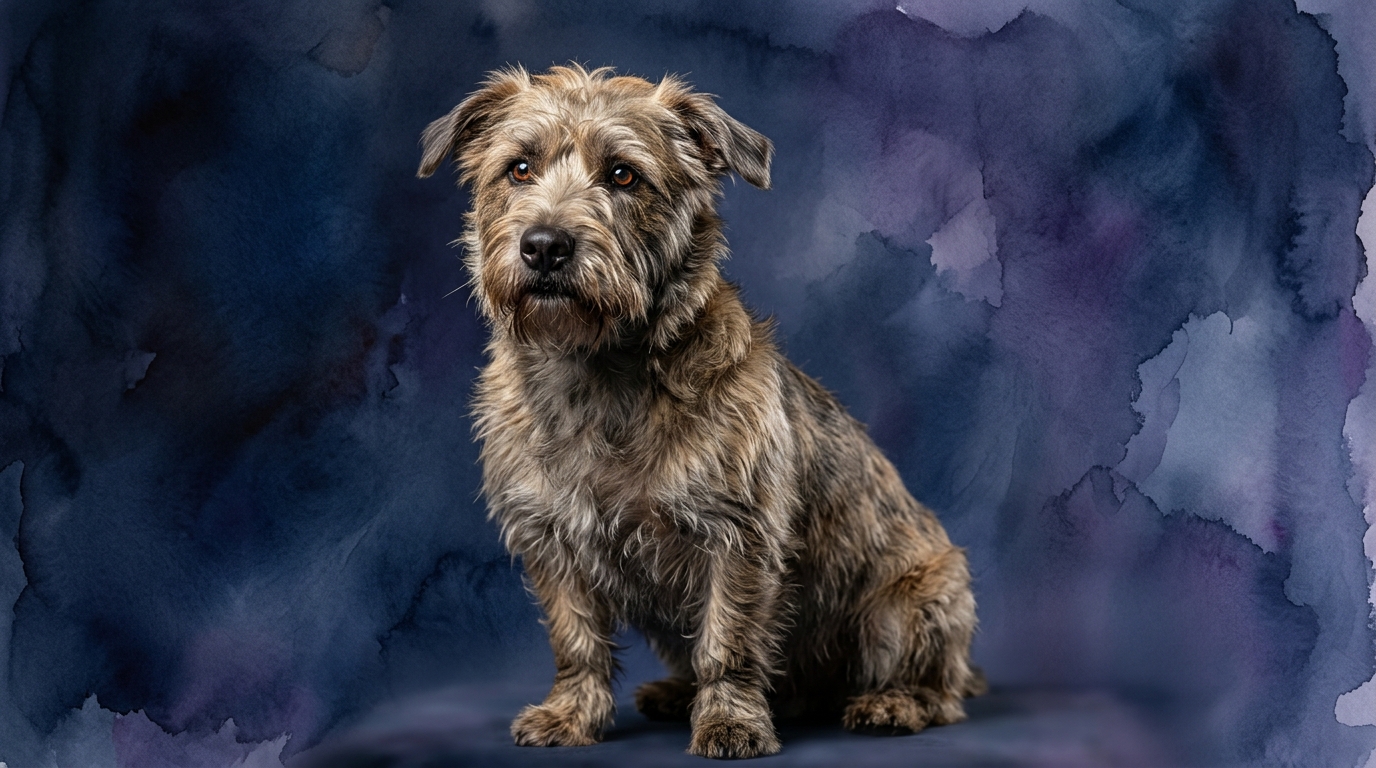
In contrast, the Glen of Imaal Terrier, while not Coren-ranked, presents a more balanced cognitive profile. Their Problem Solving is a practical 3/5, demonstrating resourcefulness in everyday situations. Training Speed is a moderate 3/5, indicating a reasonable capacity to learn with consistent effort. Social Intelligence is also 3/5, suggesting they are capable of strong family bonds and understanding household dynamics. Their Instinctive Drive is 3/5, primarily focused on hunting and digging but more manageable than some terriers, and their Memory is a competent 3/5 for routines and learned behaviors.
Where the Bloodhound Wins Cognitively
The Bloodhound's cognitive superiority undeniably lies in its unparalleled olfactory processing and retention. With a Problem Solving score of 5/5 and Memory at 5/5, they demonstrate a unique form of intelligence dedicated to scent discrimination and tracking, far surpassing virtually any other breed. Their ability to parse minute scent particles, reconstruct a chronological trail, and commit vast olfactory landscapes to memory is not merely an instinct but a complex cognitive function involving sustained focus and environmental deduction.
This specialized cognitive strength allows them to solve 'scent puzzles' that are utterly invisible and incomprehensible to humans, making them exceptional in tasks requiring precise, long-duration tracking, such as search and rescue or law enforcement. Their single-minded dedication to a trail, while challenging for general obedience, is a profound cognitive asset in its specific domain, showcasing a depth of focus and analytical ability rarely matched.
Where the Glen of Imaal Terrier Wins Cognitively
While the Bloodhound specializes, the Glen of Imaal Terrier offers a more balanced and adaptable cognitive profile that proves superior in different contexts. With a Training Speed of 3/5 and Social Intelligence of 3/5, they are significantly more responsive to human instruction and better attuned to social dynamics than the Bloodhound. Their Problem Solving at 3/5, though not as specialized, reflects a practical resourcefulness, allowing them to independently navigate everyday challenges or figure out how to get what they want through observation and trial-and-error.
This balanced intelligence makes them more amenable to diverse learning tasks and more integrated into a family's social fabric, requiring less specialized handling to achieve behavioral compliance. Unlike the Bloodhound's singular focus, the Glen's cognitive strengths enable them to adapt to varied environments and social expectations with greater ease, making them more versatile companions in a typical home setting.
Which is Easier to Train and Why
Between these two breeds, the Glen of Imaal Terrier is unequivocally easier to train, scoring 3/5 in Training Speed compared to the Bloodhound's challenging 1/5. The Bloodhound's profound Instinctive Drive (5/5) means their nose often dictates their actions, making them highly independent and easily distracted from human commands once a compelling scent is detected. Their cognitive focus is so singularly directed towards tracking that conventional obedience often feels secondary or irrelevant to them, requiring immense patience and highly specific, often scent-based, motivational techniques.
Conversely, the Glen, with its more moderate Instinctive Drive (3/5) and higher Social Intelligence (3/5), is more inclined to engage with its human companions and respond to positive reinforcement. While still possessing a terrier's independent streak, Glens are generally more cooperative and less prone to becoming singularly fixated, making them more receptive to learning a wider range of commands and behaviors in a typical family setting. Their balanced memory and problem-solving skills also contribute to a more straightforward training experience.
Which Suits Active Owners vs Relaxed Owners
The choice between these breeds hinges significantly on an owner's lifestyle and their capacity to meet very specific needs. Bloodhounds are best suited for highly active owners who are prepared to engage with their profound Instinctive Drive (5/5) and provide extensive mental and physical stimulation directly related to their tracking abilities. Their need for continuous scent work, long walks on a leash, and secure environments to prevent them from following a trail into danger means they are not for the relaxed or casual owner.
A Bloodhound requires an owner dedicated to channeling their immense cognitive and physical energy into productive outlets, understanding that their memory and problem-solving are geared towards scent work. In contrast, the Glen of Imaal Terrier, while still an active breed that appreciates regular exercise and mental engagement, is more adaptable to a relaxed owner's schedule, provided their fundamental needs are met. Their moderate Instinctive Drive (3/5) allows for varied activities beyond just tracking, making them suitable for owners who enjoy daily walks, interactive play, and quiet evenings at home, without the constant, intense demand for specialized activity that a Bloodhound presents.
The Verdict
Choose a Bloodhound if you are an experienced, dedicated owner passionate about scent work or prepared to provide extensive, specialized outlets for their unparalleled tracking abilities, valuing their unique cognitive gifts above easy trainability.
Opt for a Glen of Imaal Terrier if you seek a resilient, moderately active companion with a balanced cognitive profile, offering more straightforward trainability and social integration for a family setting.
🧠 Find Your Pet's IQ Score
Our Pet IQ Lab assessment covers 25+ tests across 5 cognitive dimensions — personalized to your breed.
Take the Full IQ Test →Frequently Asked Questions
Can a Bloodhound be a good family pet despite its strong drive?
Yes, Bloodhounds can be affectionate family members, but their profound instinctive drive means they require consistent training, secure containment, and significant outlets for their tracking abilities. Their social intelligence, while not their strongest suit, allows them to form bonds, though they may appear aloof when on a scent.
Are Glen of Imaal Terriers good with children and other pets?
Glen of Imaal Terriers, with their balanced social intelligence, can be good with respectful children and often coexist well with other pets if properly socialized from a young age. Their moderate instinctive drive means they are generally less prone to chasing small animals than some other terriers, though supervision is always advised.
What kind of mental stimulation do these breeds need?
Bloodhounds thrive on complex scent work, requiring puzzles that engage their unparalleled olfactory problem-solving and memory. Glen of Imaal Terriers benefit from varied activities like obedience training, interactive toys, and moderate 'digging' outlets that challenge their practical problem-solving and satisfy their terrier instincts.