Side-by-Side Cognitive Profiles
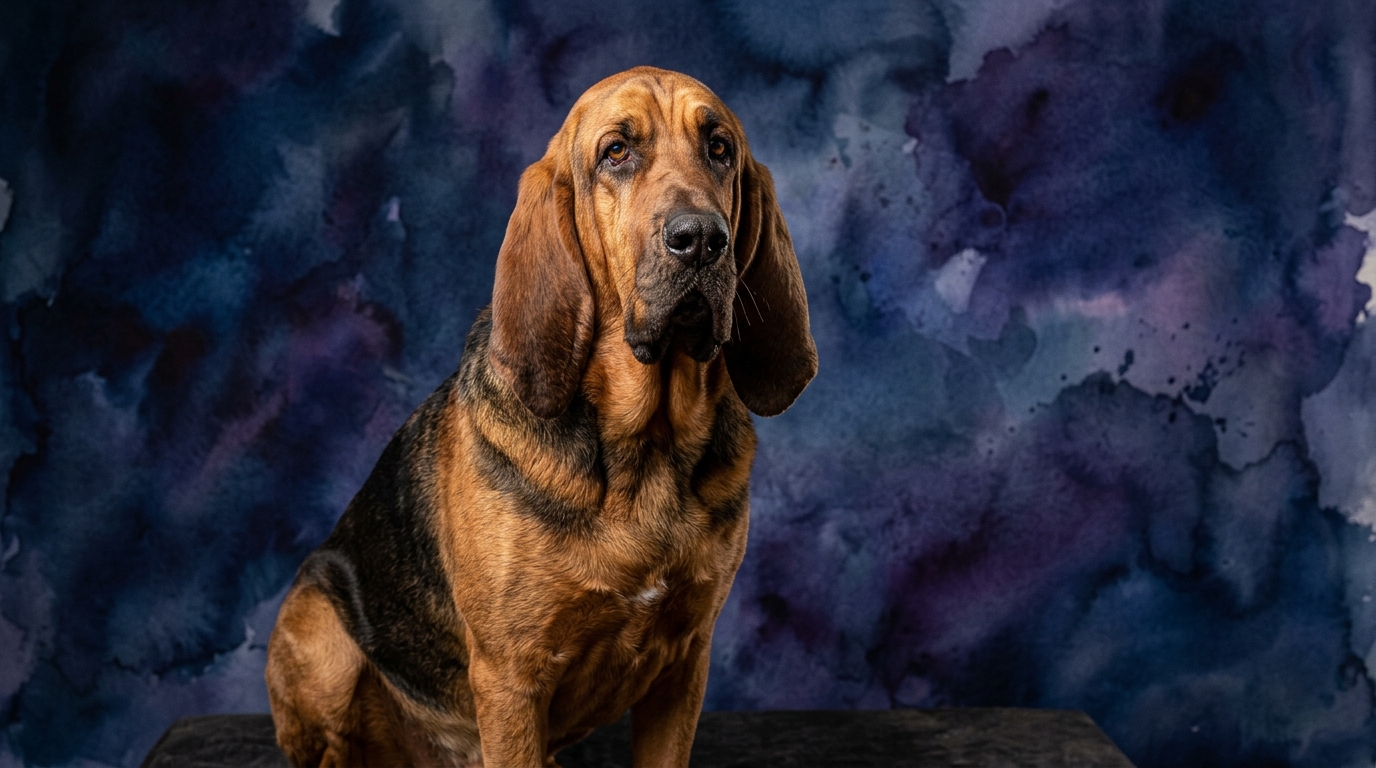
The Bloodhound, a majestic Hound breed, presents a cognitive profile profoundly shaped by its ancient purpose. Its Problem Solving is a perfect 5/5, reflecting an unparalleled ability to decipher complex scent trails and navigate intricate environments with deductive reasoning. However, its Training Speed registers a low 1/5, indicating an independent nature often more attuned to olfactory pursuits than human instruction. Social Intelligence stands at 2/5, suggesting a more aloof demeanor, less focused on subtle human cues. Its Instinctive Drive is an overwhelming 5/5, demonstrating a relentless, singular focus on tracking. Finally, Memory scores a perfect 5/5, allowing for long-term retention of intricate scent patterns and spatial information.
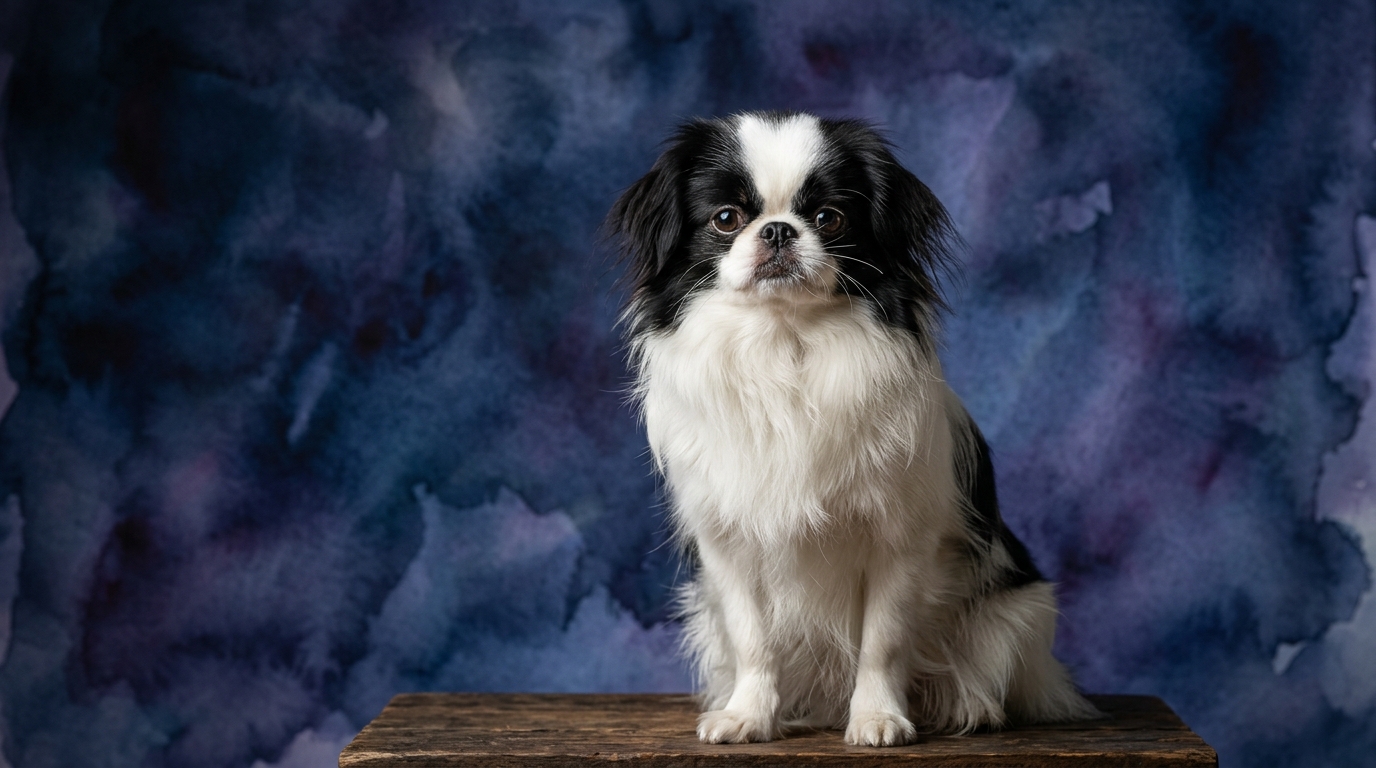
In contrast, the Japanese Chin, a charming Toy breed, offers a balanced yet distinct set of aptitudes. Its Problem Solving is a moderate 3/5, capable of navigating daily routines and simple challenges with adaptable thinking. Training Speed is also a 3/5, indicating a reasonable receptiveness to learning new commands with consistent, positive methods. Social Intelligence matches at 3/5, signifying a good capacity for bonding and reading human emotions, making them attentive companions. Instinctive Drive is a moderate 3/5, reflecting a balanced blend of alertness and a desire for comfort, without the intense specialization of a working breed. Memory likewise sits at 3/5, sufficient for remembering routines, familiar faces, and learned behaviors.
Where the Bloodhound's Cognition Excels
The Bloodhound's cognitive strengths are deeply rooted in its olfactory prowess. Its 5/5 Problem Solving isn't about solving abstract puzzles, but rather the highly specialized deductive reasoning required to unravel an aged or faint scent trail over vast distances and varied terrains. This involves intricate pattern recognition, filtering irrelevant odors, and making complex inferences about the path of a quarry, a mental feat few other breeds can rival. Their cognitive persistence in this domain is truly exceptional.
Furthermore, the Bloodhound's 5/5 Instinctive Drive and 5/5 Memory work in powerful conjunction. This breed possesses an unwavering, almost meditative focus on its primary task: tracking. This isn't merely a physical drive; it's a profound cognitive engagement where every sensory input is processed to maintain the integrity of the trail. Their memory allows them to retain intricate scent maps and environmental data for extended periods, enabling them to pick up a cold trail hours or even days later, demonstrating a long-term information retention capacity specifically tailored to their purpose.
Where the Japanese Chin's Cognition Shines
The Japanese Chin's cognitive advantages are primarily in its adaptability and social attunement within a domestic sphere. Its 3/5 Social Intelligence, while not as high as some, indicates a keen awareness of human emotional states and a desire for connection. This aptitude allows them to seamlessly integrate into family life, often anticipating their owner's moods or desires for interaction. Their contentment in a companion role stems from this cognitive ability to form strong, reciprocal bonds and find satisfaction in shared presence.
The Japanese Chin's moderate 3/5 Training Speed also presents a distinct advantage over the Bloodhound, particularly for the average owner. They are generally more receptive to human guidance and positive reinforcement, viewing training as an engaging interaction rather than an interruption of a singular drive. This responsiveness makes them more amenable to learning basic manners, house rules, and even some tricks, leveraging their social intelligence to cooperate with human instruction in a way the Bloodhound often finds less compelling.
Ease of Training: Behavioral Differences
When considering ease of training, the Japanese Chin generally presents a more straightforward experience due to its balanced cognitive profile. Their moderate Training Speed and Social Intelligence mean they are more inclined to engage with human instruction and respond to positive reinforcement. They often seek to please or interact, viewing training as an interactive activity that strengthens their bond with their owner. This inherent responsiveness to human cues makes the process feel more collaborative and less like a constant battle for attention against an overwhelming instinct.
Conversely, the Bloodhound's training presents a considerable challenge, reflected in its low 1/5 Training Speed. Their profound 5/5 Instinctive Drive means their primary focus is almost always external to the human trainer, specifically on scent. Commands often contend with an almost hypnotic pull of olfactory information. Training a Bloodhound requires immense patience, creativity, and a deep understanding of their innate drives, often necessitating specialized methods to redirect or work with their powerful nose rather than against it. Their independent nature and single-minded pursuit of scent make conventional obedience a labor-intensive endeavor.
Matching Canine Minds to Lifestyles
For owners with an active lifestyle specifically geared towards canine engagement, the Bloodhound offers an unparalleled partnership. This breed thrives with owners who can channel its immense 5/5 Instinctive Drive and 5/5 Memory into purposeful activities like tracking sports, scent work, or even search and rescue. Their cognitive satisfaction is derived from fulfilling their deep-seated drive, demanding an owner who is not just physically active but also mentally prepared to facilitate and understand this specialized form of canine athleticism and problem-solving. A Bloodhound requires extensive, purposeful outings where its nose can be utilized, rather than just generic exercise.
The Japanese Chin, with its balanced cognitive profile, is an ideal match for owners seeking a more relaxed and companion-oriented domestic life. Their moderate energy levels and instinctive drives mean they are content with shorter, leisurely walks and enjoy being a central, socially engaged part of family life without requiring intense, specialized activities. Their 3/5 Social Intelligence makes them adept at thriving in a home environment where close human interaction and shared comfort are prioritized over strenuous physical or highly specialized mental tasks. They are well-suited to apartment living or homes where indoor companionship is valued.
The Verdict: When to Choose Each
The Verdict
Choose the Bloodhound if you are a dedicated individual prepared to engage with a dog's profound scenting abilities and provide an outlet for its relentless, specialized drive through tracking or scent work.
Opt for the Japanese Chin if you seek an adaptable, socially engaged companion content with a more domesticated routine, valuing close human interaction and a relaxed lifestyle.
🧠 Find Your Pet's IQ Score
Our Pet IQ Lab assessment covers 25+ tests across 5 cognitive dimensions — personalized to your breed.
Take the Full IQ Test →Frequently Asked Questions
Do Bloodhounds ever ignore their nose for their owner?
While Bloodhounds possess profound loyalty, their powerful olfactory drive often takes precedence, especially when on a scent trail. Training aims to create a strong enough bond and command response to interrupt this drive, but it requires consistent effort and understanding of their innate priorities.
Is the Japanese Chin's social intelligence comparable to a working breed's?
The Japanese Chin's social intelligence manifests differently, focusing on close human bonding and reading subtle emotional cues within a domestic setting. It's not about complex pack dynamics or working partnerships, but rather deep, personal companionship and harmonious living within a family unit.
What makes a Bloodhound's memory so exceptional?
A Bloodhound's exceptional memory is primarily linked to its olfactory capabilities, allowing it to retain intricate scent profiles and spatial maps of environments over extended periods. This cognitive skill is crucial for their tracking work, enabling them to follow trails hours or even days old with remarkable accuracy.