Side-by-Side IQ Profile: Unpacking the Hounds' Minds
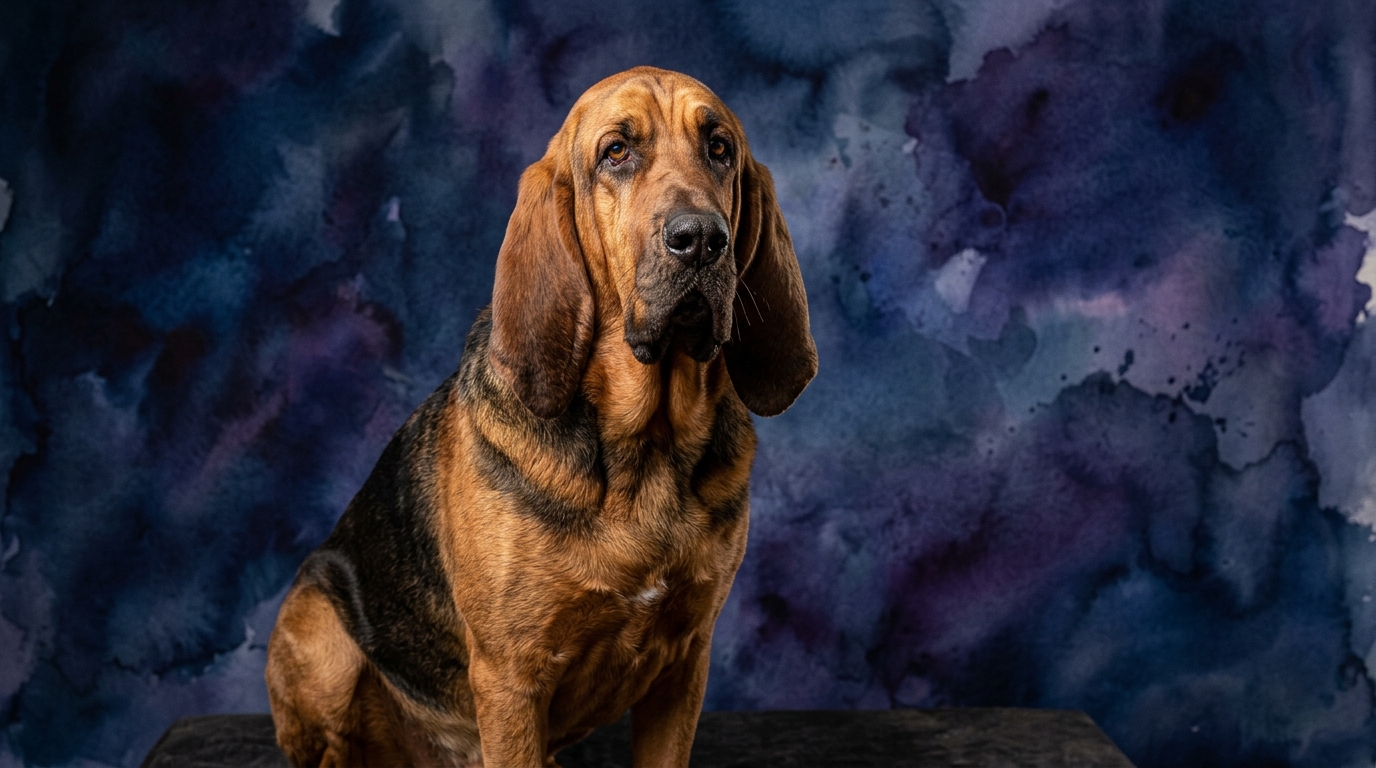
The Bloodhound's cognitive architecture is a testament to specialized evolution. Its Problem Solving (5/5) isn't about puzzles in a box; it's the profound ability to reconstruct a narrative from faint scent molecules, to differentiate individual odors in a complex environment, and to logically follow a trail over varied and challenging terrain. This requires intense focus and analytical processing of sensory input. However, this singular focus comes at a cost for traditional obedience: their Training Speed (1/5) reflects a deep-seated independence and an overwhelming drive to follow a compelling scent, often rendering human commands secondary. Social Intelligence (2/5) indicates a dog less inclined to seek nuanced human interaction or read subtle body language when engrossed in work, preferring to operate autonomously. Their Instinctive Drive (5/5) is an all-consuming need to track, forming the core of their being. Finally, Memory (5/5) allows them to retain an astounding database of scent profiles and spatial information related to past trails, making them incredibly effective over long durations.
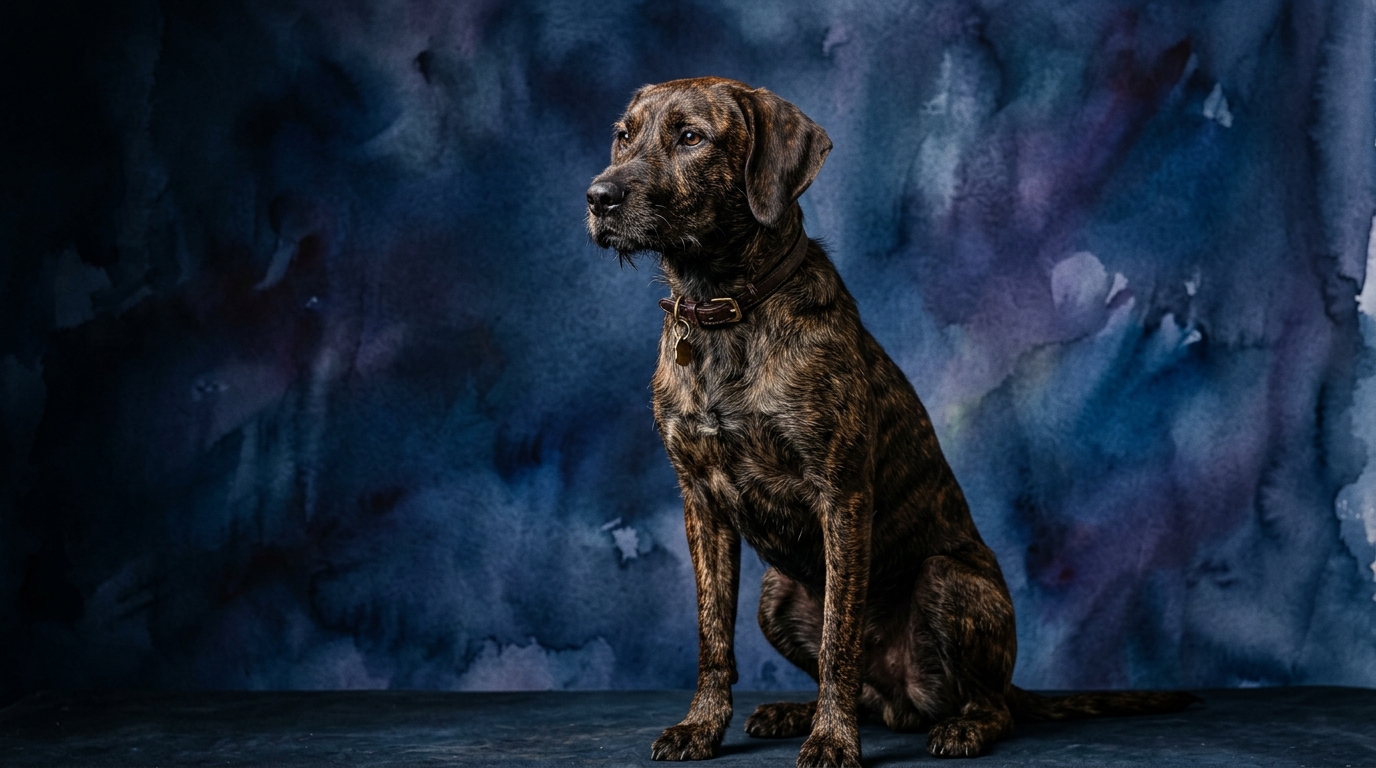
In contrast, the Plott Hound presents a more balanced and generalized intelligence profile. Its Problem Solving (3/5) signifies a capable mind that can adapt to various challenges, from outsmarting prey to navigating new environments, without the Bloodhound's extreme specialization in olfactory deduction. The Plott Hound's Training Speed (3/5) suggests a moderate willingness to learn and respond to commands, making them more receptive to varied training methods and positive reinforcement. Their Social Intelligence (3/5) points to a balanced capacity to engage with and understand human social cues, fostering a more interactive partnership. While possessing a strong Instinctive Drive (3/5) for hunting, it is typically more manageable and less singularly obsessive than the Bloodhound's, allowing for a broader range of activities. Their Memory (3/5) is solid, enabling them to recall learned behaviors and experiences, contributing to their overall adaptability.
Where the Bloodhound's Mind Dominates
The Bloodhound's cognitive superiority is undeniably rooted in its unparalleled sensory processing and relentless persistence, particularly in the realm of scent. Its 5/5 Problem Solving isn't about abstract thought, but rather a highly specialized form of analytical intelligence that allows it to deconstruct an invisible, intricate tapestry of odors. This breed can discern individual scent components, differentiate between fresh and old trails, and logically navigate diverse terrains based solely on the minute changes in an olfactory signature. This makes them biological detectives, capable of solving incredibly complex real-world "puzzles" that are inaccessible to other breeds.
This profound problem-solving ability is inextricably linked to its 5/5 Instinctive Drive, which manifests as an unwavering, almost obsessive, focus. Once a compelling scent is engaged, the Bloodhound's brain enters a singular mode, filtering out virtually all other stimuli, including human commands, to pursue the trail. This singular dedication is further amplified by their 5/5 Memory, which allows them to retain intricate scent patterns, the topography of past trails, and even the "scent signature" of individuals for prolonged periods. This remarkable combination of highly specialized problem-solving, intense drive, and long-term scent memory makes the Bloodhound the undisputed champion of olfactory detective work, capable of feats of tracking that few, if any, other breeds can replicate.
Where the Plott Hound's Cognition Shines
While the Bloodhound's brain is a highly specialized scent-tracking supercomputer, the Plott Hound boasts a more generalized and adaptable cognitive profile that offers distinct advantages in everyday companionship and a wider array of working roles. Its 3/5 Training Speed, significantly higher than the Bloodhound's 1/5, means the Plott Hound is considerably more receptive to learning new commands, routines, and boundaries from its human counterparts. This responsiveness translates into a smoother, less frustrating training experience, making them more amenable to instruction and a dog more willing to engage in cooperative tasks beyond just hunting.
Furthermore, the Plott Hound's 3/5 Social Intelligence surpasses the Bloodhound's 2/5, indicating a greater capacity to understand and respond to human social cues, intentions, and emotional states. This increased attunement makes them more communicative, more likely to seek interaction, and potentially better integrated into varied family dynamics where nuanced social exchanges are common. Their balanced 3/5 Instinctive Drive and Problem Solving suggest a mind capable of applying itself to various challenges beyond just tracking, making them versatile companions for active lifestyles that don't solely revolve around a singular, overwhelming scent drive. They offer a cognitive flexibility that allows them to thrive in diverse environments and activities.
Trainability: A Tale of Two Hounds
The stark difference in Training Speed, with the Bloodhound scoring 1/5 and the Plott Hound 3/5, directly translates into profoundly varied training experiences for owners. Bloodhounds are notoriously challenging to train in traditional obedience, not due to a lack of general cognitive capacity, but because their intense 5/5 Instinctive Drive compels them to follow their nose above all else. When a compelling scent is present, human commands, praise, or even treats often become secondary stimuli; their brain is simply wired to prioritize the olfactory task at hand, making consistent recall or heel work a monumental, often futile, effort without specialized scent-based motivation. Their 2/5 Social Intelligence also means they are less inclined to look to their human for direction when engrossed in their work.
In contrast, the Plott Hound, with its 3/5 Training Speed and 3/5 Social Intelligence, is generally much more amenable to instruction and seeks more cooperative interaction. They are more likely to view training as a joint activity, responding positively to praise, varied treats, and consistent reinforcement. While still possessing a strong prey drive, the Plott Hound's instinctive drive is less singularly overwhelming than the Bloodhound's, allowing for more balanced attention and a greater capacity to learn and execute commands reliably in diverse environments. This makes them a more rewarding partner for owners seeking a responsive and trainable hound, provided their exercise and mental stimulation needs are met.
Cognitive Fit: Active vs. Relaxed Owners
For owners seeking a companion whose cognitive life is intensely focused and demands specific, often specialized, outlets, the Bloodhound presents a unique, albeit demanding, match. Their 5/5 Instinctive Drive means they are profoundly unsatisfied with casual walks or limited backyard access; their brain literally craves and requires complex scent puzzles, long-distance tracking excursions, or participation in structured search and rescue activities. A relaxed owner expecting a docile, easily managed companion will quickly find themselves overwhelmed by a dog whose mental and physical needs are rooted in an unwavering, specialized drive to follow a trail. Their cognitive satisfaction and mental well-being are intrinsically tied to engaging their exceptional olfactory prowess, requiring an owner dedicated to facilitating this.
The Plott Hound, with its more balanced 3/5 Instinctive Drive and adaptable cognitive profile, can better suit active owners who enjoy diverse outdoor activities but don't necessarily want to dedicate themselves solely to scent work. While they thrive on vigorous exercise and mental stimulation, their drive is less singularly focused than the Bloodhound's. They can enjoy hiking, agility, various hunting games, or even participate in obedience trials without the same intense, singular commitment to tracking. They offer a more versatile cognitive partnership, suitable for owners who are active and enjoy engaging with their dog in a variety of ways, appreciating a capable and responsive hound that integrates well into a dynamic lifestyle.
The Verdict
Choose the Bloodhound if you are a dedicated individual prepared to channel an unparalleled scenting ability and unwavering drive into specialized tracking work or search and rescue. Their cognitive strengths demand an owner who embraces their unique, independent problem-solving and can provide consistent, scent-focused engagement.
Opt for the Plott Hound if you seek an active, adaptable companion with a more balanced cognitive profile, offering a good blend of trainability and social responsiveness for diverse outdoor activities and family integration. They suit owners who appreciate a capable hunting dog but also desire a more cooperative and versatile companion.
🧠 Find Your Pet's IQ Score
Our Pet IQ Lab assessment covers 25+ tests across 5 cognitive dimensions — personalized to your breed.
Take the Full IQ Test →Frequently Asked Questions
Do Bloodhounds ignore their owners?
Bloodhounds don't intentionally ignore owners, but their 5/5 instinctive drive for scent often overpowers other stimuli, including human commands, when they are on a trail. Their brain prioritizes olfactory input above social cues in working scenarios.
Are Plott Hounds good for first-time dog owners?
Plott Hounds, with their 3/5 training speed and social intelligence, are more manageable than Bloodhounds for first-time owners, but still require significant commitment to exercise, consistent training, and socialization due to their strong hunting instincts. They are not a low-maintenance breed.
Which breed is better at finding lost items?
The Bloodhound, with its 5/5 problem-solving and memory combined with a 5/5 instinctive drive for scent, is unequivocally superior for finding lost items, especially organic ones like people or animals, due to its specialized olfactory prowess.