Side-by-Side Cognitive Profiles: Scent vs. Social Aptitude
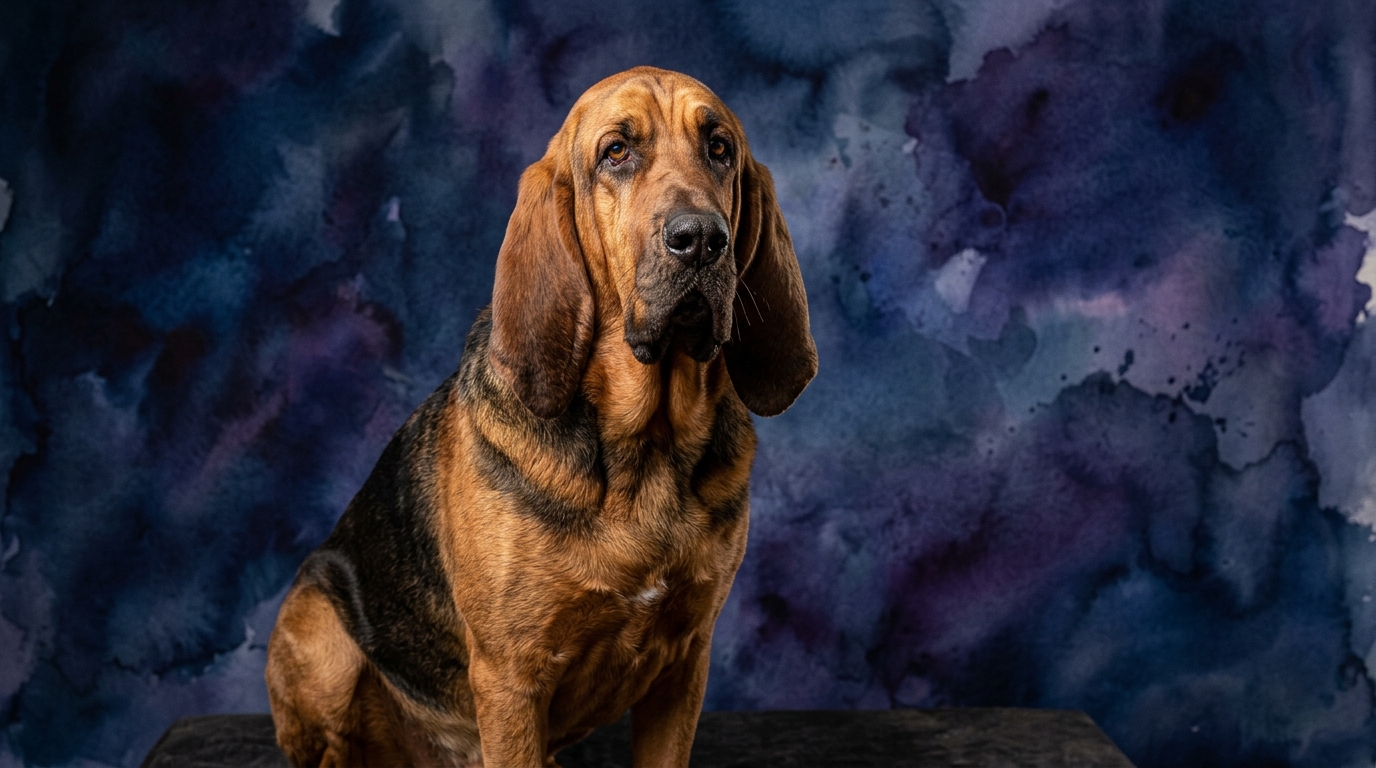
The Bloodhound's cognitive profile is a testament to extreme specialization, honed over centuries for an unparalleled ability to follow a scent trail. Their Problem Solving is rated a perfect 5/5, not in abstract puzzles, but in the intricate, real-world challenge of discerning and adhering to a specific odor through varied terrains and distractions. This intense focus, however, comes with a Training Speed of 1/5; their independent, scent-driven nature often overrides a desire for human-directed obedience. Social Intelligence at 2/5 reflects their primary focus on their olfactory world over subtle human cues, though they can be affectionate. Their Instinctive Drive is an overwhelming 5/5, solely dedicated to tracking, and their Memory, also 5/5, is remarkable for retaining complex scent patterns and routes over extended periods.
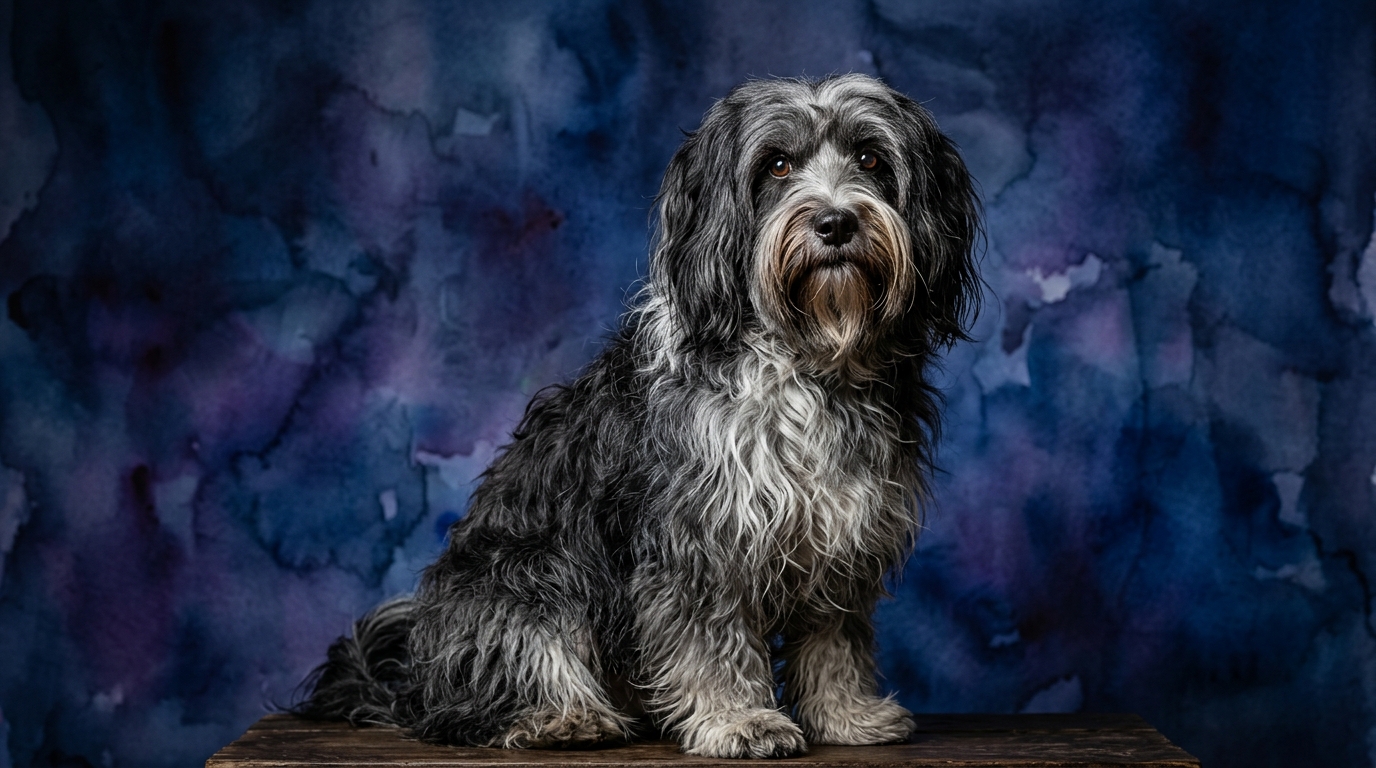
In contrast, the Tibetan Terrier presents a more balanced and adaptable cognitive blueprint. Their Problem Solving is a solid 3/5, demonstrating an ability to navigate everyday challenges and learn new tasks without the Bloodhound's singular fixation. Training Speed is 3/5, indicating they are receptive to learning with consistent, positive methods, though they can exhibit a charmingly stubborn streak. Their Social Intelligence, also 3/5, means they are generally responsive to human emotions and social structures, forming strong bonds with their families. Instinctive Drive at 3/5 is present, rooted in their historical roles as watchdogs and companions, but it is manageable and adaptable rather than overwhelming. Finally, their Memory at 3/5 is reliable for retaining commands, routines, and familiar faces, fitting well into a companion role.
Where the Bloodhound's Mind Excels
The Bloodhound's cognitive superiority lies unequivocally in the realm of olfactory processing and sustained, single-minded pursuit. Their Problem Solving at 5/5 is a masterclass in interpreting a vast array of sensory data, filtering out irrelevant information, and making complex deductions based purely on scent. This isn't just sniffing; it's a sophisticated form of environmental analysis and deductive reasoning performed at a primal level.
Beyond initial scent identification, their cognitive endurance is exceptional. Once on a trail, a Bloodhound demonstrates an unwavering focus, a mental stamina that allows them to follow a scent for miles, often over hours or even days. This sustained attention, coupled with their 5/5 Memory for intricate scent trails, means they can reconstruct complex narratives from invisible clues, a feat few other breeds can rival. Their mind is a biological supercomputer dedicated to one magnificent purpose: the pursuit of odor.
Where the Tibetan Terrier's Cognition Shines
The Tibetan Terrier's cognitive strengths are found in their versatility and their ability to integrate seamlessly into human social environments. Their 3/5 Problem Solving, while not specialized like the Bloodhound's, allows them to adapt to diverse situations, learn various tricks, and figure out household conundrums, such as how to access a favorite toy or navigate a new environment. They are generally more adept at interpreting novel situations outside of a specific instinctual drive.
Crucially, the Tibetan Terrier's 3/5 Social Intelligence gives them a distinct advantage in everyday companionship. They are more attuned to human moods, vocalizations, and body language, making them more responsive to social cues and better at forming reciprocal relationships. Their balanced instinctive drives mean they are less likely to be overwhelmed by a singular fixation, allowing for a more harmonious cognitive interaction with their human families and a greater adaptability to various lifestyles and expectations.
Trainability: The Challenge of Instinct vs. the Desire to Engage
When it comes to trainability, the differences between these two breeds are stark and directly tied to their cognitive profiles. The Tibetan Terrier, with its 3/5 Training Speed and 3/5 Social Intelligence, is generally far easier to train for traditional obedience. They possess a moderate desire to please and a cognitive capacity to understand and respond to human commands, often motivated by positive reinforcement and the joy of interaction. While they can have a stubborn streak, their overall willingness to engage makes them a rewarding student for most owners.
The Bloodhound, on the other hand, presents a significant training challenge, reflected in its 1/5 Training Speed. This isn't to say they are incapable of learning; rather, their extraordinary 5/5 Instinctive Drive for scent work often eclipses their interest in human-directed commands. When a compelling scent is present, their cognitive focus locks onto that sensory input, making it incredibly difficult to redirect their attention to obedience cues. Training a Bloodhound requires immense patience, understanding their unique motivations, incorporating scent work into their 'curriculum,' and accepting that their primary drive will always be their nose, not always perfect heel work.
Lifestyle Match: Specialized Pursuit vs. Adaptable Companionship
The Bloodhound is ideally suited for owners with an active, specialized interest in canine scent work or those prepared to fully embrace and channel their dog's profound olfactory capabilities. This isn't just about walks; it's about engaging their mind with tracking, search and rescue, or dedicated scent games. Relaxed owners, or those seeking a dog for casual companionship and minimal training, will likely find the Bloodhound's independent nature and relentless nose overwhelming, as their powerful instinctive drive demands a purposeful outlet.
The Tibetan Terrier, conversely, is a better fit for moderately active owners seeking an adaptable, engaging companion. They enjoy regular walks, playtime, and mental stimulation through training or puzzle toys, but they don't require the singular, intense focus demanded by a Bloodhound's specialized drives. Their balanced cognitive profile allows them to thrive in various household environments, making them suitable for owners who appreciate a dog that can transition from playful outdoor activity to relaxed indoor companionship with relative ease.
The Verdict
Choose the Bloodhound if you are a dedicated owner passionate about scent work, prepared to channel an independent, intensely focused partner whose world revolves around their nose, and who can appreciate their unique cognitive gifts in tracking and olfactory problem-solving.
Opt for the Tibetan Terrier if you seek an adaptable, engaging companion who thrives on family interaction, moderate activity, and a balanced cognitive approach to life, offering a more traditional and harmoniously integrated pet experience.
🧠 Find Your Pet's IQ Score
Our Pet IQ Lab assessment covers 25+ tests across 5 cognitive dimensions — personalized to your breed.
Take the Full IQ Test →Frequently Asked Questions
Is a Bloodhound trainable for basic obedience?
Yes, but it requires immense patience and understanding of their scent-driven nature. They learn best when training incorporates their natural instincts, making it a different kind of training journey than with many other breeds.
Do Tibetan Terriers need a lot of mental stimulation?
They benefit from regular mental challenges like puzzle toys and varied training, keeping their moderate problem-solving skills engaged. While not as demanding as some working breeds, they appreciate having their minds exercised.
Which breed is better for a first-time dog owner?
The Tibetan Terrier is generally more suitable for a first-time dog owner due to their more balanced temperament and easier trainability compared to the Bloodhound's highly specialized needs and independent nature.