Side-by-Side IQ Profile: Bloodhound vs. Toy Poodle
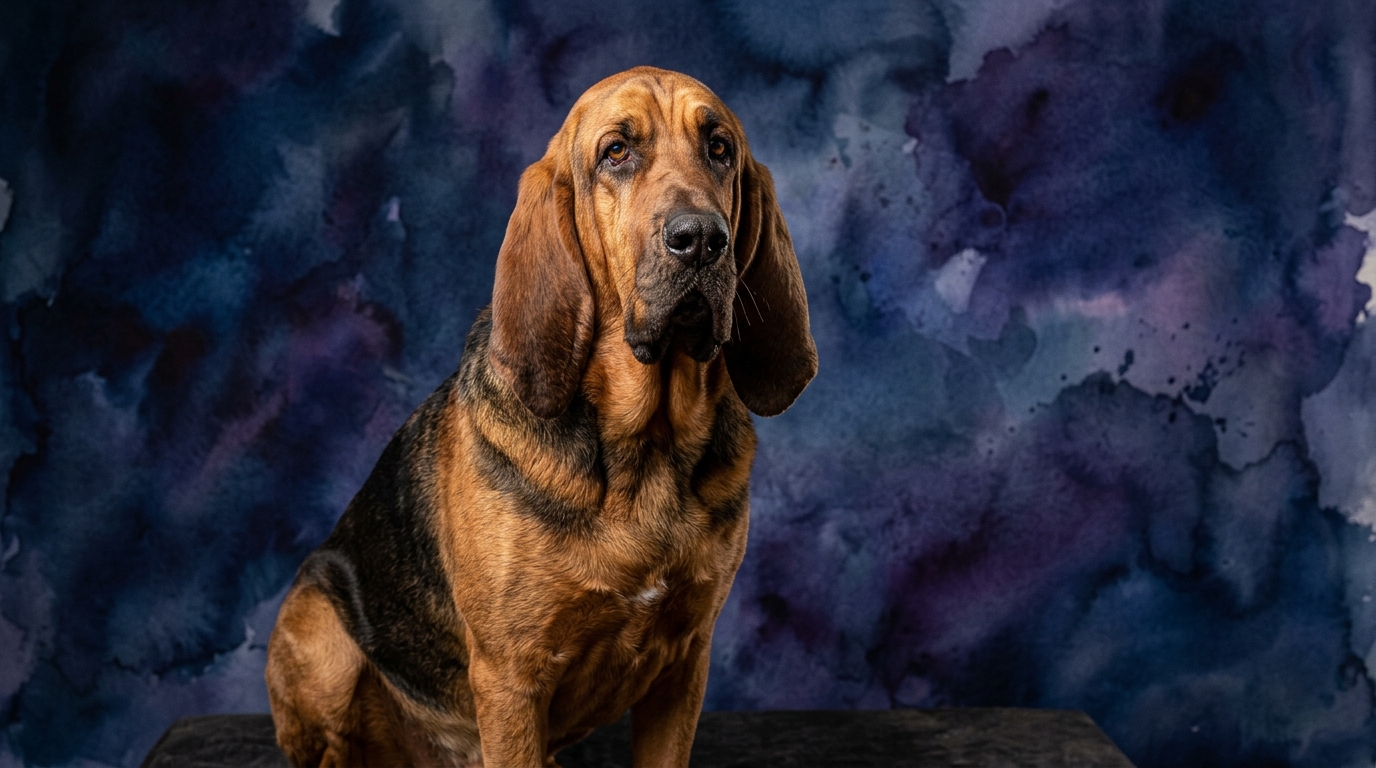
The Bloodhound's cognitive profile is overwhelmingly shaped by its unparalleled olfactory prowess. Its 5/5 score in Problem Solving is almost exclusively channeled into deciphering complex scent trails, demonstrating an intricate understanding of environmental cues related to smell. A 5/5 in Instinctive Drive underscores this deep-seated need to follow a scent, often making them singularly focused and less attentive to human directives, reflected in their 1/5 Training Speed. Their 2/5 Social Intelligence suggests a more independent nature, while an exceptional 5/5 Memory allows them to recall intricate scent patterns and track routes over vast distances and time.
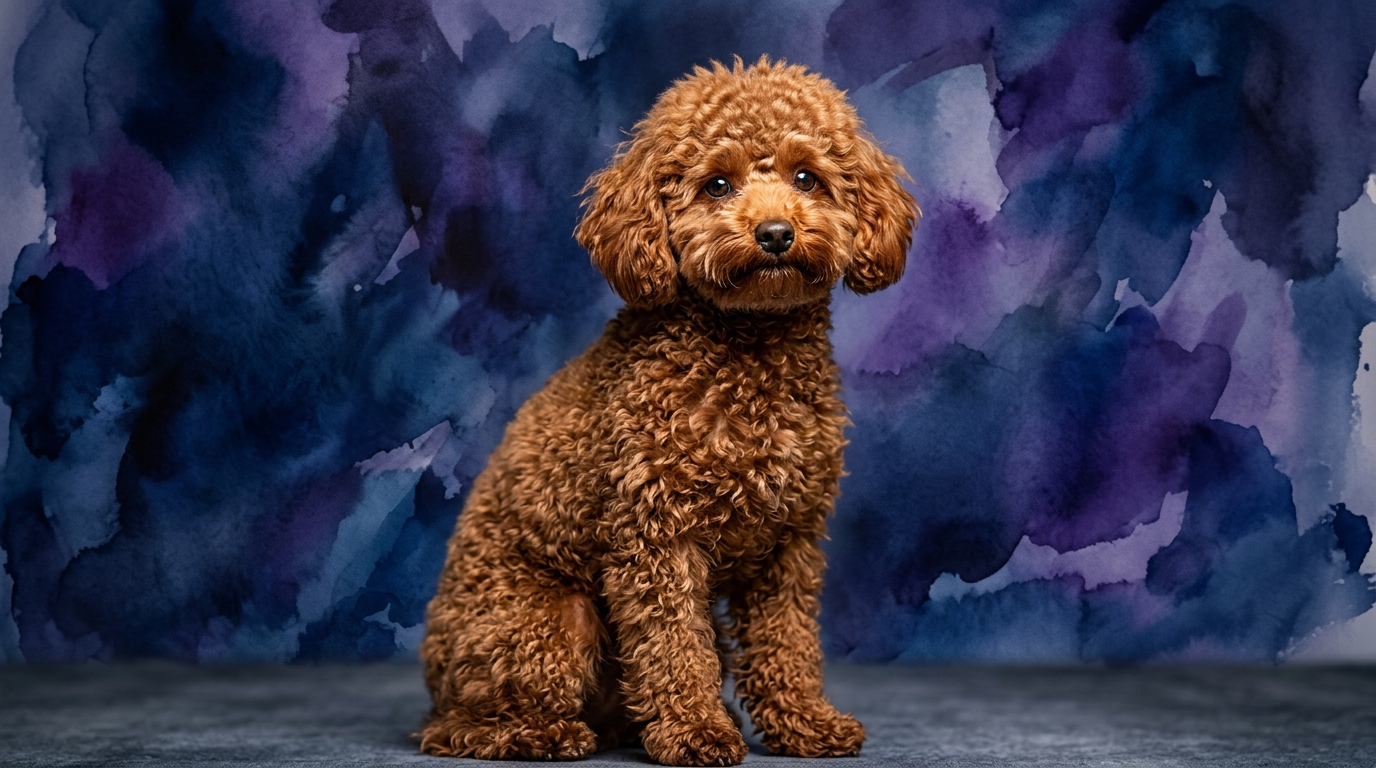
In stark contrast, the Toy Poodle presents a profile of versatile and adaptable intellect. Like the Bloodhound, they achieve a 5/5 in Problem Solving, but their application is broader, tackling varied challenges from complex trick sequences to navigating novel environments. Their 5/5 Training Speed is a testament to their eagerness and capacity to quickly grasp and execute commands, making them highly responsive companions. A 3/5 Social Intelligence indicates a good understanding of human emotions and social dynamics, fostering strong bonds. Their 3/5 Instinctive Drive is moderate, allowing them to be motivated by diverse rewards rather than a singular, overwhelming instinct, and they also possess a 5/5 Memory for learned behaviors and social interactions.
Where the Bloodhound Wins Cognitively
The Bloodhound's cognitive superiority lies unequivocally in the realm of olfaction and sustained focus on a primary task. No other breed rivals its capacity for scent discrimination, a form of problem-solving that involves filtering myriad smells to isolate and follow a specific target, even days after the scent was laid. Their 5/5 Instinctive Drive, paired with 5/5 Problem Solving, allows them to maintain an unwavering concentration on a trail for hours, an endurance of mental effort unmatched in most breeds. This specialized intelligence extends to their 5/5 Memory, enabling them to recall and re-engage with complex scent patterns, effectively 'mapping' an environment through smell alone. They exhibit a profound, almost meditative, dedication to their nose work, demonstrating a unique kind of cognitive stamina.
Where the Toy Poodle Wins Cognitively
The Toy Poodle excels in adaptability, rapid learning, and understanding human-centric environments. Their 5/5 Training Speed is a standout, indicating an exceptional ability to quickly associate commands with actions and generalize behaviors across different situations. This cognitive agility allows them to master a vast repertoire of tricks, participate in various dog sports, and adapt seamlessly to new routines or households. Their superior 3/5 Social Intelligence, compared to the Bloodhound's 2/5, means they are often more attuned to human moods, vocal inflections, and body language, making them more intuitive companions. They demonstrate a versatile problem-solving capacity that isn't tied to a single instinct, applying their intellect to understand and navigate complex social and environmental challenges with grace and expediency.
Which is Easier to Train and Why
Without question, the Toy Poodle is significantly easier to train, a fact highlighted by its 5/5 Training Speed versus the Bloodhound's 1/5. Toy Poodles possess an inherent desire to please their handlers and a remarkable ability to focus on human instruction, absorbing new commands with impressive speed. Their lower Instinctive Drive (3/5) means they are less likely to be overwhelmed by environmental distractions, making them highly responsive to positive reinforcement and consistent guidance. In contrast, the Bloodhound's training presents a considerable challenge. Their dominant 5/5 Instinctive Drive compels them to follow their nose above all else, often rendering human commands secondary to a compelling scent. Their independent nature and single-minded focus on scent work mean that training requires immense patience, creativity, and an understanding that their primary motivation is not handler appeasement but olfactory exploration. Getting a Bloodhound to perform a 'sit' when a captivating scent is nearby can feel like an uphill battle against millennia of specialized breeding.
Which Suits Active Owners vs. Relaxed Owners
The choice between these breeds largely depends on the type of activity an owner values. A Bloodhound suits owners who are prepared for specific, intense forms of activity centered around scent work. These are not 'relaxed' owners in the traditional sense, as a Bloodhound requires extensive opportunities to engage its 5/5 Instinctive Drive and 5/5 Problem Solving through tracking, long exploratory walks, or specialized scent games. While they can be calm indoors if their needs are met, ignoring their innate drive leads to frustration. Their activity is less about high-speed antics and more about sustained, mentally demanding olfactory exploration.
The Toy Poodle, with its adaptable nature and moderate 3/5 Instinctive Drive, can suit a broader range of owners. Active owners will find them eager partners for agility, obedience, or trick training, thriving on mental stimulation and physical engagement. Their 5/5 Training Speed makes them excellent candidates for various dog sports. Conversely, more relaxed owners can still provide a fulfilling life, focusing on daily walks, interactive puzzle toys, and consistent training for good manners and a few fun tricks. The key is consistent mental engagement, which for a Poodle, can be achieved through varied activities, not just a singular, intense drive.
The Verdict
Choose a Bloodhound if you are drawn to a deeply specialized working companion, prepared to channel its profound scenting instincts and independent spirit into dedicated tracking or scent work.
Opt for a Toy Poodle if you seek a highly adaptable, rapidly trainable, and socially responsive companion eager to engage in diverse activities and integrate seamlessly into family life.
🧠 Find Your Pet's IQ Score
Our Pet IQ Lab assessment covers 25+ tests across 5 cognitive dimensions — personalized to your breed.
Take the Full IQ Test →Frequently Asked Questions
Is a Bloodhound truly cognitively capable if it's so challenging to train?
Absolutely. A Bloodhound's 5/5 Problem Solving and 5/5 Memory are incredibly robust, but they are specialized for scent work, not general obedience. Their challenge in training stems from their intense instinctive drive, which prioritizes olfactory cues over human commands, rather than a lack of cognitive capacity.
How does the Toy Poodle's 'Instinctive Drive' score of 3/5 manifest?
A Toy Poodle's moderate instinctive drive means they possess a balanced level of natural urges, such as chasing or exploring, but these are generally manageable and can be channeled. It allows them to be motivated by a variety of rewards and cues, making them highly versatile in training and less prone to single-minded fixations compared to breeds with a 5/5 drive.
What does Coren rank tell us about their overall intelligence compared to The Cosmic Pet Pet IQ Lab scores?
Coren's rank primarily measures 'obedience and working intelligence,' reflecting how quickly a dog learns and obeys known commands. The Cosmic Pet Pet IQ Lab offers a more nuanced view, breaking down intelligence into five distinct dimensions. A high Coren rank like the Toy Poodle's (#2) aligns with its 5/5 Training Speed, while the Bloodhound's lower rank (#74) correlates with its 1/5 Training Speed, despite both having 5/5 Problem Solving in their specialized domains.